
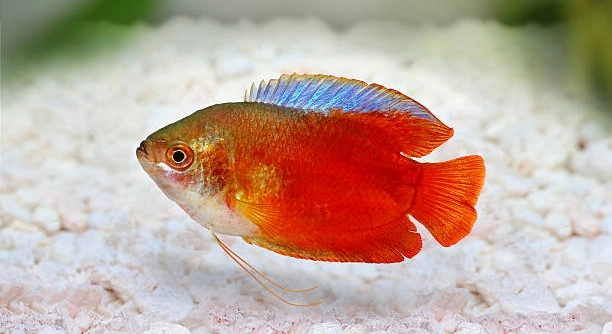
Many aquarium owners notice their gourami frequently digging in the gravel, leaving small disturbances in the substrate. This behavior can seem unusual at first, but it is a natural part of how these fish interact with their environment. Observing these actions closely helps in understanding your fish’s habits and overall health.
Gouramis dig in the gravel primarily to explore their surroundings and search for food. This behavior is instinctual, allowing them to uncover edible particles, create nesting sites, or establish territories. Gravel digging is typically harmless if the tank environment is stable.
Watching your gourami’s behavior can reveal more than just feeding patterns. Learning why they dig provides insights into their comfort, habitat, and daily routines.
Understanding Gourami Behavior
Gouramis are naturally curious fish that explore their environment constantly. Digging in the gravel is part of their instinctual behavior, helping them search for small food particles and inspect the tank substrate. This activity also allows them to feel secure, as moving gravel can create little hiding spots. In addition, certain gourami species build bubble nests at the surface for breeding. During this time, they may rearrange gravel or push objects around to clear areas near the water surface. Observing how your gourami interacts with its surroundings can help you identify patterns, such as times of increased activity or specific areas of the tank they favor. It’s important to provide a stable environment with clean water, proper filtration, and adequate hiding spots. A well-maintained tank ensures that digging remains a normal, healthy behavior rather than a sign of stress or dietary deficiency.
This digging is normal for most gouramis and rarely signals serious health issues when the tank is properly cared for.
Regular observation and care allow you to notice any changes in digging behavior. If it increases suddenly, it may indicate environmental stress or dietary imbalance. Adjusting feeding schedules, substrate type, or adding plants can help maintain calm, consistent behavior, ensuring your gourami remains active without damage to the tank. Understanding these patterns makes it easier to support the fish’s natural instincts while keeping the aquarium clean and balanced.
Tank Conditions and Their Impact
The type of gravel and layout of your tank can influence digging behavior. Gouramis prefer soft, smooth gravel that allows easy movement without harming their delicate fins.
Tank cleanliness and water quality significantly affect how often gouramis dig. Poor conditions may lead them to move substrate excessively, searching for food or comfort. Uneven gravel or lack of hiding spots can make the fish feel exposed, increasing digging. In planted tanks, gouramis often rearrange gravel around roots, which is normal but can disrupt delicate plants. Monitoring water parameters like pH, temperature, and ammonia levels helps prevent stress-related digging. Feeding small, frequent meals reduces the need for extensive substrate searching. Additionally, introducing decorations or driftwood gives gouramis areas to explore without constantly disturbing the gravel. Proper lighting and gentle water flow also contribute to a calmer tank environment. By considering these factors, you can create a habitat that supports natural behaviors while maintaining tank stability and cleanliness.
Feeding and Digging
Gouramis often dig while searching for leftover food in the substrate. Uneaten flakes or pellets can encourage this behavior, making them more active in moving gravel around. Feeding the right amount at scheduled times helps minimize excessive digging.
Overfeeding can increase digging as gouramis sift through the gravel to find small food pieces. Observing how much your fish consumes in a few minutes allows you to adjust portions and reduce leftover debris. Providing sinking pellets or specialized foods helps keep the substrate cleaner. Balanced feeding ensures that the fish remain healthy, active, and less likely to disturb the tank excessively while still allowing natural foraging behaviors.
Some gouramis may also dig to bury food or test for edibility. Offering a varied diet with occasional live or frozen foods can satisfy their instincts while keeping the gravel relatively tidy. Separating feeding areas or using feeding rings can focus food in one spot, reducing unnecessary substrate disturbance. By understanding how feeding affects digging, you can maintain a cleaner tank and support your gourami’s natural tendencies effectively.
Signs of Stress in Gouramis
Excessive digging can indicate stress caused by overcrowding, poor water conditions, or lack of hiding spots. Monitoring the fish helps identify unusual behaviors early.
Stress-related digging often comes with other signs, such as faded colors, rapid gill movement, or fin clamping. Gouramis need stable temperatures and clean water to stay calm. Introducing plants, caves, or decorations provides security and reduces anxiety-driven digging. Sudden changes in tank layout can also trigger stress, so maintain consistency whenever possible. Keeping a regular maintenance schedule and monitoring interactions with tank mates helps prevent stress, supporting overall health.
Breeding Behavior
Gouramis dig in the gravel as part of nest preparation or to create a suitable environment for mating. This behavior is most common in males during breeding periods and is a natural instinct.
Bubble nest building often accompanies digging. Males move substrate lightly to keep the area near the surface clear and safe for eggs. This ensures that the fry have a protected environment and that the nest remains stable. Understanding this behavior helps distinguish normal reproductive activity from stress-related digging.
Substrate Type Matters
Soft, smooth gravel or sand is ideal for gouramis. Hard or sharp substrate can injure fins and discourage natural digging.
Tank Companions Influence Digging
Other fish in the tank can trigger increased digging in gouramis. Competition for food or territory often leads them to move gravel more frequently. Ensuring compatible tank mates and sufficient space helps reduce excessive substrate disturbance.
FAQ
Why is my gourami constantly digging in the gravel?
Gouramis dig naturally to explore their environment, search for food, and maintain comfort in the tank. Occasional digging is normal and part of their instinct. Increased activity may occur during feeding, breeding, or if the fish is trying to adjust its surroundings.
Can digging harm my gourami or the tank?
Digging in soft gravel or sand is generally harmless. Problems arise only if the substrate is sharp, or decorations are unstable. Sharp gravel can damage fins, and uprooted plants may stress the fish. Monitoring the tank and providing safe substrate prevents injuries and tank disruption.
Does digging mean my gourami is stressed?
Not always. Mild digging is normal, but excessive or frantic digging can signal stress. Check water quality, tank mates, and hiding spots. Poor conditions, overcrowding, or sudden changes in the tank may trigger anxious behavior. Maintaining stability keeps your gourami calm.
Is digging related to breeding?
Yes, males often dig while preparing bubble nests. This behavior clears areas near the water surface to protect eggs and fry. If you notice digging combined with bubble nest activity, it is likely a reproductive instinct rather than a problem.
How does feeding affect digging behavior?
Uneaten food in the gravel encourages foraging. Overfeeding leads gouramis to sift through the substrate excessively. Offering measured meals and using sinking pellets or feeding rings can minimize digging while still allowing natural foraging instincts.
Will changing the gravel reduce digging?
Yes, softer or smoother gravel can make digging easier and safer for your fish. Avoid sharp or rough substrates that can harm fins. Sand or fine gravel allows natural behavior without injury, helping the tank remain cleaner.
Do tank decorations affect digging?
Decorations, plants, and hiding spots influence how much gouramis dig. A lack of cover or uneven layout may cause them to move substrate more frequently. Strategically placing plants and ornaments gives security and reduces unnecessary gravel disturbance.
Can digging indicate a health problem?
Occasionally. Excessive digging paired with lethargy, faded colors, or rapid breathing could signal illness or stress. Regular observation of water parameters and fish health helps identify issues early and ensures timely care.
How can I safely observe my gourami’s digging habits?
Use regular observation during feeding and quiet periods to notice patterns. Note when, where, and how often digging occurs. Keeping a consistent routine for feeding, cleaning, and tank maintenance allows you to differentiate normal behavior from concerning signs.
Should I change tank mates if digging is excessive?
Sometimes. Aggressive or overly active tank mates may provoke more digging due to competition or territorial behavior. Ensuring compatible species and enough space for each fish reduces stress-driven substrate movement and promotes calmer behavior.
Does water flow affect digging?
Yes, strong currents can make gouramis dig to stabilize themselves or rearrange substrate. Gentle water movement is ideal, allowing natural behavior without forcing constant substrate disruption. Adjusting filter flow or creating sheltered areas reduces unnecessary digging while maintaining water circulation.
Can plants stop my gourami from digging too much?
Plants help by providing cover and areas to explore. Gouramis may still dig lightly around roots, but plants give security and reduce frantic substrate movement. Floating plants and rooted vegetation balance natural digging instincts with a stable tank environment.
Is digging more common in certain gourami species?
Yes, species like dwarf gouramis or pearl gouramis often dig more due to their active nature and foraging habits. Observing species-specific behavior helps set expectations and plan tank setup accordingly.
How do I tell normal digging from problem behavior?
Normal digging is calm, intermittent, and often linked to feeding or nesting. Problem digging is constant, frantic, or accompanied by stress signs like color fading, clamped fins, or erratic swimming. Consistent monitoring of behavior and environment helps distinguish the two.
Can changing the tank layout help reduce digging?
Rearranging decorations or adding hiding spots can redirect digging to safer areas. Gradual adjustments prevent stress, while creating specific zones for exploration satisfies natural instincts and keeps substrate disturbance manageable.
Does temperature affect digging behavior?
Yes, gouramis may dig more if the water is too cold or too warm, as they adjust to find comfortable areas. Maintaining a stable, species-appropriate temperature reduces excessive substrate movement and supports overall health.
Are there tools to minimize gravel digging?
Yes, feeding rings, softer substrate, and strategic plant placement can control digging without restricting natural behavior. These simple adjustments provide structure, keeping both the fish and tank environment balanced.
Is digging ever a sign of boredom?
Sometimes. Gouramis need stimulation from plants, hiding spots, and varied feeding routines. Lack of enrichment may lead to repetitive digging. Introducing new elements or changing feeding routines can keep them engaged and reduce unnecessary substrate disturbance.
How long does digging behavior last?
Digging can occur throughout a gourami’s life, especially during feeding, breeding, or exploration. While the intensity may vary, providing stable tank conditions ensures the behavior remains normal rather than stressful or destructive.
Can digging affect water quality?
Yes, excessive substrate movement can stir up debris, affecting clarity and filtration. Regular maintenance, proper feeding, and suitable substrate help minimize water disruption while supporting natural digging behavior.
Final Thoughts
Gouramis are naturally curious and active fish, and digging in the gravel is one of their normal behaviors. This activity allows them to explore their environment, search for leftover food, and even create small hiding spots. While it may seem messy at first, it is usually harmless when the tank is properly maintained. Observing your gourami’s digging patterns helps you understand its instincts and daily habits, giving insight into how it interacts with its surroundings. Providing a tank that meets its needs, including soft substrate, plants, and decorations, supports this natural behavior without causing harm or excessive mess. Over time, learning to recognize typical digging versus unusual activity can help you ensure your gourami remains healthy and comfortable in its home.
Excessive digging can sometimes signal issues, but it is often linked to environmental factors rather than health problems. Poor water quality, lack of hiding spots, or overcrowding may increase substrate movement as the fish tries to adjust its space or relieve stress. Regular tank maintenance and monitoring water parameters are essential for keeping gouramis calm. Feeding habits also play a role; uneaten food encourages more digging, so providing measured portions and using tools like sinking pellets or feeding rings can reduce unnecessary substrate disturbance. Tank layout matters too. Strategic placement of plants, driftwood, and decorations can provide security while still allowing your gourami to satisfy its natural instincts. Understanding these factors ensures that digging remains a normal, healthy behavior rather than a cause for concern.
Every gourami has its own personality, and some will naturally dig more than others. This behavior, when observed carefully, offers a glimpse into their instincts, health, and comfort level. Recognizing the reasons behind gravel movement, whether it is for foraging, nesting, or simple exploration, helps you support your fish effectively. Maintaining a stable, clean, and well-planted environment ensures that your gourami can carry out these behaviors safely. By paying attention to feeding, tank mates, water quality, and habitat design, you create a space where your fish can thrive while still enjoying natural activities like digging. Over time, this approach helps keep the tank environment balanced and your gourami healthy, active, and content.

Hello,
If you enjoy the content that we create, please consider saying a "Thank You!" by leaving a tip.
Every little bit helps us continue crafting quality advice that supports the health, happiness, and well-being of pets around the world, for pets of all shapes, sizes, and species.
We really appreciate the kindness and support that you show us!