
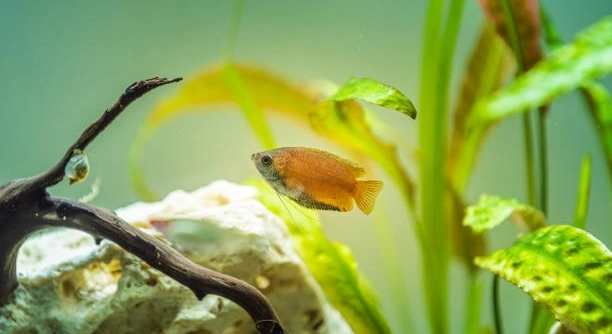
Moving a gourami can feel tricky, especially when nets seem stressful for delicate fish. Many aquarists find themselves looking for gentler ways to transfer their fish safely without causing harm or panic.
It is possible to move a gourami without a net by using methods such as a cup, container, or siphon. Careful handling minimizes stress and injury, ensuring the fish remains healthy during relocation or tank maintenance.
Learning the correct techniques will help keep your gourami calm and healthy during any move within your aquarium setup.
Preparing to Move Your Gourami
Before attempting to move a gourami without a net, preparation is key. Begin by gathering a clean cup, small container, or siphon. Ensure that the container is free of soap or chemicals that could harm the fish. Make sure the water temperature in the container matches the aquarium to reduce stress. Dim the tank lights slightly to help your gourami stay calm. Plan your steps in advance so that the transfer is quick and smooth. Handling the fish gently is crucial, as sudden movements can startle it and cause injury. Avoid chasing the gourami around the tank, as this increases stress. Observing the fish’s behavior beforehand helps you understand the best time for transfer, typically when it is resting near the surface or lower areas of the tank. Taking your time to prepare properly ensures a safer and calmer move.
Preparation helps minimize stress and keeps your gourami safe during the transfer process.
Being organized and having all tools ready makes the move smoother and reduces risk for the fish.
Moving Techniques Without a Net
Using a cup or small container is the simplest way to move a gourami. Slowly approach the fish and gently guide it into the container. Avoid scooping too quickly to prevent sudden panic. Keep movements smooth and steady. Once inside, lift the container carefully, ensuring the fish has enough water to stay submerged. If using a siphon, position the hose near the fish, creating a gentle flow to guide it into the container without suctioning it too forcefully. This method allows for precise control over the fish’s movement. Always ensure the receiving tank has water conditions similar to the source tank, including temperature and pH. Avoid sudden splashes or disturbances when transferring, as gouramis are sensitive to changes in their environment. Taking small, deliberate steps reduces stress and keeps your fish healthy.
For more secure handling, combining a cup with a gentle siphon provides added control, ensuring a smooth and safe transition for your gourami. The container keeps the fish protected, while the siphon can assist in guiding it. Always maintain a calm environment, and move slowly to prevent shock. After placing the gourami in its new location, allow it time to acclimate without interference. Observing its behavior in the first few minutes helps ensure the transfer was successful. Repeating these methods over time will make future moves easier and less stressful for both you and your fish, helping maintain a healthy and stable aquarium environment.
Common Mistakes to Avoid
Rushing the transfer is the most common mistake. Moving too quickly can stress your gourami, causing erratic swimming or injury. Using a net can sometimes harm delicate fins. Mismatched water conditions between containers increase shock risk. Avoid splashing and sudden movements during the process.
Another frequent error is improper container selection. Small cups may not provide enough water, while deep containers can make handling awkward. Using containers with sharp edges or residues can injure the fish or introduce toxins. Overcrowding the container with multiple fish increases stress and risk of injury. Slow, careful transfers reduce panic and protect your gourami’s health. Ensuring proper water levels, clean tools, and gentle movements makes a significant difference in the success of moving your fish. Observing the fish closely during the process helps identify any signs of stress or discomfort immediately.
Timing is often overlooked. Transferring during feeding time or when the fish is active can trigger panic. Early morning or quiet periods are better. Keeping the tank calm and minimizing noise helps your gourami adjust.
After the Move
Once your gourami is in its new location, allow it to rest and acclimate. Avoid immediate handling or rearranging decorations, which can increase stress and disorientation.
Check water parameters right after the transfer. Matching temperature, pH, and hardness helps prevent shock. Introducing the fish slowly to any changes in lighting or filtration reduces stress. Keep an eye on behavior for signs of illness or fatigue. Observe swimming patterns and breathing, as these indicate how well the fish is adjusting. Maintaining a calm environment and limiting disturbances during the first few hours helps your gourami settle safely and promotes overall health.
Feeding should be delayed for a few hours to let the fish acclimate. Gradually returning to a normal routine reduces stress and supports a smoother transition. Monitoring water quality regularly ensures the fish remains comfortable in the new environment.
Tools That Help
Using a small cup or container makes moving a gourami safer and simpler. Ensure the container is clean and free of chemicals. A siphon can also assist, gently guiding the fish without force.
Avoid using rough or sharp nets that can damage fins. Smooth edges and careful handling protect your gourami.
Minimizing Stress
Keeping the environment calm during transfer is essential. Dim the lights and limit loud noises around the tank. Move slowly and avoid sudden splashes. Observe the fish closely for signs of panic or fatigue. Gentle, deliberate actions help the gourami adjust without injury or excessive stress. Maintaining water temperature and quality reduces shock, ensuring the fish remains healthy throughout the process. Using familiar decorations and hiding spots in the receiving tank can provide comfort and reduce anxiety, making the transition smoother. Patience and careful handling are key to keeping your gourami safe.
Signs of Distress
Erratic swimming, rapid gill movement, or hiding excessively can indicate stress. Immediate intervention helps prevent injury or illness.
FAQ
Can I move a gourami without stressing it?
Yes, it is possible to move a gourami with minimal stress by using gentle handling methods. Using a small cup, container, or siphon allows for smooth transfer without chasing or cornering the fish. Keeping water conditions consistent and moving slowly are essential. Dim the tank lights slightly and avoid loud noises to help the fish stay calm. Preparing all tools beforehand reduces the time the gourami spends in a temporary container, lowering stress levels. Observing its behavior throughout the process ensures the fish remains safe and comfortable during the move.
How much water should I use when transferring a gourami?
The container should have enough water to keep the fish fully submerged while leaving space to avoid splashing. Too little water can stress the fish, while too much can make handling awkward. Matching water temperature and pH to the source tank helps prevent shock. Filling the container halfway or slightly more is usually sufficient for a single gourami. Ensure the container is clean and free of residues. During the transfer, handle the container gently to keep the fish stable and prevent sudden movement that could injure it.
Is it safe to use my hands to move a gourami?
Directly handling a gourami with your hands is not recommended unless absolutely necessary. Their delicate fins and slime coating can be damaged easily. If you must use hands, wet them first to reduce friction and protect the fish’s slime layer. Wet hands minimize stress and prevent skin damage. Using cups or containers is a safer option. Even when handling carefully, the transfer should be quick and deliberate. Avoid gripping the fish tightly or squeezing it, as this can lead to injury or infection. Keeping the fish in water as much as possible is ideal.
Can multiple gouramis be moved together without a net?
It is possible but not recommended for beginners. Crowding increases stress and the risk of injury. If moving multiple gouramis, use a larger container with plenty of water. Ensure water parameters are stable and similar to the tank they are leaving. Avoid sudden movements or splashes. Transfer slowly, preferably one at a time if possible. Using dividers or separate cups can help reduce fighting or stress. Monitoring behavior during the move is essential. Overcrowding can lead to panic, damage to fins, or even disease transmission between fish if stressed.
How long can a gourami stay in a temporary container?
Gouramis can tolerate short periods in a temporary container, but prolonged confinement increases stress and reduces oxygen levels. Ideally, transfers should take no more than 15–20 minutes. Ensure the container has enough water and oxygen, and keep it in a calm, shaded area. Avoid direct sunlight or drafts. Checking water temperature and ensuring stability during the wait is important. If the transfer takes longer, use an air stone or gentle aeration to maintain oxygen levels. Minimizing the time in the container helps reduce stress and supports a smooth acclimation once the fish reaches its new environment.
What should I do if my gourami seems stressed after moving?
Observe the fish closely for rapid gill movement, erratic swimming, or hiding. Avoid feeding immediately and allow it to acclimate in a calm, stable environment. Check water quality, temperature, and pH. Adding familiar decorations or hiding spots can help the fish feel secure. Limit disturbances, loud noises, and bright lights during recovery. If stress signs persist for more than a few hours, consider consulting an aquatic specialist or reviewing tank conditions. Patience and careful monitoring are key. A calm environment, stable water, and minimal handling will help your gourami recover safely and quickly.
Is using a net ever necessary?
A net is sometimes necessary for large tanks, aggressive fish, or emergencies. However, nets can damage delicate fins and the slime coating. If a net must be used, choose one with soft, fine mesh and smooth edges. Move the fish slowly and avoid chasing. Nets should be a last resort when alternative methods are impractical. Combining a net with a cup or container can reduce risk by guiding the fish safely into the container before release. Gentle handling, patience, and careful planning usually allow transfers without nets. The goal is to minimize stress while ensuring safety for both fish and handler.
How can I prevent injury during the move?
Always use smooth, clean containers without sharp edges. Keep water levels adequate to prevent flipping or scraping. Move slowly and avoid sudden jerks or splashes. Dim lighting and a calm environment help reduce panic. Avoid overcrowding and monitor fish behavior throughout the process. Matching water temperature and quality also reduces shock, which can lead to injury. Using familiar decorations in the new tank provides hiding spots and comfort. Maintaining steady, careful handling ensures your gourami remains safe, healthy, and unharmed during any transfer or relocation.
What is the best time of day to move a gourami?
Early morning or quiet periods are best. The fish tends to be calmer during these times. Avoid feeding times, when activity is high, as this increases stress. A calm environment with minimal noise helps the gourami adjust smoothly. Moving during active periods may trigger panic and erratic swimming, increasing the risk of injury. Planning around these quieter moments ensures a smoother, safer transition. Observing your fish beforehand helps determine the best time, reducing stress and supporting a healthier move.
Moving a gourami without a net can seem challenging at first, but with careful planning and the right tools, it becomes manageable. Using a small cup, container, or gentle siphon allows you to transfer the fish safely without causing unnecessary stress. The key is to keep the process slow, deliberate, and controlled. Preparing everything in advance, from clean containers to monitoring water conditions, ensures the gourami remains safe throughout the transfer. Avoiding sudden movements, loud noises, or splashing can make a significant difference in how the fish reacts. Even small steps, like dimming the tank lights or moving calmly, can help your gourami feel more secure. Over time, practicing these techniques will make moving your fish easier, and the fish will experience less stress during future transfers. Patience and attention to detail are essential, as rushing or improvising can result in panic or injury.
It is also important to understand how water conditions impact the transfer process. Matching the temperature, pH, and hardness of the water between the original tank and the temporary container helps reduce shock. Gouramis are sensitive to abrupt changes in their environment, and maintaining consistency is critical for their health. Using clean, chemical-free containers protects their delicate fins and slime coating, which acts as a barrier against disease. Observing the fish’s behavior during the move provides valuable information on how comfortable it is and whether any adjustments are needed. Providing familiar decorations or hiding spots in the receiving tank can also reduce stress and encourage the fish to settle quickly. By combining careful handling with attention to water quality and environment, you create a safer, more controlled experience for your gourami.
Finally, recovery after the move is just as important as the transfer itself. Once the gourami is in its new location, give it time to acclimate without interference. Avoid feeding immediately and allow the fish to adjust to its surroundings. Keeping the tank calm, monitoring water parameters, and providing a quiet environment supports recovery. Watch for signs of stress, such as erratic swimming or rapid gill movement, and respond promptly if issues arise. Over time, using these methods will make future transfers less stressful for both you and your fish. Understanding and applying these techniques ensures your gourami remains healthy, calm, and comfortable during every move, maintaining its long-term well-being in your aquarium.

Hello,
If you enjoy the content that we create, please consider saying a "Thank You!" by leaving a tip.
Every little bit helps us continue crafting quality advice that supports the health, happiness, and well-being of pets around the world, for pets of all shapes, sizes, and species.
We really appreciate the kindness and support that you show us!