
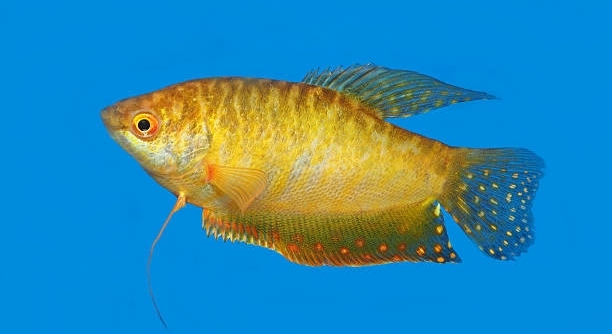
Have you ever noticed your gourami swimming past new food without any interest? It can be frustrating to see them ignore meals, especially when you are trying to provide a healthy and varied diet for your fish.
Gouramis may refuse new food for several reasons, including stress, illness, water conditions, or simply being cautious of unfamiliar items. Understanding these factors is essential to maintaining proper nutrition and ensuring the overall well-being of your fish.
Knowing the common causes of picky eating can help you address the issue and keep your gourami healthy and happy in its tank environment.
Stress and Its Effect on Feeding
Gouramis are sensitive fish, and stress can make them turn away from new food. Changes in water temperature, sudden loud noises, or overcrowding in the tank can all cause stress. Even small shifts in lighting or tank decorations can make a gourami hesitant to eat. Stress affects their metabolism and reduces appetite, which means they may swim past food without noticing it. Some gouramis are naturally shy, so introducing new food too quickly can overwhelm them. Taking steps to minimize stress, such as keeping a consistent feeding schedule and providing hiding spots, helps them feel secure. Observing their behavior closely can indicate if stress is affecting their appetite. Over time, creating a calm environment allows gouramis to adapt and be more willing to try new foods, supporting both their health and activity levels in the tank.
Stress can significantly reduce a gourami’s willingness to accept new foods, making environmental stability critical for proper feeding.
Keeping the tank quiet, stable, and predictable encourages gouramis to explore unfamiliar foods without fear or hesitation, gradually improving their diet variety.
Illness and Appetite Loss
Illness in gouramis can directly impact their feeding habits. Even minor health issues, like internal parasites or bacterial infections, can make them uninterested in new food. Reduced appetite is often one of the first signs something is wrong. Watching for changes in swimming patterns, coloration, or overall energy helps detect early problems. Gouramis that seem lethargic or hide more than usual may be avoiding food due to discomfort. Feeding small portions of familiar food can help monitor their intake while supporting their strength. If the refusal to eat continues, consulting a veterinarian experienced with fish ensures proper treatment. Maintaining clean water and a balanced diet reduces the chances of illness. Proper quarantine of new fish before introducing them to the tank also protects existing gouramis from disease.
Observing and addressing health issues early is essential for your gourami’s long-term feeding habits and overall well-being.
Illness can be subtle, so noticing even small changes in behavior is important. Offering a stress-free environment and easily digestible food supports recovery. Tank maintenance, like regular water changes and monitoring temperature, reduces disease risk. Promptly separating sick fish prevents spreading infection and allows focused care. With careful observation, most health issues can be managed, helping gouramis regain appetite. Combining proper nutrition, clean water, and consistent monitoring keeps your fish strong and more willing to try new food varieties, ensuring a healthy, active tank environment over time.
Water Quality and Its Impact
Poor water quality can make gouramis refuse new food. High ammonia, nitrite, or nitrate levels stress the fish, reducing appetite. Dirty tanks or sudden water changes may also make them hesitant to eat until conditions stabilize.
Maintaining clean water is essential for gourami health. Regular water testing, partial water changes, and proper filtration help keep parameters safe. Gouramis are sensitive to sudden shifts, so slowly adjusting water chemistry is better than abrupt changes. Clean tanks reduce stress and prevent illness, encouraging fish to explore and accept new food. Observing behavior during water changes helps identify if water quality is affecting feeding habits.
Even slight imbalances in pH or hardness can affect appetite. Ensuring a stable environment with proper filtration, regular monitoring, and routine maintenance encourages gouramis to eat consistently. Adding live plants or hiding spots can also make them feel secure, promoting willingness to try new foods. Gradual improvements in water conditions often restore interest in meals, supporting overall health and activity in the tank.
Food Preferences and Familiarity
Gouramis may refuse new food because they prefer what they know. Sudden introduction of unfamiliar items can cause hesitation.
Some gouramis are picky and need time to adjust to new diets. Slowly mixing small amounts of the new food with their regular meals helps them recognize it as safe. Offering a variety of textures and flavors increases the chance they will accept it over time. Observation is key, as some gouramis may need several attempts before trying new options. Feeding at consistent times also helps them develop routine eating habits, making new foods less intimidating.
Preference is influenced by early feeding experiences and natural instincts. Gouramis may favor live or frozen foods over dry options. Rotating different types of food gradually encourages acceptance without overwhelming them. Watching their reactions during feeding sessions provides clues on what they like or dislike. Patience and consistency are critical, as forcing food too quickly can increase stress and reduce appetite. Over time, introducing variety carefully helps gouramis develop a balanced diet and reduces selective eating habits, supporting long-term health.
Tank Mates and Competition
Aggressive or fast-eating tank mates can make gouramis avoid new food. They may feel intimidated or stressed during feeding, leading them to skip meals.
Providing separate feeding areas or slowing down other fish helps gouramis eat comfortably. Reducing competition encourages them to try unfamiliar foods without fear.
Temperature Fluctuations
Gouramis are sensitive to changes in water temperature. Sudden drops or spikes can reduce metabolism and appetite, making them uninterested in new food. Consistent tank temperature within their preferred range supports normal feeding behavior and overall health.
Lighting and Environment
Bright lights or frequent disturbances in the tank can make gouramis shy away from food. Dimmer, stable lighting helps them feel secure and more willing to eat.
Why is my gourami ignoring new food even though it looks healthy?
Gouramis can be cautious eaters. Even if the food is nutritious, sudden changes can make them hesitant. Stress, unfamiliar flavors, or textures may cause them to swim past it. Introducing new food slowly, mixing it with familiar meals, and observing their behavior can help them adjust without causing anxiety.
How long does it take for a gourami to accept new food?
It varies depending on the fish and its temperament. Some gouramis may try new food within a few days, while others may take weeks. Patience is key. Gradually mixing small amounts of the new food with their regular diet often encourages acceptance. Consistent feeding times also help them develop confidence.
Can poor water quality really make my gourami stop eating?
Yes, water quality has a direct effect on appetite. High ammonia, nitrite, or nitrate levels stress gouramis and reduce interest in food. Sudden water changes or improper filtration can also cause hesitation. Keeping the water clean and stable ensures the fish feel safe enough to eat.
Should I separate my gourami from other fish during feeding?
If you notice aggression or competition from tank mates, it can be helpful. Gouramis may avoid food if faster or more aggressive fish dominate feeding areas. Providing separate feeding zones or slowing down other fish reduces stress, allowing your gourami to eat without intimidation.
Does temperature affect my gourami’s willingness to eat?
Absolutely. Gouramis are sensitive to temperature fluctuations. Cold water slows metabolism, reducing appetite, while sudden spikes can cause stress. Keeping a consistent, appropriate temperature helps maintain normal feeding behavior and supports overall health. Using a reliable heater and thermometer ensures stability.
Can illness make a gourami refuse new food?
Yes. Even minor illnesses, such as bacterial infections or parasites, can reduce appetite. Lethargy, discoloration, or unusual swimming patterns often accompany refusal to eat. Offering familiar foods in small portions and monitoring their health closely helps detect issues early. Veterinary advice may be necessary for persistent problems.
Are gouramis naturally picky eaters?
Some gouramis have strong preferences. They may favor live or frozen foods over pellets or flakes. Gradually introducing new food types and varying textures helps them expand their diet. Patience and observation are essential to understand individual preferences and ensure nutritional balance.
How can I encourage my gourami to try new food?
Start by mixing small amounts of new food with their regular diet. Feed at consistent times, maintain clean water, and minimize disturbances during meals. Observing their response helps identify preferences, while gentle persistence and gradual introduction increase acceptance over time.
Does lighting in the tank influence feeding behavior?
Yes, bright lights or frequent disturbances can make gouramis shy or hesitant. Dim, stable lighting provides a sense of security. Creating a calm feeding environment helps them feel comfortable exploring and accepting unfamiliar food without stress.
Is it normal for gouramis to skip meals occasionally?
Yes, occasional skipped meals can happen, especially during adjustment periods or minor stress. However, consistent refusal or prolonged disinterest may indicate underlying issues, such as water quality, illness, or dietary preferences. Monitoring and adjusting the environment usually resolves these problems.
Can I use supplements to get my gourami to eat new food?
Supplements may help, but they are not a cure for underlying issues. They can make food more appealing but should be used alongside stable water conditions, proper temperature, and gradual food introduction. Observing behavior and adjusting feeding routines is more effective for long-term success.
How often should I introduce new foods to my gourami?
Introduce new foods gradually and one type at a time. Sudden changes can overwhelm them. Observing their reactions and adjusting quantities accordingly helps them adapt. Slowly rotating different foods over weeks encourages variety without causing stress or refusal.
What are the signs that my gourami has finally accepted new food?
Signs include actively approaching the food, eating without hesitation, and returning to the same type repeatedly. Increased energy, normal swimming patterns, and less hiding indicate comfort and acceptance. Monitoring these behaviors confirms the success of gradual food introduction.
Can stress from tank setup cause long-term feeding issues?
Yes, consistent stress from overcrowding, aggressive tank mates, or sudden environmental changes can lead to ongoing feeding problems. Creating hiding spots, maintaining clean water, and minimizing disturbances supports recovery and encourages normal eating behavior over time.
Is live food better for picky gouramis than pellets or flakes?
Live or frozen foods are often more enticing because of natural movement and scent. While pellets and flakes are convenient, mixing live food gradually with their regular diet helps picky gouramis accept other types and ensures balanced nutrition.
Can fasting help my gourami try new food?
Short fasting periods, one or two days, may encourage gouramis to eat unfamiliar food. Extended fasting is harmful, so it should be done carefully and only for motivation. Always monitor health and reintroduce familiar food afterward to maintain strength.
How do I know if my gourami prefers one type of food over another?
Observation is key. Watch which foods they approach first, eat eagerly, or return to repeatedly. Preferences can include live, frozen, or processed foods. Adjust feeding routines to include favored items while gradually introducing variety to ensure balanced nutrition.
What is the best way to mix new food with regular food?
Start with a small amount of new food blended with their regular meals. Gradually increase the ratio over days or weeks. Consistent timing and gentle observation help gouramis recognize the new food as safe and acceptable, reducing stress and improving intake.
How important is routine in encouraging a gourami to eat new food?
Very important. Gouramis respond well to consistent feeding times and stable environments. Routine reduces anxiety, making them more willing to explore and accept unfamiliar food. Predictable conditions also help monitor health and behavior effectively, supporting long-term feeding success.
Can changing tank decorations affect feeding habits?
Yes. Gouramis are sensitive to their environment. Rearranging plants or ornaments may increase stress, causing food refusal. Introduce changes gradually and maintain familiar hiding spots to preserve a sense of security, encouraging normal feeding behavior and reducing hesitation with new food.
How long should I observe my gourami before trying a new food again?
Wait several days to a week after initial introduction, especially if they refused. Patience prevents stress and allows them to explore new food at their own pace. Gradual repetition increases the likelihood of acceptance without forcing them.
Are there any signs that my gourami is too stressed to eat at all?
Signs include constant hiding, rapid gill movement, lethargy, or erratic swimming. Persistent refusal of food, even familiar types, indicates significant stress or illness. Addressing environmental factors, water quality, and health issues helps restore normal feeding habits safely.
Can mixing textures help gouramis accept new food?
Yes. Gouramis may prefer softer, firmer, or moving textures. Combining different textures with familiar foods gradually encourages acceptance. Observing reactions helps identify preferences and ensures variety without causing anxiety or refusal.
Should I adjust feeding times to introduce new food?
Feeding at consistent times creates predictability, reducing stress and making new food less intimidating. Gradually introducing new items during normal feeding routines increases familiarity and encourages gradual acceptance without forcing the fish.
How do I deal with a gourami that consistently refuses certain foods?
Patience and gradual introduction are key. Slowly mix small portions with favored foods, monitor behavior, and adjust the environment if necessary. Avoid forcing food, as it increases stress. Over time, careful, consistent efforts usually result in successful acceptance.
Is it normal for gouramis to go through picky phases?
Yes. Changes in age, environment, or health can temporarily affect appetite. Monitoring feeding behavior and maintaining stability helps guide them through these phases, encouraging acceptance of new foods over time.
Can live plants in the tank influence feeding?
Live plants provide hiding spots, reduce stress, and create a natural environment. A calmer fish is more likely to explore and accept new food. Plants also improve water quality, indirectly supporting appetite and overall health.
Does the size of the food affect acceptance?
Yes, gouramis may reject pieces that are too large or difficult to eat. Offering appropriately sized food or breaking it into smaller portions increases the likelihood of acceptance and reduces frustration during feeding.
Are there specific flavors gouramis prefer?
Some gouramis are attracted to meaty flavors or foods with natural scent. Observing their reactions helps identify favorites. Gradually introducing new flavors alongside preferred ones encourages acceptance and ensures a varied, balanced diet.
How important is patience in getting gouramis to eat new food?
Patience is essential. Rushing or forcing new food increases stress and reduces appetite. Slow, consistent introduction with observation and minimal disturbance allows gouramis to gradually accept unfamiliar items while maintaining health and confidence.
Can I use feeding tools to encourage new food consumption?
Using tweezers or feeding sticks allows precise placement, reducing competition and stress. This method encourages gouramis to try new food while minimizing intimidation from other tank mates. Gradual, gentle feeding improves acceptance without forcing the fish.
What should I do if my gourami still refuses new food after weeks?
Reassess water quality, tank conditions, and health. Ensure the food is appropriate in size and type. Slow, patient introduction with familiar food is crucial. Consulting a fish specialist may help identify underlying issues and provide targeted strategies for acceptance.
How do I maintain variety in my gourami’s diet without causing stress?
Rotate foods gradually, offering small amounts of new types mixed with favorites. Maintain consistent feeding times and stable tank conditions. Observe reactions and adjust as needed. Gradual changes allow gouramis to explore variety without stress, supporting balanced nutrition.
Can occasional fasting make gouramis more willing to try new foods?
Short, controlled fasting can motivate feeding, but extended periods are harmful. Limit fasting to a day or two, then reintroduce familiar food with small amounts of new items. Monitor closely to ensure health is not compromised.
Is it okay to combine live, frozen, and dry foods?
Yes, combining types increases variety and nutritional balance. Introduce each type gradually and observe reactions. Mixing textures and flavors encourages acceptance while reducing boredom, ensuring a well-rounded diet for picky gouramis.
How can I tell if my gourami’s refusal is temporary or serious?
Monitor behavior, energy, and appearance. Temporary refusal often accompanies minor stress or adjustment periods. Persistent refusal, lethargy, discoloration, or abnormal swimming indicates serious health or environmental issues that require intervention. Consistent observation is key to early detection and resolution.
Does feeding location in the tank matter?
Yes. Gouramis may avoid areas with strong currents, bright light, or aggressive neighbors. Placing food in calm, safe zones reduces stress and encourages exploration of new items. Multiple feeding spots can also help reduce competition.
How do I introduce food variety without causing rejection?
Start with small portions mixed with familiar food. Gradually increase the ratio over days or weeks. Maintain a calm environment and consistent feeding schedule. Observing responses allows adjustments to ensure acceptance while minimizing stress and improving diet diversity.
What role does consistency play in feeding new foods?
Consistency builds trust and reduces anxiety. Offering new food at regular times in a stable environment increases acceptance. Predictable routines help gouramis recognize food as safe, encouraging exploration and gradual adaptation to new items.
Can seasonal changes affect appetite and willingness to try new foods?
Yes. Gouramis may eat less during cooler months or periods of low activity. Adjusting feeding frequency, maintaining stable temperature, and offering preferred foods alongside new items helps manage appetite changes without causing stress or refusal.
Are there signs that a gourami prefers one feeding method over another?
Watch whether they respond better to hand-feeding, tweezers, sinking pellets, or floating foods. Preferences can influence willingness to try new items. Adjusting methods to suit their comfort improves acceptance and ensures adequate nutrition.
How often should I rotate food types for picky gouramis?
Rotate slowly, introducing one new type at a time. A week between changes allows adaptation. Gradual rotation encourages acceptance without overwhelming the fish and supports balanced nutrition while minimizing stress.
Is it okay to remove uneaten new food quickly?
Yes. Uneaten food can pollute the water and stress the gourami. Remove leftovers promptly, then try again in the next feeding session. This maintains water quality and reinforces safe eating habits.
Can the size of the tank affect feeding habits?
Smaller tanks with less hiding space may increase stress and reduce willingness to eat. Larger, well-planted tanks allow gouramis to feel secure, explore food at their own pace, and gradually accept new items without intimidation.
How do I know if my gourami has accepted a new food permanently?
Consistent consumption over multiple feeding sessions, active approach to the food, and normal energy levels indicate successful acceptance. Observing repeated interest confirms the fish has adapted to the new item as part of its regular diet.
Can using flavored or scented food help?
Yes, mild scents or natural flavors can entice cautious gouramis. Introduce gradually to avoid overwhelming them. Mixing with familiar food helps the fish associate the new flavor with safety, increasing the likelihood of acceptance.
Are there behavioral cues that indicate readiness to try new food?
Signs include curiosity, swimming near food without fear, and gentle nibbling. Observing these behaviors helps time introductions, ensuring gouramis are receptive rather than stressed, improving chances of successful feeding.
Should I change feeding strategies for older gouramis?
Older gouramis may become slower or more selective. Offering softer, smaller pieces and more frequent, calm feeding sessions encourages continued appetite and reduces refusal, supporting nutritional needs as they age.
Can stress from handling affect new food acceptance?
Yes. Frequent or rough handling can make gouramis wary and less willing to try new items. Minimizing disturbances and using gentle feeding methods encourages exploration and reduces hesitation during mealtimes.
Is it helpful to observe gouramis in groups or alone when introducing new food?
Observing alone can reduce competition stress, while group observation can show natural interactions. Depending on temperament, individual feeding sessions may improve acceptance, allowing gradual introduction without intimidation.
Can water flow in the tank influence willingness to eat new food?
Strong currents may make gouramis avoid certain areas. Placing food in calm spots allows safe exploration and encourages trying new items. Adjusting flow helps reduce stress and promotes consistent feeding behavior.
How can I make feeding a positive experience for a picky gourami?
Maintain clean water, stable temperature, and calm surroundings. Introduce new foods gradually, observe preferences, and use appropriate feeding methods. Consistency and patience create trust, encouraging acceptance and supporting long-term health.
What is the best approach if multiple gouramis refuse the same new food?
Check water quality, tank conditions, and food type. Introduce small amounts slowly, mix with familiar items, and observe responses. Consistent routines and minimizing stress increase the likelihood of group acceptance without forcing food.
How do I prevent picky eating from becoming a long-term issue?
Rotate foods gradually, maintain stable tank conditions, observe behavior, and address stressors or health problems promptly. Patience, consistency, and careful monitoring ensure gouramis remain willing to try new foods, supporting a balanced diet and healthy growth.
Can feeding schedules impact acceptance of new foods?
Yes. Predictable feeding times reduce anxiety and encourage exploration. Introducing new food during regular sessions helps gouramis associate it with safety and routine, increasing the likelihood of acceptance and consistent nutrition.
Is it necessary to provide hiding spots during feeding?
Yes. Hiding spots reduce stress, especially when trying new foods. Feeling secure allows gouramis to explore and accept unfamiliar items without intimidation, promoting confident and consistent eating habits.
How do I know when to introduce another new food?
Wait until the previous food is consistently accepted. Gradual progression prevents overwhelm, reduces stress, and helps gouramis adapt successfully to new items while maintaining a balanced diet.
Can seasonal tank adjustments affect willingness to eat new food?
Yes. Changes in temperature, light, or activity levels can influence appetite. Maintaining stability and gradually introducing new foods alongside preferred items supports feeding consistency during seasonal shifts.
Are some gouramis more adaptable to new food than others?
Yes, personality and early experiences affect adaptability. Observing individual behavior helps tailor introductions, ensuring gradual acceptance without stress, while supporting overall health and diet variety.
How do I deal with a gourami that only eats one type of food?
Slowly mix small amounts of new food with their favorite, monitor reactions, and gradually increase the ratio. Patience, observation, and environmental stability encourage acceptance and prevent long-term dietary limitations.
Can stress from water changes affect new food acceptance?
Yes. Sudden changes can reduce appetite. Gradual water adjustments, maintaining temperature, and minimizing disturbances help gouramis remain comfortable, improving willingness to try unfamiliar foods.
Is it normal for gouramis to eat less during breeding periods?
Yes, appetite may decrease. Maintaining calm conditions, providing familiar foods, and avoiding sudden changes help them stay nourished while supporting breeding behavior.
Can overfeeding familiar food reduce interest in new options?
Yes. If gouramis are too full from preferred food, they may ignore new items. Feeding appropriate portions encourages exploration of new foods and supports a balanced diet.
Are live plants necessary for encouraging new food acceptance?
Not necessary, but helpful. They reduce stress, provide hiding spots, and create a natural environment, making gouramis more willing to explore unfamiliar food items.
How long should I continue trying to introduce a new food?
Persist gradually for several weeks, mixing with familiar food and observing reactions. If refusal continues, reassess food type, tank conditions, or health factors before further attempts.
Can aromatics in food make gouramis try new items?
Mild, natural scents can entice hesitant gouramis. Mix with familiar food for gradual exposure, ensuring the fish associates the aroma with safety and increasing the chance of acceptance.
How do I maintain consistent feeding behavior during tank changes?
Introduce new items gradually, maintain water quality, and avoid sudden rearrangements. Consistency in timing, location, and environment helps gouramis stay confident and willing to eat new food without stress.
Can gouramis learn to accept food by watching others?
Yes. Observing tank mates eating can encourage hesitant gouramis. Social cues help them recognize safety and familiarity, increasing the likelihood of trying new foods while reducing stress and hesitation.
Is it okay to offer the same new food repeatedly if initially refused?
Yes, but gradually. Repeated exposure over time increases familiarity without overwhelming them. Mixing with preferred food helps acceptance while maintaining calm and minimizing stress.
Can feeding smaller portions improve acceptance of new food?
Yes. Smaller portions reduce intimidation, prevent overfeeding, and make it easier for gouramis to try unfamiliar items gradually. This approach encourages exploration and supports healthy, consistent eating habits.
How important is observation when introducing new food?
Observation is critical. Noticing reactions, stress signs, and feeding patterns allows adjustments to portions, placement, and timing, ensuring successful acceptance
Understanding why your gourami refuses new food is the first step in addressing the issue. Gouramis are sensitive fish, and many factors can influence their appetite. Stress, illness, water quality, and tank conditions all play a role in feeding behavior. Even small changes in the environment or routine can make a gourami hesitant to try unfamiliar foods. Observing their behavior closely helps identify what might be causing the refusal and allows you to make adjustments to support their health. Patience is essential, as forcing food or rushing the process can increase stress and make the problem worse.
Creating a calm and stable environment is one of the most effective ways to encourage a gourami to eat new food. Consistent water quality, temperature, and lighting all help reduce stress. Providing hiding spots or gentle areas for feeding can make them feel more secure, which encourages exploration of new food. Introducing unfamiliar items gradually, mixing them with foods they already accept, and maintaining a consistent feeding schedule makes the process smoother. Over time, these small changes can help a gourami feel confident enough to accept a wider variety of food, which supports their long-term nutrition and overall well-being.
It is also important to consider individual preferences and habits when feeding gouramis. Some fish may favor live or frozen foods, while others prefer flakes or pellets. Slowly rotating different types of food and observing their reactions helps you understand what works best. Health checks are also crucial, as illness or discomfort often reduces appetite. By monitoring behavior, adjusting feeding methods, and maintaining stable tank conditions, you can prevent picky eating from becoming a long-term problem. Taking these steps ensures that your gourami stays healthy, active, and willing to try new foods while making feeding time a low-stress and productive part of daily care.

Hello,
If you enjoy the content that we create, please consider saying a "Thank You!" by leaving a tip.
Every little bit helps us continue crafting quality advice that supports the health, happiness, and well-being of pets around the world, for pets of all shapes, sizes, and species.
We really appreciate the kindness and support that you show us!