
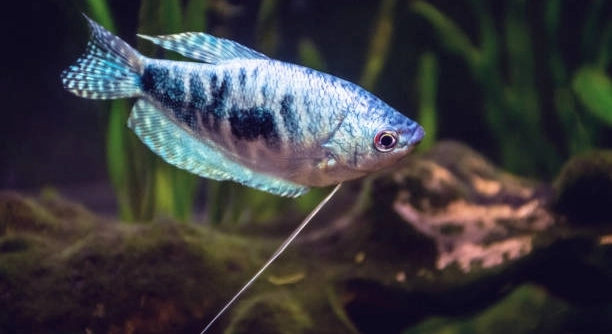
Keeping gouramis in home aquariums can be rewarding, but their natural territorial instincts can sometimes make them aggressive. Many hobbyists find it challenging to maintain harmony among fish, especially when introducing new tank mates or changes.
Aggression in gouramis often arises from limited space, incompatible tank mates, or insufficient hiding spots. Ensuring adequate tank size, providing structured territories, and offering environmental enrichment are proven strategies to reduce conflicts and promote calmer behavior among these ornamental fish species.
Implementing a few simple adjustments can greatly improve your gourami’s temperament and create a more peaceful aquarium environment for all inhabitants.
Provide Adequate Tank Space
Gouramis need enough room to swim freely and establish their own territories. A crowded tank increases stress and triggers aggressive behavior. Ideally, a single gourami should have at least 20 gallons of water, while multiple gouramis require even larger tanks. Adding plants, decorations, and hiding spots helps break sightlines, giving each fish a personal space. Territorial disputes often decrease when fish have defined areas to explore without constant confrontation. Open swimming areas combined with shaded corners create a balanced environment where gouramis feel secure.
Proper tank size alone does not guarantee harmony but is the first step toward calmer behavior.
Paying attention to spatial layout can significantly reduce aggression. Observing fish interactions over time allows you to adjust decorations or plants to better suit their territorial needs and comfort levels.
Maintain Compatible Tank Mates
Introducing compatible species is key to reducing fights. Aggressive or fast-moving fish can stress gouramis, prompting more confrontations. Choose peaceful, slow-moving tank mates that occupy different levels of the tank. Avoid species that nip fins or compete for the same hiding spots. Regularly monitor behavior after adding new fish to ensure harmony. Adjusting feeding areas and maintaining clear boundaries can also prevent stress-induced aggression. A well-planned community tank helps gouramis feel secure and minimizes the risk of injury or constant skirmishes.
Add Hiding Spots
Providing hiding places helps gouramis reduce stress and avoid conflicts. Plants, caves, and decorations give them areas to retreat when feeling threatened, which lowers aggressive behavior and allows shy fish to coexist peacefully.
Strategically placing tall plants, floating leaves, and small caves throughout the tank creates distinct territories. Gouramis often claim these areas as personal spaces, reducing direct confrontations. Live plants not only offer shelter but also improve water quality, supporting overall health. Hiding spots near feeding areas and near corners of the tank prevent dominant fish from monopolizing resources, allowing weaker or smaller gouramis to feel safe. Observing their preferred spots helps you rearrange decorations to maintain balance.
Hiding places also serve as resting areas, letting gouramis calm down after chasing or showing dominance. This setup encourages natural behaviors while reducing stress-induced aggression. Over time, fish learn boundaries, which leads to a more peaceful tank environment for all inhabitants.
Monitor Feeding Practices
Uneven feeding can spark fights among gouramis, especially if food is limited or scattered in one area.
Feeding smaller amounts multiple times a day reduces competition and ensures each fish gets its share. Using floating pellets or slow-sinking foods distributes feeding across the tank, preventing dominant gouramis from controlling all resources. Observing how fish interact during feeding times helps identify aggressive tendencies and allows for adjustments in feeding strategies. Avoid overfeeding, as leftover food can decay, affecting water quality and increasing stress.
Separating feeding zones or providing food in multiple locations is also helpful. Gouramis are less likely to chase each other when each fish has access to nearby food. Consistent schedules create predictability, which reduces anxiety and territorial disputes. Over time, proper feeding routines help maintain harmony while supporting their health and growth.
Maintain Proper Water Conditions
Stable water conditions are essential to prevent stress in gouramis. Sudden changes in temperature, pH, or ammonia levels can trigger aggression and illness. Regular testing and gradual adjustments keep the environment calm and predictable.
Consistent filtration, partial water changes, and monitoring help maintain healthy water parameters. A stress-free tank reduces territorial fights and promotes natural behavior.
Introduce Tank Decorations Thoughtfully
Arranging rocks, driftwood, and plants in layers creates natural barriers. Gouramis feel more secure with visual separation, reducing direct conflicts. Decorations can also serve as resting spots, breaking up open swimming areas and helping multiple fish coexist peacefully.
Limit Male-to-Male Interaction
Male gouramis are more likely to fight when housed together without adequate space. Keeping only one male per tank or providing plenty of territory can prevent constant aggression.
How can I tell if my gourami is stressed?
Signs of stress in gouramis include hiding more than usual, rapid gill movement, loss of appetite, and frequent chasing or nipping. Color fading or clamped fins can also indicate tension. Observing behavior consistently helps identify stress early so you can adjust the environment.
What is the best tank size for multiple gouramis?
For two or three gouramis, a minimum of 30 to 40 gallons is recommended. Larger tanks reduce competition and allow each fish to claim its own territory. Providing open swimming areas alongside plants and decorations supports a balanced environment, lowering chances of aggression.
Can tank decorations really reduce fights?
Yes. Rocks, plants, and driftwood create barriers that break sightlines and establish personal spaces. Gouramis are territorial, and visual separation prevents constant confrontations. Floating plants and caves give hiding spots where weaker or shy fish can retreat without being chased, creating a calmer tank atmosphere.
Should I separate aggressive gouramis?
If fights persist despite adjustments, separating the aggressive fish may be necessary. Temporary isolation in a quarantine or separate tank allows them to calm down. After a few days, reintroducing them carefully with plenty of hiding spots can reduce ongoing disputes and protect other fish from injury.
How often should I feed my gouramis to prevent aggression?
Feeding smaller amounts two to three times a day is ideal. Scattering food in different areas of the tank ensures all fish get enough without competition. Overfeeding or crowding in one spot can trigger chasing and dominance behavior, while consistent feeding routines maintain harmony.
Do water changes affect aggression?
Yes, poor water quality increases stress and can make gouramis more aggressive. Regular partial water changes, proper filtration, and monitoring pH and temperature help maintain a stable environment. Stress-free fish are calmer and less likely to engage in territorial fights or chasing.
Is it necessary to limit male gouramis together?
Male gouramis are naturally territorial and often fight if housed together in small spaces. Keeping only one male per tank or ensuring large, well-decorated tanks reduces aggression. Multiple males may coexist if territories are clearly separated with plants and decorations, but constant observation is needed.
Can compatible tank mates influence behavior?
Absolutely. Peaceful, slow-moving species reduce stress, while fast or aggressive fish increase tension. Avoid fin-nipping species and those that compete for the same hiding spots. Well-chosen tank mates allow gouramis to feel secure, lowering incidents of chasing, bullying, or dominance displays.
Do floating plants help reduce aggression?
Floating plants are very effective. They provide shaded areas, break sightlines, and give shy fish places to hide. Gouramis naturally use the top layer of the tank, and floating plants offer comfort, reducing stress and decreasing aggressive behaviors over time.
What else can I do to keep gouramis calm?
Observe their behavior daily and adjust the tank layout when needed. Ensure proper feeding, adequate space, and stable water conditions. Providing a mix of open swimming areas and hiding spots encourages natural behavior. Small, consistent adjustments prevent stress and promote a peaceful, harmonious tank environment for all fish.
Managing gourami aggression is largely about creating a calm and structured environment. These fish are naturally territorial, and without enough space or clear boundaries, conflicts can become frequent. Providing a tank that is appropriately sized for the number of gouramis is essential. Open swimming areas combined with plants, caves, and decorations give each fish its own territory. When gouramis feel they have personal space, they are less likely to chase or attack one another. Observing their behavior and adjusting the layout of the tank helps maintain balance, allowing dominant fish and shy ones to coexist more peacefully.
Feeding routines play a major role in reducing aggression. Unequal access to food often sparks fights, especially among gouramis with strong territorial instincts. Feeding smaller amounts multiple times a day and scattering food in different locations prevents competition and ensures that each fish gets enough to eat. Overfeeding or leaving leftover food can harm water quality, which indirectly increases stress and aggressive behavior. Keeping a consistent feeding schedule and monitoring how the fish interact during mealtime allows for timely adjustments, such as adding extra hiding spots near feeding areas or separating particularly dominant individuals.
Water conditions and tank mates also influence gourami behavior. Stress from sudden changes in temperature, pH, or ammonia levels can make even normally calm gouramis aggressive. Regular water testing, partial water changes, and stable filtration create a healthier environment and reduce tension. Choosing compatible tank mates is equally important; peaceful, slow-moving species that occupy different areas of the tank reduce stress and limit competition. Providing floating plants or shaded areas adds extra security, giving fish places to retreat when needed. By combining proper tank size, thoughtful feeding, careful selection of tank mates, and stable water conditions, gouramis can live in a calmer, more harmonious environment.

Hello,
If you enjoy the content that we create, please consider saying a "Thank You!" by leaving a tip.
Every little bit helps us continue crafting quality advice that supports the health, happiness, and well-being of pets around the world, for pets of all shapes, sizes, and species.
We really appreciate the kindness and support that you show us!