
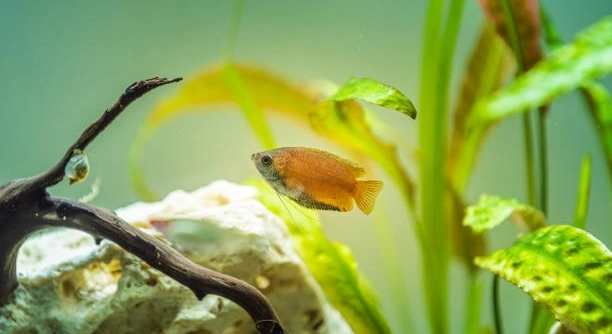
Is your gourami spending more time than usual staring out of the tank? This behavior can be puzzling and a little concerning for fish owners who are used to seeing their pets swim actively around their environment.
Gouramis often stare at their surroundings due to stress, curiosity, or environmental factors. Poor water quality, inadequate tank conditions, or the absence of proper stimulation can lead to this behavior, signaling that adjustments may be necessary for the fish’s well-being.
Observing these signs can reveal important insights about your fish’s health and environment. Taking small steps to improve tank conditions can make a noticeable difference in their behavior.
Common Reasons Gouramis Stare Out of the Tank
Gouramis may stare out of the tank for several reasons, mostly linked to their environment or physical health. One major factor is stress caused by overcrowding, sudden changes in water temperature, or aggressive tank mates. Poor water quality can also affect their behavior, making them appear fixated or inactive. Sometimes, these fish are simply curious about movements outside the tank. Lighting and decorations play a role as well; gouramis feel more secure with hiding spots, plants, or decorations that break up open areas. Without these, they might focus on the outside, seeking stimulation or safety. Even routine activities like feeding or cleaning can trigger this behavior temporarily, as the fish notices activity around the tank. Observing the context of their staring helps determine if it’s harmless curiosity or a sign of discomfort. Consistently monitoring water parameters and tank conditions is essential for their well-being.
Adjusting the tank environment often reduces this staring behavior and promotes natural activity in gouramis.
Providing proper plants, hiding spots, and consistent water conditions ensures that gouramis feel secure and engaged, limiting stress-related staring behaviors over time.
Health and Behavioral Indicators
Staring can indicate underlying health or stress issues that need attention.
Gouramis may show this behavior when ill, malnourished, or dealing with parasites. Their posture, coloration, and activity level often accompany staring, helping owners detect potential problems. Observing these signs early allows for timely interventions.
Physical health is closely tied to behavior in gouramis. Changes in appetite, unusual swimming patterns, or clamped fins alongside staring can signal infections or poor nutrition. Common ailments include parasitic infestations, bacterial infections, or internal organ issues, all of which require careful observation and sometimes professional care. Additionally, stress from water conditions, such as high ammonia or low oxygen, can cause prolonged staring and inactivity. Adjusting water parameters gradually, providing a balanced diet, and maintaining a clean tank helps prevent many of these issues. Behavioral enrichment, such as rearranging decorations or adding compatible tank mates, can stimulate curiosity and reduce repetitive staring. Consistent monitoring, combined with attention to diet, water quality, and environmental enrichment, ensures gouramis remain healthy, active, and stress-free, minimizing staring tendencies over time.
Environmental Triggers
Changes in tank setup can make gouramis stare more often. Sudden rearrangement of decorations, new plants, or relocation of the tank can cause stress and heightened alertness, leading to prolonged staring.
Gouramis are sensitive to their surroundings. They rely on familiar landmarks and hiding spots for security. When these are moved or removed, the fish may focus on the outside of the tank, trying to assess safety. Lighting also plays a role—bright or inconsistent light can make them anxious. Noise and vibrations near the tank contribute as well, making the fish more vigilant. Keeping a consistent, calm environment with stable decorations and lighting reduces this behavior, helping gouramis feel more secure.
Water flow and filtration can also affect staring patterns. Strong currents or inadequate filtration may cause discomfort, prompting the fish to stay in one spot. Gentle adjustments to flow and placement of equipment help maintain a peaceful environment, encouraging natural swimming and reducing fixation. Observing how these factors interact allows for simple improvements that improve overall fish well-being.
Feeding and Interaction Patterns
Gouramis often stare when anticipating food or observing nearby activity. This behavior is linked to conditioning and environmental cues.
Regular feeding schedules condition gouramis to expect food at certain times. When they notice movement or shadows near the tank, they may fixate on it, anticipating a meal. Interactions such as hand movements, tapping, or walking nearby can reinforce this behavior. Overfeeding or inconsistent feeding may increase stress and staring, as the fish becomes unsure when the next meal will arrive. Moderate, consistent feeding supports healthy behavior patterns.
Interactive observation can enhance engagement but requires balance. Gouramis benefit from visual stimuli like movement outside the tank, but excessive interaction may cause stress. Alternating focus between feeding times and environmental enrichment, such as floating plants or gentle tank rearrangement, keeps the fish mentally stimulated. Attention to water quality and consistent feeding routines ensures the fish’s health and reduces repetitive staring, fostering a calmer and more responsive aquatic environment.
Tank Size and Space
Gouramis may stare more in tanks that are too small or overcrowded. Limited swimming space can make them focus on the edges, seeking comfort or escape.
Providing adequate room is essential. A cramped environment increases stress and reduces natural activity, causing prolonged staring and lethargy.
Lighting and Visibility
Bright lights or direct sunlight can trigger staring behavior. Gouramis prefer moderate, consistent lighting that mimics natural conditions. Adjusting light levels helps reduce stress and encourages normal swimming patterns.
Companionship and Social Behavior
Gouramis are social but territorial. Staring can occur when they are observing tank mates or defending perceived territory. Proper tank stocking and compatible species reduce conflict and excessive staring.
Signs of Illness
If staring is combined with dull coloration or lethargy, it may indicate health problems. Prompt attention to water quality and diet is necessary.
FAQ
Why is my gourami staring at me constantly?
Gouramis often stare at movement outside the tank, especially if they associate it with food or activity. This behavior is usually harmless and linked to curiosity or anticipation. Regular feeding schedules and consistent tank surroundings help reduce prolonged staring.
Can staring indicate stress in my gourami?
Yes. Staring can be a sign of stress caused by poor water quality, overcrowding, aggressive tank mates, or sudden changes in the tank. Observing other behaviors, such as hiding, clamped fins, or erratic swimming, can help determine if stress is present.
Could staring mean my fish is sick?
Prolonged staring combined with lethargy, loss of appetite, faded colors, or unusual swimming patterns can indicate illness. Common issues include bacterial infections, parasites, or organ problems. Regular water testing and observation of symptoms are important for early intervention.
Does tank placement affect staring behavior?
Yes. Tanks placed near high traffic areas, bright lights, or loud noises can increase staring. Gouramis prefer a calm, stable environment with moderate lighting. Reducing disturbances and providing hiding spots helps them feel secure.
How can I reduce staring caused by environmental factors?
Ensure proper tank size, consistent decorations, and adequate plants or hiding spots. Stable water temperature, gentle filtration, and minimal vibrations reduce stress and encourage normal activity. Gradually adjusting tank layout rather than making sudden changes also helps.
Does feeding routine influence staring?
Yes. Gouramis learn to associate external movements with feeding. Inconsistent feeding times can cause increased anticipation and staring. Maintaining regular, moderate feeding supports calm behavior and reduces fixations.
Will tank mates affect staring behavior?
Tank mates influence gourami behavior. Aggressive or overly active species can increase stress, leading to staring. Choosing compatible companions and giving sufficient space helps reduce territorial tension and promotes natural interactions.
Can lighting changes cause staring?
Bright or fluctuating lighting can make gouramis anxious and more prone to staring at the tank edges. Using dimmed or natural light conditions and providing shaded areas helps them feel secure and reduces this behavior.
Is staring at reflections normal?
Gouramis sometimes stare at their reflection, mistaking it for another fish. This is common in tanks with glass walls and bright light. Adding plants, decorations, or background screens can reduce reflection-induced staring.
Should I be concerned if staring increases suddenly?
A sudden increase in staring may indicate stress, illness, or environmental changes. Check water parameters, tank conditions, and observe for any additional unusual behaviors. Timely adjustments and monitoring usually resolve the issue.
Do all gourami species stare in the same way?
Behavior varies slightly by species. Some gouramis are naturally more curious or territorial, which may result in longer staring periods. Understanding your species’ specific needs helps in providing an environment that minimizes excessive staring.
Can enrichment help reduce staring?
Yes. Adding plants, decorations, and interactive elements provides mental stimulation. Rearranging the tank periodically and ensuring varied textures and hiding spots encourages exploration and natural behaviors.
Is staring more common in younger or older gouramis?
Younger gouramis tend to explore more, sometimes resulting in brief staring. Older or stressed fish may stare longer due to reduced mobility or sensitivity to their environment. Adjusting care according to age and health is important.
How long is staring considered normal?
Short periods of staring during feeding times or environmental observation are normal. Continuous staring for hours, especially with other stress signs, indicates potential issues that need attention.
Can diet affect staring behavior?
A poor diet can lead to lethargy and stress, increasing staring. Providing a balanced diet with variety ensures energy levels, reduces stress, and promotes active behavior in gouramis.
What immediate steps should I take if staring is excessive?
Check water quality, ensure proper temperature, verify tank mates are compatible, and provide hiding spots. Monitor the fish for signs of illness and adjust feeding routines. Gradual changes often resolve excessive staring.
Does tank size alone influence staring?
Yes. Small or overcrowded tanks restrict movement and increase anxiety. Providing adequate space for swimming and exploration encourages activity and reduces focus on the tank edges.
Are there behavioral signs that indicate staring is harmless?
If the fish remains active, eats well, and shows normal coloration alongside staring, it is likely harmless curiosity or anticipation. Observing context and frequency helps distinguish normal behavior from stress or illness.
Can water flow and filtration impact staring?
Strong currents or improper filtration can make gouramis uncomfortable, causing them to remain in one area staring. Adjusting flow to a gentle setting and placing equipment strategically encourages natural movement and reduces fixation.
Is it normal for gouramis to stare at new objects?
Yes. Gouramis are curious by nature. New plants, decorations, or objects can attract attention. Gradual introductions help prevent prolonged staring and reduce stress associated with unfamiliar items.
Do reflections from room lighting make staring worse?
Reflections can confuse gouramis, making them fixate on perceived intruders. Using a solid background or arranging the tank away from bright lights limits reflection-induced staring.
How do I know if staring is related to territory?
If the fish fixates on specific areas or tank mates while showing flared fins or aggressive postures, it is likely territorial. Providing space and compatible companions reduces territorial staring and stress.
Can enrichment alone prevent staring?
Enrichment helps but must be combined with proper water quality, tank size, and care. Plants, hiding spots, and varied textures stimulate curiosity, reduce stress, and encourage normal activity.
What role does water temperature play in staring?
Fluctuating or inappropriate temperatures increase stress and inactivity, leading to prolonged staring. Maintaining a stable, species-appropriate temperature supports healthy behavior and reduces environmental stressors.
Is staring always linked to stress or illness?
Not always. Gouramis may stare out of curiosity, anticipation, or observing movement. Context, frequency, and accompanying behaviors determine whether intervention is necessary.
How can I monitor staring without disturbing the fish?
Observe from a distance during routine activity. Note patterns, frequency, and duration of staring alongside swimming behavior and feeding. Consistent observation helps identify potential environmental or health issues without causing additional stress.
Does tank cleanliness influence staring?
Yes. Dirty tanks or high ammonia levels increase stress and lead to prolonged staring. Regular water changes and monitoring maintain a healthy environment, reducing abnormal behavior and promoting natural activity.
Are there behavioral cues indicating improvement after adjustments?
Increased swimming, normal feeding, and reduced fixation on tank edges suggest that environmental adjustments are effective. Continuous monitoring confirms that the fish is adapting positively to changes.
How quickly do gouramis respond to changes in environment?
Response time varies by individual. Some adjust within hours, while others may take days to show improvement. Consistency in care and gradual modifications support faster adaptation and reduce prolonged staring.
Can social interaction with humans affect staring?
Yes. Gouramis often associate human presence with food or stimulation. Gentle, consistent observation can satisfy curiosity, but excessive movement or tapping may increase stress and staring.
Is staring more common during certain times of day?
Gouramis may stare more during feeding times or when the tank environment is quieter, making external movement more noticeable. Observing natural patterns helps distinguish normal behavior from stress indicators.
Should I consult a vet if staring persists?
If staring continues alongside lethargy, poor appetite, or physical changes, consulting an aquatic veterinarian is recommended. Early intervention ensures health issues are addressed promptly and effectively.
Does tank decoration density impact staring?
Sparse tanks increase staring, as fish have fewer visual barriers and hiding spots. Dense, well-arranged decorations encourage exploration, reduce stress, and limit prolonged fixation.
Can staring be a normal learning behavior?
Yes. Gouramis explore their environment to understand spatial boundaries, tank mates, and feeding routines. This behavior is part of natural curiosity and adaptation.
How does age affect staring frequency?
Younger gouramis explore more, while older fish may stare longer due to reduced mobility or sensitivity to environmental changes. Adjusting care for age and activity level supports healthy behavior.
Are there long-term effects of excessive staring?
Prolonged stress from staring can lead to weakened immunity, poor growth, or increased susceptibility to disease. Addressing environmental and health factors early prevents negative long-term outcomes.
Is staring linked to breeding behavior?
During breeding, male gouramis may focus on territory or potential mates, resulting in more staring. Providing adequate space and hiding areas helps manage territorial behavior and reduces stress.
How can I differentiate curiosity from stress-related staring?
Curiosity is usually short-term and occurs during feeding or interaction. Stress-related staring is prolonged, combined with other behaviors like hiding, clamped fins, or unusual swimming. Context and consistency of observation help identify the cause.
Do reflections or other visual stimuli matter for staring?
Yes. Reflections, shadows, or movement outside the tank can trigger staring. Adjusting tank placement, background, and lighting helps reduce unnecessary fixation.
What immediate environmental changes help reduce staring?
Stabilizing water parameters, adding hiding spots, maintaining proper lighting, and minimizing vibrations or sudden movements can quickly reduce staring and improve overall fish comfort.
Can diet adjustments reduce staring?
Balanced, varied nutrition supports energy levels and natural behavior. Malnutrition can increase lethargy and stress, causing the fish to fixate on the tank edges more frequently.
How important is observation in managing staring behavior?
Regular, calm observation helps identify patterns, environmental triggers, or health issues. It allows for timely interventions and ensures gouramis remain healthy, active, and stress-free.
Does staring indicate boredom?
Yes, in some cases. Limited stimulation, sparse tanks, or lack of enrichment can cause gouramis to stare out of curiosity or restlessness. Adding plants, decorations, and interactive elements encourages engagement and reduces boredom.
Are there differences between male and female gouramis in staring behavior?
Males may exhibit more territorial staring, especially during breeding, while females tend to stare due to curiosity or environmental changes. Recognizing these differences helps provide species-appropriate care.
How often should I monitor staring behavior?
Daily observation during feeding and active hours provides insight into patterns, health, and environmental needs. Recording behavior trends helps detect early signs of stress or illness.
Can sudden tank changes trigger staring?
Yes. Rearranging decorations, introducing new plants, or moving the tank can cause temporary staring. Gradual introductions minimize stress and promote natural exploration.
Is staring linked to sleep or rest periods?
Gouramis rest during low activity periods but may remain alert. Staring during these times can indicate mild curiosity rather than stress. Monitoring overall activity helps differentiate normal rest from problematic behavior.
How do I combine environmental and behavioral strategies to reduce staring?
Maintaining stable water parameters, adequate tank size, compatible tank mates, consistent feeding, and environmental enrichment collectively reduce staring and promote healthy, active behavior in gouramis.
Are there any signs that staring is improving?
Increased swimming, normal feeding, bright coloration, and reduced fixation indicate that environmental adjustments, enrichment, and care improvements are effective. Consistent monitoring ensures continued progress.
What is the role of water quality in staring behavior?
High ammonia, nitrite, or nitrate levels increase stress, causing prolonged staring. Regular testing and water changes maintain a healthy environment, reducing abnormal behaviors.
Can occasional staring be ignored?
Yes. Short-term staring linked to curiosity, feeding anticipation, or environmental observation is normal and harmless, especially when accompanied by normal activity and appetite.
How do I create a stress-free environment for my gourami?
Stable water parameters, adequate space, hiding spots, moderate lighting, compatible tank mates, and consistent feeding create a calm environment, minimizing stress-related staring and encouraging natural behavior.
Can tank cover or background affect staring?
Yes. Solid backgrounds reduce reflections and distractions, while covers provide security. These adjustments help gouramis feel safe and reduce unnecessary staring.
Are there common mistakes that increase staring?
Overcrowding, inconsistent feeding, sudden tank changes, poor water quality, and excessive reflections or bright lights often increase staring. Addressing these factors prevents prolonged fixation and promotes healthy behavior.
Is staring ever a permanent behavior?
Usually not. With proper environmental adjustments, feeding routines, enrichment, and monitoring, staring decreases. Persistent staring is often linked to ongoing stress, illness, or insufficient stimulation.
Does tank maintenance affect staring behavior?
Yes. Regular cleaning, water changes, and stable filtration reduce stress and abnormal staring. Neglecting maintenance increases environmental stress, leading to prolonged fixation.
Can I use enrichment toys for gouramis?
Simple elements like floating plants, gentle water flow variations, and visual barriers provide stimulation. These reduce boredom and excessive staring while encouraging natural behavior.
Are there signs that staring is related to aggression?
Aggressive staring is often accompanied by flared fins, chasing, or territorial displays. Identifying these signs helps in adjusting tank mates or territory to reduce stress.
How long does it take for behavior to improve after changes?
Improvements may be seen within hours to a few days, depending on the fish’s temperament and the extent of environmental adjustments. Consistency ensures lasting results.
Can staring indicate reproductive behavior?
Yes. Males may focus on territory or females during breeding. Providing space and hiding spots helps manage territorial focus without causing stress.
How do I differentiate between curiosity, stress, and illness?
Curiosity is short-term and situational. Stress shows additional signs like clamped fins, hiding, or erratic swimming. Illness presents with lethargy, color changes, or loss of appetite. Context and observation clarify the cause.
What daily practices reduce staring?
Consistent feeding, proper lighting, enriched environment, monitoring water quality, and observing behavior daily help maintain healthy, active, and stress-free gouramis.
Does tank shape matter?
Elongated tanks allow more swimming space and reduce staring at corners, while small or shallow tanks increase edge fixation. Proper tank dimensions support natural behavior.
How do I manage staring if my tank is small?
Maximize hiding spots, decorations, and vertical space. Minimize disturbances outside the tank and maintain excellent water quality to reduce stress-related staring.
Are there seasonal changes affecting staring?
Temperature fluctuations or changes in daylight can influence activity levels. Maintaining stable conditions helps minimize staring linked to seasonal changes.
Can staring indicate sensory issues?
Occasionally, eye infections or vision problems may make gouramis stare longer. Observing for cloudiness, swelling, or unusual eye movements helps detect sensory problems early.
What is the role of observation distance?
Watching from a distance reduces stress and provides accurate insight into natural behavior, helping distinguish normal curiosity from stress-related staring.
Does frequent tank cleaning affect staring?
Overly frequent or abrupt cleaning can disturb the fish, leading to temporary staring. Gradual, gentle maintenance minimizes stress and maintains comfort.
Can reflections from other tanks increase staring?
Yes. Visible reflections or movements in neighboring tanks may confuse gouramis and trigger staring. Strategic tank placement reduces this behavior.
How important is consistency in care?
Consistency in feeding, lighting, and environmental conditions reduces stress, encourages natural activity, and minimizes staring, creating a stable and healthy habitat.
Are there personality differences in staring?
Individual gouramis vary. Some are naturally more curious or territorial, affecting staring frequency. Recognizing these traits helps tailor care and enrichment strategies.
Does staring interfere with feeding?
Usually not, but excessive staring due to stress or illness may reduce appetite. Observing feeding response helps assess health and environmental comfort.
Can staring indicate anxiety?
Yes. Stressful conditions, overcrowding, or aggressive tank mates can cause anxiety, resulting in prolonged staring and other stress-related behaviors.
How can I track staring patterns?
Documenting frequency, duration, and context over days or weeks helps identify triggers and informs adjustments to tank conditions and care routines.
Are there long-term monitoring tips?
Regular observation, maintaining water quality, consistent feeding, enrichment, and noting behavioral changes ensures gouramis remain healthy, active, and stress-free, minimizing staring over time.
Can staring ever be ignored entirely?
Occasional, short-term staring linked to curiosity or feeding anticipation can be ignored. Persistent staring with other stress or illness signs requires attention.
How do I combine all strategies effectively?
Balanced care includes stable water parameters, proper tank size, enrichment, compatible tank mates, consistent feeding, and calm observation. This holistic approach addresses staring and promotes overall health.
Is staring more common in community tanks?
Yes, especially if tank mates are aggressive, fast-moving, or territorial. Proper selection and spacing of companions reduce staring and stress.
Does water hardness or pH influence staring?
Extreme or fluctuating levels can stress gouramis, resulting in staring. Maintaining species-appropriate water chemistry supports healthy behavior.
Are there behavioral cues to watch alongside staring?
Activity level, coloration, appetite, fin posture, and interaction with tank mates provide context to determine if staring is harmless or stress-related.
Can staring be a sign of boredom in a well-maintained tank?
Yes. Even healthy tanks can lack stimulation. Adding enrichment like plants, hiding spots, and gentle movement encourages exploration and reduces staring.
How important is gradual change in tank environment?
Sudden changes trigger stress and staring. Gradual modifications allow gouramis to adapt, maintaining comfort and promoting normal behavior.
Does feeding method affect staring?
Hand-feeding or floating foods may increase anticipation, causing staring. Using consistent feeding methods and locations helps moderate this behavior.
Can staring indicate temperature shock?
Yes. Rapid temperature changes can stress gouramis, causing them to remain motionless or fixated. Gradual adjustments prevent shock and reduce staring.
Is staring more frequent during tank cleaning?
Yes. Movement outside the tank during maintenance can draw attention. Minimizing disturbance and performing gentle cleaning reduces stress-induced staring.
Do gouramis stare more in new tanks?
Yes. New environments trigger curiosity and cautious observation. Providing familiar hiding spots and gradually adding decorations helps them settle.
Can staring indicate dominance behavior?
Males may stare at rivals to assert territory. Observing body posture and interactions helps differentiate normal territorial behavior from stress.
Does water clarity affect staring?
Murky water may reduce staring by limiting visibility, but poor water quality also causes stress. Clear, clean water ensures healthy behavior and reduces unnecessary fixation.
Can staring be influenced by external shadows or movement?
Yes. Shadows from people, pets, or objects outside the tank attract attention. Reducing sudden external movement helps maintain calm behavior.
Are there seasonal lighting adjustments to consider?
Mimicking natural light cycles with gradual transitions supports normal activity. Sudden changes may increase staring and stress in gouramis.
Do older gouramis stare differently than younger ones?
Older fish may stare longer due to reduced activity or sensitivity. Adjusting environmental enrichment and providing calm surroundings accommodates age-related behavior changes.
**Can staring
Gouramis staring out of their tank can be surprising, but this behavior is often linked to natural curiosity, environmental factors, or stress. Observing your fish over time helps identify whether staring is harmless or a sign that something needs attention. Many instances of staring are simply your fish reacting to movement, light changes, or new objects in the room. They may also focus on areas of the tank where they feel safest or most comfortable. In most cases, this behavior is normal, and providing a stable environment helps reduce excessive staring. Understanding the patterns and context of their behavior allows you to respond appropriately without overreacting.
Environmental conditions play a significant role in how your gourami behaves. Factors such as water quality, tank size, decorations, hiding spots, and lighting can all influence staring behavior. Maintaining proper water parameters and ensuring adequate space for swimming reduces stress and encourages natural activity. Adding plants, decorations, and visual barriers can provide security and enrichment, which keeps the fish engaged and less focused on the outside of the tank. Consistency in feeding schedules and minimizing sudden disturbances also help the fish feel more secure. Small adjustments, like rearranging decorations gradually or controlling light exposure, can have a noticeable impact on reducing staring and promoting healthy behavior.
Health is another important consideration when evaluating staring. Prolonged staring accompanied by lethargy, loss of appetite, or faded coloration may indicate stress, illness, or nutrient deficiencies. Monitoring your gourami for these additional signs allows for early intervention and treatment if necessary. Regular observation, combined with proper tank maintenance and care, ensures your fish stays healthy and active. Enrichment, proper diet, and consistent tank conditions contribute to overall well-being and can reduce unwanted behaviors. Paying close attention to your gourami’s behavior, environment, and health helps create a comfortable and safe habitat, where your fish can thrive without unnecessary stress or prolonged staring.

Hello,
If you enjoy the content that we create, please consider saying a "Thank You!" by leaving a tip.
Every little bit helps us continue crafting quality advice that supports the health, happiness, and well-being of pets around the world, for pets of all shapes, sizes, and species.
We really appreciate the kindness and support that you show us!