
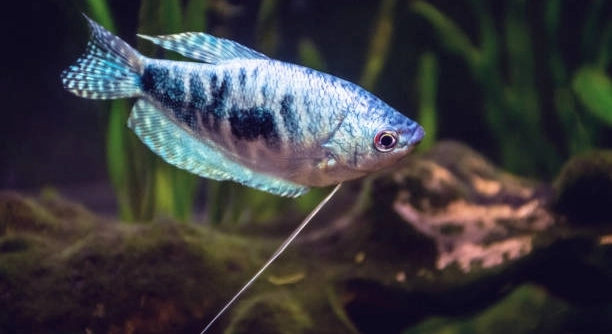
Gouramis are sensitive fish that can react strongly to sudden changes in their environment. Flinching or darting around is often their way of showing stress or discomfort. Observing these behaviors early helps maintain a healthy aquarium.
The primary cause of a gourami constantly flinching is environmental stress. Factors such as poor water quality, sudden temperature changes, overcrowding, or aggressive tank mates can trigger this behavior. Correcting these conditions usually reduces flinching and improves overall health.
Recognizing the signs of stress and understanding their causes is crucial. Small adjustments in care can make a significant difference in your gourami’s comfort and behavior.
Common Causes of Flinching in Gouramis
Gouramis often flinch when their environment is not quite right. Water quality is the most frequent factor, as high ammonia, nitrite, or nitrate levels can cause stress. Sudden temperature changes also make them uneasy, even if the change is only a few degrees. Tank decorations and plants play a role too; empty or poorly arranged spaces can make gouramis feel exposed. Overcrowding adds another layer of stress, as gouramis prefer territories and personal space. Aggressive tank mates, especially fin-nipping species, can trigger constant flinching. Even lighting can affect their behavior; too bright or too dim can lead to nervous movements. Understanding these conditions and adjusting the aquarium setup gradually helps calm the fish. Regular observation ensures you notice subtle signs of discomfort early. A well-maintained and thoughtfully arranged tank reduces stress and encourages natural, calm behavior, improving both their health and appearance.
Water changes, proper tank setup, and monitoring fish interactions are key to reducing stress.
A stable and clean environment allows gouramis to feel secure. Providing hiding spots like plants and caves gives them shelter and reduces flinching. Monitoring temperature, water quality, and the behavior of other fish helps maintain balance. Gradually introducing changes prevents sudden stress, and keeping a consistent routine supports calm behavior. Regular feeding at set times also helps, as it reduces unpredictability that can make gouramis nervous. Over time, a careful combination of environment management and attention to tank dynamics encourages healthier, more relaxed fish. Observing their reactions to small adjustments teaches you what works best, ensuring they thrive in a comfortable, low-stress habitat.
Adjusting the Aquarium for a Calm Gourami
Proper tank design and layout are essential for a calm gourami.
Arranging plants, rocks, and hiding spots thoughtfully creates a secure environment. Gouramis need space to establish their own areas, so avoid overcrowding. Live plants not only provide shelter but also improve water quality by reducing nitrate levels. Using gentle filtration and maintaining steady water flow prevents sudden currents that can startle fish. Consistent lighting cycles also help, as abrupt light changes may cause flinching.
Gradual adjustments and monitoring are crucial for long-term success. Begin by checking water parameters and ensuring the temperature, pH, and hardness are within acceptable ranges. Remove aggressive tank mates or provide visual barriers to reduce stress. Introduce new decorations slowly to prevent sudden changes in territory. Regular partial water changes improve overall water quality without shocking the fish. Keep feeding consistent, offering small, balanced portions to prevent overfeeding and maintain healthy water chemistry. By observing your gourami’s reactions and adjusting conditions as needed, you create a safe, stable habitat that encourages calm, natural behavior and reduces flinching over time.
Feeding and Nutrition Adjustments
Proper nutrition reduces stress in gouramis. Feeding high-quality pellets or flakes designed for gouramis helps maintain health. Include occasional live or frozen foods to encourage natural foraging behavior. Overfeeding should be avoided, as leftover food can pollute the tank and cause flinching.
Balanced feeding routines support stable behavior. Providing the right type and amount of food ensures your gourami receives essential nutrients without overwhelming the aquarium ecosystem. Live or frozen foods like brine shrimp, daphnia, or bloodworms stimulate activity and mimic natural hunting patterns. Avoid sudden diet changes, as they can stress the fish. Observing eating habits helps detect health issues early and prevents nutrient deficiencies that could make flinching worse.
Water quality is influenced by feeding practices. Excess food decomposes quickly, increasing ammonia and nitrate levels, which directly impact stress. Feeding small portions multiple times a day reduces waste and keeps the tank cleaner. Removing uneaten food promptly helps maintain balanced water chemistry. Combining consistent feeding with environmental adjustments creates a stable habitat where gouramis feel safe and exhibit calmer behavior.
Observing Behavior for Early Intervention
Regular observation allows quick responses to stress signs. Watching how your gourami moves and reacts reveals environmental or health issues early.
Note subtle changes in swimming patterns, fin movement, and interactions with other fish. Frequent flinching, hiding, or darting indicates stress. Tracking these behaviors over time shows patterns related to tank conditions or feeding schedules. Keep a simple log of water parameters and fish responses to identify triggers. Observing during different times of the day helps distinguish between natural activity and stress-related behavior. Small adjustments based on these observations can significantly improve your gourami’s comfort and reduce flinching.
Early intervention prevents long-term stress and health problems. Consistent monitoring, proper feeding, and maintaining water quality work together to minimize flinching. Adjusting tank decorations, introducing hiding spots, and reducing aggressive interactions helps gouramis feel secure. Over time, careful attention to behavior supports calmer, healthier fish. Documenting observations allows you to track progress and respond promptly if conditions worsen. By combining vigilance with environmental and nutritional care, you create a supportive habitat that encourages normal, relaxed activity and reduces stress-induced flinching.
Reducing Stress from Tank Mates
Aggressive or overly active fish increase stress in gouramis. Separating them or creating visual barriers helps. Providing enough space ensures gouramis can claim their own territory without constant confrontation, reducing flinching.
Peaceful community fish are ideal companions. Overcrowding should be avoided, and tank size must match the number of inhabitants. Monitoring interactions allows early action if conflicts arise, keeping gouramis calmer.
Maintaining Water Quality
Regular water testing is essential for a healthy environment. Ammonia, nitrite, and nitrate levels should remain low. Frequent partial water changes prevent harmful buildup, maintaining clear, safe water. Clean filters and avoid overfeeding to reduce contamination.
Monitoring temperature and pH keeps conditions stable. Sudden fluctuations can stress gouramis and trigger flinching. Using a reliable thermometer and checking parameters weekly ensures the tank remains suitable. Combining consistent maintenance with careful feeding habits minimizes water-related stress. By keeping the environment stable and clean, gouramis feel secure, show natural behaviors, and flinch less frequently.
Using Hiding Spots Effectively
Hiding spots reduce anxiety. Plants, caves, and decorations give gouramis secure areas to retreat.
Why does my gourami flinch constantly?
Gouramis flinch primarily due to stress. Stress can be caused by poor water quality, sudden temperature changes, aggressive tank mates, or overcrowding. Even subtle environmental changes, like moving decorations or adjusting lighting, may trigger nervous movements. Ensuring stable, clean water and a safe environment usually reduces flinching.
How can I tell if my gourami is stressed or sick?
Stress and illness can appear similar. Frequent darting, hiding, clamped fins, loss of appetite, or unusual swimming patterns are key signs. Monitor water parameters and tank conditions alongside behavior. If stress-related adjustments don’t help, consult a veterinarian experienced with fish to rule out disease.
What is the ideal tank setup for a gourami?
A properly sized tank with calm water is essential. Include plants, caves, or ornaments for hiding spots. Maintain moderate lighting and avoid strong currents. Overcrowding should be avoided, and tank mates must be compatible. A stable temperature around 24–28°C and a pH of 6.5–7.5 works best.
How often should I change the water?
Partial water changes of 20–30% weekly are recommended. This keeps nitrate and ammonia levels low without shocking the fish. Clean filters regularly but avoid removing all beneficial bacteria. Maintaining water quality consistently reduces stress and supports calm, healthy behavior.
Can diet affect flinching behavior?
Yes, diet influences stress and overall health. Feed high-quality flakes or pellets, supplemented with live or frozen foods like brine shrimp or daphnia. Avoid overfeeding to prevent water contamination, which increases stress. A consistent feeding schedule helps gouramis feel secure.
What tank mates are best for gouramis?
Peaceful fish like tetras, rasboras, or corydoras work well. Avoid fin-nippers or highly aggressive species. Introducing compatible tank mates gradually and monitoring interactions prevents stress. Creating visual barriers or additional hiding spots further reduces conflicts.
Do hiding spots really help?
Absolutely. Gouramis are territorial and need secure areas to retreat. Plants, caves, or driftwood help them feel safe. Properly placed hiding spots reduce flinching, promote natural behavior, and improve overall comfort. Overcrowded or barren tanks increase anxiety and erratic movements.
Can sudden changes in the tank trigger flinching?
Yes, sudden changes in lighting, temperature, or decoration placement can startle gouramis. Gradual adjustments and maintaining consistent routines prevent unnecessary stress. Observing reactions to changes helps fine-tune the tank setup for calm behavior.
How do I know if the water parameters are safe?
Test for ammonia, nitrite, nitrate, pH, and temperature regularly. Ammonia and nitrite should be zero, nitrates under 40 ppm, pH between 6.5 and 7.5, and temperature stable around 24–28°C. Consistent monitoring ensures a secure, stress-free environment.
Is it normal for gouramis to flinch occasionally?
Yes, occasional flinching can occur naturally when they sense movement or light changes. Constant, repeated flinching is a sign of stress or discomfort, requiring environmental or care adjustments. Proper observation and maintenance usually reduce these behaviors significantly.
Can lighting affect gourami behavior?
Yes, too bright or too dim lighting can make gouramis nervous. Moderate, consistent lighting mimics natural conditions. Sudden changes in intensity or duration may cause flinching. Using a timer helps maintain stable light cycles and supports calmer behavior.
What should I do if my gourami still flinches after all adjustments?
If flinching persists despite optimal conditions, consult a veterinarian for potential illness or parasite issues. Some behavioral traits may also be individual, but prolonged stress or sickness should be ruled out to ensure long-term health.
How do I introduce new tank mates without causing stress?
Quarantine new fish first to prevent disease. Introduce them slowly, using visual barriers initially. Observe interactions carefully and provide additional hiding spots. Gradual integration reduces conflicts and keeps gouramis calmer in a shared environment.
Are live plants better than artificial ones?
Live plants help maintain water quality and offer natural hiding spots, which can reduce flinching. Artificial plants provide shelter but do not improve water chemistry. A mix of both can work, but live plants are generally more beneficial for stress reduction.
How often should I check on my gourami?
Daily observation is best. Watching swimming patterns, appetite, and interactions with tank mates allows early detection of stress or illness. Consistent monitoring helps prevent problems from escalating and ensures gouramis remain comfortable and healthy.
Can water temperature swings cause flinching?
Yes, even small temperature changes can startle gouramis. Maintain a stable range of 24–28°C with a reliable heater and thermometer. Sudden drops or spikes trigger stress, leading to constant flinching. Gradual adjustments are key when changing temperature.
Does tank size influence flinching?
Tank size directly affects stress. Small, overcrowded tanks increase competition and nervous behavior. A spacious tank allows gouramis to establish territories and reduces flinching. Each fish species has recommended minimum sizes, and following these guidelines supports calmer behavior.
Is it normal for gouramis to hide a lot?
Hiding is natural, especially when they feel stressed or need security. Excessive hiding may indicate poor tank conditions or incompatible tank mates. Adequate space, proper water quality, and sufficient hiding spots balance this behavior and reduce constant flinching.
How can I tell if my gourami is happy?
Relaxed swimming, regular feeding, and exploring the tank indicate comfort. Calm interaction with tank mates and minimal flinching show a secure, healthy fish. Consistent water quality, nutrition, and environmental stability contribute to these positive behaviors.
What role does water filtration play in stress reduction?
Effective filtration removes waste, stabilizes water chemistry, and prevents harmful buildup. Gentle water flow prevents sudden currents that can startle gouramis. Regular maintenance ensures filters operate efficiently, contributing to a calm and healthy environment.
Can overfeeding cause flinching?
Yes, excess food decomposes quickly, polluting water and stressing fish. Small, controlled portions prevent waste accumulation, maintaining clean water. Proper feeding schedules support stable behavior and reduce nervous movements associated with poor water conditions.
How can I create a consistent routine for my gourami?
Feed at the same times each day, maintain regular water changes, and keep lighting and temperature stable. Predictable patterns help gouramis feel secure, minimizing flinching and encouraging normal behavior. Gradual changes prevent unnecessary stress and build trust in their environment.
Are certain gourami species more prone to flinching?
Some species, like dwarf gouramis, are naturally more sensitive. Individual personality differences also play a role. Sensitive species benefit from extra hiding spots, gentle tank mates, and careful environmental monitoring to reduce stress and excessive flinching.
What signs indicate improvement after adjustments?
Reduced darting, more relaxed swimming, consistent feeding, and less frequent hiding indicate that changes are effective. Monitoring these behaviors over time shows whether stress has been successfully reduced, confirming the tank environment is supportive and stable.
Can enrichment reduce flinching?
Yes, providing plants, ornaments, and varied textures encourages exploration and natural behaviors. Enrichment keeps gouramis engaged, reduces boredom, and promotes confidence, which decreases flinching and supports overall well-being.
Is it necessary to use a tank cover?
A secure cover prevents sudden disturbances from outside the tank, like falling objects or pets, which can startle gouramis. Ensuring the tank is safe from external threats reduces stress and promotes calm behavior.
How long does it take to see results after making changes?
Behavioral improvements may appear within days, but full adaptation can take weeks. Consistency in water quality, feeding, tank setup, and stress reduction techniques ensures steady progress toward calmer, healthier gouramis.
Should I isolate a flinching gourami?
Isolation is only necessary if aggression or illness is suspected. Temporary separation can reduce stress and allow observation. Permanent isolation is rarely needed if environmental adjustments and compatible tank mates are provided.
How do I track improvements effectively?
Keep a simple log of water parameters, feeding times, and observed behaviors. Document changes in flinching, hiding, and interactions with tank mates. Tracking patterns over time helps identify what works and guides future adjustments.
What is the role of water hardness in stress?
Gouramis prefer soft to moderately hard water. Hard water or sudden changes in hardness can trigger flinching. Consistent water chemistry supports comfort and overall health. Monitoring and adjusting hardness gradually prevents unnecessary stress.
Can stress affect gourami lifespan?
Chronic stress weakens the immune system and can shorten life expectancy. Reducing flinching through proper care, stable water conditions, and a suitable environment supports longevity and ensures a healthier, more active fish.
Is it okay for gouramis to share tanks with shrimp or snails?
Yes, peaceful invertebrates generally do not stress gouramis. They can coexist without causing flinching, and some, like snails, even help maintain water quality by consuming excess food and algae. Proper observation ensures harmony between species.
Can sudden loud noises impact flinching?
Yes, vibrations from loud noises or tapping on the glass can startle gouramis. Minimizing sudden disturbances around the tank helps maintain calm behavior and reduces stress-induced flinching.
How important is tank maintenance in reducing flinching?
Consistent tank maintenance, including water changes, filter cleaning, and monitoring parameters, is essential. A well-maintained tank minimizes environmental stressors, keeps water quality high, and promotes calm, natural behavior in gouramis.
Can adding a few floating plants help?
Floating plants provide cover, diffuse light, and reduce perceived threats. Gouramis feel safer when they can hide near the surface, which decreases flinching and encourages relaxed, confident swimming.
Is stress reduction more about water quality or tank mates?
Both are equally important. Poor water quality causes physiological stress, while aggressive or incompatible tank mates trigger behavioral stress. Combining clean, stable water with peaceful companions creates the most effective environment for calm gouramis.
How do I know if my gourami’s flinching is normal behavior?
Occasional flinching when startled is natural. Constant or repetitive flinching, especially accompanied by hiding or clamped fins, signals stress. Careful observation and environmental adjustments help distinguish between normal reactions and stress-related behavior.
Can adjusting feeding locations help?
Yes, consistent feeding spots reduce unpredictability and allow gouramis to feel secure. Avoid sudden changes in feeding patterns or areas, as these can trigger flinching. Small, predictable routines support calmer behavior.
How do I prevent flinching in a new tank setup?
Introduce gouramis gradually to new tanks. Provide plenty of hiding spots and maintain stable water conditions. Avoid sudden changes in lighting, temperature, or decorations during the first few weeks to allow adaptation without unnecessary stress.
Are stress and flinching linked to breeding behavior?
Sometimes, yes. Male gouramis may become territorial during breeding, causing occasional flinching when other fish approach. Providing extra hiding spots and adequate space minimizes stress during this period.
Can I use water conditioners to reduce stress?
Yes, conditioners that neutralize chlorine, chloramines, and heavy metals help maintain safe water. Some also include stress-reducing agents, which can calm fish during water changes or new tank introductions. Always follow dosage instructions carefully.
Does tank location affect flinching?
Placement near high-traffic areas, vibrations, or direct sunlight can stress gouramis. Choosing a quiet, stable location helps reduce disturbances and encourages calm behavior, leading to less frequent flinching.
How do I handle a flinching gourami during maintenance?
Minimize handling. Use nets gently and avoid sudden movements. Perform water changes and cleaning slowly. Gradual, careful interaction reduces stress and prevents worsening flinching during routine maintenance.
Can stress affect coloration?
Yes, stressed gouramis may appear pale or dull. Reducing flinching through environmental adjustments, proper feeding, and compatible tank mates often restores vibrant coloration and improves overall health.
Are certain water additives harmful for stress reduction?
Only use additives specifically designed for aquarium fish. Avoid untested chemicals, as some can worsen stress or disrupt water chemistry. Follow recommended doses and verify compatibility with gouramis.
What is the long-term impact of ignoring flinching?
Persistent stress can weaken the immune system, lead to disease, reduce appetite, and shorten lifespan. Addressing flinching through proper care, tank management, and monitoring is essential for healthy, happy gouramis.
Can changing tank décor too often cause stress?
Yes, frequent rearrangement disrupts territories and causes nervous behavior. Keep decorations stable, only making gradual changes when necessary. This consistency reduces flinching and supports natural routines.
Is it beneficial to keep a single gourami?
A single gourami may thrive in isolation if tank mates are incompatible. However, social species benefit from peaceful companions. Monitor behavior carefully to ensure calm interactions and minimal stress, preventing excessive flinching.
How can I make water changes less stressful?
Perform gradual changes with similar temperature water. Avoid rapid water removal or addition. Using a siphon or bucket calmly and slowly minimizes disturbances, reducing flinching during maintenance.
Can stress affect growth?
Yes, chronic stress can stunt growth and reduce activity. A stable, clean environment with proper feeding supports normal development and reduces stress-induced flinching in gouramis.
Should I adjust pH gradually or suddenly?
Gradual adjustments are essential. Sudden pH changes shock gouramis, triggering flinching and stress. Use small increments over several days and monitor fish closely for reactions.
Can stress from one fish affect others?
Yes, stressed gouramis can influence tank mates. Nervous or darting behavior may trigger flinching in other fish. Maintaining calm, compatible tank mates and observing interactions helps stabilize overall behavior.
What are the early warning signs of flinching problems?
Frequent darting, hiding, clamped fins, or avoiding certain areas signal stress. Tracking these behaviors allows early interventions before health issues develop. Maintaining clean, stable water and compatible tank mates prevents escalation.
Can environmental enrichment prevent flinching?
Yes, providing hiding spots, plants, and varied textures encourages exploration and natural behavior. Enrichment reduces anxiety, keeps gouramis engaged, and lowers the frequency of flinching.
How do I distinguish normal activity from stress-related flinching?
Normal activity includes smooth swimming, occasional quick movements, and exploration. Stress-related flinching is repetitive, frequent, and accompanied by hiding or clamped fins. Observing patterns over time clarifies whether behavior is normal or stress-induced.
Is it safe to use a heater for temperature stability?
Yes, a reliable aquarium heater maintains consistent temperature. Sudden fluctuations can stress gouramis, so a stable range of 24–28°C prevents flinching and supports overall health.
Can overstocking the tank cause flinching?
Yes, overcrowding increases competition and stress. Gouramis require space to establish territories. Following species-specific tank size recommendations reduces nervous behavior and encourages calm swimming.
Does tank cleaning frequency matter?
Yes, regular cleaning keeps water quality high. Avoid aggressive scrubbing or large water changes at once, as these can disturb gouramis. Gentle, consistent maintenance supports calmer behavior and prevents stress-induced flinching.
How do I handle a particularly nervous gourami?
Be patient and make gradual adjustments. Provide hiding spots, maintain water quality, and reduce sudden disturbances. Avoid excessive handling and observe interactions with tank mates to minimize stress.
Can flinching indicate parasite or disease issues?
Yes, persistent flinching may signal external parasites, infections, or other illnesses. If environmental adjustments don’t help, seek professional advice to diagnose and treat underlying health problems.
Are temperature fluctuations more harmful than minor water chemistry changes?
Both are stressful, but sudden temperature changes can trigger immediate flinching. Consistent temperature maintenance is crucial, alongside stable water parameters, to prevent chronic stress.
Can seasonal changes affect flinching?
Yes, temperature and light variations due to seasons can stress gouramis. Gradually adjusting tank conditions to mimic natural stability helps prevent flinching during seasonal shifts.
Should I quarantine new gouramis before adding them?
Quarantine for at least two weeks to prevent disease introduction. Observe behavior during this period to ensure compatibility and reduce stress when moving them into the main tank.
Is it okay to use artificial lighting only?
Yes, but maintain a stable light cycle. Avoid abrupt changes in intensity or duration. Timers help keep routines consistent, supporting calmer behavior and reducing flinching.
How can I create a calm feeding environment?
Feed at consistent times in a quiet area. Use small, controlled portions to prevent waste and maintain water quality. A predictable routine helps gouramis feel secure, minimizing flinching.
Can tank vibration from nearby equipment cause stress?
Yes, vibrations from pumps, filters, or household appliances can startle gouramis. Ensuring equipment is stable and minimizing external disturbances helps reduce nervous behavior.
How do I know if flinching is improving?
Observe reduced darting, increased exploration, relaxed swimming, and consistent feeding. Tracking behavior over time confirms whether adjustments are effective and stress levels are decreasing.
Is it necessary to isolate aggressive fish to help gouramis?
If aggression persists, temporary separation can reduce stress. Additional hiding spots or barriers may also help. Full isolation is rarely needed if compatible tank mates and environmental adjustments are in place.
Does water hardness affect flinching frequency?
Yes, gouramis prefer soft to moderately hard water. Sudden changes or unsuitable hardness can trigger stress. Monitoring and maintaining stable water chemistry helps reduce nervous behavior.
Can stress impact breeding behavior?
Yes, stressed gouramis may avoid breeding or act aggressively. Providing calm conditions, hiding spots, and stable water parameters encourages natural breeding behavior and reduces flinching.
How can I make maintenance less stressful?
Perform changes gradually, avoid sudden water removal or additions, and handle fish minimally. Using gentle cleaning techniques and stable water conditions prevents unnecessary stress and reduces flinching.
Can aromatherapy-like additives reduce stress?
Some commercial stress-reducing additives contain calming agents. Follow instructions carefully and verify compatibility with gouramis. While helpful, environmental stability remains the most effective stress reducer.
Does tank background color affect stress?
A darker or neutral background provides a sense of security and reduces visual stressors. Bright or reflective backgrounds may make gouramis feel exposed, increasing flinching.
Is it necessary to monitor behavior daily?
Yes, daily observation allows early detection of stress, illness, or environmental issues. Tracking patterns ensures timely interventions and supports calmer, healthier gouramis.
How long does it take for a stressed gourami to calm down?
With stable water conditions, proper tank mates, and hiding spots, improvement
Gouramis are sensitive fish, and their behavior often reflects the quality of their environment. Constant flinching is a clear signal that something in their tank may be causing stress or discomfort. It is important to pay attention to these signs early because addressing them promptly can prevent long-term health problems. Stress can weaken the immune system, make fish more susceptible to disease, and reduce their overall lifespan. Observing your gourami’s movements, hiding habits, and interactions with other tank mates provides valuable insight into their well-being. By understanding what causes stress, you can make small adjustments that create a more comfortable and secure environment for your fish.
Water quality is one of the most important factors affecting gourami behavior. Regular testing and maintenance of parameters such as temperature, pH, and nitrate levels help ensure the tank remains safe and stable. Frequent partial water changes, gentle filtration, and avoiding overfeeding are all practical steps to reduce stress. A clean, stable environment allows gouramis to swim naturally, explore their surroundings, and develop normal routines without feeling threatened. Providing hiding spots, plants, and appropriate tank decorations gives them a sense of security and a place to retreat when they feel nervous. Overcrowding or introducing aggressive tank mates should be avoided, as these factors can increase anxiety and trigger repeated flinching. Careful planning of the tank layout and monitoring interactions can help prevent conflicts and create a calm, peaceful habitat.
Feeding and routine care also play a significant role in reducing stress. Offering a balanced diet with high-quality flakes or pellets and supplementing with live or frozen foods encourages natural foraging behavior. Maintaining a consistent feeding schedule reduces unpredictability, which can make gouramis feel more secure. Regular observation during feeding times allows you to notice any changes in appetite or behavior, which may indicate health problems. Gradual adjustments to the tank, careful monitoring of water quality, and attention to tank mate dynamics all contribute to a calmer, healthier fish. By focusing on consistent care and a stable environment, you help your gouramis feel safe, reduce flinching, and support their overall health. A well-maintained tank not only improves behavior but also enhances the beauty and enjoyment of keeping these sensitive fish.

Hello,
If you enjoy the content that we create, please consider saying a "Thank You!" by leaving a tip.
Every little bit helps us continue crafting quality advice that supports the health, happiness, and well-being of pets around the world, for pets of all shapes, sizes, and species.
We really appreciate the kindness and support that you show us!