
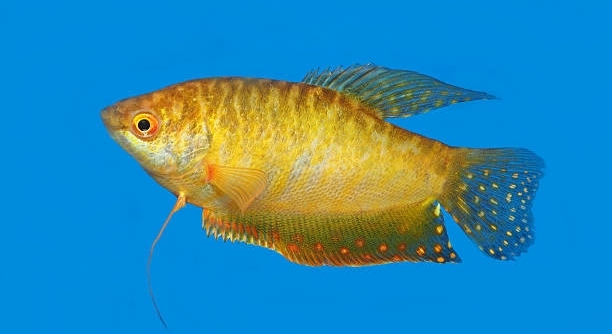
Do you ever notice your gourami staying in one area, showing little interest in its surroundings, even in a well maintained aquarium that should encourage movement, curiosity, and natural behaviors every day for optimal health?
The most effective way to encourage gourami exploration involves environmental enrichment, stable water parameters, varied aquascaping, and consistent routines. These elements stimulate natural curiosity, reduce stress, support sensory engagement, and promote healthy movement throughout the aquarium environment over time consistently.
Small changes in layout, routine, and enrichment can transform daily behavior and reveal a more active, confident gourami over time.
Rearrange the Aquarium Layout
I noticed my gourami became more active after small layout changes within the tank. Rearranging plants, rocks, and wood creates fresh pathways and resting areas. This gentle disruption encourages natural investigation without causing stress. Open swimming spaces paired with sheltered zones help gouramis feel secure while exploring. Tall plants draw attention upward, while low decor promotes bottom movement. Rotating decorations every few weeks keeps the environment engaging. Avoid overcrowding, as too many objects restrict movement. Stability still matters, so keep water conditions consistent during changes. A balanced layout supports curiosity, confidence, and steady exploration behaviors that develop gradually over time. This approach also reduces boredom, supports natural foraging instincts, and provides subtle challenges. I prefer making adjustments slowly, observing reactions, and allowing time for adaptation, ensuring the fish remains calm, active, and responsive throughout daily swimming routines that encourage healthier movement patterns and consistent engagement over longer observation periods overall.
Even minor adjustments can renew interest quickly. Changing plant placement or opening a new swimming lane often leads to immediate movement. I find observing these responses helpful for understanding preferences. Consistency paired with gentle change creates lasting activity without overwhelming sensitive gourami temperaments during routine aquarium care and maintenance tasks.
Tank layout directly influences how safe a gourami feels while moving. When hiding spots are balanced with open water, exploration becomes a natural response. I have noticed reduced pacing and more purposeful swimming. Gradual rearrangements prevent stress responses. Avoid sudden, complete redesigns. Instead, shift one element at a time. This method preserves familiarity while offering novelty. Over time, the gourami associates movement with comfort rather than uncertainty, leading to consistent exploration patterns across different tank zones. This stability supports confidence building and encourages steady activity during both daylight and evening periods within a well managed aquarium environment over extended timelines.
Use Subtle Environmental Changes
Small environmental shifts can motivate movement without stress. Adjusting lighting angles, flow direction, or background color encourages attention. I prefer soft lighting changes that mimic natural conditions. These adjustments create new points of interest while maintaining stability gouramis rely on daily within consistent aquarium care routines and long term setups.
Gouramis respond well to gentle variation in their surroundings. Subtle changes encourage sensory engagement without disrupting comfort. Altering bubble flow, adding floating plants, or adjusting light timing can spark curiosity. I have found that predictable schedules paired with small variations work best. For example, shifting feeding locations encourages movement across the tank. Introducing mirrors briefly can promote investigation, though it should be limited to avoid stress. Sound vibrations from nearby equipment should remain minimal. Consistency in temperature and water quality remains essential. Environmental enrichment works only when basic needs are met. Over time, these controlled changes help gouramis associate exploration with safety. This leads to calmer behavior, improved activity levels, and balanced use of the aquarium space. From my experience, patience plays a major role in success. Rapid or excessive alterations can reduce trust and increase hiding. Slow observation allows adjustment based on behavior. Recording responses helps refine future changes. When enrichment is introduced thoughtfully, gouramis display longer swimming periods, reduced lethargy, and consistent interest. These outcomes reflect a stable environment that supports movement without pressure over time, encouraging natural routines and dependable daily activity across shared aquarium zones that benefit overall fish welfare and tank balance through careful enrichment.
Vary Feeding Locations
Feeding in different areas encourages movement and reduces idle behavior. I rotate feeding spots between surface, mid level, and lower zones. This approach prompts gentle swimming across the tank while reinforcing natural foraging instincts without disrupting established routines or causing stress over time with consistent placement changes that feel safe.
Changing where food appears encourages gouramis to explore confidently. I avoid dropping food in the same corner daily. Instead, I spread portions slowly, allowing the fish to follow movement. Floating foods draw upward exploration, while sinking options promote lower level activity. This balance supports full tank use. Feeding tools like rings or tweezers help control placement. Consistency in timing remains important, as predictability reduces anxiety. When movement is rewarded with food, exploration becomes purposeful rather than hesitant, leading to steadier activity patterns over time. This method also supports digestion and reduces competitive stress during meals for all tank inhabitants involved.
I noticed improved engagement when feeding routines became interactive. Gouramis quickly learn to associate movement with reward. Avoid overfeeding, as excess food reduces motivation to explore. Smaller portions spread across locations work best. Observe how quickly the fish responds and adjust pacing accordingly. If hesitation appears, slow the process. Calm movements from outside the tank matter as well. Sudden gestures can interrupt progress. Over several weeks, this feeding strategy builds confidence and supports consistent exploration without altering water quality or increasing maintenance demands. I found patience essential for lasting behavioral change in sensitive species like gouramis kept indoors long term.
Adjust Water Flow Thoughtfully
Gentle water movement encourages swimming without exhaustion. I adjust filter output to create slow currents rather than strong streams. Gouramis respond better to flow they can enter and exit easily. This setup promotes exploration while preserving resting areas. Positioning flow along tank edges supports circulation without pushing fish constantly. Balanced flow improves oxygen levels and encourages natural movement patterns across multiple zones. I avoid sudden changes to prevent stress responses during routine equipment adjustments periods.
Water flow shapes how gouramis use their space. Excessive current often leads to hiding or surface lingering. I test flow strength by observing fin movement and swimming effort. Adjustable spray bars or baffles help soften output. Creating varied flow zones allows choice, which supports confidence. Calm areas behind plants or decor act as recovery spaces. Consistent circulation prevents debris buildup, reducing maintenance needs. Flow should remain stable day to day. When gouramis feel in control of movement, they explore more freely. Over time, this balance supports steady activity, reduced stress behaviors, and improved overall tank harmony. I monitor behavior after adjustments and fine tune slowly to maintain comfort while keeping filtration efficient and noise levels low for daily aquarium stability and long term health benefits.
Add Live Plants Strategically
Live plants encourage movement and provide security. I prefer mixing tall stems with floating varieties. Gouramis weave through leaves naturally. Plants soften lighting and reduce stress. Rotating plant density slightly over time promotes exploration without removing familiar shelter zones completely. This balance supports calm behavior during daily swimming patterns consistently.
Healthy plants also improve water quality and oxygen balance. I avoid plastic decorations when possible. Natural textures invite gentle interaction. Regular trimming keeps pathways open. When plants thrive, gouramis move with purpose instead of lingering in one area for long periods each day within a stable aquarium environment overall indoors.
Introduce Safe Visual Stimulation
Mirrors or reflections can briefly stimulate curiosity when used carefully. I place a small mirror outside the glass for short periods. This encourages movement and display behaviors. Exposure should remain limited to prevent stress responses. I observe closely during use. Reflections work best in calm tanks. Remove immediately if pacing appears. Used occasionally, this method adds variation. It should never replace environmental enrichment. When applied responsibly, reflections promote short bursts of exploration without disrupting daily routines or long term comfort. This approach supports engagement while respecting sensitive behavioral thresholds over time in controlled home aquarium settings with careful monitoring always.
Maintain Consistent Daily Routines
Routine consistency builds confidence and supports exploration. I keep lighting, feeding times, and maintenance predictable. When gouramis feel secure, movement increases naturally. Stability reduces hiding behavior and allows enrichment methods to work effectively without causing confusion or unnecessary stress responses during regular aquarium care schedules over extended periods indoors consistently.
How can I tell if my gourami is exploring enough?
Gouramis that explore will swim across different areas of the tank regularly. I look for movement between open water, mid-level areas, and hiding spots. Fish that linger in one corner or remain mostly near the surface may be less active. Healthy exploration includes weaving through plants, inspecting decorations, and responding to gentle environmental changes. When gouramis engage in these behaviors, it usually indicates comfort, low stress, and interest in their surroundings. Observing over several days provides a clearer picture than judging after a single session. Small daily routines, like feeding and water flow adjustments, can encourage consistent activity.
What types of plants are best for encouraging exploration?
Tall stem plants and floating plants work best for me. They create vertical space and shaded zones that gouramis naturally investigate. I mix soft-leaved varieties, such as hornwort or java fern, with broader leaf plants like anubias. This combination gives them places to weave, hover, and rest. I avoid overcrowding, keeping pathways open for movement. Plants also improve water quality and offer subtle hiding spots, which makes fish feel secure while encouraging activity. Rotating plant placement every few weeks keeps the environment fresh without causing stress or confusion.
Is it safe to use mirrors or reflections for stimulation?
Yes, but only for short periods. I place a small mirror outside the glass for a few minutes at a time. This sparks curiosity and display behaviors but should never be left in the tank continuously, as it can cause stress or aggression. Observing your gourami during this stimulation is essential. Remove the mirror immediately if they pace or appear anxious. Reflections work best in calm, low-stress tanks with plenty of plants and open spaces. They are a tool to complement enrichment, not replace natural exploration methods like rearranged plants or varied feeding spots.
How often should I rearrange the aquarium decorations?
I usually make minor changes every few weeks rather than a full redesign. Moving plants, rocks, or wood slightly encourages natural investigation without overwhelming the fish. Complete overhauls can trigger hiding or erratic swimming. Small adjustments give gouramis time to adapt while maintaining familiar areas. I avoid drastic shifts in one session, and I watch their response carefully. The goal is gradual stimulation to reinforce comfort and curiosity, allowing exploration to remain steady over long periods. Balanced arrangements of open water and shelter spaces encourage swimming across multiple zones and reduce boredom.
What role does water flow play in encouraging exploration?
Gentle water movement encourages swimming without tiring the fish. I adjust filter output or use baffles to create soft currents that flow around the tank edges. This gives gouramis the choice to swim with or against the current. Strong streams can force hiding or surface lingering, while calm zones behind plants let them rest safely. Gradual flow changes maintain comfort and encourage confident movement. Consistent circulation improves oxygen levels and water quality, which indirectly supports exploration. Watching how they navigate the current shows whether the flow is stimulating or stressful, helping me fine-tune the setup.
How should feeding be managed to support activity?
I vary feeding locations and methods to encourage movement. Floating food promotes surface exploration, while sinking pellets prompt mid and lower-level activity. I spread portions gradually, allowing gouramis to swim naturally across the tank. Predictable feeding times reduce anxiety, while rotation of feeding spots adds purposeful movement. I avoid overfeeding, as it lowers motivation to explore. Occasionally using tools like feeding rings or tweezers helps control placement and pace. When fish associate exploration with rewards like food, they remain engaged without stress, which strengthens activity patterns over time and supports overall health.
Can I use lighting to encourage exploration?
Yes, subtle changes in lighting can motivate activity. I adjust intensity slightly or use timers for consistent day-night cycles. Gouramis respond well to soft, natural light, and shaded zones created by plants help them feel secure. Sudden bright lights can cause hiding, so I introduce changes gradually. Changing angles or intensity gently encourages them to move without startling them. Consistent lighting schedules paired with enrichment and feeding routines support confidence and exploration. This controlled stimulation enhances visibility and activity, making the tank more dynamic while keeping stress low.
How important is routine for promoting exploration?
Routine is essential. I maintain consistent feeding times, light cycles, and water maintenance schedules. When gouramis feel safe knowing what to expect, they explore more freely. Predictable patterns reduce stress and allow enrichment methods to work effectively. Deviating too often can cause hiding or lethargy, while stability builds confidence. Combining routine with occasional minor changes like rearranged plants or varied feeding locations ensures sustained activity. Over time, fish become more responsive to gentle stimulation and comfortable exploring all areas of the tank.
How do I know if enrichment is stressing my gourami?
Signs of stress include excessive hiding, rapid swimming, gill flaring, or loss of appetite. I monitor closely after adding new plants, changing decorations, adjusting water flow, or introducing reflections. If these behaviors appear, I reverse the change or scale it down. Gradual introduction allows observation and adaptation. A calm, confident gourami that investigates new areas slowly is showing positive engagement. Balancing novelty with familiar elements ensures enrichment encourages activity without causing fear or discomfort. Regular observation is the most reliable way to determine if stimulation is appropriate and effective for long-term exploration habits.
What other methods support natural exploration?
I also use floating or drifting objects like leaf litter, occasional gentle bubbles, and small hiding caves. These additions simulate natural habitats and promote swimming and inspection. Rotating items or introducing new textures keeps the environment stimulating. Combining these with stable water parameters, proper feeding, and consistent lighting maximizes engagement. Over time, these practices create an enriched, balanced space where gouramis move confidently, explore multiple zones, and show natural behaviors consistently. Monitoring their response ensures adjustments are safe, promoting activity and long-term health within a home aquarium.
Encouraging gourami exploration relies on creating a stable yet stimulating environment. I have found that small, thoughtful changes can make a significant difference in activity levels. Rearranging decorations, adding live plants, and adjusting water flow gently all contribute to increased movement without causing stress. Gouramis respond well to predictability combined with occasional novelty, which helps them feel safe while still remaining curious. Observing their behavior over time allows me to understand which changes are effective and which may need adjustment. The balance between open swimming space and sheltered areas is particularly important, as it gives the fish confidence to move while still having safe zones to retreat if needed. Using these strategies consistently supports healthy behaviors and reduces lethargy or hiding, creating a more engaging and dynamic tank environment overall.
Feeding practices also play a key role in encouraging exploration. I vary feeding locations and use different types of food to motivate movement throughout the tank. Floating foods encourage surface swimming, while sinking pellets or small treats placed in different areas prompt mid and lower-level exploration. I avoid overfeeding, as excess food reduces the incentive for the fish to swim and investigate. Small tools like feeding rings or tweezers can help control placement, creating purposeful activity without overwhelming the fish. Over time, gouramis begin to associate movement with rewards, which reinforces active behavior naturally. Consistent timing and routine during feeding also support confidence, making fish more likely to explore freely without hesitation. These simple adjustments have a noticeable impact on daily activity levels and overall well-being.
Finally, environmental enrichment should be introduced gradually and observed carefully. I use subtle variations in lighting, reflections, and water flow to encourage exploration, always monitoring for signs of stress. Mirrors or reflections can provide short bursts of stimulation, but only when used sparingly to avoid negative reactions. Water quality, temperature, and general tank stability remain foundational, as gouramis will not explore if basic needs are unmet. Patience is essential; behavioral changes often take time to become consistent. By combining thoughtful layout changes, careful feeding strategies, and controlled enrichment, I have noticed that my gouramis are more confident, active, and engaged with their surroundings. These approaches create a balanced environment that supports long-term health and natural behaviors, making daily aquarium care both manageable and rewarding.

Hello,
If you enjoy the content that we create, please consider saying a "Thank You!" by leaving a tip.
Every little bit helps us continue crafting quality advice that supports the health, happiness, and well-being of pets around the world, for pets of all shapes, sizes, and species.
We really appreciate the kindness and support that you show us!