
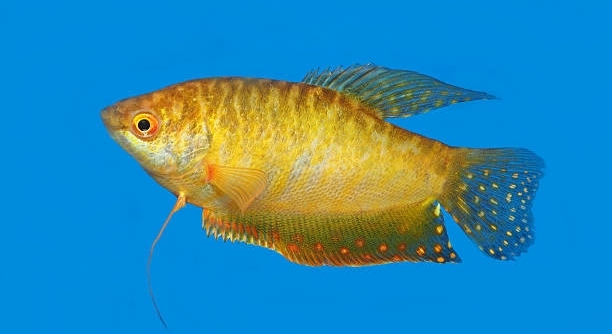
Watching a gourami circle another fish can feel confusing and slightly concerning for any aquarium owner noticing changes in tank behavior and harmony over time, especially when daily routines once seemed calm and predictable thereafter.
The primary reason a gourami circles its tankmate involves territorial behavior or social dominance, often influenced by limited space, mating instincts, or environmental stressors that alter normal interaction patterns within a shared aquatic environment among closely housed freshwater species populations.
Recognizing the causes behind this behavior helps restore balance, reduce stress, and support a healthier, more peaceful aquarium community overall.
Territorial Behavior and Social Signals
I often notice circling begins when a gourami feels the need to define space within the tank. Gouramis are semi territorial fish that rely on visual displays to communicate status. Circling can signal dominance, courtship interest, or mild aggression toward tankmates that appear similar in size or shape. This behavior becomes more noticeable in smaller aquariums where escape routes are limited. Plants, decor, and hiding areas play a strong role in reducing these repeated patterns. Without enough visual breaks, a gourami may fixate on a single fish. Stress from water quality changes can also heighten activity and persistence. When routines shift, fish respond through movement rather than sound. Observing timing, frequency, and the other fish’s response helps clarify intent. Calm circling differs from chasing or nipping, which suggests a more serious imbalance requiring adjustment over time this pattern can settle with thoughtful changes and consistent daily care from keepers everywhere.
Circling is not always harmful, but it should never be ignored. Short, slow loops usually show communication, while tight or fast movement suggests rising tension that may grow without intervention. Watching body color, fin position, and feeding habits gives extra clues about comfort levels inside the tank over time periods.
When I first noticed this behavior, adjusting the environment made the biggest difference. Increasing tank size or rearranging decor can interrupt visual fixation. Adding floating plants helps gouramis feel secure near the surface. Balanced stocking choices also matter. Keeping too many similar fish increases competition. Stable water parameters reduce stress driven movement. Regular maintenance keeps interactions predictable. Feeding evenly across the tank prevents one fish from guarding resources. These steps support calmer behavior without forcing separation. Observation remains essential, as each gourami shows personality differences that influence how quickly improvements appear during routine care and monitoring sessions at home aquariums.
Environmental Factors and Practical Adjustments
Environmental factors often shape how long circling continues. Light intensity, reflection on glass, and noise near the aquarium can increase agitation. Small changes outside the tank may strongly affect daily behavior patterns. Consistency in placement and routine helps fish settle more easily over time indoors with reduced stimulation overall levels.
I focus on practical adjustments before considering separation. First, confirm tank size suits the species and adult length. Crowding intensifies repeated interactions. Rearranging decorations weekly can reset perceived boundaries. Dense planting breaks sightlines and offers rest areas. Next, review stocking ratios. Too many males increase displays and circling. Introducing compatible species with different shapes reduces fixation. Feeding routines matter as well. Spread food across the surface to limit guarding. Monitor water quality closely. Ammonia spikes and temperature swings increase restlessness. Keep lighting consistent and avoid sudden changes. External movement near the tank can also trigger pacing. Place aquariums away from heavy foot traffic. If circling persists with signs of stress, temporary separation using a divider allows recovery without isolation. Over time, stable conditions support calmer interactions and a more balanced aquarium environment. I have found patience important during adjustments. Changes take days, not hours. Track behavior in short notes. Look for reduced loops and relaxed fins. When improvement appears, maintain routines. Sudden reversals often restart the pattern. Consistency builds trust within the tank and supports long term stability for all fish involved after environmental balance has been restored carefully and calmly through mindful observation and steady care practices by keepers.
Mating and Hormonal Influences
Circling often increases during breeding periods when hormones heighten awareness of other fish. Males may loop around tankmates to display strength or claim nesting space. This behavior appears more frequently in mature gouramis and can fade once hormonal pressure stabilizes naturally with consistent care and stable surroundings over time periods.
During mating readiness, gouramis become more focused on movement and proximity. Circling helps them assess potential partners or rivals without direct contact. I have noticed this behavior aligns with bubble nest building or increased surface activity. Tankmates may appear confused but are not always threatened. Problems arise when the pursued fish lacks space to retreat. Providing floating plants and calm lighting reduces overstimulation. Limiting mirrors or reflective glass also helps. Hormonal behaviors are temporary, yet they demand observation. Persistent stress signals require adjustments before fin damage or exhaustion develops during sensitive seasonal shifts common in home aquariums with proper monitoring.
Managing these periods involves patience rather than drastic changes. I avoid removing fish unless injury appears. Gradual environmental support works better. Maintain steady temperatures and avoid sudden water changes. Feed lightly but consistently to prevent competition. Rearranging decor too often may increase confusion during breeding cycles. Instead, keep layouts familiar and secure. Observe which fish initiates circling and which avoids it. This distinction matters. When hormones settle, interactions usually soften. Consistency allows the tank to return to balance without long term disruption while preserving natural behaviors and reducing stress across shared aquatic spaces for all inhabitants involved over time steadily.
When Circling Becomes a Problem
Circling crosses into concern when it becomes relentless or aggressive. Tight loops, flared fins, and repeated targeting of one fish indicate imbalance. I pay attention to feeding refusal, hiding, or faded color. These signs show stress building. Left unaddressed, this pattern can weaken immune response and increase injury risk within confined aquarium environments. Immediate observation and small adjustments help prevent escalation and protect vulnerable tankmates before lasting harm develops quietly over days inside home tanks.
Action should be taken once stress signs persist beyond a few days. I start by isolating the cause, not the fish. Check water parameters first. Poor quality amplifies aggression. Next, assess space and stocking balance. Overcrowding limits escape and rest. Temporary dividers allow recovery without full separation. Adjust lighting to reduce visual stimulation. Consistent routines lower anxiety. If behavior continues, rehoming one fish may be necessary for long term welfare. This decision is not failure, but responsible care. Every aquarium has limits, and respecting them ensures healthier outcomes for all species involved. Personal observation over time builds confidence in these choices and supports stable, calm aquatic systems where fish behavior reflects balance rather than ongoing stress patterns under attentive, consistent care from responsible keepers everywhere.
Tank Size and Layout Limitations
Circling can also stem from limited tank space and poor layout design. When swim paths overlap constantly, fish react through repeated movement. I have seen this improve by increasing tank size, spreading decor evenly, and creating clear zones that allow each fish to rest without visual pressure over time naturally.
Small aquariums intensify stress because escape options disappear quickly. Circling becomes a coping response rather than dominance alone. Adding vertical plants, caves, and driftwood helps break lines of sight. I prefer slow adjustments instead of sudden changes, which can worsen anxiety during already tense periods inside shared home aquariums daily.
Tankmate Compatibility Issues
Tankmate compatibility plays a major role in repeated circling. Gouramis often react to fish with similar size, shape, or swimming level. I have noticed issues increase with slow moving species that cannot retreat easily. Fin nipping may follow if stress builds. Choosing faster or bottom dwelling companions reduces fixation. Overstocking worsens the problem by increasing competition for food and space. A balanced mix of species creates natural separation. Observing interactions after feeding offers insight into social tension. Compatibility planning prevents behavior problems before they begin. This approach supports stability and reduces long term stress across shared tanks at home consistently.
Monitoring and Behavioral Patterns
Long term observation remains the most useful tool. I keep notes on frequency, timing, and reactions. Patterns reveal whether circling is situational or chronic. This habit prevents overreaction and supports calm decisions that benefit the entire aquarium rather than addressing symptoms alone over time, with steady care and patience applied.
FAQ
Why does my gourami circle only one specific tankmate
This usually happens when the gourami fixates on a fish that triggers a response, such as similar size, color, or swimming level. I have noticed this most often with fish that stay near the surface or move slowly. The gourami may see this tankmate as competition or a point of interest rather than reacting to the entire group. Limited space makes this behavior more noticeable because the same fish is always nearby. Adding plants or rearranging decor can help redirect attention. Watching whether the targeted fish shows stress signs is important when deciding if changes are needed.
Is circling always a sign of aggression
Circling is not always aggressive. In many cases, it is a form of communication or display behavior. Slow, wide loops without chasing or fin damage usually indicate curiosity, dominance signaling, or breeding behavior. I only become concerned when circling turns fast, repetitive, or one sided. Aggression often comes with flared fins, color changes, or nipping. The key difference lies in the response of the other fish. Calm swimming suggests tolerance, while hiding or refusal to eat points toward stress that should not be ignored.
Can water quality cause circling behavior
Yes, water quality plays a large role in fish behavior. Poor parameters increase stress, which often shows through pacing or repeated movement. I always check ammonia, nitrite, nitrate, and temperature when circling appears suddenly. Even small fluctuations can affect gouramis more than expected. Clean, stable water supports predictable behavior and reduces irritation between tankmates. Regular maintenance and gentle water changes help keep interactions calm. Skipping this step can lead to chasing patterns that seem social but are actually stress driven responses to environmental discomfort.
Does tank size really make that much difference
Tank size matters more than many people expect. In smaller tanks, fish cannot avoid each other, which leads to repeated interactions. Circling becomes more frequent simply because swim paths overlap constantly. I have seen behavior improve quickly after upgrading tank size or reducing stock. Even a few extra gallons can change how fish interact. Space allows natural boundaries to form. Without it, dominance displays never settle. Providing room to retreat helps reduce fixation and lowers overall tension inside the aquarium.
Should I separate the fish if circling continues
Separation should be a last option, not the first response. I prefer adjusting the environment before removing fish. Changes like adding plants, reducing light intensity, or modifying feeding routines often solve the issue. If circling continues alongside stress signs such as torn fins or hiding, temporary separation with a divider can help. This allows recovery without full isolation. Permanent separation or rehoming may be necessary when compatibility is clearly poor. This choice supports long term health rather than forcing fish to endure constant stress.
Does feeding routine influence circling behavior
Feeding has a strong impact on social behavior. When food is delivered in one spot, dominant fish may guard it. Circling can develop as a way to control access. I spread food across the surface to reduce competition. Feeding smaller amounts more frequently also helps. When each fish eats calmly, interactions soften. Skipped meals or irregular schedules increase tension. Consistency keeps expectations clear and reduces movement patterns linked to resource guarding within shared spaces.
How long should I monitor circling before taking action
I usually observe for several days before making changes, unless injury appears. Short term circling often resolves on its own once fish adjust. Keeping notes helps track patterns rather than relying on memory. If behavior worsens or stress signs appear, action should not be delayed. Small adjustments made early prevent larger problems later. Patience matters, but so does responsiveness. Balanced observation allows decisions based on behavior trends rather than single moments inside the tank.
Can personality differences explain circling
Yes, individual temperament plays a role. Some gouramis are more assertive than others. I have kept fish that never showed circling and others that displayed it daily despite ideal conditions. Personality influences how fish respond to space, tankmates, and routine changes. This is why identical setups can produce different outcomes. Recognizing this helps avoid constant rearranging. Sometimes the goal is management rather than elimination. Supporting natural behavior while reducing stress leads to the most stable results over time.
Final Thoughts
Understanding why a gourami circles its tankmate often comes down to observation and balance rather than quick fixes. Most cases are rooted in natural behavior shaped by space, environment, and social structure. I have learned that reacting too fast can sometimes create more stress than the behavior itself. Fish rely on consistency to feel secure. When conditions remain stable, many issues resolve gradually without drastic action. Circling can look alarming at first, but it is often a signal rather than a threat. Paying attention to frequency, speed, and body language provides clarity. Calm movement with relaxed fins usually indicates communication. Tense motion paired with avoidance signals a deeper issue. Recognizing this difference helps guide responsible decisions that support the entire tank rather than focusing on one moment of concern.
Long term success with gouramis depends on thoughtful setup and routine care. Adequate space, compatible tankmates, and proper layout reduce repeated stress behaviors. I find that small adjustments often make the biggest difference. Adding plants, spreading feeding areas, or softening lighting can change interactions noticeably. Water quality should never be overlooked, as discomfort often appears through movement patterns before physical symptoms develop. Consistency in maintenance builds predictability, which fish respond to positively. It also helps to accept that some behaviors are part of normal life in a shared aquarium. The goal is not to remove all interaction, but to ensure it does not escalate into harm. Stability supports healthier fish and a more enjoyable experience for the keeper.
Patience remains one of the most valuable tools in aquarium care. Behavior rarely changes overnight, and progress often appears gradually. I have found that tracking small improvements prevents unnecessary changes driven by worry. When intervention is needed, measured steps protect both fish and system balance. Sometimes compatibility limits must be respected, and adjusting stock becomes the most responsible choice. This reflects care, not failure. Every aquarium has boundaries, and honoring them supports long term wellbeing. With observation, steady routines, and realistic expectations, circling behavior becomes easier to understand and manage. The result is a calmer environment where natural behavior exists without constant stress, allowing the aquarium to function as a stable and healthy space over time.

Hello,
If you enjoy the content that we create, please consider saying a "Thank You!" by leaving a tip.
Every little bit helps us continue crafting quality advice that supports the health, happiness, and well-being of pets around the world, for pets of all shapes, sizes, and species.
We really appreciate the kindness and support that you show us!