
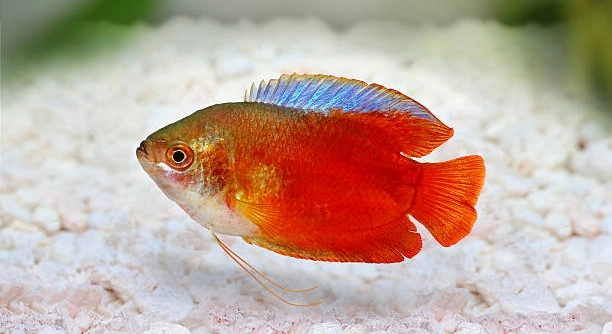
Gouramis are popular freshwater fish, yet their calm nature depends on proper tank setup. Small oversights can affect health, color, and behavior, especially for beginners aiming to create a stable, comfortable aquarium environment at home.
The most common tank setup mistakes for gouramis involve inadequate tank size, poor water quality, improper filtration, and unsuitable tank mates. These errors create chronic stress, weaken immune response, and disrupt natural behavior, ultimately reducing lifespan and overall aquarium stability.
Understanding these setup errors helps prevent long-term problems and supports healthier gouramis through practical adjustments every aquarist can apply successfully.
Choosing the Wrong Tank Size
Gouramis require more space than many beginners expect, and tank size directly affects their stress levels and growth. A small aquarium limits swimming room and increases territorial behavior, especially among males. Limited volume also causes waste to build up faster, making water conditions unstable. I have noticed that gouramis kept in cramped tanks often hide, lose color, and show reduced appetite. Larger tanks provide room for plants, gentle swimming paths, and visual barriers that help reduce aggression. Adequate space also supports consistent temperature and oxygen levels, which gouramis rely on for healthy labyrinth organ function. When tank size is underestimated, daily maintenance becomes harder, and small mistakes quickly escalate into serious health problems. Choosing a tank that allows natural movement creates a calmer environment and supports long-term stability. This approach helps me maintain balanced aquariums that remain visually pleasing while supporting predictable behavior patterns over time for all residents inside.
Using a tank under twenty gallons often leads to constant adjustments and visible stress. I find that upgrading size early prevents unnecessary losses and reduces maintenance effort significantly over time. It also allows plants and filtration to work more efficiently, creating balance without frequent intervention during routine care periods daily.
A properly sized tank gives gouramis space to display calm, confident behavior. They swim openly, interact peacefully, and establish gentle territories. More water volume dilutes toxins, giving filtration systems time to function effectively. I prefer planning tank size before purchasing fish, as it prevents rushed upgrades later. Larger setups also support live plants, which improve water quality and offer cover. When space is adequate, gouramis adapt better to feeding schedules and minor environmental changes. This stability leads to stronger coloration, better immunity, and fewer losses, creating an aquarium that feels balanced and manageable for long-term home aquariums that remain stable.
Ignoring Compatible Tank Mates
Gouramis are peaceful but sensitive to aggressive or overly active tank mates. Poor pairing increases stress, suppresses feeding, and triggers hiding behavior. I learned that even minor compatibility issues can quietly affect long-term health. This mistake often appears harmless at first but becomes noticeable with time inside shared tanks daily.
Selecting tank mates requires understanding temperament, size, and swimming behavior. Gouramis prefer calm companions that occupy different tank levels. Fast or nipping fish disrupt their sense of safety and limit natural movement. I once added incompatible species and noticed my gouramis retreating into corners within days. Chronic stress weakens immune response and increases disease risk. Peaceful species such as small tetras, rasboras, and bottom dwellers usually work well. Adequate space and visual barriers also reduce tension when multiple species share one tank. Overstocking amplifies aggression, even among normally calm fish. Planning stocking order helps establish stable territories early. Introducing gouramis after other peaceful fish often reduces dominance issues. Consistent observation during the first weeks is essential. Subtle signs like clamped fins or fading color signal incompatibility. Adjusting tank mates promptly prevents long-term damage. A balanced community tank allows gouramis to thrive without constant interference, creating a calm aquarium that remains stable and visually pleasing over time. This approach has helped me maintain harmony across mixed aquariums, reduce maintenance stress, and observe natural behavior without frequent rearranging or emergency removals that disrupt biological balance. It creates predictability and supports long-term success for both fish and keeper within shared freshwater systems overall.
Using Inadequate Filtration
Weak filtration allows waste to accumulate quickly, creating unstable water conditions that gouramis struggle to tolerate. I have seen poor filtration cause cloudy water, rising ammonia, and frequent water changes. Gentle flow is important, but filtration must still be effective enough to maintain consistent quality over extended periods daily inside.
Filtration affects more than clarity, it controls the biological balance that keeps toxins low. Gouramis produce steady waste, and without beneficial bacteria, ammonia spikes occur rapidly. I rely on sponge or adjustable filters to create soft flow while supporting bacteria growth. Overcleaning filters removes this bacteria and resets the cycle. Rinsing media in tank water preserves stability. A properly sized filter processes the full tank volume several times per hour. This consistency reduces stress, improves feeding behavior, and limits disease outbreaks. Balanced filtration creates predictability, which gouramis depend on for long-term health within freshwater home aquarium systems for daily care.
Poor filtration often leads keepers to compensate with excessive water changes, which causes further instability. I learned that stability matters more than constant adjustment. When filters function correctly, water parameters change slowly and predictably. Gouramis respond by swimming openly and maintaining color. Adequate filtration also supports live plants, which assist with nutrient control. Choosing equipment rated slightly above tank volume improves performance without increasing flow. Positioning outlets toward glass softens current. With proper filtration, routine maintenance becomes simple, consistent, and less stressful for both fish and keeper over time in established freshwater aquariums managed carefully over long observation periods consistently.
Overlooking Proper Water Parameters
Incorrect water parameters quietly affect gouramis long before visible symptoms appear. Temperature swings, unstable pH, and hard water create constant strain. I monitor parameters weekly because gouramis rely on warm, slightly acidic conditions. Small deviations may seem harmless, but long-term exposure weakens immunity and shortens lifespan. Consistency supports natural behavior, appetite, coloration, and breathing efficiency through the labyrinth organ in controlled home aquariums over extended maintenance periods with minimal corrective intervention from the keeper side.
Maintaining stable parameters starts with reliable heaters, accurate thermometers, and routine testing. I avoid rapid adjustments, since sudden changes shock sensitive fish. Gradual corrections protect biological balance and reduce stress responses. Gouramis thrive between seventy-four and eighty-two degrees with gentle acidity. Using driftwood and live plants helps buffer pH naturally. Consistent water source preparation prevents fluctuations during changes. I prepare replacement water in advance to match temperature and chemistry. Over time, this routine builds predictability. Stable parameters encourage feeding, breeding behavior, and steady growth. When conditions remain consistent, gouramis display calm movement and stronger coloration, making the aquarium easier to manage long term with fewer emergencies and reduced maintenance stress for keepers overall at home maintaining healthy systems long term through consistent observation habits daily.
Inconsistent Lighting Schedules
Inconsistent lighting disrupts gourami behavior and stresses their natural rhythms. Sudden changes confuse feeding schedules and encourage hiding. I keep lighting consistent to support calm movement and plant health. Excessive brightness washes out color, while dim tanks reduce activity and appetite over time significantly for captive fish environments daily care.
Lighting timers help maintain stability without daily manual adjustments. I avoid placing tanks near windows, as sunlight causes algae and temperature swings. Balanced lighting supports planted tanks and reduces stress responses. When light cycles remain predictable, gouramis settle faster and display relaxed swimming patterns consistently throughout the day inside aquariums.
Skipping Quarantine Procedures
Skipping quarantine introduces disease directly into established tanks, often without immediate signs. I learned this after losing healthy fish to infections that spread quickly. New gouramis should spend time in separate tanks for observation. Quarantine allows treatment before exposure and reduces medication stress later. Many parasites remain hidden during early stages. A simple bare tank, heater, and sponge filter work well. Observing appetite, waste, and behavior prevents long-term problems. This step protects existing fish and saves time, money, and frustration. Consistent quarantine practices create safer systems and predictable outcomes for every new addition within home freshwater aquariums long term care.
Overcrowding With Decorations
Overdecorating tanks limits swimming space and increases stress for gouramis. I aim for balance by using plants and decor as shelter, not barriers. Open areas allow natural movement and reduce aggression. Thoughtful layout improves water flow, visibility, and overall comfort for long-term stability in community aquarium setups at home today.
Can gouramis live in small tanks long term?
Gouramis can survive in small tanks short term, but long-term housing in limited space often leads to stress and health decline. I have seen gouramis become withdrawn and lose color when confined. Smaller tanks accumulate waste faster, causing unstable water conditions. Over time, this constant fluctuation weakens immunity and increases disease risk. Adequate space allows steady parameters, calmer behavior, and predictable maintenance. While smaller setups may seem manageable, they require more frequent intervention, which adds stress for both fish and keeper. A properly sized tank supports natural swimming patterns and reduces territorial tension.
Do gouramis need a heater in all setups?
Yes, gouramis require stable warmth to function properly. They originate from warm freshwater environments and rely on consistent temperatures to regulate metabolism. Without a heater, room temperature fluctuations cause stress. I always use a reliable heater with a thermometer for accuracy. Sudden drops often lead to reduced appetite and sluggish movement. Stable warmth supports immune response and proper labyrinth organ function. Even in warm climates, nighttime temperature drops can cause issues. Using a heater creates predictability and reduces the need for constant monitoring and correction.
Is strong water flow harmful to gouramis?
Strong flow is not ideal for gouramis. They prefer calm water and struggle against heavy currents. I noticed excessive flow causes constant swimming effort, leading to exhaustion. Gouramis may hide near corners or decorations to escape current. Adjustable filters or spray bars help soften flow while maintaining filtration efficiency. Gentle circulation supports oxygen exchange without disturbing behavior. When water movement is balanced, gouramis swim calmly and interact more naturally within the tank environment.
How often should water changes be done for gouramis?
Water changes should be consistent rather than excessive. I perform weekly changes of twenty to thirty percent in stable tanks. This routine removes waste without causing sudden parameter shifts. Larger or irregular changes often lead to stress responses. Preparing replacement water to match temperature and chemistry is essential. Regular maintenance keeps nitrate levels manageable and supports long-term stability. When water changes follow a predictable schedule, gouramis adapt better and display stronger feeding responses.
Can gouramis live with other gouramis?
Gouramis can live together, but compatibility depends on species, tank size, and gender ratio. Males may display territorial behavior, especially in confined spaces. I prefer larger tanks with visual barriers when keeping multiple gouramis. Introducing fish carefully and monitoring early behavior prevents escalation. Adequate space reduces competition and allows each fish to establish territory. Peaceful cohabitation is possible when planning is thorough and adjustments are made early.
Are live plants necessary for gourami tanks?
Live plants are not required, but they provide clear benefits. Plants improve water quality, reduce stress, and offer shelter. I find gouramis feel more secure in planted tanks. Floating plants also diffuse light, which gouramis prefer. Plants help stabilize parameters by absorbing excess nutrients. Even hardy species contribute to overall balance. When plants are present, fish display calmer movement and spend more time swimming openly.
Why do gouramis hide after being added to a tank?
Hiding is a normal response to environmental change. New surroundings, lighting, or tank mates can overwhelm gouramis. I allow several days for adjustment without interference. Providing cover and reducing light intensity helps ease transition. Sudden movements outside the tank may also cause retreat. As stability improves, gouramis usually become more visible. Persistent hiding may indicate stress from incompatible conditions or tank mates.
Do gouramis require special food to stay healthy?
Gouramis are omnivorous and benefit from a varied diet. I rotate between quality flakes, pellets, and frozen foods. Variety supports immune health and coloration. Overfeeding causes waste buildup and water issues. Small portions fed consistently work best. Observing feeding behavior helps identify stress early. A balanced diet contributes to steady growth and predictable behavior over time.
How long does it take for gouramis to adjust to a new tank?
Adjustment periods vary, but most gouramis settle within one to two weeks. Stability speeds this process. I avoid rearranging decor or changing parameters during this time. Consistent lighting, feeding, and maintenance routines help fish adapt. As comfort increases, gouramis explore more and interact calmly. Patience during this phase prevents unnecessary stress and long-term issues.
Final Thoughts
Setting up a tank for gouramis requires patience, consistency, and a willingness to observe small details over time. Many common mistakes happen not because of neglect, but because certain needs are underestimated. Gouramis respond strongly to stability, whether it involves water quality, space, lighting, or tank mates. When these elements work together, their behavior becomes calm and predictable. I have found that simplicity often leads to better results than constant adjustment. A stable environment reduces stress and allows gouramis to express natural movement and coloration. Planning ahead prevents reactive decisions later, which often disrupt balance. Each setup choice builds on the next, and even small improvements can create noticeable changes. By focusing on long-term conditions rather than quick fixes, it becomes easier to maintain a healthy aquarium that does not demand constant correction or intervention.
Mistakes in tank setup tend to compound when left unaddressed, but they are also among the easiest issues to correct once recognized. Proper filtration, consistent parameters, and appropriate stocking form the foundation of successful gourami care. I have learned that rushing any part of the process usually leads to setbacks that take longer to resolve. Observing fish behavior offers valuable feedback, often before test results change. Subtle signs such as hiding, reduced appetite, or dull coloration point to environmental issues rather than isolated problems. Addressing the root cause instead of symptoms saves time and stress. Creating a routine for maintenance and observation encourages predictability, which gouramis depend on. When care becomes routine, aquariums feel less demanding and more rewarding, allowing enjoyment without constant concern.
Long-term success with gouramis comes from balance rather than perfection. No tank remains flawless, but consistent care minimizes disruptions. I prefer focusing on steady habits that support gradual improvement instead of chasing ideal conditions. Gouramis adapt well when changes are slow and deliberate. This approach reduces losses and builds confidence in maintaining freshwater systems. Over time, the aquarium becomes a stable environment that supports both fish health and keeper peace of mind. By avoiding common setup mistakes and respecting the natural preferences of gouramis, it is possible to maintain an aquarium that remains calm, visually pleasing, and manageable. Stability encourages resilience, and resilience supports longevity, creating a system that continues to function smoothly with minimal stress for everyone involved.

Hello,
If you enjoy the content that we create, please consider saying a "Thank You!" by leaving a tip.
Every little bit helps us continue crafting quality advice that supports the health, happiness, and well-being of pets around the world, for pets of all shapes, sizes, and species.
We really appreciate the kindness and support that you show us!