
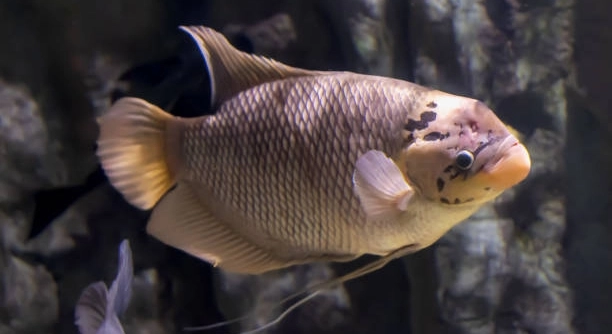
Have you ever noticed your giant gourami reacting to everyday noises around its tank, even in a calm home environment, where simple sounds can shape comfort, behavior, and overall wellbeing in subtle but important ways.
Certain sounds may frighten giant gourami because they are sensitive to vibrations and sudden acoustic changes. Loud bangs, tapping, high-frequency electronics, and abrupt human voices can elevate stress, disrupt feeding patterns, and lead to defensive or withdrawn behaviors over time.
Recognizing these sound triggers helps create a calmer habitat, supporting healthier routines, behavior, and improved long-term comfort for your fish.
Loud Impacts and Tank Vibrations
Loud impacts around the aquarium are one of the most stressful sound-related experiences for a giant gourami. Heavy footsteps, slamming doors, and objects placed firmly on stands can send strong vibrations through the glass. I have noticed that even when the water looks calm, these shocks travel quickly and feel threatening to large fish. Giant gourami rely on sensory awareness to stay safe, so unexpected movement often triggers a stress response. Repeated exposure may cause hiding, reduced appetite, or sudden dashing inside the tank. Over time, this can affect overall health and daily activity. Keeping the tank in a stable, low-traffic area helps limit these vibrations and supports a more predictable environment that allows your gourami to remain relaxed, confident, and steady throughout the day without constant disturbance from external noise sources. Consistency in surroundings plays a key role in long-term behavioral balance and physical stability for this species overall.
Sharp tapping on the glass is especially unsettling. It creates direct vibrations that feel immediate and intrusive. I avoid this entirely, since repeated tapping can increase anxiety and interrupt normal resting and feeding patterns inside the aquarium space over time unnecessarily for large sensitive fish like giant gourami species kept.
Even accidental bumps during cleaning can produce low booming sounds underwater. Because sound travels faster in water, these events feel stronger to the fish than they seem to us. I move slowly and set equipment down gently to reduce impact. Soft motions and stable hands help maintain trust within the tank. This approach supports a calmer atmosphere where giant gourami remain visible, active, and less reactive to routine maintenance tasks that occur regularly in home aquariums over many months of consistent care and observation from their primary caretaker role every single week without causing avoidable stress responses at all times.
Household Electronics and Sudden Audio
Household electronics often produce high-frequency noise that goes unnoticed by people. Televisions, speakers, and phones can create sudden bursts of sound. When placed near the tank, these shifts may startle giant gourami and disrupt their sense of security within the aquatic environment quite easily over time at home settings daily.
Sudden volume changes are particularly challenging for large freshwater fish. A quiet room followed by a loud notification or speaker burst can cause rapid startle responses. I have seen giant gourami freeze in place or rush away when this happens. These reactions use energy and increase stress levels. Consistent noise patterns are far easier for them to process than random spikes. Keeping devices at moderate volume and using vibration dampening surfaces near the aquarium can reduce sound transfer. I also limit sudden audio use during feeding and resting periods. This helps establish predictable daily rhythms. When the environment remains stable, giant gourami tend to eat better, swim openly, and display smoother behavior. Sound management may seem minor, yet it plays a meaningful role in supporting long-term health, especially in indoor tanks where external noise cannot fully escape. Careful adjustments create a space that feels safer and more consistent for this species, allowing natural behaviors to continue without frequent interruption from household sounds that occur unexpectedly throughout the day and evening hours inside shared living spaces with people moving around nearby regularly without realizing the effect they have on aquatic life within glass enclosures at home daily care routines overall balance.
Raised Voices and Sudden Speech Changes
Raised voices near the aquarium can feel overwhelming to a giant gourami. Shouting, laughing loudly, or heated conversations send sharp sound waves through water. I have noticed my fish become tense and still, reacting even when voices feel normal to people nearby inside shared living spaces at home daily routines.
Human voices carry varied tones that fish interpret as sudden changes. Loud laughter or arguments create unpredictable noise patterns that increase stress responses. I try to keep conversations steady around the tank, especially during feeding times. Lower voices help prevent darting or hiding behaviors. Over time, repeated exposure to raised voices may reduce appetite and social activity. Maintaining a calm vocal environment supports consistent behavior and encourages the fish to remain visible. This small adjustment helps reinforce a sense of safety, allowing the giant gourami to rest, feed, and swim without unnecessary disruption during daily home routines and shared spaces.
I also pay attention to sudden emotional shifts in sound. Calm speech followed by loud excitement feels abrupt underwater. Turning away to speak louder or using speakerphone near the tank magnifies this effect. I keep calls brief and step away when volume rises. Soft background noise, like steady room sounds, feels less alarming than silence broken by sharp voices. Consistency matters more than silence. When my tone stays even, my giant gourami appears more relaxed, moves slowly, and maintains normal interaction with its environment throughout the day within the home aquarium setting during regular household activities and shared moments daily.
Maintenance Equipment and Water Movement Noise
Equipment used during maintenance can produce unsettling sounds underwater. Gravel vacuums, siphons, and filter adjustments create humming and rushing noise. I notice my giant gourami retreat when these sounds start abruptly. Slow setup and gentle handling reduce stress. Allowing equipment to enter the water gradually helps the fish adjust without panic or sudden defensive movement during routine cleaning sessions at home aquariums with minimal disruption to normal swimming patterns and daily comfort levels overall stability.
Filters and air pumps often run constantly, yet changes in their operation stand out. A clogged filter can rattle, while a new pump may emit higher tones. These shifts can unsettle a giant gourami that relies on predictable surroundings. I check equipment regularly to avoid sudden sound changes. Placing padding under devices limits vibration transfer to the tank. During water changes, I keep movements slow and consistent. This reduces sudden noise bursts. Over time, careful equipment management helps maintain steady behavior. The fish remains calmer, feeds normally, and shows fewer stress signals during routine care activities within indoor aquariums where sound travels quickly through water and affects daily comfort levels and long term stability for large freshwater species like giant gourami kept at home settings.
Footsteps and Floor Vibrations
Heavy footsteps near the aquarium create low vibrations that travel through floors and stands. I notice my giant gourami tense when people walk quickly past the tank. These repeated shocks disrupt resting periods and can trigger hiding behavior during otherwise calm parts of the day inside the home environment daily.
Fast pacing, running children, or pets jumping nearby increase vibration intensity. I slow my steps near the tank and place rugs under stands. This softens sound transfer and helps my giant gourami remain settled, visible, and less reactive during normal movement around the aquarium space throughout typical household routines daily.
Door Slams and Sudden Closures
Doors closing forcefully create sudden vibrations that feel intense underwater. When this happens, my giant gourami often flinches or darts away from open areas. These sounds interrupt calm swimming and increase alert behavior. I close doors slowly near the aquarium and adjust hinges to reduce impact noise. Over time, consistency helps the fish feel secure. Fewer disturbances allow steady feeding and relaxed movement throughout the day within a stable indoor environment that supports predictable routines without unnecessary stress during shared household activities daily.
Exterior Traffic and Outdoor Noise
Traffic sounds, horns, and nearby construction produce low-frequency noise that carries through walls. I notice subtle tension in my giant gourami during busy hours. Closing windows and placing the tank away from exterior walls helps reduce this constant background disturbance.
What noises are most stressful for a giant gourami?
Loud bangs, tapping on glass, raised voices, and sudden electronic sounds tend to stress giant gourami the most. I’ve seen my fish freeze or dash when a heavy object hits the floor or a loud voice comes from across the room. Even minor vibrations from tapping on the tank can make them retreat into corners. Large fish are especially sensitive to these sounds because they feel vibrations more acutely than smaller species. Predictable, consistent background noise is much easier for them to handle than sudden, sharp disruptions.
How can I minimize sound stress in my aquarium?
Placing the tank away from high-traffic areas helps reduce stress. I position mine where footsteps and door slams are less frequent. Adding rugs under the tank stand and cushioning equipment minimizes vibrations. Keeping conversations calm near the tank, avoiding shouting or sudden laughter, and controlling the volume of household electronics all contribute to a quieter environment. Regular maintenance should be slow and steady, introducing tools into the water gradually to avoid startling the fish. Over time, these adjustments make the fish more comfortable, less reactive, and better able to feed and swim naturally.
Do household electronics affect my giant gourami?
Yes, electronics produce high-frequency sounds that may go unnoticed by humans but feel very sudden to fish. Televisions, speakers, and phones create noise spikes that can startle giant gourami. I place devices away from the tank and keep volume steady. Filters, pumps, and air stones should be checked for rattling or irregular sounds. Even slight changes in hum or vibration can make the fish uneasy. By stabilizing equipment and avoiding sudden bursts of noise, the fish remains calm. A consistent acoustic environment supports predictable behavior, encourages regular feeding, and prevents unnecessary hiding or darting during routine household activities.
Are sudden human movements a problem for giant gourami?
Yes, abrupt actions near the tank, like rushing, jumping, or leaning heavily on the aquarium stand, create vibrations that are alarming. I walk slowly around the tank and avoid leaning or tapping the glass. Gentle, deliberate motions signal that the area is safe, which reduces stress over time. Even routine feeding is calmer if I move steadily and avoid sudden gestures. By keeping motion predictable, my giant gourami remains active, visible, and relaxed, showing normal swimming and feeding patterns without frequent startle reactions.
Can outdoor noise affect indoor aquariums?
Traffic, construction, and nearby machinery can create low-frequency vibrations that travel through walls and floors. I noticed subtle tension in my giant gourami during busy street hours. Closing windows, moving the tank away from exterior walls, and using soft barriers help reduce these vibrations. Even if the sound is not loud inside, the tank transmits it through water. Providing a stable, quiet space ensures the fish continues normal activity, remains stress-free, and maintains healthy appetite and movement. Predictable surroundings help the fish adjust naturally to occasional outdoor noise without constant alertness.
How do I know if my giant gourami is stressed by sound?
Behavior changes are the clearest sign. My fish shows hiding, rapid swimming, or freezing when loud noises occur. Loss of appetite, reluctance to explore, and clamped fins are also indicators. Monitoring patterns during different times of the day helps identify specific triggers. Adjusting the environment, like softening sounds and reducing sudden vibrations, usually improves behavior. Consistent feeding and normal swimming are good signs the fish is coping well. Paying attention to subtle cues ensures long-term wellbeing and prevents chronic stress that can affect health and behavior.
What small adjustments make a big difference?
I found that minor changes like adding rugs under the tank stand, closing doors gently, keeping voices low, and placing electronics further away significantly reduce stress. Gradual, predictable introduction of equipment and slow movements during feeding or cleaning make a noticeable difference. Even small adjustments to external noise, like closing windows during peak traffic or dampening floor vibrations, support calmer behavior. These simple practices create a more stable environment where giant gourami feel secure. Over weeks, fish become more confident, swim openly, feed consistently, and show fewer stress reactions, making daily care easier and more enjoyable.
Is it necessary to limit human interaction near the tank?
Not entirely, but it helps to be mindful. I interact with my fish calmly, avoiding sudden gestures or loud sounds. Frequent, gentle presence encourages recognition without causing alarm. Feeding times should remain consistent, and movements around the tank should be predictable. Limiting abrupt actions and maintaining a steady environment reduces stress while still allowing the fish to observe household activity. Gradually, my giant gourami responds to human presence with less fear and more natural behavior, remaining active and curious without being startled. This balance keeps the fish comfortable and supports long-term health inside the indoor aquarium setting.
How often should I monitor noise impact?
Daily observation is ideal. I watch for startle responses during different household activities and note times when the fish hides or swims unusually. Keeping a simple log of sounds and reactions helps identify patterns. Small adjustments, like lowering volume or cushioning equipment, can then be implemented immediately. Regular monitoring ensures stress is managed before it affects appetite, health, or social behavior. Over time, this proactive approach creates a stable, predictable environment where my giant gourami thrives, maintaining steady routines and calm behavior despite household noises that occur naturally throughout the day and evening.
Creating a calm environment for a giant gourami is essential for its wellbeing. These large freshwater fish are sensitive to vibrations, sudden noises, and changes in their surroundings. Everyday sounds like tapping on the glass, raised voices, or equipment humming may feel normal to people, but underwater they can seem intense and alarming. I have noticed that even small impacts near the tank can make my fish freeze, hide, or dash across the aquarium. Over time, repeated exposure to stressful sounds may affect appetite, behavior, and overall health. By understanding which noises are most disruptive, it becomes easier to adjust the environment to support calmer, more stable behavior. Small adjustments, such as softening footsteps, reducing sudden movements, and controlling household electronics, can make a noticeable difference in how relaxed a giant gourami feels throughout the day.
Managing sound in and around the aquarium doesn’t require complicated tools or extreme measures. Placing the tank in a low-traffic area, adding padding under the stand, and positioning equipment carefully are simple steps that reduce vibrations. I also try to speak calmly near the aquarium and avoid sudden loud noises that might startle my fish. Even routine maintenance can be managed carefully by introducing tools slowly, keeping movements deliberate, and minimizing abrupt splashes. Over time, these practices help create a sense of consistency that the fish can rely on. A stable environment encourages normal swimming patterns, regular feeding, and confident exploration of the tank. My giant gourami seems more comfortable when the environment feels predictable, which reduces stress and promotes better long-term health.
Paying attention to noise management is a key part of responsible fish care. Giant gourami are intelligent and sensitive creatures, and their behavior reflects how secure they feel. I have found that consistent observation helps me identify sound triggers and make small adjustments before stress becomes a problem. Even background noises like traffic, construction, or household electronics can affect behavior if not managed carefully. Taking these precautions doesn’t eliminate all noise, but it ensures the fish experiences fewer sudden shocks and can maintain calm, natural behavior. Over time, a quieter and more stable environment supports physical health, steady appetite, and reduced anxiety. By considering how everyday sounds impact the aquarium, it is possible to provide a more comfortable space where a giant gourami can thrive and live a balanced, healthy life.

Hello,
If you enjoy the content that we create, please consider saying a "Thank You!" by leaving a tip.
Every little bit helps us continue crafting quality advice that supports the health, happiness, and well-being of pets around the world, for pets of all shapes, sizes, and species.
We really appreciate the kindness and support that you show us!