
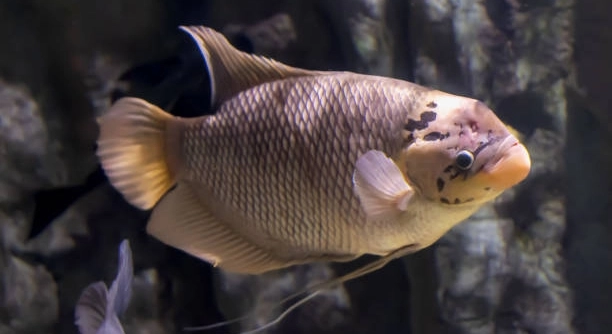
Gouramis are beautiful and delicate fish that bring life to any aquarium. Many owners enjoy watching them glide gracefully, but small mistakes in care can quickly affect their health and well-being. Attention to detail is essential.
Common mistakes that harm gouramis include overfeeding, poor water quality, inappropriate tank mates, incorrect temperature, insufficient hiding spots, improper tank size, and neglecting regular health checks. Each factor can stress the fish and lead to illness or even death.
Knowing these errors and how they impact your gourami will help you provide a safer, healthier environment for your aquatic companion. Proper care ensures they thrive and remain vibrant in your aquarium.
Overfeeding Your Gourami
Overfeeding is one of the most common mistakes in keeping gouramis. It’s easy to think that more food equals a healthier fish, but excess food can pollute the tank and lead to obesity. Uneaten food decomposes quickly, increasing ammonia and nitrite levels. High ammonia stresses gouramis, making them more susceptible to disease and reducing their lifespan. Overfeeding can also cause digestive problems, bloating, and swim bladder issues, which affect movement and overall health. A good practice is to feed small portions that your gourami can finish within two to three minutes, once or twice a day. Observing their behavior during feeding helps adjust quantities. Different gourami species may have slightly varying dietary needs, so it’s important to research their specific requirements. A balanced diet with occasional treats like bloodworms or brine shrimp supports growth, coloration, and immune function. Consistency in feeding helps maintain water quality and keeps your fish healthy.
A controlled feeding routine prevents stress and water contamination, ensuring your gourami stays active and vibrant in the tank.
Regularly monitoring feeding habits can prevent health issues. Adjust portions, remove leftovers promptly, and maintain a clean tank to support your fish’s well-being over time.
Maintaining Poor Water Quality
Water quality is vital for gourami health. Dirty or unstable water can lead to infections, fin rot, and lethargy. Regular testing and water changes keep conditions stable.
Ignoring water parameters allows toxins to accumulate, stressing your fish and potentially causing long-term damage. Proper filtration, weekly water changes, and testing for ammonia, nitrites, and nitrates are necessary to maintain a safe environment. Temperature fluctuations or pH imbalances can also negatively impact your gourami, making them more prone to disease. A stable, clean tank reduces stress and supports natural behaviors such as foraging and swimming. Incorporating live plants can improve oxygenation and provide hiding spots, further contributing to overall health. Maintaining good water quality requires consistency and attention, but the payoff is a thriving, energetic gourami that displays its full colors and behaviors. Neglecting these practices may seem minor at first, but over time, poor water conditions can drastically shorten your fish’s lifespan and compromise their immune system, leaving them vulnerable to infections.
Incompatible Tank Mates
Aggressive or overly active fish can stress gouramis, leading to injury or illness. Choosing peaceful species that occupy different tank levels helps maintain harmony.
Stress from incompatible tank mates weakens the immune system, making gouramis more prone to disease. Aggressive fish may chase, nip fins, or dominate food, leaving gouramis fearful and malnourished. Observing behavior when introducing new fish is crucial. Opt for calm species such as small tetras or rasboras, and avoid fin-nipping or territorial fish. Properly arranged hiding spots reduce conflicts and allow gouramis to retreat when needed. Careful planning ensures all tank inhabitants coexist safely, preserving health and promoting natural behaviors.
Providing space, plants, and barriers helps minimize conflict. Gouramis need calm surroundings to thrive. Choosing compatible species supports peaceful interactions, reduces stress, and encourages normal activity and feeding habits.
Incorrect Tank Temperature
Gouramis are sensitive to temperature changes, which affect metabolism and immunity. Consistent warmth between 75–82°F suits most species.
Sudden temperature drops or fluctuations can lead to stress, loss of appetite, and weakened immune response. Too low a temperature slows metabolism, causing lethargy, while excessively high temperatures reduce oxygen levels and increase susceptibility to disease. Using a reliable heater and thermometer ensures stability. Adjust gradually if changes are needed, and monitor behavior closely during transitions. Seasonal variations or room temperature changes may require extra attention. Stable conditions allow gouramis to maintain natural activity, grow properly, and resist common infections.
Long-term temperature inconsistency often results in chronic stress. A properly heated tank with careful monitoring minimizes risks, supports digestion, and encourages active swimming, feeding, and overall well-being. Maintaining a steady environment is key to a healthy, vibrant gourami.
Lack of Hiding Spots
Gouramis need places to feel secure. Without adequate hiding spots, they can become stressed and withdrawn, affecting health and behavior.
Plants, decorations, and caves provide essential cover. Stress from exposure can lead to illness and reduce natural activity, making gouramis more vulnerable to disease.
Improper Tank Size
A tank that is too small limits movement and increases waste concentration. Overcrowding stresses gouramis, reducing immunity and lifespan. Providing sufficient space allows normal swimming patterns and helps maintain water quality. Proper tank dimensions depend on species size, with most gouramis needing at least 20 gallons.
Neglecting Health Checks
Regular observation is crucial to catch early signs of illness. Ignoring changes in behavior, appetite, or appearance can allow diseases to progress unchecked.
FAQ
What is the best diet for gouramis?
Gouramis thrive on a varied diet that includes high-quality flakes or pellets as a staple. Occasional treats like bloodworms, brine shrimp, or daphnia provide essential protein and help maintain vibrant colors. Overfeeding should be avoided, and portions should match the fish’s consumption within a few minutes. Supplementing with plant matter or spirulina-based foods supports digestive health and prevents nutrient deficiencies. A consistent feeding schedule, combined with careful portion control, keeps the tank clean and minimizes stress from competition over food. Observing their response to different foods helps identify preferences and ensures all fish are receiving adequate nutrition.
How often should I change the water?
Water changes are vital to keep gouramis healthy. A general rule is 20–30% weekly, but frequency can depend on tank size, stocking levels, and filtration efficiency. Regular partial changes remove waste, excess nutrients, and toxins, preventing ammonia or nitrite spikes. During water changes, use a dechlorinator to protect the fish and check the temperature to prevent shock. Cleaning substrate and decorations during the change also helps maintain water quality. Monitoring parameters with test kits allows adjustments to ensure stable conditions. Consistency in water maintenance reduces stress and supports immune function.
What temperature is ideal for gouramis?
Most gourami species do best in 75–82°F (24–28°C). Maintaining a stable temperature is crucial, as fluctuations can stress fish, slow metabolism, or increase susceptibility to disease. Use a reliable heater with a thermometer and monitor readings regularly. Gradual adjustments are safer if temperature changes are needed. Room temperature alone is often insufficient, especially in colder climates. Consistent warmth supports digestion, swimming activity, and immune function. Tank covers can reduce heat loss and limit drafts. A well-regulated environment allows gouramis to display natural behavior and coloration consistently.
How do I choose compatible tank mates?
Peaceful, small to medium-sized fish that occupy different levels of the tank generally coexist well with gouramis. Avoid fin-nipping, aggressive, or highly territorial species. Introducing new fish slowly and observing interactions reduces stress and prevents injuries. Providing plenty of hiding spots and maintaining an adequate tank size helps reduce conflicts. Social gourami species may enjoy the company of calm companions, while solitary species prefer fewer tank mates. Properly chosen species encourage healthy feeding, swimming, and social behavior without causing undue stress. Compatibility is essential to preserve the fish’s well-being and reduce illness.
How can I prevent diseases in gouramis?
Preventing illness relies on stable water conditions, a balanced diet, and stress reduction. Regular observation for behavioral changes, such as loss of appetite, unusual swimming, or discoloration, helps catch problems early. Quarantining new fish and avoiding overcrowding reduce disease spread. Maintaining clean tanks and proper filtration also supports immune health. Promptly addressing minor health issues before they escalate is critical. Healthy gouramis are less prone to infections, and preventive care ensures they remain active and vibrant. Routine checks and consistent care create an environment where disease is unlikely to develop.
What are the signs of stress in gouramis?
Signs of stress include hiding excessively, loss of appetite, rapid gill movement, faded colors, or erratic swimming. Stress often results from poor water quality, incompatible tank mates, overcrowding, or inadequate hiding spots. Addressing the cause immediately can prevent illness. Stress management includes providing a stable environment, sufficient space, and proper nutrition. Observing fish daily helps identify subtle changes early. Reducing stress encourages normal activity, feeding, and growth. A calm, clean tank ensures your gourami maintains health and displays its natural colors and behaviors.
How do I maintain a clean tank without harming my gouramis?
Regular partial water changes, careful substrate cleaning, and filtration maintenance keep the tank clean. Remove uneaten food promptly and avoid harsh chemicals. Use a dechlorinator and maintain stable water temperature during changes. Gentle cleaning preserves beneficial bacteria that support biological filtration. Monitoring water parameters regularly ensures safe levels of ammonia, nitrites, and nitrates. Consistent maintenance reduces stress, prevents disease, and promotes natural behavior. Providing plants and decorations helps with biological filtration and offers hiding spots. Proper care ensures the tank environment remains healthy and supports your gouramis’ well-being over time.
Can gouramis live with plants?
Yes, live plants are beneficial. They provide hiding spots, improve water quality, and reduce stress. Gouramis often enjoy swimming among leaves and resting near them. Choose sturdy plants that can withstand gentle nibbling, and arrange them to allow open swimming space. Plants also help oxygenate water and reduce nitrate buildup. Including floating or tall plants mimics natural habitats, creating a more secure environment. Healthy plants contribute to a balanced ecosystem in the tank, supporting both water quality and the physical comfort of your gouramis.
How often should I check my gouramis’ health?
Daily observation is ideal. Watch for changes in behavior, appetite, coloration, and swimming patterns. Weekly parameter checks for ammonia, nitrites, nitrates, and pH complement visual monitoring. Prompt attention to early warning signs prevents serious health issues. Combining observation with routine maintenance ensures your gouramis remain active, healthy, and stress-free in their environment.
Gouramis are delicate and beautiful fish that require consistent care to thrive. Many common mistakes, such as overfeeding, poor water quality, and incompatible tank mates, can quickly affect their health. Understanding these factors helps maintain a stable environment, which is essential for their well-being. Providing proper nutrition, monitoring water conditions, and ensuring adequate space and hiding spots are fundamental practices that reduce stress and support natural behavior. Even small adjustments, like controlling feeding portions or adding plants, can make a noticeable difference in a gourami’s health. A consistent approach to care helps prevent illness and promotes longevity, allowing the fish to display vibrant colors and remain active. Observing their daily behavior provides insights into their needs and signals when changes are necessary, ensuring a healthier and more comfortable environment.
Maintaining water quality is one of the most critical aspects of keeping gouramis healthy. Regular testing for ammonia, nitrites, nitrates, and pH levels, combined with partial water changes, keeps the tank safe and reduces the risk of disease. A stable temperature within the recommended range ensures proper metabolism, digestion, and immune function. Filtration and the inclusion of live plants further support clean water and oxygenation, while hiding spots help minimize stress. Over time, consistent maintenance and careful observation allow you to notice subtle changes in behavior or appearance that might indicate health issues. Early detection of problems, whether from stress, disease, or environmental changes, can prevent more serious complications. Proper tank management, paired with attentive care, provides a stable and safe habitat where gouramis can grow, remain active, and display their full natural beauty.
Careful selection of tank mates and attention to daily routines are equally important. Peaceful, compatible species reduce stress and prevent injury or competition for food. A balanced diet that includes a variety of high-quality foods supports overall health and enhances coloration. Regular health checks, even simple daily observations, allow you to respond to potential issues quickly. These practices create a well-structured environment where gouramis can flourish, exhibiting normal behaviors such as swimming, foraging, and resting among plants or decorations. By following consistent care routines, maintaining stable conditions, and addressing issues promptly, you ensure your gouramis live a longer, healthier, and more comfortable life. Proper care requires attention, patience, and dedication, but the results are rewarding, with fish that remain active, vibrant, and resilient in the aquarium over time.

Hello,
If you enjoy the content that we create, please consider saying a "Thank You!" by leaving a tip.
Every little bit helps us continue crafting quality advice that supports the health, happiness, and well-being of pets around the world, for pets of all shapes, sizes, and species.
We really appreciate the kindness and support that you show us!