
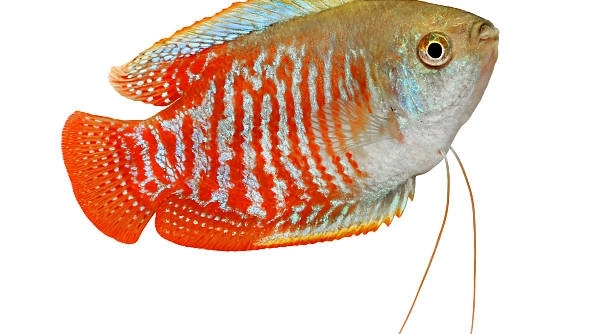
Are your gouramis living in a tank that feels plain or artificial? Creating a natural environment can improve their health and happiness while making your aquarium visually appealing and closer to their natural habitat.
To make a gourami tank more natural, focus on incorporating live plants, natural substrates, hiding spots, and gentle water flow. Proper lighting, temperature, and tank decorations that mimic their environment support both behavior and overall well-being.
Implementing these changes can greatly enhance your fish’s comfort and activity. The following tips will guide you in creating a more natural gourami tank.
Choosing the Right Plants
Adding live plants to a gourami tank improves water quality and provides hiding spots. Opt for hardy species such as Java fern, Anubias, or Amazon sword, which can thrive in moderate lighting. Floating plants like duckweed and frogbit offer surface cover, helping gouramis feel secure. Avoid overstocking the tank, as too many plants can restrict swimming space. Introduce plants gradually, ensuring they have time to adjust to the tank conditions. Trim dead or decaying leaves regularly to prevent water contamination. Healthy plants also support natural behaviors such as foraging and resting among leaves. Consider the tank size and gourami species when selecting plants, as larger fish need more open areas. Using natural decorations like driftwood or rocks alongside plants creates a balanced, visually appealing environment. This combination mimics their natural habitat and encourages active and stress-free behavior.
Proper plant care is essential for a thriving, natural aquarium. Healthy plants directly impact water quality and fish activity.
Plants not only enhance aesthetics but also create zones for exploration and resting. Gouramis interact naturally with plant clusters, reducing stress and promoting well-being throughout the tank.
Setting Up Hiding Spots
Hiding spots are crucial for gouramis to feel safe and reduce aggression. Use caves, driftwood, or dense plant areas to create multiple shelters. Ensure there is enough space for each fish to retreat when needed. Avoid overcrowding decorations, as it can limit swimming space. Gouramis appreciate areas near the water surface and mid-level zones for hiding. Incorporating varied textures and heights allows them to choose comfortable resting spots. Observe their behavior and adjust placements if some areas are underused or causing competition. Decorations should be stable to prevent tipping or trapping fish. Natural materials like smooth rocks or driftwood provide both security and enrichment. Hiding spots also support breeding behavior, as gouramis prefer secluded areas for nesting. Maintain cleanliness by removing uneaten food and debris around shelters. Combining hiding areas with plants creates a realistic and stress-free environment for your fish.
Proper hiding spots are essential for reducing stress and promoting natural behavior. Each fish benefits from a safe, accessible retreat in the tank.
Providing varied shelters helps gouramis express natural behaviors, from resting to exploring. Multiple hideouts also prevent conflicts and make the aquarium feel more dynamic and secure, enhancing overall tank harmony.
Selecting Natural Substrates
A natural substrate supports plant growth and mimics the gourami’s habitat. Sand or fine gravel is ideal. Avoid sharp or overly large rocks that can injure fish. Substrates also help beneficial bacteria thrive, maintaining water quality and creating a balanced environment for your fish.
Choosing the right substrate enhances both appearance and functionality. Sand provides a smooth surface for gouramis to swim and forage, while fine gravel allows plant roots to anchor securely. Mixing small amounts of nutrient-rich soil under sand or gravel supports healthy plant growth. Avoid using substrates with harmful chemicals or sharp edges, as these can damage fins or stress your fish. Layering substrates thoughtfully can create depth and natural contours, giving your tank a more realistic look. This combination encourages natural behaviors like digging, exploring, and resting, contributing to overall fish well-being.
Natural substrates also influence water parameters. Certain types can slightly lower pH or soften water, creating conditions closer to the gourami’s native environment. Selecting substrate that matches their natural habitat supports health, reduces stress, and enhances activity, making your tank feel more authentic and comfortable for your fish.
Maintaining Gentle Water Flow
Gouramis thrive in calm water with minimal current. Avoid strong filters or pumps that create fast flow, as this can stress fish. A gentle current replicates slow-moving streams or ponds from their natural environment, allowing them to swim comfortably and interact with their surroundings without difficulty.
Maintaining proper water flow improves oxygen distribution and keeps detritus from settling, while remaining gentle enough not to disturb plants or hiding spots. Positioning filters or air stones carefully ensures water circulates without creating strong currents. Flow direction should complement the placement of plants and decorations to maintain calm zones for resting and feeding. Gentle flow also supports breeding, as gouramis prefer stable conditions for bubble nest building. Combining controlled water movement with natural tank features creates an environment that encourages normal behaviors and reduces stress.
Proper water movement supports filtration efficiency and keeps the tank environment stable. Balancing flow ensures fish are active yet comfortable, preventing fatigue or aggression caused by excessive currents. Gentle circulation also helps distribute nutrients for plants, promoting overall tank health and maintaining a natural, thriving ecosystem.
Providing Proper Lighting
Proper lighting supports plant growth and helps gouramis follow natural day-night cycles. Use moderate light levels that do not overheat the tank. Avoid placing the aquarium in direct sunlight to prevent algae growth and temperature fluctuations.
Balanced lighting enhances plant health and highlights natural colors in gouramis. Timers can maintain consistent light periods, simulating a regular day-night schedule.
Temperature and Water Quality
Maintaining stable water temperature and quality is essential for gourami health. Keep water between 24–28°C, depending on the species, and monitor pH levels regularly. Clean water reduces stress and prevents disease, supporting natural behaviors and long-term well-being.
Adding Driftwood and Rocks
Driftwood and smooth rocks provide both decoration and functional hiding spaces. These materials create natural textures, encourage exploration, and help gouramis feel secure within their environment.
FAQ
How often should I clean my gourami tank?
Cleaning frequency depends on tank size and bioload. Perform partial water changes of 20–25% weekly to maintain water quality. Remove uneaten food and debris from the substrate regularly. Cleaning the filter should be done monthly, avoiding harsh chemicals to preserve beneficial bacteria. Observing your fish daily helps identify early signs of water problems or stress. Proper maintenance ensures a stable environment, reduces disease risk, and supports both plant growth and natural behavior. Consistent care also prevents unpleasant odors and keeps the tank visually appealing.
Can I mix different gourami species in the same tank?
Some gourami species are compatible, while others may show territorial or aggressive behavior. Smaller, peaceful gouramis like honey gouramis can coexist with similar-sized species. Avoid housing males of aggressive species together, as they may fight. Provide ample hiding spots and visual barriers to reduce stress and conflict. Monitor interactions closely and separate fish if aggression persists. Mixing species requires careful planning regarding tank size, decorations, and population density to ensure a harmonious environment. Observing fish behavior over time helps adjust tank arrangements to maintain peace and encourage natural activity.
What is the best way to feed gouramis naturally?
Gouramis thrive on a varied diet including high-quality flakes, pellets, and live or frozen foods like brine shrimp or bloodworms. Occasional plant-based treats such as blanched spinach or peas support digestion and mimic natural foraging. Feed small amounts 1–2 times daily, avoiding overfeeding to prevent water quality issues. Rotating food types encourages natural hunting and exploration behaviors. Uneaten food should be removed to reduce waste buildup. Observing feeding habits can also indicate health issues or stress. Proper nutrition supports coloration, growth, and overall vitality.
How do I encourage natural breeding behavior?
Provide calm water, stable temperature, and gentle lighting to mimic natural conditions. Include floating plants or structures for bubble nest building. Keep the male alone with minimal disturbances while ensuring the female has hiding spots. Feeding high-protein foods can stimulate breeding readiness. Regular monitoring is necessary to prevent aggression and protect eggs. After spawning, remove the female or provide dense plant coverage to reduce stress. Maintaining optimal water quality and minimal currents also supports successful breeding, as gouramis rely on specific environmental cues for reproduction.
Are there signs of stress I should watch for?
Stress in gouramis can show as faded color, rapid breathing, erratic swimming, or hiding excessively. Poor water quality, aggressive tank mates, or insufficient hiding spots are common causes. Observing daily behavior helps detect issues early. Adjusting tank conditions, providing secure areas, and maintaining proper feeding routines can reduce stress. Persistent stress can lead to illness, so prompt action is crucial. Stress reduction improves activity, encourages natural behaviors, and supports overall fish health.
Can I use artificial plants instead of live ones?
Artificial plants are easier to maintain but do not provide the same benefits as live plants. Live plants improve water quality, offer natural hiding spots, and encourage foraging behavior. If using artificial plants, ensure they have soft, smooth edges to prevent injury. Combining both types can balance aesthetics and maintenance, providing structure while supporting a natural environment. Regular cleaning prevents algae buildup on artificial decorations. Live plants still remain the preferred choice for replicating natural conditions and promoting fish well-being.
How can I prevent algae growth in a natural tank?
Control lighting duration and intensity to limit algae growth. Avoid overfeeding, as excess nutrients fuel algae. Incorporate live plants to compete with algae for nutrients. Regular partial water changes help maintain nutrient balance. Manual removal of algae from surfaces is effective without disturbing plants or fish. Using algae-eating fish or invertebrates can provide natural control. Observing water clarity and plant health allows early intervention. Consistent tank maintenance and monitoring are key to keeping algae under control while maintaining a natural and healthy environment.
What are the common mistakes to avoid in a natural gourami tank?
Overcrowding, poor water quality, aggressive tank mates, and insufficient hiding spots are common errors. Overfeeding leads to waste buildup, while inadequate plant coverage reduces security and natural behavior. Avoid rapid changes in water parameters or decorations. Monitoring fish behavior and water quality consistently ensures a balanced environment. Using sharp decorations or unsafe materials can cause injuries. Choosing appropriate species combinations and maintaining consistent care routines prevents stress and supports healthy, natural activity. Proper planning and ongoing observation are essential for a stable, thriving tank environment.
How important is tank size for natural behavior?
Tank size directly affects swimming space, social interactions, and stress levels. Larger tanks allow more plants, hiding spots, and swimming areas, supporting exploration and natural behaviors. Crowded or small tanks increase aggression and stress, reducing overall health. Proper sizing also allows better water quality management. Observing fish activity helps determine if the tank meets their spatial needs. Ensuring adequate room encourages natural movement, resting zones, and breeding behavior, creating a more authentic environment for gouramis to thrive comfortably.
Creating a natural environment for your gourami tank requires attention to several details, but the effort is worth it. By carefully selecting plants, substrates, and decorations, you provide a space that encourages natural behavior and reduces stress. Gouramis respond positively to surroundings that resemble their native habitats, and even small changes can make a noticeable difference in their activity and coloration. Live plants, smooth rocks, and driftwood not only improve aesthetics but also serve functional purposes, such as providing hiding spots, resting areas, and surfaces for foraging. Gentle water flow, stable temperature, and proper lighting complement these elements, helping to maintain a balanced and healthy ecosystem. Paying attention to these aspects creates a tank that is both visually appealing and suitable for your fish’s long-term health.
Maintaining a natural tank also involves consistent care and monitoring. Regular partial water changes, substrate cleaning, and filter maintenance prevent water quality issues and reduce the likelihood of disease. Observing your gouramis daily helps detect stress or behavioral changes early, allowing timely adjustments to their environment. Proper feeding is another key factor; a varied diet that includes flakes, pellets, and occasional live or frozen foods supports growth and encourages natural foraging behavior. Avoid overfeeding, as excess food can degrade water quality and lead to health problems. Additionally, providing adequate space and hiding spots reduces aggression and creates a sense of security, which is important for social interactions and breeding. Small adjustments, such as repositioning plants or decorations, can further enhance the natural feel of the tank and support a dynamic, comfortable environment for your fish.
Overall, making your gourami tank more natural is a step toward improving both the well-being of your fish and the overall appearance of the aquarium. Each element—plants, substrates, water flow, and decorations—works together to create a balanced habitat. By taking time to observe your fish and adapt the environment to their needs, you encourage natural behavior, reduce stress, and promote health. A natural tank not only benefits the fish but also creates a calming and visually pleasing space for you. With careful planning, consistent maintenance, and thoughtful adjustments, you can enjoy an aquarium that is both functional and aesthetically satisfying, offering a long-lasting, harmonious home for your gouramis.

Hello,
If you enjoy the content that we create, please consider saying a "Thank You!" by leaving a tip.
Every little bit helps us continue crafting quality advice that supports the health, happiness, and well-being of pets around the world, for pets of all shapes, sizes, and species.
We really appreciate the kindness and support that you show us!