
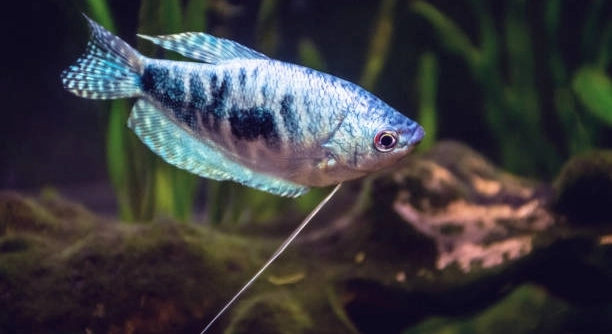
Keeping fish together can be tricky, especially when combining species with different sizes and temperaments. Giant Gouramis and goldfish are popular choices for home aquariums, but their needs and behaviors vary significantly, requiring careful consideration.
Giant Gouramis are generally not suitable tank mates for goldfish. Their larger size, territorial nature, and differing water requirements can lead to stress, aggression, and health issues for both species if housed together in the same aquarium.
Understanding the challenges and precautions of keeping these fish together will help ensure a safer, healthier environment for your aquatic pets.
Differences in Size and Temperament
Giant Gouramis can grow up to two feet long, while goldfish rarely exceed a foot in length. Their size difference alone can create problems in a shared tank. Giant Gouramis are territorial and can become aggressive when they feel their space is threatened. Goldfish, on the other hand, are peaceful and social, preferring calmer tank environments. Feeding habits also differ: gouramis are omnivores and may eat smaller fish if hungry, while goldfish mainly eat flakes, pellets, and vegetables. Temperature and water conditions are another concern. Giant Gouramis prefer slightly warmer, stable waters, while goldfish thrive in cooler, oxygen-rich tanks. Combining them often leads to stress, illness, and sometimes injury. It’s important to recognize that the mismatch isn’t just about size; behavior and environment play an equal role. Planning your aquarium with compatible species is essential to keeping both fish safe and healthy.
Their personalities and tank requirements make pairing these species a risky choice.
Even with careful monitoring, aggressive interactions can escalate quickly. Goldfish may hide or stop eating, and gouramis may dominate feeding times. Over time, this can reduce the overall health of both fish. A tank designed for only one species usually provides better long-term stability and fewer conflicts.
Tank Setup Considerations
Tank size is critical for any mixed-species aquarium.
A suitable tank for both would need to be extremely large, with plenty of hiding spots for goldfish and areas for gouramis to establish territory. Water filtration must handle high waste levels, and maintaining a stable temperature for both species is challenging. Decorations and plants should be arranged to minimize stress. Monitoring water quality, oxygen levels, and fish behavior is essential to prevent health problems. Regular feeding adjustments and observation can help reduce conflict, but risks remain.
Even with a well-planned tank, combining Giant Gouramis and goldfish is not recommended. Goldfish are cold-water fish, thriving in temperatures between 65–75°F, while Giant Gouramis prefer warmer waters, around 77–86°F. Keeping both in a shared tank may stress one or both species. Their growth rates differ, so a young goldfish may face bullying from a rapidly growing gourami. Feeding can become complicated as gouramis may eat goldfish food, leaving goldfish undernourished. Tank maintenance becomes more demanding, requiring constant attention to ensure water parameters suit both species. Separating them into species-specific tanks simplifies care, reduces stress, and promotes healthier, longer-living fish. Proper planning and understanding each fish’s unique needs are vital before attempting any mixed-species setup.
Feeding and Diet Differences
Giant Gouramis eat both plant matter and protein, including small fish or insects, while goldfish prefer flakes, pellets, and vegetables. Feeding them together can lead to competition and uneven nutrition. Careful planning is required to meet both species’ dietary needs without conflict.
Giant Gouramis require a varied diet to stay healthy, including vegetables like peas and spinach, along with protein sources such as worms or fish pellets. Goldfish, however, thrive on a simpler diet of flakes, pellets, and occasional vegetables. Mixing these diets in a shared tank is difficult, as gouramis may dominate the feeding area. Uneaten food can also cause water quality issues, further stressing both fish. Maintaining proper feeding schedules and observing each fish during meals is necessary to prevent malnutrition or aggression.
Providing separate feeding zones is sometimes possible but still risky. Goldfish may be intimidated by the larger gourami, leading to missed meals or stress. Monitoring both species closely ensures they receive the nutrition they need, but it requires consistent attention and effort. Regular water changes are also critical to manage waste from differing diets, keeping the tank environment healthy for both fish.
Water Conditions and Tank Environment
Giant Gouramis prefer warmer, slightly acidic to neutral water, while goldfish thrive in cooler, alkaline water. Balancing these conditions for both species is extremely challenging.
Temperature differences can stress both fish, reducing immunity and increasing disease risk. Filtration must handle heavy waste from goldfish while keeping water suitable for gouramis. Oxygen levels should remain high, as goldfish need cooler, well-oxygenated water, whereas gouramis can tolerate lower oxygen but require surface access to breathe. Plant placement and decorations must allow both fish to move freely without triggering aggression. Maintaining these conditions demands constant monitoring and adjustments. Many aquarists find it more practical to keep each species in separate, species-specific tanks to ensure stable, healthy environments.
Aggression and Territorial Behavior
Giant Gouramis can be aggressive, especially as they grow larger. They often claim territory in the tank, which can stress goldfish. Goldfish are generally peaceful and may hide or stop eating if intimidated. Constant monitoring is necessary to prevent serious conflict.
Aggression increases during feeding or breeding periods. Gouramis may chase or nip goldfish, causing injury or stress. Goldfish are slow-moving and unable to defend themselves effectively. Over time, this behavior can weaken goldfish, making them more prone to disease. Separating aggressive fish or providing barriers in the tank can reduce tension, but risks remain high.
Tank Size Requirements
A large tank is essential for any attempt to keep gouramis and goldfish together. At least 100 gallons is recommended, with ample swimming space and hiding areas to reduce stress.
Observation and Maintenance
Regular observation is critical to catch early signs of stress or illness. Monitoring behavior, feeding, and water quality helps maintain a safer environment for both species.
FAQ
Can Giant Gouramis and goldfish live together safely?
Giant Gouramis and goldfish are not ideal tank mates. Gouramis grow much larger and are territorial, while goldfish are peaceful and slower. Housing them together often results in stress, injury, or uneven feeding. Separate tanks are usually the safest choice.
What size tank would be needed to house them together?
If attempting to keep them in the same tank, an extremely large aquarium is required, ideally over 100 gallons. The tank must include plenty of hiding spaces for goldfish and defined areas for gouramis to establish territory. Even then, risks remain high.
How do their water requirements differ?
Goldfish prefer cooler water, around 65–75°F, with higher oxygen levels and slightly alkaline pH. Giant Gouramis thrive in warmer water, 77–86°F, with neutral to slightly acidic pH. Balancing these conditions for both species is extremely challenging and can stress one or both fish.
What are the main aggression risks?
Giant Gouramis are territorial and may chase or nip goldfish, particularly during feeding or breeding periods. Goldfish are generally slow and cannot defend themselves. Aggression can cause injuries, reduce feeding for goldfish, and increase susceptibility to disease. Careful observation or separation is necessary.
How do their diets differ?
Giant Gouramis eat a mix of plant matter and protein, including small fish or insects. Goldfish primarily eat flakes, pellets, and vegetables. Feeding them together can lead to competition and underfeeding. Separate feeding areas and careful portioning are essential if housed together.
Can their health be impacted by sharing a tank?
Yes. Stress from aggression, mismatched water conditions, and competition for food can weaken both species’ immune systems. Disease risk increases, and long-term health can be compromised. Regular water testing, proper diet, and monitoring behavior are required to reduce problems.
Are there any ways to reduce conflict?
Providing a very large tank with visual barriers, plants, and separate feeding areas may help, but it does not eliminate risks. Aggressive behaviors can still occur. Most aquarists find keeping them in separate, species-specific tanks more practical and safer.
What signs indicate stress in goldfish?
Goldfish may hide, stop eating, swim erratically, or display dull colors when stressed. Aggression from gouramis often triggers these behaviors. Early intervention, such as separating the species or adjusting tank conditions, can help prevent illness or injury.
Is it easier to keep juvenile gouramis with goldfish?
Juvenile gouramis may be less aggressive initially, but they grow quickly. Once they reach a larger size, they often dominate goldfish, leading to feeding issues and territorial disputes. Planning for the adult size of gouramis is critical.
What maintenance is required if they are kept together?
Frequent water testing, partial water changes, and monitoring of behavior are necessary. Ensuring proper filtration, temperature, and oxygen levels is critical. Feeding must be carefully managed to ensure both species receive adequate nutrition. Despite precautions, long-term cohabitation is rarely trouble-free.
Are there alternative species combinations?
Goldfish are better paired with other peaceful, cold-water fish of similar size. Giant Gouramis do well with other warm-water, non-aggressive species of comparable size. Choosing compatible species reduces stress, aggression, and maintenance challenges significantly.
What is the overall recommendation?
While cohabitation is technically possible under very specific conditions, it is not recommended. Differences in size, temperament, diet, and water requirements make long-term success unlikely. Separate tanks are the most reliable way to ensure the health and well-being of both fish.
This FAQ highlights the main considerations for anyone thinking about keeping Giant Gouramis with goldfish. Understanding these differences helps prevent mistakes that can lead to stress, injury, or early death for either species. Proper planning, careful observation, and respect for each species’ needs are essential for a healthy aquarium.
Keeping Giant Gouramis and goldfish together may seem like an interesting idea at first, but it comes with many challenges. Their differences in size, temperament, diet, and water requirements make cohabitation difficult. Giant Gouramis can grow very large, sometimes reaching up to two feet, while goldfish remain much smaller. This size difference alone can create stress and even pose a risk of injury to the smaller goldfish. Gouramis are naturally territorial, especially as they mature, and they may chase or nip other fish that enter their space. Goldfish, on the other hand, are peaceful and tend to avoid confrontation. Housing them together often results in an unbalanced environment where goldfish may hide, stop eating, or become stressed, which can lead to illness over time.
Dietary differences also complicate shared tank life. Giant Gouramis are omnivores and require both plant matter and protein, including insects or small fish. Goldfish primarily eat flakes, pellets, and vegetables. Feeding them together is tricky because gouramis can dominate the food supply, leaving goldfish undernourished. Uneaten food from either species can negatively impact water quality, creating higher maintenance needs. Additionally, their water requirements differ. Goldfish prefer cooler, well-oxygenated water, while Giant Gouramis thrive in warmer conditions and can tolerate lower oxygen levels. Attempting to maintain a tank environment that suits both species is a constant balancing act. Even with a large tank, ample hiding spots, and careful monitoring, the risk of conflict and stress remains high.
For long-term success, it is often better to keep Giant Gouramis and goldfish in separate tanks. Species-specific tanks allow each fish to thrive in the conditions they prefer, with proper water temperature, oxygen levels, and feeding routines. Separate tanks also reduce stress, prevent aggression, and make maintenance easier, ensuring both fish can live healthier, longer lives. While mixed-species aquariums can work in some cases, the differences between these two species are significant enough that separation is usually the safer choice. Careful planning and understanding of each species’ natural behaviors are essential for anyone looking to maintain a peaceful and healthy aquarium environment. In the end, prioritizing the well-being of the fish over the appeal of a mixed tank is the best way to enjoy keeping both Giant Gouramis and goldfish.

Hello,
If you enjoy the content that we create, please consider saying a "Thank You!" by leaving a tip.
Every little bit helps us continue crafting quality advice that supports the health, happiness, and well-being of pets around the world, for pets of all shapes, sizes, and species.
We really appreciate the kindness and support that you show us!