
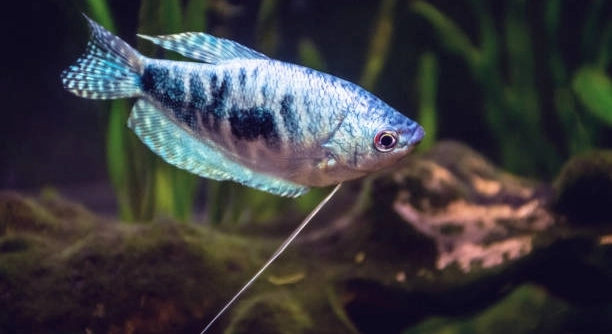
Giant gouramis are striking fish that bring life to any freshwater aquarium. Their size and gentle nature make them a favorite, yet caring for them properly requires attention to their environment and comfort.
Giant gouramis require a heater to maintain a stable water temperature, ideally between 75°F and 82°F. Consistent warmth supports their metabolism, immunity, and overall well-being, preventing stress-related illnesses and promoting healthy growth in captivity.
Providing the right temperature is just one step. Proper heating ensures your giant gourami thrives and remains active in its tank.
Why Temperature Matters for Giant Gouramis
Giant gouramis are tropical fish, and their bodies rely on warm water to function properly. Without consistent warmth, they can become sluggish and less active, making them more prone to illness. Temperature fluctuations stress their immune system, slowing growth and sometimes leading to fatal conditions. Maintaining a stable environment helps them feed efficiently and interact with their surroundings naturally. A heater is not just a convenience—it ensures the fish’s daily behavior and metabolism remain normal. In cooler water, their digestion can slow, causing bloating or other health problems. Even small drops in temperature can affect their energy levels, making them hide or float near the surface. For larger aquariums, multiple heaters or a high-capacity heater can help maintain even warmth throughout the tank. Monitoring the water regularly with a reliable thermometer allows you to adjust settings before any significant drops occur.
Proper heating safeguards your giant gourami’s health and encourages steady growth in a stable environment.
Consistent water temperature also reduces stress during minor water changes or seasonal shifts. By keeping the tank within the ideal range, your fish will remain active and alert. A well-heated tank ensures feeding routines are consistent, helping you notice changes in behavior quickly. Over time, stable warmth supports breeding behavior and strengthens resistance to disease, making daily care more predictable and rewarding.
Choosing the Right Heater for Your Tank
Not all heaters are suitable for every aquarium size. Choosing one that matches your tank’s volume ensures even heat distribution and prevents hot or cold spots.
When selecting a heater, consider wattage, adjustable temperature settings, and a reliable brand with safety features. For tanks over 50 gallons, high-capacity heaters or multiple smaller units work best to maintain uniform warmth. Submersible heaters are preferred for stability and ease of placement, and pairing them with a thermometer allows accurate monitoring. Always install the heater near water flow to prevent temperature gradients and check it regularly for proper function. Additionally, having a backup heater or power source can protect your fish if the main heater fails, especially in colder climates. Regular maintenance includes inspecting the heater for mineral buildup or damage and recalibrating the temperature when needed. By investing in the right equipment, you create a healthy, comfortable environment where your giant gourami can thrive and display its natural behavior fully.
Setting the Ideal Temperature
For giant gouramis, the ideal temperature range is 75°F to 82°F. Staying within this range keeps their metabolism steady and prevents stress. Sudden drops or spikes in temperature can affect feeding and overall activity, making consistent heating essential for their well-being.
Monitoring the water temperature daily ensures the heater functions correctly and the environment remains stable. Fluctuations can make your fish lethargic, reduce appetite, and increase susceptibility to disease. Using a reliable thermometer and placing the heater near water flow helps maintain even warmth. Adjusting gradually during seasonal changes prevents shock, and consistent temperature supports proper digestion and energy levels. Stable warmth also encourages natural behaviors and reduces hiding or erratic swimming.
Even minor deviations from the ideal range can have long-term effects. Consistency is more important than high heat, as sudden spikes or cold patches create stress. Proper tank insulation and careful placement of the heater help avoid these fluctuations. Checking the thermometer several times a day during adjustments ensures the water stays within the target range. This approach promotes healthy growth, reduces stress, and keeps your giant gourami active and alert in its environment.
Signs Your Gourami Is Too Cold
Lethargy and reduced appetite are the most noticeable signs that a giant gourami is too cold. These behaviors indicate stress and slowed metabolism.
If your fish is spending more time at the surface or near the heater, it may be trying to find warmth. Cold water can slow digestion, leading to bloating or constipation. Colors may fade, and the fish may become less responsive to feeding or interaction. In prolonged cold conditions, immune function weakens, increasing the risk of infections. Small movements and reduced swimming indicate discomfort, signaling that heater settings or placement may need adjustment. Regular observation helps catch these signs early and prevent health issues.
Addressing temperature issues quickly avoids long-term damage to your fish. Ensuring proper heater capacity and consistent monitoring keeps your giant gourami comfortable. Adjusting water gradually after maintenance or partial changes prevents shock. A stable warm environment encourages normal feeding, swimming patterns, and activity levels. Over time, proper heating improves growth rates, overall health, and reduces susceptibility to disease. By observing behavior closely, you can identify subtle changes before they become serious, ensuring your fish remains healthy and active in its tank.
Common Heater Mistakes
Placing the heater in a corner with little water flow can create uneven temperatures. This may leave some areas too cold or too warm, stressing your giant gourami. Proper placement ensures consistent warmth throughout the tank.
Not adjusting the heater gradually after water changes can shock your fish. Sudden temperature shifts are harmful and can lead to illness. Always make small, incremental adjustments to maintain stability and comfort for your gourami.
Using a Thermometer Effectively
A reliable thermometer is essential for monitoring water temperature accurately. Place it at the opposite end of the tank from the heater to detect any cold spots. Check readings daily, especially after adding new water or adjusting heater settings. Regular monitoring prevents sudden temperature changes and keeps the environment safe for your fish. Consistency helps your giant gourami remain active, healthy, and stress-free.
Seasonal Temperature Considerations
During colder months, heaters may need higher output to maintain warmth. Insulating the tank or avoiding drafts helps prevent fluctuations.
FAQ
How long should the heater run each day for giant gouramis?
The heater should run continuously to maintain a stable temperature. Turning it off, even for a few hours, can cause water to cool and stress your fish. Continuous heating ensures their metabolism and behavior stay consistent. Using a reliable thermostat helps regulate the temperature automatically, preventing fluctuations.
Can giant gouramis survive without a heater?
They may survive in warmer climates without a heater, but their health will likely be compromised. Cooler or fluctuating temperatures slow metabolism, reduce appetite, and make them more prone to disease. A heater ensures stable conditions that support proper growth, immunity, and activity.
What is the ideal temperature for giant gouramis?
The ideal range is 75°F to 82°F. Temperatures below 75°F can make them lethargic and more vulnerable to illness, while temperatures above 82°F can cause stress and reduce oxygen levels. Maintaining the right range keeps them active and healthy.
How do I know if my heater is working correctly?
Regularly check your thermometer to confirm consistent readings. Look for any unusual fluctuations, and inspect the heater for damage or mineral buildup. A properly functioning heater maintains water at a steady temperature, preventing stress and health problems.
Can I use multiple heaters in one tank?
Yes, especially for larger tanks over 50 gallons. Multiple heaters help maintain even warmth and prevent cold spots. Place them on opposite sides of the tank with good water flow. This ensures your giant gourami experiences consistent temperature throughout the environment.
Do I need a backup heater?
A backup heater is recommended for colder climates or large tanks. If the primary heater fails, a secondary unit can prevent sudden drops in temperature that could harm your fish. It adds security and ensures your gourami remains safe.
Should I adjust the heater after water changes?
Yes, but adjust gradually. Sudden changes in water temperature can shock your fish. Slowly match the new water to the tank temperature before resuming normal heater settings. This prevents stress and keeps digestion and activity levels normal.
Is a submersible heater better than a regular heater?
Submersible heaters are preferred because they distribute heat evenly and are easier to place. They are safer and less likely to overheat certain areas. Combined with a thermometer, submersible heaters create a stable environment for your giant gourami.
How do I prevent temperature fluctuations at night or during power outages?
Tank insulation, backup heaters, or a generator for long outages can help maintain warmth. Avoid placing the tank near windows, vents, or drafty areas. Consistent temperature prevents stress and health issues for your giant gourami.
Can water temperature affect breeding?
Yes, stable warmth encourages breeding behavior. Fluctuating or cold temperatures can inhibit mating and reduce egg viability. Keeping water in the ideal range supports natural reproductive cycles and overall health.
How often should I check the heater and thermometer?
Daily checks are recommended, especially during seasonal changes. Ensure both are functioning correctly and providing accurate readings. Regular monitoring prevents temperature-related problems and ensures your fish remains active and healthy.
What are the signs that my giant gourami is too hot or too cold?
Cold fish become sluggish, hide more, and eat less. Hot water can cause rapid breathing, lethargy, and faded colors. Monitoring behavior along with thermometer readings helps identify problems before they affect health.
Can a heater cause problems if it’s too strong?
Yes, overheating can reduce oxygen levels, stress your fish, and promote disease. Use a heater appropriate for your tank size and place it where water flow distributes warmth evenly. Avoid setting temperatures above the recommended range.
Do decorations and plants affect heating?
Yes, large decorations or dense plants can block water flow and create cold spots. Place the heater strategically and ensure circulation reaches all areas. This keeps the entire tank at a stable temperature for your giant gourami.
How long does it take for a heater to stabilize water after adjustments?
It usually takes several hours for water to reach a new temperature, depending on tank size and heater wattage. Adjust slowly and monitor the thermometer to prevent sudden temperature changes that can stress your fish.
Can temperature changes affect feeding habits?
Yes, sudden drops in temperature can reduce appetite, while optimal warmth encourages regular feeding and digestion. Maintaining stable water temperature ensures your giant gourami remains active and eats consistently.
Should I combine a heater with a filter for better temperature distribution?
Yes, a filter helps circulate water and evenly distribute heat. Proper flow prevents hot or cold spots and keeps the tank environment uniform. This combination promotes comfort and health for your giant gourami.
Is it safe to leave the heater on when I am away?
Yes, a properly functioning heater can run unattended, but it’s important to use a reliable thermostat. Regular checks before leaving ensure the heater is operating correctly and reduces the risk of temperature-related stress.
Can tank size impact how often I adjust the heater?
Smaller tanks fluctuate faster and may require closer monitoring, while larger tanks maintain temperature more steadily. Understanding your tank’s dynamics helps you make small adjustments without stressing your giant gourami.
How do I choose the correct wattage for my heater?
Heater wattage depends on tank size. A general rule is 3–5 watts per gallon. Larger tanks may require multiple heaters or higher wattage to maintain consistent warmth. Correct sizing ensures even heating and reduces stress on your fish.
Does water temperature affect disease susceptibility?
Yes, unstable or inappropriate temperatures weaken the immune system, making giant gouramis more prone to infections. Keeping water in the optimal range supports immunity and helps your fish fight off common illnesses.
Can I use a digital thermostat with my heater?
Yes, digital thermostats provide precise temperature control and alerts for fluctuations. They are convenient for maintaining stability and protecting your giant gourami from sudden temperature changes.
How often should I replace my heater?
Replace heaters every few years or if damaged. Worn-out heaters can fail suddenly, leading to dangerous temperature drops. Regular inspection ensures continued reliability and a safe environment for your fish.
Can sudden weather changes affect the tank temperature?
Yes, cold drafts, heat waves, or air conditioning can impact water temperature. Proper insulation and stable heater use prevent stress and maintain consistent warmth for your giant gourami.
Are there signs the heater is too weak?
If the tank fails to reach the target temperature or cold spots persist, the heater may be underpowered. Upgrading to the correct wattage or adding a second heater ensures stable water conditions.
Can heating pads or external methods replace a proper aquarium heater?
No, external heating is usually uneven and unreliable. Submersible or fully submerged heaters provide consistent, controllable warmth essential for the health of giant gouramis.
How do I balance heating with oxygen levels?
Warm water holds less oxygen, so ensure proper aeration and water movement. Filters, air stones, and surface agitation help maintain oxygen while keeping water at the ideal temperature.
Can too much heat encourage algae growth?
Yes, higher temperatures can accelerate algae growth. Maintaining the proper range for your gourami and regular tank cleaning balances warmth without creating excessive algae.
What are the most common heater problems to watch for?
Problems include mineral buildup, inaccurate temperature readings, damaged cords, and uneven heating. Regular inspection and cleaning prevent these issues and ensure stable conditions for your giant gourami.
Is it necessary to have a heater in a heated room?
Even in a warm room, water temperature can fluctuate. A heater stabilizes the tank and prevents sudden drops during nighttime or cooler days, keeping your fish comfortable.
How does water volume affect heating time?
Larger volumes take longer to heat and stabilize. Knowing your tank’s capacity helps select the right wattage and anticipate gradual adjustments for consistent warmth.
Are all heaters compatible with salt-free freshwater tanks?
Most are, but always check specifications. Giant gouramis thrive in freshwater, and using a heater rated for freshwater ensures safety and effectiveness.
Can heater placement affect behavior?
Yes, areas near the heater may be warmer, causing fish to linger or avoid certain zones. Even distribution with proper flow prevents behavioral stress.
How can I maintain consistent temperature during vacations?
Use reliable heaters with thermostats and consider battery backup or timers. Regular checks before leaving ensure stability and prevent stress for your giant gourami.
Is it better to slightly overheat or slightly underheat the tank?
Slightly underheating is safer. Overheating reduces oxygen levels and stresses fish. Maintaining water within the ideal range keeps your giant gourami healthy and active.
Do decorations trap heat or create cold spots?
Yes, large rocks or dense plants can block circulation, creating uneven warmth. Proper placement and water flow prevent these temperature variations.
Can I use multiple thermometers for better accuracy?
Yes, placing thermometers at opposite ends of the tank helps detect cold or hot spots and ensures consistent monitoring for your giant gourami.
Does frequent heater adjustment harm the fish?
Yes, frequent or sudden changes cause stress. Make small, gradual adjustments to maintain stability and protect their health.
Are there energy-efficient heaters suitable for giant gouramis?
Yes, modern heaters with thermostats and energy-saving designs maintain stable temperatures without consuming excessive electricity. Choosing the right size ensures efficiency and effectiveness.
How do I combine heating with water filtration?
Filters circulate warm water, preventing temperature gradients. Place the heater near water flow for even distribution and a stable environment for your giant gourami.
Can temperature affect aggression in giant gouramis?
Yes, stress from improper warmth can increase aggression or hiding behavior. Maintaining stable temperatures reduces stress and supports normal social interactions.
What maintenance is needed for a heater?
Clean buildup, inspect cords, and check temperature accuracy regularly. Proper maintenance ensures reliability, prevents sudden failure, and keeps your giant gourami healthy.
How do I handle heater failure safely?
Have a backup heater or temporary heating solution. Gradually restore warmth and monitor fish for stress or unusual behavior. Quick action minimizes health risks.
Does heater type matter for different tank shapes?
Yes, tall or long tanks may require specific placements or multiple heaters for uniform warmth. Understanding your tank’s layout ensures consistent conditions for your giant gourami.
Can sudden temperature drops cause permanent damage?
Yes, prolonged exposure to cold can weaken the immune system and stunt growth. Maintaining stable warmth prevents long-term health issues.
How do I prevent heater accidents?
Secure placement, avoid contact with decorations, and use a protective casing if possible. Regular inspections reduce risk and keep your fish safe.
Are all giant gouramis equally sensitive to temperature?
Larger or older fish may tolerate slight variations better, but consistent warmth benefits all ages. Stable temperature supports growth, immunity, and activity for every fish.
Can temperature affect molting or shedding behavior in gouramis?
Improper warmth slows metabolism, affecting natural behaviors like fin or scale regeneration. Stable temperatures promote normal development and overall health.
Should I adjust temperature gradually when acclimating new fish?
Yes, sudden changes stress new arrivals. Gradually match tank temperature to acclimate them safely and reduce risk of illness or shock.
Can seasonal sunlight affect heater performance?
Yes, direct sunlight can raise water temperature unevenly. Monitor the tank and adjust the heater to maintain the ideal range for your giant gourami.
Is it safe to unplug the heater for maintenance?
Yes, but only briefly and with careful temperature monitoring. Gradually restore heating after maintenance to avoid stressing your fish.
Do heaters affect pH or water chemistry?
Heaters themselves do not change pH, but temperature fluctuations can influence chemical reactions in the tank. Maintaining stable warmth helps keep water chemistry steady.
How do I combine heating with supplemental lighting?
Lighting may slightly raise water temperature. Monitor with a thermometer and adjust the heater to maintain consistent warmth for your giant gourami.
Are there signs of chronic temperature stress?
Chronic stress includes faded colors, slow growth, reduced appetite, and erratic swimming. Maintaining stable warmth prevents these long-term issues.
Can heater placement near plants or decorations harm them?
Direct contact may damage delicate plants, but proper positioning ensures warmth without interference. Circulation helps distribute heat evenly.
Does frequent water testing affect temperature?
Testing itself has minimal impact, but opening the tank frequently can lower water temperature. Minimize exposure and adjust heating gradually if needed.
What is the safest way to test heater accuracy?
Use a reliable thermometer at multiple points in the tank. Compare readings over several hours to ensure stable, consistent temperatures for your giant gourami.
Can heating influence swimming patterns?
Yes, fish may avoid cold or overly warm areas. Proper heater placement and circulation ensure even conditions, supporting natural swimming and behavior.
How do I balance heating with filtration during cleaning?
Keep the heater running if possible and monitor temperature closely. Gradually restore flow and heat after partial water changes to maintain stability.
Can heater malfunctions lead to sudden deaths?
Yes, sudden drops or spikes in temperature are dangerous. Reliable equipment, monitoring, and backups reduce this risk and keep your giant gourami safe.
Are there portable heaters for temporary use?
Yes, portable heaters can maintain warmth during cleaning or emergencies. Ensure proper placement and monitoring to avoid stress or uneven heating.
How long can a giant gourami tolerate slight temperature fluctuations?
Short periods are usually tolerable, but prolonged fluctuations weaken immunity and increase stress. Consistent warmth is essential for health.
Does tank cover or lid affect heating efficiency?
Yes, a covered tank reduces heat loss and evaporation, making it easier to maintain a stable temperature for your giant gourami.
Can heaters cause electrical hazards in the tank?
Yes, damaged cords or improper placement pose risks. Regular inspection and safe installation prevent accidents while maintaining consistent warmth.
Do different heater brands vary in reliability?
Yes, quality and design affect performance and durability. Choosing a trusted brand reduces failure risk and ensures stable conditions for your giant gourami.
Can temperature affect interaction with other tank mates?
Yes, stress from improper warmth can make giant gouramis less active or aggressive. Stable heating promotes normal social behavior and reduces conflict.
How do I avoid over-reliance on a single heater?
Consider multiple heaters or a backup unit for large or valuable tanks. Redundancy ensures consistent warmth and reduces risk if one heater fails.
Can water additives affect heater performance?
Most additives are safe, but monitor for any chemical buildup on the heater. Regular cleaning maintains efficiency and consistent temperature.
Should I adjust heating during extreme weather events?
Yes, monitor tank temperature and make small adjustments. Extreme cold or heat can stress your giant gourami if not addressed promptly.
How do I maintain heater efficiency over time?
Clean regularly, check for damage, and recalibrate temperature settings. Proper maintenance ensures reliable performance and a safe environment for your fish.
Can heater cords pose a risk to gouramis?
Yes, ensure cords are secured and away from decorations or fish activity. Proper installation prevents accidents and maintains consistent heating.
How often should I replace thermometers?
Replace when inaccurate or damaged. Regular checks ensure proper monitoring, helping maintain stable temperature for your giant gourami.
Can heater failure be prevented with regular inspection?
Yes, checking for buildup, damage, and temperature accuracy reduces failure risk. Preventive care keeps your fish safe and healthy.
Does tank location affect heater efficiency?
Yes, avoid drafty areas, direct sunlight, or near vents. Proper placement ensures consistent heating and reduces stress for your giant gourami.
How do I handle temperature issues in multi-tank setups?
Monitor each tank individually. Ensure heaters are sized and placed correctly for each tank to maintain stable temperatures across setups.
Can heater noise stress the fish?
Some heaters produce mild noise, but it rarely affects giant gouramis. Choosing quieter models reduces any minor disturbances in the tank.
Is it safe to adjust the heater during feeding?
Avoid adjusting during feeding to prevent sudden temperature changes that could stress the fish. Make gradual changes at other times instead.
Do heater settings drift over time?
Yes, calibration can change. Regularly verify with a thermometer and adjust settings to maintain consistent water temperature for your giant gourami.
Can improper heating affect coloration?
Yes, prolonged stress from cold or fluctuating temperatures can dull colors. Maintaining the ideal range preserves vibrant hues.
How do I balance heating and oxygen during winter?
Ensure proper aeration while maintaining warmth. Filters, air stones, and circulation help oxygenate water while keeping it at the correct temperature.
Can heater placement impact plant growth?
Yes, uneven warmth can affect sensitive plants. Position heaters to avoid hot spots and ensure circulation reaches all areas.
How do I troubleshoot heater inconsistencies?
Check for damage, mineral buildup, and placement issues. Verify with multiple thermometers and adjust gradually to stabilize water temperature.
Can heater failure affect breeding cycles?
Yes, improper warmth can disrupt reproductive behavior and egg viability. Maintaining stable temperature supports natural breeding cycles.
Are there long-term effects of minor temperature fluctuations?
Repeated fluctuations stress fish, weaken immunity, and slow growth. Consistency is key for long-term health and activity.
Does tank size influence how quickly temperature changes?
Smaller tanks heat or cool faster, requiring closer monitoring. Larger tanks maintain temperature longer but may need multiple heaters for even warmth.
Can heater malfunctions affect tank electronics?
A malfunctioning heater rarely impacts other electronics, but water leaks or shorts can pose risks. Proper installation and maintenance prevent issues.
Are heaters suitable for quarantine tanks?
Yes, maintaining stable temperature in quarantine tanks supports recovery and reduces stress for new or sick fish.
Can temperature issues mask other health problems?
Yes, stress from improper warmth may worsen existing conditions. Stable heating helps identify and address underlying health concerns.
How do I safely test a new heater?
Place it in the tank and monitor temperature for several hours before leaving the fish unattended. Gradual adjustments prevent sudden shocks.
Can heater timers improve temperature stability?
Timers help control cycles for day/night heating but should be paired with a thermostat to prevent extreme fluctuations and maintain consistent warmth.
How does water depth affect heating?
Deeper tanks take longer to heat. Proper heater placement and wattage selection ensure the entire water column reaches the target temperature.
Can temperature affect stress-related behaviors?
Yes, improper warmth can trigger hiding, aggression, or erratic swimming. Stable heating reduces stress and encourages normal activity.
Should I use heaters in open-top tanks?
Yes, but account for heat loss from evaporation. Proper heater wattage and insulation help maintain stable water temperature.
Can water movement influence heater effectiveness?
Yes, good circulation distributes heat evenly, preventing hot or cold spots. Filters or pumps help maintain uniform temperature throughout the tank.
How do I prevent overheating during summer?
Monitor water temperature closely, use fans or partial shade, and adjust heater settings
Giant gouramis are beautiful and rewarding fish, but keeping them healthy requires attention to their environment. Temperature plays a crucial role in their daily well-being. Consistent warmth supports metabolism, digestion, and activity, helping them grow steadily and remain strong. Without proper heating, these fish can become stressed, lethargic, or prone to illness. Using a reliable heater and monitoring water temperature regularly ensures that they live comfortably, even in cooler climates or during seasonal changes. Proper care is not just about keeping the water warm; it’s about maintaining a stable and balanced environment where your gourami can thrive naturally.
Choosing the right heater, placing it correctly, and combining it with good water circulation makes a significant difference. Thermometers are essential tools to track temperature accurately, and gradual adjustments after water changes prevent unnecessary stress. In larger tanks, multiple heaters may be necessary to avoid cold spots, while backup heaters offer extra security against sudden failures. Even small variations in temperature can affect feeding patterns and behavior, so regular monitoring and preventive maintenance are important. A stable tank environment also supports immune health, reduces the risk of disease, and allows your gourami to display its natural colors and behaviors. The goal is a consistent, comfortable habitat that supports both the physical and behavioral needs of the fish.
Maintaining the proper water temperature is only one aspect of responsible fishkeeping, but it has a long-lasting impact on the health and longevity of giant gouramis. Attention to detail, careful observation, and proper equipment make the difference between a stressed fish and one that thrives in its tank. With the right setup, consistent monitoring, and understanding of their needs, giant gouramis can live active, healthy lives. Temperature management ensures they remain vibrant, energetic, and able to interact naturally with their environment, providing satisfaction for both the fish and the keeper. This approach fosters a balanced and stable aquarium where your gourami can grow, remain healthy, and continue to be a striking presence in your home.

Hello,
If you enjoy the content that we create, please consider saying a "Thank You!" by leaving a tip.
Every little bit helps us continue crafting quality advice that supports the health, happiness, and well-being of pets around the world, for pets of all shapes, sizes, and species.
We really appreciate the kindness and support that you show us!