
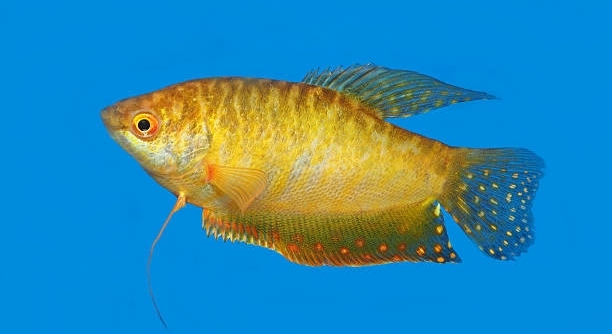
Have you ever noticed your gourami swimming lazily and ignoring its usual meals? It can be worrying when a pet suddenly loses interest in food, leaving you unsure about how to help it feel better.
A gourami that stops eating often signals stress, illness, or water quality issues. Checking tank conditions, maintaining proper temperature, and observing for disease symptoms are crucial first steps to address appetite loss effectively.
Understanding the reasons behind this behavior can help you restore your fish’s health. With some careful attention, you can create an environment that encourages your gourami to eat again.
Common Reasons Gouramis Stop Eating
Gouramis may stop eating for several reasons, and understanding these can help you respond quickly. Stress is a major factor, often caused by sudden changes in the tank or aggressive tankmates. Poor water quality, including high ammonia or nitrite levels, can also make your fish feel unwell. Temperature fluctuations may slow metabolism, leading to reduced appetite. Illnesses such as bacterial infections, parasites, or internal problems can present as loss of interest in food. Even the type of food offered may affect feeding behavior. Overfeeding in the past can make gouramis reluctant to eat new meals, while sudden changes in diet might confuse them. Observing your fish’s behavior and physical appearance can give important clues. Changes like faded color, clamped fins, or unusual swimming patterns often indicate stress or sickness. Regular tank maintenance and careful observation are key to keeping your gourami healthy and active.
Stress, illness, or poor water conditions are typically responsible for appetite loss in gouramis.
Keeping a consistent feeding routine and monitoring water quality can prevent most eating issues. Small changes in the tank environment often make a noticeable difference, and prompt action can help restore normal feeding behavior.
How to Encourage Your Gourami to Eat
Offering small, varied meals can stimulate a gourami’s appetite. Start with high-quality flakes, pellets, or frozen foods that are appropriate for its size and species. Removing uneaten food quickly prevents water contamination and encourages regular feeding. Observing your gourami during feeding can help you identify preferences, as some may favor live or frozen options over dry foods. Feeding at the same time each day creates a sense of routine, which reduces stress and supports appetite. Avoid overcrowding the tank, as too many fish competing for food can intimidate your gourami and reduce its willingness to eat.
Addressing the underlying issues behind a gourami’s refusal to eat is essential for long-term health. Poor water quality is one of the most common problems. Regularly testing for ammonia, nitrites, nitrates, and pH levels ensures the tank remains a safe environment. Temperature should be stable and appropriate for the species, generally between 75 and 82 degrees Fahrenheit. Stress from aggressive tankmates or frequent changes can be minimized by providing hiding spots and a calm environment. Illnesses may require treatment, such as antibiotics for bacterial infections or antiparasitic medications for parasites. Observing your fish closely for unusual behavior, discoloration, or swelling can help you detect problems early. A gradual introduction of varied foods often encourages eating, especially if the gourami has been off food for several days. Patience, consistency, and attentive care are crucial to restoring normal feeding habits and ensuring your gourami thrives.
Adjusting Water Conditions
Maintaining clean, stable water is essential for gouramis. Test ammonia, nitrite, nitrate, and pH levels regularly. Perform partial water changes and remove uneaten food to prevent contamination. Proper temperature control also supports appetite and overall health.
Stable water conditions reduce stress and encourage regular feeding. Gouramis are sensitive to sudden changes in pH or temperature, which can make them stop eating. Keeping the tank clean, monitoring chemical levels, and providing gentle filtration help create a safe environment. Adding plants or decorations can offer hiding spots, reducing stress and supporting natural behaviors. Consistent care is key to preventing appetite problems.
Overlooking water quality can quickly lead to health issues. Even small fluctuations in ammonia or nitrite levels can weaken your gourami’s immune system. Consistent monitoring, regular partial water changes, and avoiding overfeeding help maintain balance. Temperature should remain within the species’ preferred range, and aeration ensures oxygen levels are sufficient. A stable environment supports digestion, reduces stress, and keeps gouramis interested in food. Attention to these details can prevent many common feeding issues and improve overall well-being.
Choosing the Right Food
Offering the right type of food ensures your gourami receives proper nutrition. High-quality flakes, pellets, frozen or live foods provide essential nutrients and variety. Rotate food types to maintain interest and prevent selective feeding.
Some gouramis may prefer live or frozen foods over dry options, especially when recovering from illness or stress. Small, frequent meals can stimulate appetite and prevent overeating. Observing your fish during feeding helps identify preferred food types, making it easier to encourage eating. Avoid sudden diet changes that can confuse your gourami.
Consistency in diet is as important as variety. Gradually introducing new foods helps prevent refusal and digestive issues. Nutritionally balanced meals support energy levels, immune function, and growth. Feeding the correct portion size prevents leftover food from decaying and affecting water quality. Regularly monitoring your gourami’s response to different foods ensures you meet its dietary needs while maintaining tank health. Adjusting feeding routines based on observation strengthens eating habits and reduces stress-related appetite loss.
Monitoring Health Symptoms
Watch for signs of illness, including faded colors, clamped fins, or unusual swimming patterns. Early detection helps address problems before they worsen, ensuring your gourami recovers quickly and resumes normal eating habits.
Pay attention to any sudden changes in behavior or appetite. Even small shifts can indicate stress, disease, or internal issues that need immediate care.
Quarantining Sick Fish
Separating a sick gourami from other tankmates prevents the spread of disease and allows focused care. A small quarantine tank with clean water and stable conditions supports recovery.
Quarantining gives you the ability to monitor your fish closely, administer treatment if needed, and ensure the environment remains stress-free. Observation in isolation often makes it easier to detect subtle symptoms, including changes in color, swimming behavior, or appetite. Using a separate tank reduces the risk of infecting healthy fish and provides a controlled space to adjust temperature, water chemistry, or diet without affecting the main aquarium. This step can significantly improve recovery chances and prevent long-term health issues.
Handling Stress
Reduce sudden changes in the tank environment and avoid overcrowding to keep gouramis calm and eating consistently.
Using Appetite Stimulants
Certain foods or supplements can help encourage a gourami to eat when appetite is low.
FAQ
Why has my gourami stopped eating suddenly?
Sudden loss of appetite in gouramis is often caused by stress, illness, or changes in water quality. Overcrowding, aggressive tankmates, temperature fluctuations, or poor water conditions can all reduce interest in food. Observing your fish carefully can help identify the exact reason.
How long can a gourami go without eating?
Healthy adult gouramis can survive for several days without food, usually up to a week. However, prolonged fasting can weaken their immune system, making them more vulnerable to disease. Small, sick, or young gouramis are more sensitive and need prompt care.
Can water quality affect my gourami’s appetite?
Yes, water quality plays a major role in feeding behavior. High ammonia, nitrites, or nitrates can make fish lethargic and stop eating. Regular testing, partial water changes, and removing uneaten food help maintain a stable and safe environment.
What types of food can help stimulate a picky gourami?
Live foods like brine shrimp or daphnia often entice gouramis to eat. Frozen foods can also be more appealing than dry flakes or pellets, especially after stress or illness. Offering small, frequent meals encourages consistent feeding.
Is stress the main reason my gourami refuses food?
Stress is a common factor, especially from sudden tank changes, aggressive neighbors, or overcrowding. Providing hiding spots, keeping water stable, and maintaining a calm environment help reduce stress and restore appetite.
How can I tell if my gourami is sick or just stressed?
Physical symptoms like faded colors, clamped fins, swollen areas, or erratic swimming usually indicate illness. Stress may show as hiding, reduced activity, or temporary appetite loss. Observation over time helps distinguish the two.
Should I use medication if my gourami stops eating?
Medication is only needed if illness is confirmed. Using antibiotics or antiparasitic treatments without identifying the problem can harm the fish or disrupt the tank. Quarantining a sick fish first is recommended for safe treatment.
Can changing the tank setup help my gourami eat again?
Yes, adjustments like adding plants, reducing tankmates, or creating hiding spaces can reduce stress. Maintaining proper temperature and water conditions also encourages normal feeding habits.
What is the best way to reintroduce food after a fasting period?
Start with small portions of easy-to-digest foods. Gradually reintroduce normal diet items over several days. Observe your gourami’s response, adjusting portion sizes and food type to match its appetite.
Are there natural appetite stimulants for gouramis?
Some gouramis respond well to garlic-treated foods or small live foods. These can gently encourage eating without causing harm, especially when used sparingly during periods of low appetite.
Can temperature affect a gourami’s willingness to eat?
Yes, gouramis prefer stable water temperatures. Too cold or too hot water slows metabolism, making fish less interested in food. Maintaining a consistent range, generally 75–82°F, supports normal appetite.
How often should I feed my gourami?
Adult gouramis usually eat once or twice daily. Overfeeding can cause leftovers that spoil water, while underfeeding may reduce appetite. Small, measured portions help maintain balance and prevent stress.
When should I consult a vet for a gourami that won’t eat?
If a gourami refuses food for more than several days, shows physical symptoms, or appears lethargic, a vet specializing in fish health should be consulted. Early professional intervention improves recovery chances.
Can quarantine help a gourami start eating again?
Quarantining a stressed or sick fish provides a calm environment with clean water and fewer distractions. Observation is easier, and treatments can be applied safely, helping the gourami regain appetite.
Is it normal for gouramis to occasionally skip meals?
Yes, occasional fasting can happen due to minor stress or changes in tank conditions. However, prolonged loss of appetite should be investigated, as it may indicate illness or environmental problems.
Can diet changes trigger a feeding problem?
Sudden diet changes may confuse gouramis and reduce their willingness to eat. Gradual introduction of new foods helps them adjust and prevents appetite loss. Offering a variety of high-quality foods supports long-term interest in eating.
How can I make sure my gourami eats after illness?
After illness, small, frequent meals of preferred foods help stimulate appetite. Maintaining ideal water conditions, reducing stress, and monitoring behavior ensures the fish recovers safely and returns to normal feeding patterns.
Does tank size impact feeding behavior?
Overcrowded or too-small tanks increase stress, making gouramis less likely to eat. Providing enough space and hiding areas encourages natural behavior and supports a healthy appetite.
Can other fish affect my gourami’s eating habits?
Yes, aggressive or overly active tankmates may intimidate gouramis. Separating or rearranging tankmates can reduce stress, allowing your gourami to eat comfortably without competition or fear.
How can I track improvements in my gourami’s appetite?
Keep a daily log of feeding times, portion sizes, and consumption. Note changes in behavior or physical condition. Tracking progress helps identify patterns and determine if interventions are effective.
This FAQ section provides practical answers to common concerns, helping you address feeding issues with care, patience, and attention to your gourami’s health. Regular observation and small adjustments often restore normal eating habits effectively.
Final Thoughts
Watching a gourami stop eating can be stressful, but it is often a sign that something in its environment or health needs attention. Stress, illness, or poor water conditions are the most common reasons for appetite loss. Gouramis are sensitive to changes in their surroundings, and even small shifts in temperature, pH, or tankmates can affect their behavior. Keeping water clean and stable, observing your fish carefully, and maintaining a consistent feeding routine are the first steps in helping your gourami return to normal eating habits. Paying attention to these details allows you to catch potential problems early and reduce the likelihood of long-term health issues.
Nutrition and diet are equally important for encouraging a gourami to eat. Offering high-quality food in small, manageable portions can help stimulate appetite, especially after periods of stress or illness. Many gouramis respond well to live or frozen foods, while others may prefer flakes or pellets. Rotating food types can keep meals interesting and prevent selective feeding. Consistency in feeding time and portion size also helps establish a routine, reducing stress and making your gourami feel secure. Monitoring how your fish responds to different foods can give valuable insight into its preferences and overall health. Sometimes small adjustments, like changing the type of food or splitting meals into multiple servings, can make a big difference in restoring regular feeding behavior.
Addressing the root cause of appetite loss often requires patience and careful observation. Sick or stressed fish may need extra care, including quarantine, treatment, or modifications to the tank environment. Observing physical signs such as color changes, fin clamping, or unusual swimming behavior can help distinguish between illness and temporary stress. Even simple measures like providing hiding spots, reducing overcrowding, and maintaining proper water temperature can improve feeding habits significantly. Recovery can take time, and it is important to make gradual changes rather than sudden ones that may increase stress. By focusing on water quality, diet, and stress reduction, you create an environment where your gourami can thrive. Consistent care, attention, and small adjustments often restore appetite and contribute to long-term health, allowing your fish to enjoy meals and remain active in a comfortable, stable home.

Hello,
If you enjoy the content that we create, please consider saying a "Thank You!" by leaving a tip.
Every little bit helps us continue crafting quality advice that supports the health, happiness, and well-being of pets around the world, for pets of all shapes, sizes, and species.
We really appreciate the kindness and support that you show us!