
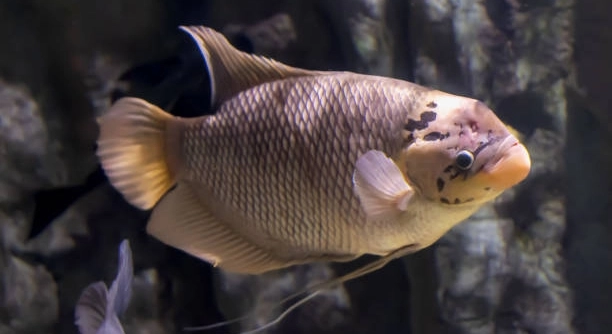
Gouramis are colorful and peaceful fish, but they sometimes show aggression toward each other. Keeping them in a calm and balanced environment can make your aquarium more enjoyable for both you and your fish friends.
Preventing gourami fights involves careful planning of tank space, proper tank mates, and maintaining stable water conditions. Providing hiding spots, monitoring behavior, and avoiding overcrowding are essential strategies to reduce aggression and ensure a harmonious aquarium environment.
Learning the best ways to manage their behavior can save you stress and create a healthier home for your fish. These tips will help maintain peace in your aquarium.
Choosing the Right Tank Size
Keeping gouramis in a spacious tank is crucial to prevent fights. A small tank can increase stress and trigger aggression, especially among males. For dwarf gouramis, a minimum of 20 gallons is recommended, while larger gouramis need at least 30 gallons. More space allows each fish to establish its own territory, reducing confrontations. Adding plants and decorations can also create visual barriers, giving shy fish places to hide. Overcrowding not only leads to aggressive behavior but also affects water quality, making fish more vulnerable to disease. Monitoring the tank population and ensuring enough room for swimming and resting areas can significantly reduce aggressive incidents. Regular maintenance and careful observation are essential to notice early signs of stress or aggression.
Larger tanks give gouramis the space they need to explore without constantly feeling threatened. This simple step alone can prevent most fights.
When the tank is well-planned, with open swimming areas and hiding spots, your gouramis can coexist more peacefully. Plants like java fern or floating moss provide cover and help diffuse tension. Rocks, driftwood, and tall decorations create boundaries without restricting movement. Observing how fish interact in this environment allows you to spot early signs of dominance or aggression. If fights start, rearranging decorations can disrupt established territories and calm tensions. A proper tank layout also benefits water circulation, keeping conditions stable for all inhabitants. Overall, choosing the right size tank with thoughtful decoration is a key step in maintaining a harmonious aquarium.
Introducing Compatible Tank Mates
Choosing peaceful tank mates reduces aggression in gouramis. Avoid other aggressive or fin-nipping fish that may trigger fights.
Adding calm, non-territorial species can create a more balanced aquarium. Small tetras, rasboras, or peaceful catfish often coexist well with gouramis. Avoid overcrowding, as limited space increases stress and territorial disputes. Gradual introductions help fish adjust to each other, reducing sudden confrontations. Observe new fish closely for any signs of harassment or aggression and separate them if needed. Creating compatible groupings improves the overall atmosphere of the tank, making it more stable and less stressful for gouramis.
When introducing new fish, plan carefully to maintain harmony. Start by acclimating new tank mates slowly to prevent shocking the gouramis. Place them in a separate container within the tank for several hours, allowing the gouramis to get used to their presence. Introduce them in small numbers to avoid overwhelming the existing fish. Keep an eye on feeding times, as competition for food can trigger fights. Ensure there are plenty of hiding spots and swimming space for all species. Avoid adding aggressive fish or those that display similar territorial behavior. By paying attention to compatibility, timing, and space, you can foster a peaceful community tank where gouramis and other species coexist comfortably, reducing stress and preventing conflicts.
Maintaining Stable Water Conditions
Consistent water conditions reduce stress and aggression in gouramis. Regular testing and proper filtration keep ammonia, nitrite, and nitrate levels safe. Temperature should remain stable, avoiding sudden fluctuations that can trigger fights.
Stable water parameters are essential for peaceful behavior. Gouramis are sensitive to changes in pH, temperature, and hardness, and fluctuations can make them more irritable. Keeping a consistent schedule for water changes and monitoring levels ensures the tank remains a safe environment. Using a reliable heater, thermometer, and filter can prevent sudden shifts. Sudden drops or spikes in temperature or poor water quality can increase territorial disputes, leading to injuries or stress-related illnesses. Regular observation of fish behavior helps identify early signs of aggression caused by environmental factors.
Filtration and aeration play a big role in maintaining calm. Strong currents can stress gouramis, so adjust filters accordingly. Regular partial water changes remove waste buildup and maintain oxygen levels. Keeping a record of water parameters can help detect trends or problems before they affect fish behavior. Additionally, avoid introducing untreated water, as chemicals or heavy metals can cause stress and trigger fights. Stable, clean water supports the overall health of gouramis, reduces aggression, and ensures they thrive in a harmonious tank environment.
Providing Hiding Spots and Decorations
Hiding spots reduce stress and prevent fights. Plants, rocks, and driftwood give gouramis places to retreat when feeling threatened, lowering tension in the tank.
Using live or artificial plants strategically helps gouramis establish personal territories. Dense vegetation, floating plants, and caves provide refuge for shy or smaller fish. Decorations break line-of-sight, which can reduce constant staring or chasing. Rearranging plants occasionally can disrupt dominance patterns and prevent long-term conflicts. Driftwood, rocks, and PVC tubes offer safe spaces while enhancing the tank’s natural look. Avoid sharp or rough decorations that could injure fish during skirmishes.
Proper placement of hiding spots improves interactions and overall tank harmony. Ensure every fish has access to cover without crowding the space. Floating plants can soften aggression by diffusing visibility. Combine tall plants with low-lying cover to accommodate different swimming levels and personalities. Decorations should create natural boundaries while allowing open swimming areas, reducing confrontations over territory. Observing which spots fish prefer can guide future decoration adjustments. Well-thought-out placement of plants, rocks, and caves not only prevents fights but also encourages natural behavior and a healthier, less stressful environment for all gouramis.
Monitoring Fish Behavior
Regular observation helps catch early signs of aggression. Watch for chasing, nipping, or flaring fins, which can indicate tension between gouramis.
Separate aggressive individuals if fights persist. Early intervention prevents injuries and reduces stress for other fish in the tank.
Feeding Practices
Overfeeding or uneven feeding can trigger competition and fights. Offer small, frequent meals instead of one large feeding. Distribute food evenly across the tank so all gouramis can eat without conflict. High-quality flakes, pellets, or frozen foods provide balanced nutrition and help reduce aggression caused by hunger. Feeding at consistent times also creates routine and stability, lowering stress levels. Avoid leaving uneaten food, as it can spoil and degrade water quality, which may indirectly increase irritability among fish. By managing feeding carefully, gouramis are less likely to compete aggressively, promoting a peaceful environment for all.
Separating Aggressive Gouramis
Persistent aggression may require moving fish to a separate tank temporarily. This allows calmer interactions and reduces stress in the main tank.
How can I tell if my gouramis are fighting?
Gourami fights usually show as chasing, nipping fins, or flaring gills. Males are more likely to display aggression, especially in small tanks. Frequent chasing around the same area or cornered fish are clear signs that tension exists. Watching your gouramis closely during feeding and rest periods helps identify patterns. Some aggression is normal, but repeated attacks can injure fish and increase stress. Physical signs like torn fins, scratches, or bruising are indicators that fights need to be addressed.
What is the best tank size for preventing fights?
A spacious tank gives gouramis enough room to establish territories and reduces constant encounters. Dwarf gouramis should have at least 20 gallons, while larger species need 30 gallons or more. A wider tank allows swimming space and separate areas for hiding. Overcrowding often triggers territorial disputes, so keep the number of fish suitable for the tank size. Adding plants and decorations creates natural boundaries, giving each fish space to retreat. Proper tank size also improves water quality and reduces stress, which further limits aggression.
Which tank mates work best with gouramis?
Peaceful and non-territorial fish are ideal companions. Tetras, rasboras, and small catfish usually coexist well without triggering fights. Avoid fin-nipping or aggressive species that may provoke gouramis. Introducing new fish gradually helps everyone adjust. Provide hiding spots and open swimming areas to reduce stress and competition. Observe interactions carefully during the first few days and be ready to separate aggressive fish. Choosing compatible species ensures a more balanced and calm environment, which directly reduces the risk of conflicts.
How often should I check water conditions?
Water should be tested weekly for ammonia, nitrite, nitrate, and pH levels. Stable temperature is also important, as sudden changes increase stress and aggression. A proper filtration system keeps the water clean, while partial water changes remove waste buildup. Monitoring water quality regularly helps prevent fights caused by environmental stress. Using reliable thermometers and water test kits ensures accurate readings. Consistent conditions promote calm behavior, healthier fish, and a stable tank environment, reducing the chance of frequent conflicts.
What decorations help reduce aggression?
Plants, rocks, and driftwood create hiding spots and visual barriers, giving gouramis areas to retreat. Floating plants soften aggression by breaking line-of-sight, while caves or PVC tubes provide private spaces. Rearranging decorations occasionally can disrupt established territories and prevent repeated dominance disputes. Avoid sharp objects that could injure fish during skirmishes. Well-placed hiding spots encourage natural behavior and make the tank feel safer for all gouramis.
Can feeding routines affect fights?
Yes, uneven feeding often triggers aggression. Distribute food evenly so all fish can eat without competition. Offer small, frequent meals instead of one large feeding to reduce tension. Use high-quality flakes, pellets, or frozen foods for balanced nutrition. Avoid leaving uneaten food in the tank, as it can decay and affect water quality. Consistent feeding schedules help create stability, keeping gouramis calmer and less likely to fight over food.
When should aggressive gouramis be separated?
Persistent fighting, visible injuries, or extreme stress indicates separation is necessary. Use a temporary tank or divider to give fish space to calm down. Monitor their behavior before reintroducing them to ensure harmony. Separating aggressive individuals protects weaker fish and prevents escalation of fights. Some gouramis may never fully adjust to certain tank mates, so permanent separation might be required in rare cases.
Do male gouramis fight more than females?
Yes, males are naturally territorial and display dominance more frequently. Aggression is often higher when males are kept together in small tanks. Providing extra space, hiding spots, and visual barriers can reduce male-on-male aggression. Female gouramis are generally calmer, but overcrowding or stressful conditions can still cause fights. Managing the number of males and giving each a defined territory is key to maintaining peace.
How do I handle minor injuries from fights?
Minor fin nips or scratches usually heal if water quality is good. Ensure clean, stable water and avoid overcrowding to prevent infections. If necessary, use aquarium salt or mild treatments for healing. Watch for worsening injuries or signs of disease, which require prompt intervention. Maintaining a stress-free environment supports recovery and reduces the likelihood of repeated injuries.
Are certain gourami species more aggressive than others?
Yes, species like the three-spot gourami or kissing gourami can show higher levels of aggression, particularly males. Dwarf gouramis are generally calmer but can still be territorial. Understanding each species’ behavior helps in planning tank mates, layout, and tank size. Choosing calmer species together makes it easier to maintain harmony and prevent conflicts.
This FAQ covers the most common concerns about gourami fights and provides practical steps to maintain a peaceful tank environment.
Keeping gouramis in a peaceful and healthy tank requires attention to several important details. The most crucial factor is providing enough space. A tank that is too small increases stress and triggers territorial behavior, especially among males. Even small gouramis need room to swim and establish their own areas. Larger species require even more space to avoid constant encounters. Adding plants, rocks, and other decorations helps create natural boundaries and hiding spots, which makes the fish feel safer and reduces the chances of fighting. Open swimming areas combined with places to retreat provide a balanced environment where gouramis can interact without constant tension. Observing how the fish behave in different areas of the tank allows you to adjust decorations and layout to further minimize stress.
Water conditions also play a key role in maintaining harmony among gouramis. They are sensitive to changes in temperature, pH, and water quality. Sudden fluctuations or poor water quality can make them more irritable and increase the likelihood of aggression. Regular testing of ammonia, nitrite, and nitrate levels ensures the tank stays safe. A reliable filtration system keeps the water clean, and partial water changes remove waste and excess nutrients that could lead to tension. Stable water conditions, along with proper temperature control, create an environment that supports calm behavior and overall health. Consistency is important, as even small changes in the tank’s environment can upset the social balance and spark conflicts.
Feeding and monitoring behavior are additional factors that influence tank harmony. Uneven feeding or overfeeding can cause competition, leading to chasing and nipping. Providing food in multiple areas of the tank ensures all gouramis can eat without stress. Watching fish behavior closely helps identify early signs of aggression, such as flaring fins or constant chasing. If fights do occur, separating aggressive individuals temporarily can prevent injuries and allow calmer interactions. By paying attention to tank size, water conditions, feeding practices, and decorations, you can create a balanced environment that reduces stress and prevents conflicts. Careful management of these factors ensures your gouramis live together peacefully and remain healthy over time.

Hello,
If you enjoy the content that we create, please consider saying a "Thank You!" by leaving a tip.
Every little bit helps us continue crafting quality advice that supports the health, happiness, and well-being of pets around the world, for pets of all shapes, sizes, and species.
We really appreciate the kindness and support that you show us!