
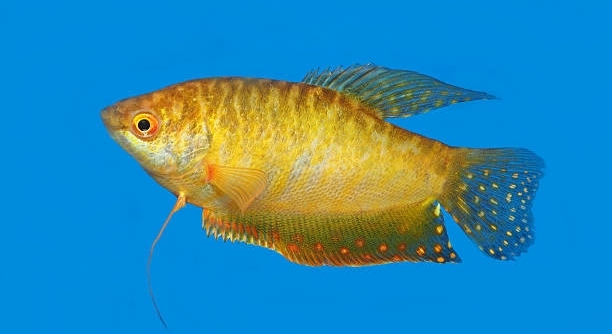
Managing a giant gourami can be tricky when it shows aggressive behavior, especially for those new to keeping large freshwater fish in home aquariums. These fish grow quickly and develop strong personalities over time.
The most effective way to handle an aggressive giant gourami is by providing a spacious tank, maintaining consistent feeding routines, and creating hiding spots. Establishing boundaries and monitoring interactions with tankmates reduces stress and prevents injury in the aquarium environment.
Learning to recognize early signs of aggression helps maintain a peaceful tank and ensures the health and well-being of all your aquatic companions.
Understanding Giant Gourami Behavior
Giant gouramis are naturally territorial and can become aggressive as they grow. Their behavior changes depending on age, size, and environment. Early on, they might seem calm, but once they reach full size, they need space to feel secure. Aggression can show as chasing, nipping, or dominating other fish, and it often increases during feeding times or when establishing territory. Observing their daily routine helps you notice triggers and patterns. Their intelligence allows them to remember feeding spots, recognize tankmates, and react to changes in their surroundings. Stressful conditions like overcrowding, poor water quality, or sudden changes in temperature can worsen aggression. Providing hiding spots, floating plants, or visual barriers helps them feel less threatened. Gentle handling and consistent care encourage more predictable behavior. Even minor adjustments, like changing tank layout or feeding schedule, can reduce tension and create a more harmonious environment. Understanding behavior is the first step in managing conflicts effectively.
Aggression in giant gouramis is often linked to limited space or competition for resources.
Knowing their habits allows you to anticipate confrontations, set boundaries, and ensure every fish has enough territory, reducing stress and potential injuries.
Creating a Safe Environment
A spacious tank with clearly defined areas helps reduce aggressive interactions.
The size and setup of the aquarium directly impact how your gourami behaves. Overcrowding increases stress and leads to constant chasing or nipping. Adding rocks, plants, and driftwood provides hiding spots and visual breaks, allowing fish to retreat when needed. Keeping water quality high and temperature stable also lowers stress, which in turn reduces aggressive tendencies. Careful selection of tankmates is essential; choose fish that are robust but not small enough to be harassed. Avoid sudden changes in lighting or decorations, as these can provoke territorial behavior. Observing feeding patterns ensures that dominant fish do not monopolize food. Splitting feeding areas or using multiple feeders can help. Consistent maintenance, gentle interaction, and patience make the tank a calmer place. Over time, your gourami will adjust, and aggressive episodes will become less frequent. A safe, well-structured environment is the foundation for a balanced aquarium.
Managing Feeding Times
Feeding can trigger aggression if dominant gouramis rush to claim all the food. Spreading food across the tank reduces competition and prevents injury.
Offering smaller portions in multiple spots helps every fish eat safely. Observing how your gourami reacts during feeding allows adjustments to portion sizes, timing, and placement. Maintaining a consistent schedule reduces anxiety and establishes predictable behavior patterns, which lowers stress-induced aggression. Rotating food types, including pellets, vegetables, and occasional live food, ensures balanced nutrition and keeps dominant fish from becoming overly focused on one spot.
Separating overly aggressive individuals during feeding can prevent injury. Temporary barriers or partitions let all fish access food without conflict. Using floating feeding rings or spreading flakes around different tank zones also encourages calmer interactions. Over time, consistent feeding management trains your gourami to eat without excessive competition.
Handling Aggressive Interactions
Intervening during fights is sometimes necessary to protect weaker fish. Timing and technique matter to avoid causing further stress.
If aggressive behavior escalates, isolating the dominant fish temporarily allows others to recover. Rearranging tank decorations changes territorial boundaries, often reducing repeated conflicts. Avoid chasing or tapping the glass, which can increase stress. Providing visual breaks and hiding spaces encourages natural retreat and reduces confrontations.
Monitoring the social hierarchy is crucial. Some gouramis establish dominance but calm down once roles are clear. Recognizing early signs, like chasing or fin nipping, allows quick response. Adjusting tank mates, adding barriers, or changing feeding routines supports a balanced environment. With careful observation and proactive management, aggressive interactions can be minimized, keeping all fish safe and the aquarium peaceful.
Tank Size and Layout
A large tank reduces territorial disputes and allows each fish enough space to feel secure. Overcrowding is a common cause of aggression.
Adding plants, rocks, and driftwood creates natural barriers. These structures provide hiding spots and visual breaks, helping your gourami feel less threatened and calming interactions.
Choosing Compatible Tankmates
Not all fish can coexist peacefully with giant gouramis. Selecting robust, similarly sized species minimizes aggression. Avoid very small or delicate fish that may be bullied or injured.
Tankmates that occupy different areas of the aquarium, like bottom-dwellers or mid-level swimmers, reduce direct competition. Balanced selection and careful observation ensure the tank remains harmonious and stress-free for all inhabitants.
Regular Observation
Daily observation helps detect early signs of stress or aggression before injuries occur.
Tracking behavior patterns allows timely adjustments in feeding, tank layout, or tankmate selection, keeping your aquarium stable and safe.
FAQ
How can I tell if my giant gourami is being aggressive?
Aggression often shows as chasing, nipping, or blocking other fish from food or territory. Look for signs like torn fins, constant following of certain tankmates, or repeated flaring at the glass. Noticing these early helps prevent injuries and stress in your aquarium.
What is the best tank size for a giant gourami?
A tank of at least 150 gallons is recommended for a single adult gourami. Larger tanks are needed if keeping multiple gouramis or other large fish. Space reduces territorial disputes and allows natural swimming behavior, which lowers stress and aggression.
How should I feed an aggressive giant gourami?
Spread food in multiple spots and offer smaller portions to prevent competition. Use floating rings or scatter flakes to encourage calmer feeding. Rotate food types, including pellets, vegetables, and occasional live food, for balanced nutrition and less stress over meals.
Can tank decorations reduce aggression?
Yes. Plants, rocks, and driftwood create barriers and visual breaks. These allow subordinate fish to retreat and reduce direct confrontations. Rearranging decorations occasionally can reset territories and minimize repeated aggressive interactions.
Is it okay to separate aggressive gouramis?
Temporary separation can protect weaker fish. Use a divider or quarantine tank during feeding or when fights escalate. This allows all fish to eat safely and helps restore calm. Once the dominant fish settles, they can usually be reintroduced without issues.
Which tankmates are compatible with giant gouramis?
Choose robust, similarly sized fish that occupy different areas of the tank. Bottom-dwellers and mid-level swimmers reduce direct competition. Avoid small or delicate fish that may be bullied. Careful selection helps maintain a balanced and peaceful aquarium environment.
How often should I monitor my gourami?
Daily observation is important. Watch for chasing, fin nipping, or unusual behavior. Monitoring allows quick adjustments in feeding, tank layout, or tankmates, preventing injuries and long-term stress.
Can water conditions affect aggression?
Yes. Poor water quality or unstable temperature increases stress, leading to more aggressive behavior. Keep water clean, maintain consistent temperature, and perform regular testing. Stable conditions help your gourami feel secure and reduce conflicts.
What should I do if aggression persists despite adjustments?
Consider permanent separation of aggressive individuals or adding more hiding spots. Reducing stocking density and reviewing tankmate choices may also help. In extreme cases, keeping gouramis in species-only setups ensures safety for all fish.
How long does it take for aggressive behavior to calm down?
It depends on the fish’s age, tank size, and environment. Some gouramis settle after a few weeks once territories are established. Others may remain occasionally aggressive, requiring ongoing monitoring and management to maintain peace.
Can stress make aggression worse?
Absolutely. Overcrowding, sudden changes in environment, poor diet, and lack of hiding spaces all increase stress. Addressing these factors lowers aggression and helps your gourami behave more predictably.
Is training or handling useful for managing aggression?
Minimal, gentle interaction can help the fish become familiar with your presence. Avoid tapping the glass or chasing the fish, as this heightens stress and triggers more aggressive displays. Respecting their space is usually more effective than direct handling.
Are there signs of a peaceful giant gourami?
Yes. A calm gourami swims steadily, shares space without constant chasing, and allows other fish to feed nearby. They may show curiosity toward tankmates but rarely engage in repeated attacks, indicating a well-adjusted and less aggressive temperament.
How can I prevent future aggression?
Provide a spacious tank, consistent feeding, hiding spots, and suitable tankmates. Regular observation, proper water conditions, and occasional tank rearrangement maintain balance. Addressing these elements from the start minimizes the risk of chronic aggression and keeps all fish healthier and safer.
Can diet influence aggression?
Yes. Hungry fish are more likely to chase others. Balanced meals with adequate protein, vegetables, and occasional live food prevent stress-related aggression. Feeding multiple areas ensures no single fish dominates the food supply, reducing conflicts.
What is the role of social hierarchy in aggression?
Giant gouramis establish dominance within the tank. Once a hierarchy is clear, conflicts often decrease. Observing interactions helps you identify dominant individuals and adjust tank layout or feeding to reduce tension. Understanding social structure aids long-term peace.
Are juvenile gouramis less aggressive?
Generally, yes. Younger gouramis are smaller and less territorial. Aggression usually increases as they mature, grow in size, and assert control over territory, requiring proactive management as they develop.
How do I safely introduce new tankmates?
Add new fish slowly, in a controlled manner. Use temporary partitions or introduce fish during feeding to minimize confrontations. Observe interactions carefully and separate any individuals showing excessive aggression until all fish adapt.
Can stress-reducing products help?
Some water conditioners and stress-reducing additives may calm fish temporarily, but they are not substitutes for proper tank size, hiding spots, and compatible tankmates. Focus on long-term environmental adjustments for effective aggression management.
Is it safe to keep multiple giant gouramis together?
Only in very large tanks with ample space and hiding spots. Even then, dominance disputes can occur. Careful monitoring, sufficient territory, and gradual introductions are essential to prevent serious injuries and maintain balance.
What are early warning signs of serious aggression?
Persistent chasing, repeated nipping, fin damage, or hiding fish indicate escalation. Acting quickly by separating fish, rearranging the tank, or adjusting feeding routines prevents injuries and long-term stress.
How important is patience in managing aggression?
Very important. Changes in behavior take time, and immediate results are rare. Consistent care, observation, and small adjustments gradually reduce aggression and create a healthier, calmer tank environment.
Can aggressive behavior be permanent?
Some individuals remain naturally assertive, especially dominant adults. While environmental management can reduce incidents, ongoing monitoring and intervention may always be needed to maintain safety and harmony in the aquarium.
Is it normal for aggression to peak during breeding?
Yes. During breeding, giant gouramis become more territorial and protective of space. Extra hiding spots, temporary separation, and careful observation help prevent injuries and stress during this period.
Do water plants really help reduce aggression?
Absolutely. Plants break lines of sight, create retreat zones, and reduce visual triggers that provoke fighting. Even a few strategically placed plants can make a significant difference in calming aggressive behavior.
How does tank layout influence aggression?
Open areas encourage chasing, while broken-up layouts with rocks, plants, and driftwood provide boundaries. Rearranging decorations occasionally resets territories and prevents repeated fights. A thoughtful layout keeps interactions predictable and reduces stress for all fish.
Can I rely on observation alone to manage aggression?
Observation is crucial but must be paired with proactive measures like tank adjustments, feeding strategies, and compatible tankmates. Monitoring identifies problems early, while environmental management provides lasting solutions for calmer behavior.
What if aggression affects multiple fish?
Address overcrowding, feeding methods, tank layout, and tankmate selection immediately. Sometimes, separating aggressive individuals or creating multiple hiding spots is necessary. Timely action prevents injuries and keeps the aquarium balanced.
Is aggression more common in certain gourami sizes?
Yes. Adults are more territorial than juveniles. Aggression increases as fish grow, so planning for space, tankmates, and environmental enrichment early is essential to reduce conflicts as they mature.
Are there signs that aggression is subsiding?
Yes. Fish swim calmly, share space, and allow others to eat without chasing. Reduced fin nipping and fewer territorial displays indicate that your interventions are working and the tank is becoming more harmonious.
Can introducing new tankmates worsen aggression?
It can. Sudden introductions may provoke territorial displays. Gradual introductions, partitions, and observation reduce risks. Ensuring existing gouramis have established territories before adding new fish helps maintain balance and minimizes aggression incidents.
How long should aggressive interactions be monitored?
Daily monitoring is ideal, especially during feeding or after changes in the tank. Early detection of stress or fighting allows timely interventions, preventing injuries and ensuring all fish remain healthy and safe.
What role does diet variety play in aggression control?
A varied diet prevents dominant fish from fixating on a single feeding spot. Including pellets, vegetables, and occasional live food ensures balanced nutrition and reduces competition, lowering the chance of aggressive behavior over meals.
How do I maintain a calm tank long-term?
Consistently provide adequate space, hiding spots, compatible tankmates, balanced feeding, and stable water conditions. Regular observation, occasional rearrangements, and proactive interventions ensure the aquarium remains safe, reducing aggression and supporting the well-being of all fish.
Can stress hormones influence aggression?
Yes. Elevated stress hormones from poor water quality, overcrowding, or sudden changes increase territorial and aggressive behavior. Minimizing stress through proper care and stable conditions helps control aggression naturally.
Is it possible for aggressive behavior to return after improvement?
Yes. Changes like new tankmates, rearrangements, or feeding adjustments can reignite aggression. Continuous observation and management are necessary to maintain peace and safety within the tank.
Can aggression affect the health of giant gouramis?
Yes. Constant stress or injury from fights weakens immune systems, slows growth, and increases vulnerability to disease. Managing aggression not only protects other fish but also supports the long-term health of the gourami itself.
How can I prevent aggression during breeding season?
Provide extra space, visual barriers, and temporary separation if necessary. Monitor behavior closely and avoid disturbing the tank, reducing stress and preventing injuries while gouramis establish nests or defend territories.
Are some gouramis naturally more aggressive than others?
Yes. Individual temperament varies. Some remain calm throughout life, while others are assertive and territorial. Understanding your fish’s personality helps tailor tank management and reduce conflicts effectively.
Can I mix juvenile and adult gouramis safely?
Only with caution. Adults may dominate or injure juveniles. Provide plenty of space, hiding spots, and observe interactions closely. In many cases, separating by size or tank is safer to prevent serious aggression.
Is it necessary to adjust lighting to manage aggression?
Indirectly. Sudden bright lights or changes in lighting can startle fish, provoking territorial displays. Consistent, moderate lighting helps maintain calm behavior and predictable routines in the tank.
How do I know if my interventions are working?
Reduced chasing, nipping, and territorial displays are good indicators. Fish swim calmly, feed peacefully, and interact without constant stress. Continued observation ensures adjustments maintain a safe and balanced environment.
What is the best approach to long-term aggression management?
Focus on space, hiding spots, compatible tankmates, balanced feeding, and stable water conditions. Consistent monitoring, timely adjustments, and understanding fish behavior ensure aggression is minimized while maintaining a healthy and peaceful aquarium.
Can aggressive behavior escalate suddenly?
Yes. New introductions, environmental changes, or breeding periods can trigger sudden aggression. Being prepared with hiding spots, barriers, and observation routines helps you respond quickly and prevent injuries.
Do aggressive gouramis always attack humans?
No. They may display curiosity or flaring when approached but rarely bite. Avoid tapping the glass or chasing the fish, as this can increase stress and provoke aggressive displays unnecessarily.
How do I balance multiple gouramis in one tank?
Ensure a large tank, multiple hiding areas, and distinct territories. Introduce fish gradually, monitor interactions, and adjust feeding routines. Clear boundaries and sufficient space reduce conflict and maintain harmony.
Can tank maintenance affect aggression?
Yes. Sudden water changes, cleaning, or moving decorations can trigger territorial behavior. Perform maintenance gently and consistently to minimize stress and prevent aggressive responses.
What is the most important factor in preventing injuries from aggression?
Providing enough space, hiding spots, compatible tankmates, and observing behavior regularly. Early intervention and thoughtful tank management ensure fish remain safe, healthy, and less stressed.
How can I tell if a fish is too stressed from aggression?
Signs include hiding, fin damage, loss of appetite, or lethargy. Acting quickly to adjust tank layout, feeding, or separation prevents further harm and supports recovery.
Is it better to keep a single giant gourami or multiple?
A single adult is often calmer and easier to manage. Multiple gouramis require a very large tank, careful introductions, and constant monitoring to prevent aggression and injuries.
Can visual barriers alone stop aggression?
They help but are not enough by themselves. Combined with proper tank size, compatible tankmates, feeding strategies, and stable water conditions, barriers significantly reduce stress and aggressive behavior.
How long does it take to see results from aggression management?
Results vary. Some improvements appear within days, while others take weeks of consistent observation, adjustments, and patience to reduce conflicts and establish a calm, balanced tank environment.
Are there behavioral signs that aggression may return?
Yes. Renewed chasing, fin nipping, or sudden territorial displays signal potential escalation. Adjusting space, feeding, or tank layout can prevent serious conflicts before injuries occur.
Can aggressive behavior impact breeding success?
Yes. Excessive fighting or stress may reduce reproductive activity or harm eggs and fry. Providing separate breeding areas or temporary isolation ensures safety and increases chances of successful spawning.
Is it normal for aggression to fluctuate daily?
Yes. Feeding times, tank activity, or minor environmental changes can cause temporary spikes. Observing patterns helps predict and manage behavior, maintaining a safer and calmer tank.
How important is tank enrichment in aggression management?
Very important. Plants, rocks, driftwood, and varied feeding spots reduce boredom, territorial stress, and repeated conflicts. Enrichment supports natural behavior and decreases aggressive incidents over time.
Can diet timing influence aggression?
Yes. Regular feeding schedules reduce food-related competition. Multiple small feedings or distributing food across the tank prevents dominant fish from controlling access and minimizes conflict.
Are certain gourami genders more aggressive?
Males often display stronger territorial behavior, especially during breeding. Recognizing gender differences helps plan tank size, layout, and interactions to prevent conflicts and injuries.
How do I know when to permanently separate aggressive fish?
Persistent chasing, repeated injuries, or inability to establish a peaceful hierarchy indicates permanent separation is needed. Safety and well-being of all fish must come first.
Does tank water movement affect aggression?
Moderate flow can calm fish, but strong currents may stress them, triggering aggression. Maintaining gentle, consistent water movement helps keep behavior predictable and reduces conflict.
Can enrichment alone prevent aggression?
Enrichment helps but must be combined with adequate space, proper tankmates, balanced feeding, and stable water conditions. A multi-faceted approach ensures long-term reduction of aggressive behavior.
Is it possible for a tank to be completely free of aggression?
Not always. Even well-managed tanks may experience occasional disputes, but careful planning, monitoring, and environmental adjustments minimize frequency and severity, keeping injuries rare.
How can I track improvement over time?
Keep notes on feeding behavior, chasing incidents, fin condition, and tankmate interactions. Tracking trends allows you to see which adjustments reduce aggression and maintain a stable environment.
Do stress-reducing supplements replace proper tank management?
No. They may calm fish temporarily but do not solve underlying causes of aggression. Space, hiding spots, compatible tankmates, feeding routines, and stable water conditions are essential for lasting results.
Can aggressive behavior cause permanent damage to other fish?
Yes. Chronic chasing, nipping, or injury can lead to fin loss, infections, or weakened health. Prompt management prevents long-term harm and ensures a safer aquarium for all fish.
Is it common for aggression to decrease as gouramis age?
Sometimes. Once social hierarchy is established, dominant fish may settle. However, aggression can persist, especially if space is limited or tankmates are introduced, so ongoing monitoring remains important.
Can stress from aggression lead to disease?
Yes. Stress weakens immune systems, making fish more susceptible to infections and other health issues. Reducing aggression is critical to maintaining both safety and long-term health.
How often should I adjust the tank to manage aggression?
Adjustments should be made only when necessary, like adding hiding spots or rearranging territories. Frequent changes can increase stress, so balance stability with strategic modifications to maintain calm behavior.
Can aggression affect a fish’s growth?
Yes. Constant stress or repeated injuries may slow growth, weaken immune response, and reduce overall health. Proper management ensures your gourami develops fully without unnecessary setbacks.
Are there signs that aggressive behavior is improving?
Yes. Less chasing, calmer feeding, reduced fin nipping, and peaceful coexistence indicate that interventions are working and the tank is becoming more harmonious.
What is the single most effective long-term solution for aggression?
Combining ample space, hiding spots, compatible tankmates, balanced feeding, stable water conditions, and careful observation provides the most reliable way to reduce aggression and maintain a safe, healthy aquarium environment.
How can I maintain patience while managing aggressive fish?
Focus on small, consistent improvements, track behavior over time, and celebrate gradual progress. Understanding that change takes time helps keep frustration low and promotes better outcomes for both fish and caretaker.
Are there tools that help monitor aggressive behavior?
Observation is key, but video recording or behavior logs can help track patterns, identify triggers, and evaluate the effectiveness of interventions, making it easier to manage aggression systematically.
Can aggression flare up after months of calm?
Yes. Changes like new tankmates, breeding attempts, or tank rearrangements may provoke temporary spikes. Preparedness, observation, and quick adjustments help prevent serious incidents and injuries.
Is it worth keeping a single aggressive gourami alone?
Yes. A single adult in a spacious, well-decorated tank may be calmer than in a crowded community. Safety, stress reduction, and overall health are easier to manage when the fish is alone.
Does stress from aggression affect water quality?
Indirectly. Stressed fish may produce more waste or reduce feeding efficiency. Maintaining good filtration, regular water changes, and monitoring water parameters ensures stress does not worsen environmental conditions.
Can tank size alone prevent aggression?
It helps significantly but is not enough by itself. Space must be combined with proper tankmates, feeding strategies, hiding spots, and monitoring to effectively reduce aggressive incidents.
How do I know if a fish is too dominant?
A dominant fish frequently chases others, monopolizes food, or controls territory. If these behaviors persist despite adjustments, intervention may be required to prevent injuries and maintain a balanced aquarium.
Can rearranging the tank reset aggressive behavior?
Yes. Changing the layout can disrupt established territories, reduce repeated conflicts, and encourage fish to form new, less aggressive hierarchies, promoting calmer interactions.
Is it normal for aggression to spike during feeding?
Yes. Hunger increases competition, especially in dominant fish. Distributing food across multiple areas and using small portions reduces conflict and prevents injuries.
Can I prevent aggression completely?
No. Minor disputes may occur even in well-managed tanks. The goal is to minimize
Giant gouramis are fascinating fish with strong personalities, and managing their aggression is a key part of keeping them healthy and safe. Understanding their behavior, including signs of territoriality and stress, allows you to respond appropriately and prevent problems before they escalate. Aggression is often a natural part of their development, especially as they grow and establish dominance in the tank. By observing how they interact with tankmates and adjusting the environment to meet their needs, you create a more peaceful and balanced aquarium. Over time, consistent care and attention help reduce conflicts, making daily maintenance and feeding much easier.
Creating a proper environment is essential for minimizing aggressive behavior. A large tank with plenty of space allows each fish to establish territory without constant confrontation. Adding plants, rocks, and driftwood provides visual barriers and hiding spots that help fish feel secure. Feeding strategies, like spreading food across different areas or providing multiple small meals, reduce competition and prevent dominant fish from bullying others. Selecting compatible tankmates and introducing them gradually can also lower aggression. Consistency in water quality, temperature, and daily care routines further reduces stress, which is often a trigger for aggressive displays. Thoughtful preparation and regular observation are critical to maintaining harmony in the aquarium.
Even with careful management, occasional aggression is normal. The goal is not to eliminate it completely but to keep it under control so that all fish remain safe and healthy. Being proactive with tank layout, feeding, and social interactions allows you to respond quickly to potential problems. Paying attention to patterns, like spikes in aggression during feeding or changes in behavior with new tankmates, helps prevent injuries and long-term stress. With patience and careful attention, aggressive giant gouramis can coexist with other fish and thrive in a well-maintained tank. Consistently applying these strategies ensures a calmer environment where both you and your fish can enjoy a healthy, balanced aquarium.

Hello,
If you enjoy the content that we create, please consider saying a "Thank You!" by leaving a tip.
Every little bit helps us continue crafting quality advice that supports the health, happiness, and well-being of pets around the world, for pets of all shapes, sizes, and species.
We really appreciate the kindness and support that you show us!