
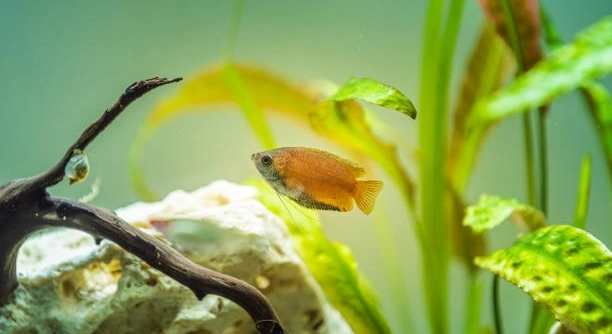
Keeping a large aquarium can be rewarding, especially when it comes to mixing different fish species. Many aquarists enjoy experimenting with giant gouramis and cichlids to see how they interact. Choosing the right companions requires careful observation and planning.
Giant gouramis can coexist with some cichlid species, but compatibility depends on tank size, individual temperaments, and territorial behavior. Careful selection and monitoring are essential to minimize aggression and ensure a balanced, peaceful environment for both fish types.
Understanding their interactions helps prevent stress and injuries, creating a more harmonious tank environment for all your aquatic pets.
Understanding Giant Gourami Temperament
Giant gouramis are generally peaceful fish, but they can become territorial as they grow. They often assert dominance over smaller or slower tank mates, which can lead to conflicts. They prefer calm waters with plenty of hiding spaces. Observing their behavior early helps prevent issues. I’ve noticed that these fish respond well to consistent feeding schedules, and providing varied diets can reduce aggression. They tend to explore the tank slowly, often testing boundaries with other fish. Tank decorations like plants, rocks, and driftwood help create visual barriers, making territorial disputes less frequent. Additionally, lighting and water conditions play a role in their mood. Keeping water clean and stable temperature prevents stress, which can otherwise increase aggressive tendencies. By understanding their nature, it becomes easier to predict interactions with cichlids and other species. Small adjustments in environment and care often result in smoother coexistence between different fish types.
Giant gouramis usually tolerate other large, non-aggressive fish if their environment is spacious and enriched with hiding spots.
Observing behavior daily is key. Minor changes in diet, tank layout, or population can prevent conflicts and promote healthier interactions between gouramis and cichlids.
Cichlid Behavior and Tank Dynamics
Cichlids vary widely in temperament, from very aggressive to mostly peaceful. Aggression often peaks during breeding or territory establishment. Proper tank setup reduces fights.
Cichlids require space to swim freely. Some species are more aggressive than others, especially males defending territory. When adding them to a tank with giant gouramis, it’s essential to consider both fish sizes. Large tanks with visual barriers like plants or rocks allow each species to establish its own area. Feeding them separately can also reduce competition. Observation is crucial in the first few weeks, as initial interactions often predict long-term compatibility. Some cichlids, like angelfish or keyhole cichlids, show moderate aggression, which is easier to manage with careful planning. Others, like African cichlids, are highly territorial and may not be suitable companions. By matching temperaments and tank requirements, you can create a more balanced environment. Over time, proper spacing and care usually lead to calmer interactions, allowing both gouramis and cichlids to coexist peacefully in the same tank.
Tank Size and Setup
Giant gouramis need a large tank, ideally over 125 gallons, to accommodate their size and swimming habits. Cichlids also need space, especially aggressive or territorial species. Proper tank size reduces stress and prevents constant conflicts.
A spacious tank allows both giant gouramis and cichlids to establish territories without frequent encounters. Decorations like rocks, driftwood, and plants help create hiding spots and visual breaks. Positioning these elements strategically prevents one species from dominating the tank. Open swimming areas are also important for gouramis, as they enjoy moving freely near the surface. Filtration must be strong enough to maintain clean water, since both species produce significant waste. Regular maintenance and careful monitoring of water parameters, including temperature, pH, and hardness, support their health. When the tank is well-planned, both gouramis and cichlids can coexist with minimal stress.
Tank layout affects behavior significantly. Gouramis prefer calm areas near plants or decorations, while cichlids often patrol open zones. Separating these zones reduces aggression and keeps both species comfortable.
Feeding and Diet
Giant gouramis are omnivores, enjoying both plant matter and protein-based foods. Cichlids vary; some need more protein, others are more herbivorous. Feeding habits must be balanced to meet both species’ needs.
Providing a mix of pellets, flakes, and occasional live or frozen foods ensures nutrition for both gouramis and cichlids. Feeding in different areas of the tank reduces competition and stress. Some cichlids can be fast eaters, so placing food near gourami resting zones can prevent conflicts. Overfeeding must be avoided, as it can lead to poor water quality and health issues. Observation during feeding is crucial; it helps identify dominance behavior or any fish being bullied away from food. Supplementing with vegetables or algae wafers supports herbivorous tendencies, keeping diets varied and healthy. Proper feeding routines contribute to peaceful coexistence.
Consistency in feeding schedules helps maintain stability. Both species respond well to predictable routines, which reduces stress, aggression, and territorial disputes. It also supports overall health and longevity in a shared tank environment.
Monitoring Aggression
Even in large tanks, aggression can appear between giant gouramis and cichlids. Early signs include chasing, nipping, or cornering. Spotting these behaviors quickly prevents serious injury.
Regular observation is important. Some conflicts are minor, but repeated attacks may require separating fish or adjusting tank layout to reduce tension.
Water Conditions
Both giant gouramis and cichlids need stable water conditions. Temperature should generally stay between 75–82°F, and pH around 6.5–7.5. Sudden fluctuations stress the fish and trigger aggression. Maintaining filtration and performing regular water changes keeps the environment clean and healthy.
Breeding Considerations
During breeding, cichlids become highly territorial. Gouramis may also guard eggs or fry, increasing the risk of fights. Keeping breeding pairs separated prevents unnecessary stress and ensures higher survival rates for young fish.
Signs of Stress
Look for faded colors, hiding, or reduced appetite. Stress indicates the tank setup or social dynamics may need adjustment to keep fish healthy.
FAQ
Can giant gouramis and cichlids live together peacefully?
Yes, they can coexist under the right conditions. Tank size, species selection, and environmental setup play key roles. Peaceful cichlids combined with a sufficiently large tank reduce territorial conflicts, while decorations and hiding spots help both species feel secure and reduce stress.
What tank size is needed for both species?
A minimum of 125 gallons is recommended. Giant gouramis grow large and require ample swimming space. Cichlids also need territory, especially aggressive species. Providing open areas alongside hiding spots allows both types to maintain personal space and reduces frequent confrontations.
Do their dietary needs conflict?
Giant gouramis are omnivores, while cichlids vary from herbivorous to carnivorous. Feeding in different areas and providing varied foods like pellets, flakes, vegetables, or live/frozen protein ensures that both species receive proper nutrition without competing excessively for food.
How can aggression be managed?
Aggression often occurs due to territorial behavior or stress. Using plants, rocks, and decorations to create visual breaks reduces conflicts. Observing interactions, feeding carefully, and separating overly aggressive individuals if necessary prevents serious injuries and maintains a peaceful environment.
Are there species of cichlids that are better suited with giant gouramis?
Yes, species like angelfish, keyhole cichlids, and certain South American cichlids tend to be more moderate in aggression. Highly territorial African cichlids are generally not recommended as they can easily dominate or harm giant gouramis. Proper research and planning are essential before mixing species.
How often should water be changed?
Weekly water changes of 20–30% help maintain water quality. Both species produce moderate to high waste. Stable parameters, including temperature, pH, and hardness, prevent stress, reduce aggression, and support long-term health for all fish in the tank.
What signs indicate stress or incompatibility?
Stress shows as faded colors, hiding, erratic swimming, or reduced appetite. Aggression, chasing, and nipping are warning signs that the tank dynamics may need adjustment, either by modifying the layout, increasing space, or separating problematic fish.
Can breeding cause problems?
Yes, both species can become more territorial during breeding. Cichlids often guard eggs aggressively, while gouramis may also defend their fry. Keeping breeding pairs isolated ensures safety for the young and prevents fights that could harm adult or juvenile fish.
Is it necessary to monitor fish daily?
Daily observation is recommended. Even minor signs of aggression or stress can escalate quickly. Checking behavior, appetite, and interactions helps identify issues early, allowing adjustments in feeding, tank layout, or social grouping before serious problems occur.
Do tank decorations affect compatibility?
Absolutely. Plants, rocks, and driftwood create hiding spots and reduce line-of-sight conflicts. These elements allow both gouramis and cichlids to claim territories without constant confrontations, improving overall coexistence and reducing stress for both species.
How can feeding routines prevent conflict?
Feeding in multiple areas and establishing consistent schedules minimizes competition. Placing food near gouramis while also feeding cichlids in their preferred zones reduces dominance struggles and ensures all fish get sufficient nutrition, promoting harmony in the tank environment.
Are water temperature and pH critical for compatibility?
Yes, both species thrive in similar ranges: temperature between 75–82°F and pH 6.5–7.5. Stable conditions reduce stress, aggression, and illness. Sudden fluctuations can trigger fights or weaken immune systems, making careful monitoring essential for long-term coexistence.
Can large tanks alone ensure compatibility?
Large tanks help but are not the only factor. Species temperament, tank layout, feeding routines, and monitoring behavior all contribute to peaceful coexistence. Even in spacious tanks, aggressive individuals may need intervention to maintain harmony.
How long does it take for fish to adjust to each other?
Adjustment times vary, but most fish settle within a few weeks if the tank is well-prepared. Initial skirmishes are common, but providing hiding spots, space, and consistent care helps them establish territories and reduces long-term aggression.
Is it safe to mix juveniles with adults?
Juveniles may be bullied by adult cichlids or gouramis. Careful introduction, monitoring, and providing separate zones or temporary partitions reduce risks. Juveniles grow faster in a stable, low-stress environment, improving their chances of coexisting with adult fish peacefully.
Keeping giant gouramis and cichlids together can work well if you plan carefully and pay attention to their needs. Both species have unique behaviors that can affect how they interact in a shared tank. Giant gouramis are generally calm but can become territorial as they grow, especially when space is limited. Cichlids vary widely in temperament, with some being moderately aggressive and others highly territorial. Understanding the natural tendencies of each fish helps you anticipate potential conflicts and create a more balanced environment. By providing enough space, visual barriers, and consistent care, it is possible to reduce aggression and allow both species to coexist peacefully. Observing their behavior regularly is crucial because even small changes in interactions or tank conditions can have a big impact on their harmony.
Tank size and layout play a major role in compatibility. A large tank, ideally over 125 gallons, gives both giant gouramis and cichlids the room they need to establish personal territories. Decorations like plants, rocks, and driftwood create hiding spots and visual breaks that prevent constant confrontations. Open swimming areas are important for gouramis, who enjoy exploring near the surface, while cichlids often prefer to patrol lower or mid-level zones. Filtration and water maintenance are equally important, as both species produce significant waste. Stable water parameters, including temperature, pH, and hardness, help prevent stress, which can otherwise trigger aggression. Feeding routines also affect compatibility. Providing food in multiple areas and offering a varied diet ensures that neither species is forced to compete aggressively for meals, which helps maintain a calmer tank environment.
Daily monitoring and careful observation are essential to long-term success. Early signs of stress or aggression, such as chasing, nipping, hiding, or reduced appetite, should be addressed immediately to prevent injuries. During breeding, both giant gouramis and cichlids may become more territorial, so keeping breeding pairs separated is recommended. Over time, consistent care, proper feeding, and a well-planned tank layout allow both species to settle into predictable routines, reducing tension and promoting healthier interactions. By paying attention to their individual needs and making adjustments when necessary, it is possible to maintain a harmonious tank where giant gouramis and cichlids coexist successfully, providing a visually interesting and engaging aquatic environment.

Hello,
If you enjoy the content that we create, please consider saying a "Thank You!" by leaving a tip.
Every little bit helps us continue crafting quality advice that supports the health, happiness, and well-being of pets around the world, for pets of all shapes, sizes, and species.
We really appreciate the kindness and support that you show us!