
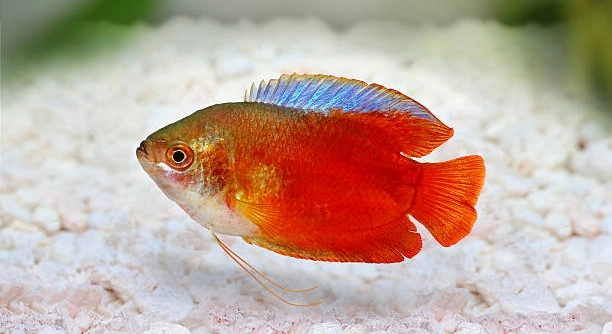
Getting a Giant Gourami can be an exciting addition to your home aquarium. These fish are known for their unique appearance and calm demeanor, making them a popular choice for experienced aquarists looking for something impressive.
Before acquiring a Giant Gourami, it is essential to understand their size requirements, diet, water conditions, and social behavior. Proper preparation ensures the fish’s health, prevents common issues, and promotes a thriving environment suitable for long-term care.
Knowing what it takes to care for these large fish can save time, money, and stress while providing a happier home for your aquatic companion.
Tank Size and Setup
Giant Gouramis grow very large, often reaching over a foot in length, so their tank needs are significant. A minimum of 125 gallons is recommended for a single adult fish, though larger tanks are always better. The aquarium should have a secure lid, as these fish can jump unexpectedly. Strong filtration is necessary to manage waste, and regular water changes help maintain water quality. Decorations should include hiding spots, but leave open swimming areas because they are active swimmers. Plants can be added, though some may be uprooted or nibbled, so choose hardy species. Maintaining stable water parameters, including a temperature range of 74–82°F and a pH of 6.5–7.5, supports their health. Substrate can be sand or smooth gravel to prevent injury. Lighting should mimic a natural day-night cycle. Monitoring the tank for signs of stress or disease is important to catch problems early and maintain a healthy environment for these sizable fish.
Proper tank setup ensures your Giant Gourami stays healthy and active, reducing the risk of stress or illness in the long term.
A well-planned aquarium creates a stable and comfortable environment, balancing filtration, space, and water quality. This preparation supports your fish’s growth, behavior, and overall well-being, while also making routine maintenance easier and less stressful.
Diet and Feeding
Giant Gouramis are omnivorous and require a varied diet to stay healthy.
A balanced diet includes high-quality pellets, fresh vegetables like lettuce or spinach, and occasional live or frozen foods such as brine shrimp. Avoid overfeeding, as they are prone to obesity, which can shorten their lifespan. Feed small amounts two to three times daily and remove uneaten food to prevent water contamination. Supplements like vitamins can be added occasionally to support immune health. Fresh, clean water is essential, as leftover food can quickly affect water quality. Observing their feeding behavior helps ensure all fish in a community tank get enough nutrition without aggression. Understanding their preferences allows you to rotate foods and provide proper fiber, protein, and nutrients, which keeps their growth steady and coloration vibrant. Over time, you will notice their personality emerge through feeding habits and interactions with tank mates, which can be both entertaining and informative.
Providing a varied and measured diet is critical to maintaining the health and vitality of a Giant Gourami.
Social Behavior
Giant Gouramis can be territorial, especially as they mature, so tank mates must be chosen carefully.
These fish are generally peaceful with smaller, non-aggressive species but may harass or intimidate other large fish. Monitoring interactions is essential to prevent stress or injury. Introducing tank mates when the Gourami is younger can help reduce aggression, but even then, some territorial disputes may occur. Providing hiding spots and visual barriers can help diffuse tension. Avoid keeping multiple adult Giant Gouramis in the same tank unless it is very large and offers plenty of space. Observing body language, such as flaring fins or chasing, signals when intervention is needed.
Understanding social tendencies ensures a harmonious tank environment. Careful planning of tank composition and monitoring behavior can reduce stress for all inhabitants, allowing the Gourami and other fish to thrive together. Adjustments may include rearranging decor or separating aggressive individuals.
Water Quality and Maintenance
Maintaining clean water is critical for the health of a Giant Gourami. Poor water quality can lead to illness, stunted growth, and stress.
Regular water changes of 25–30% weekly help remove toxins like ammonia and nitrates. A reliable filtration system is necessary to handle the bio-load of such a large fish. Testing water parameters frequently ensures pH, temperature, and hardness remain within safe ranges. Avoid sudden fluctuations, as these fish are sensitive to rapid changes. Removing uneaten food promptly and vacuuming the substrate helps prevent buildup of harmful waste. Aeration can also improve oxygen levels, supporting overall health. Consistent maintenance reduces the risk of disease and promotes a stable, comfortable environment.
Monitoring water consistently is essential for long-term success. Keeping records of parameters, observing behavior, and maintaining a routine schedule will help catch potential problems early, ensuring the Gourami thrives in a safe, balanced habitat.
Health and Common Issues
Giant Gouramis are susceptible to common freshwater fish diseases like ich, fin rot, and bacterial infections. Prompt treatment is necessary to prevent serious health problems.
Stress from poor water quality or aggressive tank mates can weaken their immune system, making them more prone to illness.
Breeding Considerations
Breeding Giant Gouramis requires patience and preparation. Males build nests at the water surface and guard eggs carefully. They prefer shallow, calm areas with floating plants for spawning. Providing proper nutrition enhances breeding success. Both temperature and water stability influence egg development and hatching rates.
Lifespan and Growth
Giant Gouramis can live 15 years or more with proper care. Their growth is steady, and they require large tanks as adults.
FAQ
How large do Giant Gouramis get?
Giant Gouramis can reach up to 24 inches in length in captivity, though their growth depends on tank size, diet, and overall care. Providing a large, well-maintained tank ensures they reach full size without health issues. Crowded conditions can stunt growth and cause stress.
What tank size is required for a single Giant Gourami?
A minimum of 125 gallons is recommended for one adult fish. Larger tanks are always preferable to accommodate their active swimming and reduce territorial behavior. Adequate space also helps maintain water quality and allows room for plants and decorations.
Are Giant Gouramis aggressive?
They are generally peaceful but can become territorial, especially as they mature. Careful selection of tank mates is essential. Avoid keeping multiple adult Gouramis together unless the tank is very large and has plenty of hiding spaces. Monitoring interactions can prevent stress or injury.
What should I feed a Giant Gourami?
A varied diet is best, including high-quality pellets, vegetables like spinach or lettuce, and occasional live or frozen foods such as brine shrimp. Overfeeding can lead to obesity. Feeding small portions two to three times daily and removing uneaten food helps maintain water quality.
How often should I change the water?
Weekly water changes of 25–30% are recommended. Regular maintenance helps remove toxins like ammonia and nitrates. Keeping water parameters stable, including pH and temperature, reduces stress and supports long-term health. Testing water frequently ensures the environment remains safe.
Can Giant Gouramis live with other fish?
Yes, but tank mates should be chosen carefully. Smaller, non-aggressive fish are usually compatible, while other large or aggressive species may trigger disputes. Introducing tank mates when the Gourami is young can reduce aggression. Providing visual barriers or hiding spots helps maintain harmony.
How do I know if my Giant Gourami is healthy?
A healthy fish is active, eats regularly, and has vibrant colors. Watch for signs of illness like lethargy, clamped fins, discoloration, or abnormal swimming patterns. Early detection and treatment are crucial to prevent serious health issues.
Do Giant Gouramis need special lighting?
Normal aquarium lighting that mimics a natural day-night cycle is sufficient. Avoid overly bright or harsh lights, which can stress the fish. Floating plants can help diffuse light and provide shaded areas for resting.
How long do Giant Gouramis live?
With proper care, they can live 15 years or more. Longevity depends on diet, tank size, water quality, and attention to health. Consistent maintenance and monitoring behaviors contribute to a long, healthy life.
Is breeding difficult with Giant Gouramis?
Breeding requires preparation and patience. Males build surface nests and guard eggs carefully. Providing floating plants and stable water conditions improves spawning success. Proper nutrition for both male and female increases the chances of healthy fry development.
What are common health issues in Giant Gouramis?
They can be prone to ich, fin rot, and bacterial infections. Poor water quality, stress, or overcrowding increases the risk. Maintaining clean water, a balanced diet, and observing behavior helps prevent these problems. Early intervention improves recovery rates.
Can they eat regular fish pellets?
Yes, high-quality pellets are suitable as the main diet. However, supplementing with vegetables and occasional live foods ensures proper nutrition and supports growth and coloration. Variety in diet helps prevent boredom and nutrient deficiencies.
Do they jump out of tanks?
Giant Gouramis are strong swimmers and can jump, especially if startled. A secure lid is essential to prevent accidents. Minimizing sudden movements near the tank and providing floating plants or decorations helps reduce jumping behavior.
How can I reduce aggression in the tank?
Provide hiding spots, visual barriers, and sufficient swimming space. Avoid keeping multiple adults in smaller tanks. Observing body language and separating aggressive individuals when needed helps maintain a peaceful environment. Early intervention reduces stress for all fish.
Is tank decor important for their well-being?
Yes, decorations like rocks, driftwood, and plants create hiding spots and reduce stress. Open swimming areas are also necessary. Some plants may be eaten or uprooted, so choose hardy varieties. Balanced decor supports both physical activity and mental stimulation.
What water parameters are best for Giant Gouramis?
A temperature range of 74–82°F, pH 6.5–7.5, and moderate hardness are ideal. Sudden changes in water parameters can stress the fish, so gradual adjustments and frequent testing are recommended. Stable conditions promote growth, health, and proper behavior.
Can they live in outdoor ponds?
They can survive in large, secure outdoor ponds in suitable climates. Water temperature and quality must be monitored closely. Providing shaded areas and protection from predators is essential for safety and comfort. Outdoor housing requires careful seasonal planning.
How do I handle health emergencies?
Isolate sick fish immediately and test water parameters. Use appropriate treatments for diseases like ich or bacterial infections. Maintaining clean water and monitoring behavior closely can prevent recurrence. Quick action improves recovery rates and protects other tank inhabitants.
Do Giant Gouramis require vitamins or supplements?
Occasional vitamin supplements can support immune health and growth, especially if the diet is not varied enough. Use them sparingly and according to package directions to avoid over-supplementation, which can cause water contamination or health issues.
Are they good for beginners?
They are best suited for aquarists with some experience. Their large size, dietary needs, and water quality requirements make them challenging for beginners. Proper planning, research, and commitment are essential for success.
Caring for a Giant Gourami requires careful planning and consistent attention to their needs. These fish grow large and need ample space to swim, so selecting an appropriately sized tank is essential. A tank of at least 125 gallons is recommended for a single adult, though larger is always better. Proper filtration and regular water changes help maintain clean water, which is critical to their health. Providing hiding spots, decorations, and open swimming areas allows them to feel comfortable and reduces stress. Temperature, pH, and water hardness should be monitored regularly, as sudden changes can affect their well-being. Paying attention to these factors from the start ensures the fish thrives in its environment.
Diet plays a key role in the health of a Giant Gourami. A balanced approach is necessary, including high-quality pellets, fresh vegetables, and occasional live or frozen foods. Overfeeding can lead to obesity and water quality problems, so small, controlled portions are ideal. Observing feeding behavior also helps ensure all fish in a community tank get enough food without causing conflict. Nutrition influences growth, coloration, and overall activity levels. Offering a variety of foods over time keeps them healthy and provides mental stimulation. Supplements, like vitamins, can be added occasionally if needed, but a diverse, consistent diet usually covers most nutritional requirements. Combining proper feeding with attentive care of water quality and tank setup supports long-term health and longevity.
Understanding the behavior and social tendencies of a Giant Gourami is equally important. While generally peaceful, these fish can become territorial, particularly as they mature. Choosing compatible tank mates and providing visual barriers or hiding spots can help manage aggression. Monitoring interactions allows you to intervene if necessary and maintain a harmonious tank environment. Breeding requires preparation and patience, with males building surface nests and guarding eggs. Observing the fish closely, addressing health concerns promptly, and maintaining a routine of feeding, cleaning, and water testing creates a stable environment that encourages a long, healthy life. With proper care, Giant Gouramis can live 15 years or more, making them a significant and rewarding commitment for any aquarist. By understanding their needs and providing consistent care, you can enjoy a thriving, active fish that adds both presence and personality to your aquarium.

Hello,
If you enjoy the content that we create, please consider saying a "Thank You!" by leaving a tip.
Every little bit helps us continue crafting quality advice that supports the health, happiness, and well-being of pets around the world, for pets of all shapes, sizes, and species.
We really appreciate the kindness and support that you show us!