
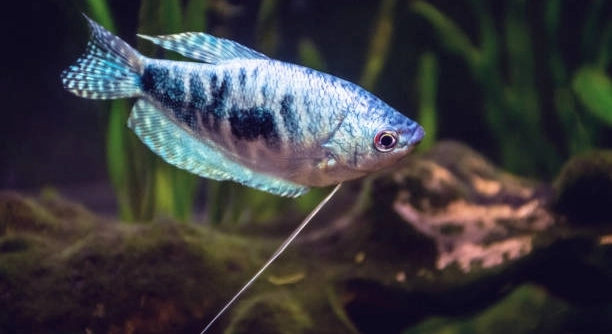
Giant gouramis are fascinating fish that thrive in a well-balanced diet. Providing them with the right foods helps support their growth, vibrant colors, and overall health, making them a delightful addition to any freshwater aquarium.
Optimal nutrition for giant gouramis includes a mix of high-quality pellets, leafy vegetables, and occasional protein sources such as worms or small insects. Feeding them a varied diet ensures proper growth, strengthens their immune system, and promotes long-term health in captivity.
Knowing which foods your giant gourami enjoys will make feeding time easier and more rewarding, helping you maintain a healthy, thriving fish in your aquarium.
High-Quality Pellets
Providing high-quality pellets is essential for your giant gourami’s diet. These pellets are formulated to deliver balanced nutrition, including protein, vitamins, and minerals. They help maintain healthy growth and bright coloration. When choosing pellets, look for those specifically designed for herbivorous or omnivorous fish to match their natural feeding habits. Avoid generic or low-quality pellets, as they may lack necessary nutrients and can affect your fish’s health over time. Feeding pellets in moderation prevents overfeeding and reduces water pollution in the tank, keeping the environment clean and safe. Introduce pellets gradually if your fish is new to them, and observe their response to ensure they accept the food. You can also alternate pellets with fresh vegetables to add variety. Consistency in feeding times helps establish a routine, which your gourami will adapt to, reducing stress and promoting overall well-being.
Pellets provide a convenient, balanced source of nutrition and are a core part of your fish’s diet.
Combining high-quality pellets with fresh vegetables ensures your gourami receives essential nutrients. Rotate pellet brands occasionally to avoid monotony and encourage feeding interest. Monitor portions carefully to prevent leftover food from accumulating and affecting water quality. By maintaining this approach, you support both your fish’s health and the cleanliness of the aquarium. Over time, you’ll notice improved energy levels, vibrant colors, and a strong immune system, reflecting the effectiveness of a well-planned pellet routine.
Leafy Greens
Leafy greens are an excellent supplement for giant gouramis. They provide fiber, vitamins, and minerals that support digestion and overall health.
Offer spinach, lettuce, or kale, chopped into manageable pieces. Blanching tough greens softens them, making them easier to eat.
Incorporating leafy greens into your feeding routine encourages natural foraging behaviors and diversifies your fish’s diet. Greens should make up a significant portion of daily feedings but should be rotated to prevent monotony. Avoid overfeeding to reduce waste buildup in the tank. Combine greens with pellets and occasional protein treats for a balanced diet. Watching your gourami nibble on fresh vegetables can also be satisfying, as it reflects their natural feeding habits and contributes to their mental stimulation. Regularly providing leafy greens helps maintain digestive health, strengthens immune function, and supports healthy coloration, creating a lively and thriving fish.
Protein Treats
Protein treats like worms, shrimp, or insects are beneficial for giant gouramis in moderation. They help support growth and provide essential amino acids that may be missing from a plant-based diet.
Introducing protein treats occasionally stimulates natural hunting instincts and adds variety to their diet. Feed small portions two to three times a week, ensuring they are appropriate for the fish’s size. Too much protein can lead to digestive issues or water quality problems, so moderation is key. Freezing or lightly cooking certain treats, such as shrimp, can reduce the risk of parasites and make them safer for your fish. Observing how your gourami responds to different protein sources helps you identify their preferences while maintaining a balanced diet.
Protein treats complement pellets and leafy greens, providing essential nutrients and encouraging natural behaviors. Combining these elements ensures your gourami remains active, healthy, and visually vibrant. Properly timed treats can enhance feeding engagement and strengthen immune response. Over time, your fish will exhibit steady growth, improved coloration, and increased energy, reflecting the benefits of a well-rounded diet that includes both plant and animal-based nutrition.
Fruits and Vegetables
Fruits and vegetables add vitamins, minerals, and fiber to a giant gourami’s diet. Offer them in small, manageable pieces to prevent waste.
Incorporating fruits like melon, cucumber, or peas offers hydration and nutrients that support overall health. Chop or lightly blanch tougher vegetables to make them easier to eat. Feeding a mix of fruits and vegetables ensures variety and encourages natural foraging behavior. Monitor portions to prevent uneaten pieces from decomposing and affecting water quality. Over time, consistent feeding of fresh produce supports digestion, enhances coloration, and boosts vitality.
Rotating different fruits and vegetables keeps your gourami engaged while providing a wide nutrient range. Combine these with pellets, leafy greens, and protein treats for a balanced diet. Some fruits can also be lightly frozen or thawed to create texture variation and maintain freshness. Providing diverse plant-based foods mimics natural feeding habits and stimulates interest during mealtime. Ensuring variety and moderation will help your gourami thrive, maintaining energy, growth, and overall well-being in the aquarium environment.
Frozen Foods
Frozen foods such as bloodworms, brine shrimp, and daphnia are convenient and nutritious options for giant gouramis. They retain essential vitamins and proteins, making them a safe addition to the diet.
Thaw frozen foods before feeding to prevent digestive issues. Offer them in small amounts to avoid overfeeding and water contamination.
Live Foods
Live foods like small insects or worms encourage natural hunting behaviors and provide essential nutrients. They are highly stimulating and can improve activity levels. Regular inclusion in the diet helps maintain health and supports growth.
Grains and Seeds
Small amounts of grains and seeds can be introduced to provide additional carbohydrates and fiber. These should be offered sparingly to avoid overfeeding or water quality problems. Grains and seeds complement other foods, contributing to a balanced diet for your giant gourami.
FAQ
What is the best feeding schedule for a giant gourami?
Giant gouramis do well with two feedings per day, once in the morning and once in the evening. Younger fish may need three smaller feedings to support growth, while adults do well with consistent twice-daily meals. Feeding the same time each day helps regulate digestion and reduces stress.
How much should I feed my giant gourami?
Feed an amount your fish can finish within five minutes. Overfeeding can cause water quality issues and health problems. Start with small portions, observe how much your gourami eats, and adjust gradually. Proper portion control prevents obesity and promotes healthy growth.
Can giant gouramis eat meat-based foods regularly?
Protein-based foods like worms, shrimp, and insects should be offered in moderation, two to three times a week. Their diet should primarily consist of pellets, leafy greens, and fruits. Excess protein can lead to digestive issues and impact water quality, so balance is key.
Are there any toxic foods for giant gouramis?
Avoid feeding foods that are processed, salted, or seasoned. Citrus fruits in large amounts can upset their digestive system. Also, certain raw meats can carry parasites, so only offer safe, fresh, or frozen options. Always observe your fish for any signs of digestive stress.
Is it necessary to vary their diet?
Yes, variety keeps your gourami healthy and mentally stimulated. A mix of pellets, leafy greens, fruits, vegetables, and occasional protein treats ensures all nutritional needs are met. Rotating foods also prevents boredom, encourages natural foraging behaviors, and supports overall vitality.
Can giant gouramis eat the same food every day?
Feeding the same food daily can lead to nutrient deficiencies and reduced appetite. Rotating between pellets, fresh produce, and protein treats ensures a balanced diet. Monitor your fish’s behavior and appetite to adjust the variety appropriately.
How should I introduce new foods?
Introduce new foods gradually over several days. Start with small portions mixed with familiar foods. Observe how your gourami responds before offering larger amounts. Patience is important, as some fish are cautious and take time to accept new textures or flavors.
Do giant gouramis require supplements?
Supplements are rarely necessary if the diet is well-balanced. High-quality pellets already provide essential vitamins and minerals. Occasionally, offering fresh produce or protein treats can naturally supplement their nutrition. Only consider additional supplements if advised by an aquatic veterinarian.
What should I do if my gourami refuses certain foods?
Try offering the food in a different form, such as blanched vegetables or chopped smaller pieces. Mixing it with preferred foods can encourage acceptance. Patience is key, as forcing food may stress the fish. Gradually, they often adapt to new items in their diet.
How do I maintain water quality while feeding?
Feed only what your gourami can consume quickly. Remove uneaten food promptly and monitor waste levels. Regular water changes and a good filtration system prevent the buildup of toxins from leftover food. Clean tank conditions support digestive health and overall well-being.
Can giant gouramis eat commercial human foods?
Most human foods are not suitable due to additives, salt, or seasoning. Stick to safe, fresh produce and protein options designed for fish. Only occasionally, very small amounts of certain vegetables can be offered if prepared properly. Safety and nutritional balance should always come first.
Are there signs of poor nutrition in giant gouramis?
Signs include dull coloration, lethargy, stunted growth, or irregular swimming patterns. Monitor behavior and appearance regularly. Adjust the diet with a mix of pellets, fresh produce, and protein treats to address deficiencies. Early intervention helps maintain long-term health.
How do I encourage a picky eater to try new foods?
Mix new foods with favorites, chop them smaller, or lightly blanch tougher vegetables. Offer foods at the same time consistently to establish routine. Gentle encouragement and patience usually result in acceptance without stress. Regularly observing feeding behavior helps identify preferences and adjust accordingly.
Can I feed giant gouramis live plants?
Yes, some live plants can be nibbled on safely. Avoid toxic species and ensure the plant is clean and free of pesticides. Live plants can provide fiber, entertainment, and natural grazing opportunities, supporting both nutrition and mental stimulation.
Is it okay to give frozen foods every day?
Frozen foods should complement the diet, not replace staple pellets and vegetables. Daily feeding is unnecessary and can lead to nutritional imbalance. Use frozen options a few times per week to maintain variety, support protein intake, and stimulate natural hunting behaviors.
How do I transition my gourami from one food type to another?
Mix the new food with the old gradually, increasing the proportion of the new food over several days. Observe acceptance and digestion. This reduces stress and prevents sudden dietary changes that could cause health issues. Gradual introduction ensures a smooth transition.
Are there seasonal considerations for feeding?
Temperature can affect metabolism. In cooler months, gouramis may eat less, so adjust portion sizes accordingly. Warmer water increases appetite, so monitor intake carefully to avoid overfeeding. Consistent observation ensures their diet meets needs year-round.
What are the benefits of a varied diet?
A varied diet provides balanced nutrients, enhances immune function, encourages natural behaviors, and maintains vibrant coloration. Offering multiple food types prevents deficiencies and keeps your gourami engaged. Balanced nutrition supports long-term health and improves overall activity levels in the aquarium.
Can baby gouramis eat the same foods as adults?
Juveniles require smaller, more frequent feedings and softer foods like finely chopped vegetables, small pellets, or micro worms. Adults can handle larger portions and a wider variety. Adjusting portion size and frequency ensures proper growth and prevents digestive issues in younger fish.
How long can gouramis go without food?
Healthy adults can survive a few days without food, but regular feeding is essential for growth and energy. Skipping meals occasionally is not harmful, but prolonged fasting can stress the fish and weaken immunity. Consistency ensures vitality and proper development.
What are safe ways to prepare vegetables for feeding?
Blanch tougher vegetables like kale or spinach to soften them. Chop all vegetables into small, manageable pieces. Avoid seasoning or oils. Proper preparation prevents choking, aids digestion, and ensures your gourami receives maximum nutrients safely.
How do I prevent overfeeding?
Offer only what your gourami can consume within five minutes. Observe eating speed and remove leftovers promptly. Maintaining a consistent feeding routine and monitoring portions prevents obesity, water quality problems, and digestive stress, keeping your fish healthy and active.
Giant gouramis are rewarding fish to keep, but their health and happiness depend heavily on proper feeding. A well-planned diet ensures they grow steadily, maintain vibrant colors, and stay active. High-quality pellets form the foundation of their nutrition, supplying essential vitamins and proteins. Complementing pellets with leafy greens, fruits, and occasional protein treats helps provide a balanced intake of nutrients while also encouraging natural foraging behaviors. Observing how your gourami responds to different foods allows you to adjust portions and types of food, making feeding both efficient and beneficial for the fish’s overall well-being. Consistency in feeding times and variety in diet play a critical role in maintaining their energy levels and preventing dietary deficiencies. By providing a structured routine and a diverse diet, you set the stage for your fish to thrive in a home aquarium, reflecting the effort put into thoughtful care.
Monitoring water quality while feeding is equally important to ensure your gourami’s environment remains safe and healthy. Overfeeding can lead to leftover food decomposing in the tank, which may affect water conditions and stress the fish. Small, measured portions that the fish can consume within a few minutes help minimize waste. Uneaten food should be removed promptly, and regular water changes and a reliable filtration system are necessary to maintain a clean habitat. A balanced diet paired with good tank hygiene supports strong immune function, reduces the likelihood of illness, and contributes to steady growth. This approach helps your gourami stay active and lively, while also making your maintenance routine manageable and effective. Feeding with care is not only about nutrition but also about fostering a safe, comfortable environment that allows your fish to flourish.
Over time, maintaining a balanced diet for your giant gourami strengthens their long-term health and enhances their natural behaviors. Introducing a variety of foods, such as frozen or live protein options, leafy vegetables, and safe fruits, keeps feeding engaging while ensuring all nutritional needs are met. Gradually introducing new foods and observing how the fish responds allows you to tailor their diet effectively, preventing stress or digestive issues. Proper feeding habits encourage steady growth, vibrant coloration, and overall vitality. A thoughtful approach to diet supports mental stimulation, as your gourami engages in natural foraging and feeding behaviors. By focusing on variety, portion control, and routine, you provide a foundation for your fish to remain healthy, active, and visually striking, creating a fulfilling experience for both you and your aquatic companion.

Hello,
If you enjoy the content that we create, please consider saying a "Thank You!" by leaving a tip.
Every little bit helps us continue crafting quality advice that supports the health, happiness, and well-being of pets around the world, for pets of all shapes, sizes, and species.
We really appreciate the kindness and support that you show us!