
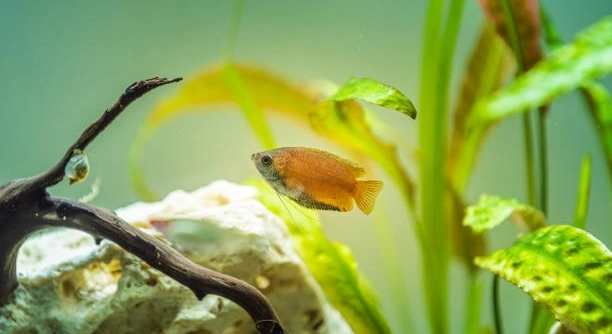
Many aquarists enjoy keeping gouramis for their vibrant colors and calm nature. Observing them swim gracefully can be relaxing, but sometimes their movements appear unusual or off-balance, raising concern about their health and well-being.
Gouramis swimming sideways is usually a sign of a swim bladder disorder or other underlying health issues. Factors such as infections, poor water quality, physical injury, or nutritional deficiencies can affect their balance and swimming behavior.
Identifying the cause is essential for proper care and recovery. Understanding the reasons behind this behavior will help ensure your gourami remains healthy and comfortable in its environment.
Swim Bladder Disorder
Swim bladder disorder is one of the most common reasons gouramis swim sideways. The swim bladder is an internal organ that helps fish control their buoyancy. When it becomes inflamed, infected, or damaged, it affects their ability to stay upright. Overfeeding, constipation, or sudden temperature changes in the tank can also trigger this issue. You might notice your gourami floating to the top, sinking to the bottom, or tilting to one side. Sometimes they struggle to move properly or seem to wobble while swimming. A balanced diet and proper feeding habits can reduce the risk. In severe cases, isolation in a separate tank and treatment with medications recommended for swim bladder issues may be necessary. Keeping the tank clean and maintaining stable water parameters helps your fish recover faster. Monitoring your gourami daily allows early detection and better outcomes, preventing long-term health problems related to swim bladder disorders.
Treating swim bladder issues quickly improves your gourami’s balance and reduces stress, keeping it active and healthy in its tank environment.
Observing symptoms carefully helps identify the problem. Adjusting feeding schedules and checking water conditions often resolves minor issues. In more serious cases, consulting an aquatic veterinarian ensures proper treatment. Regular care and attention can prevent future complications and maintain your gourami’s overall well-being.
Water Quality Problems
Poor water quality can severely impact a gourami’s health and swimming behavior. High ammonia, nitrite, or nitrate levels stress the fish and can damage internal organs, including the swim bladder.
Maintaining clean water, performing regular partial water changes, and monitoring pH and temperature are essential. Fish exposed to pollutants or sudden chemical changes may swim sideways or float abnormally. Stress from poor water conditions also weakens their immune system, making them more prone to infections. A properly cycled tank with adequate filtration helps prevent these problems. Testing water weekly allows for early correction of harmful conditions before serious damage occurs. Even minor imbalances can affect delicate species like gouramis, so consistent care is important. Paying attention to signs such as gasping at the surface, lethargy, or clamped fins can indicate water quality issues. Immediate adjustments in filtration, water changes, and proper dosing can restore balance. Creating a stable environment ensures your gourami swims normally and stays healthy over time.
Physical Injury
Gouramis can develop swimming issues from physical injuries. Bumps against decorations, aggressive tank mates, or rough handling can damage fins or internal organs, affecting balance.
Injuries to the body or fins often make the fish tilt or swim unevenly. Even minor trauma can cause internal bleeding or bruising, which may interfere with buoyancy. Observing your tank setup for sharp edges or overcrowding can prevent accidents. Isolating the injured fish in a small, calm environment helps reduce stress and encourages healing. Soft plants and smooth surfaces minimize the risk of further harm. Providing proper nutrition supports recovery, as vitamins and minerals strengthen tissue repair. Healing time varies depending on the severity, and careful observation ensures the fish does not worsen.
Monitoring behavior after an injury is crucial. If swimming remains abnormal after several days, seeking advice from a veterinarian experienced with fish can help determine if additional treatment is needed.
Parasitic or Bacterial Infections
Parasitic or bacterial infections can cause gouramis to swim sideways. These infections often attack internal organs or fins, disrupting normal movement. Symptoms may include lethargy, visible spots, or fin deterioration.
Infections usually result from poor tank conditions, contaminated food, or contact with infected fish. Bacteria and parasites can weaken the swim bladder or muscles, making the fish lose balance. Prompt treatment with appropriate medications is critical to prevent spreading to other fish. Isolating the affected gourami in a quarantine tank helps monitor its response to treatment and reduces stress. Keeping the main tank clean and avoiding overfeeding minimizes infection risks. Regular observation ensures early detection, making treatment more effective and recovery quicker.
Maintaining a healthy diet and stable water conditions strengthens your fish’s immune system. Vitamins, probiotics, and high-quality food support resilience against pathogens. Consistent care and timely intervention can restore proper swimming behavior and prevent chronic issues from developing.
Poor Diet
A poor diet can affect a gourami’s swim bladder and overall health. Feeding low-quality food or too much dry food may lead to constipation or bloating, causing sideways swimming.
Providing varied, high-quality food helps maintain digestion and buoyancy. Adding vegetables or frozen foods can prevent nutritional imbalances and support normal swimming behavior.
Stress
Stress can make gouramis swim erratically or tilt sideways. Overcrowding, sudden changes in light, or aggressive tank mates often trigger stress. Stress weakens the immune system, making the fish more prone to infections and swim bladder problems. Consistent care and a calm environment reduce stress significantly.
Temperature Fluctuations
Rapid temperature changes in the tank can disrupt a gourami’s metabolism and buoyancy. Fish exposed to sudden shifts may swim sideways or float awkwardly. Keeping the water temperature stable within the recommended range for gouramis ensures proper organ function and reduces swimming irregularities.
Genetic or Congenital Issues
Some gouramis may have genetic or congenital problems affecting the swim bladder or skeletal structure. These conditions can result in lifelong balance issues, making sideways swimming a persistent behavior despite optimal care. Regular observation helps manage their health effectively.
Why is my gourami swimming sideways only sometimes?
Sometimes a gourami may swim sideways occasionally due to mild stress or minor digestive issues. Overfeeding, sudden water changes, or brief exposure to aggressive tank mates can temporarily affect their balance. In many cases, adjusting feeding habits, keeping the water stable, and reducing stress can restore normal swimming. Observing the fish’s behavior closely over a few days helps determine if the issue is temporary or a sign of a more serious underlying problem.
Can swim bladder disorder be treated at home?
Yes, mild swim bladder issues can often be managed at home. Fasting the fish for a day or two and feeding easily digestible foods like soaked pellets or daphnia can relieve constipation-related buoyancy problems. Maintaining clean water and stable temperature also supports recovery. In more persistent cases, medications recommended for swim bladder disorders may be necessary, but consulting an aquatic veterinarian is always safer before using treatments. Early intervention increases the chances of a full recovery and prevents permanent damage to the fish’s balance and swimming ability.
How do I know if poor water quality is causing sideways swimming?
Indicators of poor water quality include gasping at the surface, lethargy, faded colors, and clamped fins. High levels of ammonia, nitrites, or nitrates can irritate internal organs, including the swim bladder, affecting swimming. Testing water parameters regularly and performing partial water changes helps restore balance. Using proper filtration and avoiding overfeeding reduces waste buildup. Observing the fish’s response after improving water conditions can confirm whether poor water quality was the cause.
Are injuries reversible in gouramis that swim sideways?
Minor injuries to fins or the body can be reversible with proper care. Isolating the fish in a calm tank, removing sharp objects, and offering a stress-free environment promotes healing. Providing high-quality food with vitamins aids tissue repair. Severe internal injuries may require veterinary attention. Regular observation ensures that the fish recovers fully without long-term swimming problems. Recovery time varies depending on the severity and location of the injury.
Do infections always cause sideways swimming?
Not always, but bacterial and parasitic infections often affect balance by targeting the swim bladder or muscles. Symptoms may include visible spots, frayed fins, lethargy, and abnormal swimming. Early detection and treatment with appropriate medications, combined with isolation, help prevent the infection from worsening or spreading. Maintaining a clean tank and providing a nutritious diet strengthen the fish’s immune system and reduce the likelihood of infections causing swimming problems.
Can genetics cause a gourami to swim sideways?
Yes, some gouramis are born with congenital issues affecting the swim bladder or skeletal structure. These genetic factors may cause permanent sideways swimming, regardless of care. While these fish can live full lives, monitoring their health and providing a stress-free environment ensures they remain comfortable. Adjusting tank decorations to reduce obstacles and potential injury is helpful for long-term care.
How long does it take for a sideways swimming gourami to recover?
Recovery time depends on the underlying cause. Minor digestive or stress-related issues may resolve within a few days. Swim bladder disorders or infections can take one to two weeks or longer with proper treatment. Severe injuries or congenital problems may result in lifelong sideways swimming. Consistent care, proper diet, clean water, and monitoring help maximize recovery chances and prevent complications over time.
Should I separate a sideways swimming gourami from other fish?
Isolation is recommended if the fish shows severe swimming problems, aggression, or signs of illness. A separate tank reduces stress, prevents injury, and allows for closer monitoring and treatment. Providing hiding spots and calm water in the quarantine tank encourages recovery. Once the fish stabilizes and begins swimming normally, it can be reintroduced to the main tank gradually.
Is overfeeding linked to sideways swimming?
Overfeeding can cause constipation or bloating, affecting buoyancy and swim bladder function. Feeding small, measured portions and including a mix of pellets, vegetables, or frozen foods prevents digestive issues. Fasting the fish occasionally helps clear the digestive system. Proper feeding routines are essential to maintain normal swimming behavior and overall health.
Can temperature changes make a gourami swim sideways?
Yes, sudden drops or spikes in water temperature can disrupt metabolism and organ function, causing loss of balance. Keeping the water temperature stable within the recommended range for gouramis ensures proper swim bladder function and reduces erratic swimming. Gradual acclimation to temperature adjustments prevents stress and long-term health problems.
How can I prevent my gourami from swimming sideways in the future?
Maintaining a stable environment, clean water, and a balanced diet are key. Avoid overfeeding, overcrowding, or sudden changes in light or temperature. Regular observation allows early detection of stress, injuries, or illness. Providing smooth tank decorations and hiding spaces minimizes injury risk. Consistent care ensures your gourami swims normally and remains healthy.
Are some gourami species more prone to swimming sideways?
Yes, certain species like dwarf gouramis may be more susceptible to swim bladder disorders or genetic issues. Smaller fish are sensitive to water quality, temperature changes, and stress. Providing stable conditions and attentive care reduces the risk, but some species may still require closer monitoring due to inherent vulnerabilities.
Observing your gourami swimming sideways can be worrying, but understanding the possible reasons helps you respond effectively. Many cases are caused by common issues like swim bladder disorders, poor water quality, or minor injuries. These problems are often manageable with proper care, attention, and adjustments to the tank environment. Noticing early signs of imbalance or unusual swimming behavior allows you to take action before the condition worsens. Even small changes, such as improving water conditions, adjusting feeding habits, or reducing stress in the tank, can make a significant difference in restoring your fish’s normal swimming. Paying attention to your gourami’s daily behavior and maintaining a consistent routine supports long-term health and comfort.
Providing a clean and stable environment is one of the most important steps in preventing sideways swimming. Regular water testing, partial water changes, and proper filtration help maintain safe levels of ammonia, nitrites, and nitrates. Temperature stability is equally important, as sudden shifts can disrupt organ function and metabolism. Ensuring the tank is not overcrowded and that decorations are smooth and safe minimizes the risk of injuries. A well-balanced diet with quality food, occasional vegetables, and protein sources keeps your fish healthy and reduces the likelihood of constipation or nutritional imbalances that can affect swimming. Combining these practices with careful observation makes it easier to spot any emerging issues before they become serious.
Even when the cause is genetic or congenital, it is possible to create a comfortable and safe environment for your gourami. Adjusting tank decorations to reduce obstacles, providing calm swimming spaces, and minimizing stress can make a significant difference in quality of life. If the sideways swimming is caused by an infection or injury, prompt treatment and isolation when necessary improve recovery chances. Maintaining a routine of careful monitoring, feeding, and water management ensures your gourami stays as healthy as possible. Understanding these factors not only helps manage current swimming issues but also prevents future problems, giving your fish the best chance to thrive in its home aquarium.

Hello,
If you enjoy the content that we create, please consider saying a "Thank You!" by leaving a tip.
Every little bit helps us continue crafting quality advice that supports the health, happiness, and well-being of pets around the world, for pets of all shapes, sizes, and species.
We really appreciate the kindness and support that you show us!