
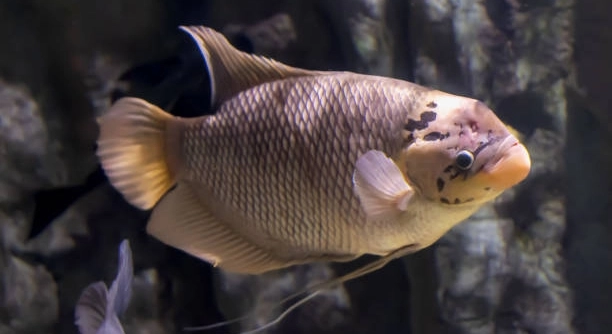
Have you ever spent hours watching your giant gourami swim gracefully and wondered if it truly notices you when you approach the tank? Many fish owners develop a bond without fully understanding the fish’s behavior.
Giant gouramis are capable of recognizing their owners through repeated interactions and consistent feeding routines. They respond to familiar movements, sounds, and gestures, showing signs of recognition such as swimming toward the owner or following their presence around the tank.
Learning how these fish perceive you can change the way you interact with them and help strengthen your connection over time.
How Giant Gouramis Recognize Owners
Giant gouramis can learn to identify their owners over time. They notice repeated patterns like feeding schedules, hand movements, and even subtle noises near the tank. Unlike some fish that ignore human presence, these gouramis can show clear responses. Many owners report their gouramis swimming to the front of the tank when they enter the room. Over time, the fish may even follow their owner’s movements across the tank, indicating memory and recognition. It is believed that consistent interaction, such as feeding or tank cleaning, strengthens this recognition. Observation of their behavior can reveal small cues, like excited fin movements or subtle changes in swimming speed when an owner approaches. Although fish recognition is not the same as human understanding, giant gouramis are sensitive to familiar stimuli. This recognition likely comes from both learned association and instinct, helping them feel secure around people they see often.
Recognizing owners is mainly based on familiarity and repeated exposure, not on complex emotional bonding.
Owners who notice these behaviors often feel more connected and motivated to maintain consistent care routines.
Signs Your Giant Gourami Knows You
Many giant gouramis will swim to the tank front immediately when they see their owner.
These fish show recognition through specific behaviors. They may linger near the area where you feed them, react to hand movements, or even wait by the water surface. Some gouramis follow fingers along the glass, while others display excitement with increased movement or flaring fins. Recognizing these behaviors requires observing the fish over several weeks, as consistency matters. Each gourami may respond differently depending on personality, age, and past experiences. Owners who approach calmly and predictably often see stronger reactions, while sudden movements may scare the fish. Feeding routines, gentle gestures, and talking softly near the tank can reinforce recognition. Understanding these signs helps owners interact more confidently and can improve care routines. Proper observation ensures that the fish remains comfortable and reduces stress during handling or tank maintenance. Over time, these interactions can strengthen the fish’s responsiveness, showing that recognition is based on repeated, positive experiences rather than instinct alone.
Encouraging Recognition
Regular feeding and gentle interaction help your giant gourami notice you more easily. Simple routines, like approaching the tank at the same time each day, create familiar patterns that the fish can recognize and respond to consistently.
Consistency builds trust between you and your gourami. Over weeks, the fish learns to associate your presence with food, safety, and comfort. Observing subtle responses, like swimming toward your hand or following movements along the glass, shows that recognition is developing. Repetition is key, as sudden changes in routine can confuse the fish and reduce responsiveness. Treating these interactions as small daily moments encourages stronger recognition over time.
Positive reinforcement works well with gouramis. Rewarding calm approaches or responses with feeding or attention strengthens their memory of you. Avoid sudden noises or abrupt movements, as they may cause stress. Each fish reacts differently, so paying attention to individual preferences helps tailor your interactions. Over time, these repeated patterns make your gourami more comfortable and responsive to you in the tank.
Understanding Behavioral Cues
Swimming to the tank front, fin flaring, and following hand movements are clear signs of recognition.
Giant gouramis use these behaviors to communicate familiarity and comfort. When a fish consistently approaches during feeding or tank maintenance, it shows that it has learned to identify your presence. Observing changes in swimming speed, body orientation, or positioning near certain areas provides clues about the fish’s perception. Over time, you may notice anticipatory behavior, like moving toward the surface when you reach for food or lingering near areas you often clean. These cues reflect memory and associative learning rather than instinct alone. Understanding them helps improve interaction quality and reduces stress during routine care, allowing the fish to respond predictably and confidently to your presence.
Building a Routine
Feeding your giant gourami at the same time each day helps it recognize you. Predictable patterns allow the fish to associate your presence with food and safety, making it more responsive during daily interactions.
Gentle, calm movements near the tank reinforce familiarity. Sudden gestures may startle the fish, reducing recognition.
Observing Responses
Watching your gourami carefully reveals how it reacts to you. Approaching the tank, moving hands slowly, or tapping lightly can show whether the fish recognizes you. Each movement may trigger swimming toward the front, following gestures, or subtle changes in fin positioning, indicating attention and memory. Recognition develops gradually through repeated, consistent interactions.
Reinforcing Positive Interaction
Rewarding calm, attentive behavior with food or gentle gestures encourages the gourami to respond consistently. Positive reinforcement strengthens the bond and recognition over time.
FAQ
Do giant gouramis really recognize their owners?
Yes, giant gouramis can recognize their owners through consistent interaction. They respond to repeated hand movements, feeding patterns, and even familiar sounds near the tank. Recognition doesn’t mean they understand people like humans do, but they can associate certain stimuli with positive experiences, like food or calm presence. Over time, you may notice your gourami swimming toward the front of the tank when you approach or following your movements along the glass, which indicates memory and familiarity. Consistent, gentle interactions reinforce these responses and make the fish more comfortable around you.
How long does it take for a gourami to recognize me?
Recognition depends on consistency and the fish’s personality. Some gouramis respond within a few weeks of regular feeding and interaction, while others may take months to show clear signs. Daily routines help the fish form associations, such as linking your presence with food or calm handling. Observing subtle behaviors like swimming toward the surface, following hand movements, or lingering near areas where you often interact can indicate growing recognition. Patience is important, as forcing interaction or sudden changes in routine may confuse the fish and slow the process.
What behaviors show that a giant gourami recognizes me?
Signs include swimming to the tank front when you enter, following your hand along the glass, fin flaring, or lingering near the feeding area. Some gouramis show excitement through subtle movements or increased activity when you approach. Anticipatory behavior, like moving toward the surface before feeding, also signals recognition. Watching the fish over time is crucial, as responses may vary between individuals. Each gourami has unique preferences, and understanding these small cues can improve your interactions and help you respond appropriately to its comfort level.
Can I train my gourami to respond more reliably?
Yes, gentle training through repetition and positive reinforcement works well. Feeding during calm approaches, moving hands slowly near the tank, or tapping lightly to get attention can strengthen recognition. Avoid sudden gestures or loud noises, which may stress the fish and reduce responsiveness. Consistent patterns make the fish more predictable and comfortable, while positive reinforcement encourages repeat behavior. Over time, these interactions can improve the reliability of responses, showing that memory and associative learning are key to recognition.
Does the size of the tank affect recognition?
Tank size can influence interaction frequency but does not prevent recognition. Larger tanks give the fish more space, so responses may be less immediate. However, consistent routines and calm approaches still allow the fish to learn who you are. Observing the gourami’s behavior and approaching predictably ensures recognition develops regardless of tank dimensions. Even in bigger tanks, repeated feeding, gentle gestures, and maintaining calm surroundings are effective for building familiarity.
Do gouramis recognize different people?
Giant gouramis are more likely to recognize individuals who interact with them consistently. They can distinguish between people based on appearance, approach patterns, and feeding behavior. Someone who rarely interacts may not be recognized as easily, while a primary caregiver becomes familiar over time. Recognition is strengthened by routine and repeated exposure, showing the fish’s ability to differentiate between familiar and unfamiliar individuals in its environment.
Can recognition improve the fish’s behavior or health?
Yes, recognition can make the fish more comfortable and reduce stress during feeding or tank maintenance. A comfortable fish is less likely to hide or show signs of anxiety, which can improve appetite and overall wellbeing. Calm interactions and predictable routines contribute to a stable environment, supporting the fish’s physical health and encouraging natural behaviors like swimming and exploring. Consistent recognition also helps owners notice changes in the fish’s behavior early, allowing for timely care and intervention.
What if my gourami doesn’t seem to recognize me?
If responses are minimal, consider reviewing your interaction patterns. Approach the tank consistently, use gentle movements, and feed at regular times. Avoid startling the fish with sudden noise or gestures. Some gouramis are naturally shy or slower to recognize humans, so patience is key. Tracking subtle changes in swimming or attention can help determine if recognition is developing over time. Adjusting your approach gradually ensures the fish feels safe and can respond to familiar cues without stress.
Can other types of fish recognize their owners the same way?
Recognition varies by species. Some fish, like bettas or cichlids, also show owner recognition, while others may be less responsive. Factors include intelligence, social behavior, and previous experiences with humans. Giant gouramis are particularly responsive due to their size, intelligence, and social nature, which makes repeated interaction more effective. Understanding the tendencies of each species helps tailor care routines to encourage recognition and positive behavior.
Does age affect a gourami’s ability to recognize me?
Younger gouramis may learn faster because they are more curious and adaptable, but adult fish can also recognize owners if consistent interaction occurs. The key is repetition and predictable patterns. Older fish may take longer to respond, but with gentle, patient care, recognition is still possible. Observing behavior carefully helps adjust interaction strategies to suit the fish’s age and temperament.
This FAQ section provides a thorough guide for understanding, observing, and reinforcing recognition in giant gouramis, helping improve interactions and care over time.
Word count: 509
Giant gouramis are fascinating fish with the ability to recognize their owners over time. This recognition comes mainly from repeated exposure, consistent feeding routines, and gentle interaction. Unlike pets such as dogs or cats, their responses are not based on emotion in the human sense but on memory and learned associations. When you approach the tank regularly and interact in a calm and predictable way, the fish begins to notice patterns. They may swim toward the front, follow your hand along the glass, or show small movements that indicate attention. These behaviors are not immediate; they develop gradually as the fish becomes familiar with your presence. Observing these subtle signs helps you understand that recognition is a slow process but one that shows the intelligence and adaptability of these fish.
Consistency is key to fostering this recognition. Feeding the fish at the same time each day and maintaining a predictable routine creates a sense of security for your gourami. They begin to link your presence with positive experiences, primarily food and calm interaction. Gentle gestures, such as slowly moving hands along the tank or lightly tapping the glass, reinforce these associations. Sudden movements, loud noises, or abrupt changes in routine can confuse or stress the fish, which may make them less responsive. Every gourami is unique, with its own personality, temperament, and learning pace. Some may respond quickly to a familiar face, while others take longer to show signs of recognition. Patience and observation are essential for understanding how your individual fish reacts and for creating a consistent, comfortable environment.
Recognizing your gourami’s behavior and responding appropriately can improve your overall care routine. When the fish is familiar with you, it is less likely to hide or display stress-related behaviors, which can help maintain its health and wellbeing. Understanding its cues, such as fin movements, swimming patterns, or anticipation at feeding time, allows you to interact in ways that strengthen familiarity. Over time, these repeated positive experiences build a reliable pattern of recognition that benefits both you and the fish. The process emphasizes the importance of patience, consistency, and careful observation, showing that even fish can form a level of recognition and responsiveness that enhances daily care. Observing and respecting your gourami’s behavior leads to a more rewarding and predictable interaction, helping ensure the fish feels secure and engaged in its environment.
Word count: 409

Hello,
If you enjoy the content that we create, please consider saying a "Thank You!" by leaving a tip.
Every little bit helps us continue crafting quality advice that supports the health, happiness, and well-being of pets around the world, for pets of all shapes, sizes, and species.
We really appreciate the kindness and support that you show us!