
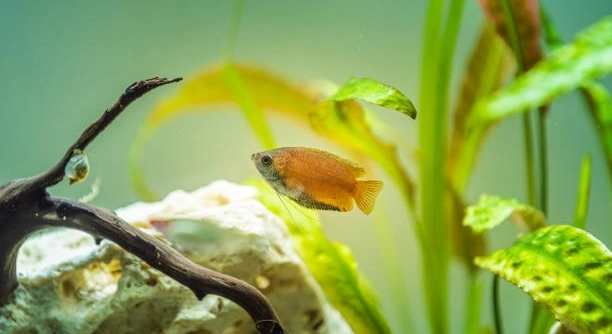
Have you ever noticed your gourami swimming around without touching its food? It can be worrying when a fish that usually eats eagerly suddenly shows no interest. Many owners face this frustrating situation without knowing why.
Gouramis may stop eating due to stress, poor water quality, illness, or improper diet. Temperature fluctuations, aggressive tank mates, and sudden environmental changes also impact appetite. Identifying the root cause is essential to restore healthy feeding behavior.
Understanding the reasons behind a gourami’s loss of appetite can prevent long-term health issues. Taking small steps now ensures your fish remains happy, healthy, and thriving in its aquarium environment.
Water Quality Issues
Poor water quality is one of the main reasons gouramis stop eating. Ammonia, nitrite, and nitrate levels can rise quickly in tanks that aren’t maintained, and even small changes in pH or hardness can stress your fish. Gouramis are sensitive to sudden shifts, and their appetite often decreases when they feel unsafe in their environment. Checking water parameters regularly and performing partial water changes can make a big difference. Filtration should be adequate for the tank size, and overfeeding should be avoided, as leftover food decays and pollutes the water. Stress from dirty water weakens their immune system, making them more susceptible to illness. Even if the fish appear healthy, poor water conditions silently affect their behavior. Maintaining clean, stable water conditions is crucial for keeping gouramis active, healthy, and eating consistently.
Regular water testing and partial water changes can restore a gourami’s appetite and maintain overall health in the aquarium.
Keeping water balanced is not only about cleanliness but also stability. Sudden changes in temperature or pH can make gouramis hide or refuse food. Observing your tank daily and adjusting slowly helps them feel secure. Over time, maintaining consistent water quality creates a calm environment, encouraging normal eating habits and reducing stress-related behavior.
Temperature Fluctuations
Gouramis are tropical fish and rely on stable temperatures to regulate their metabolism.
Even a few degrees too low or high can cause them to lose interest in food. Sudden drops at night or rapid heating during the day can shock them, slowing digestion and reducing appetite. Using a reliable heater and thermometer ensures consistent warmth. Avoid placing the tank near windows, air conditioners, or heating vents that cause temperature swings. During seasonal changes, extra monitoring is necessary to prevent stress. Gradual adjustments in water temperature help gouramis adapt without affecting feeding habits. Observing behavior during temperature changes can indicate if the fish are uncomfortable. A healthy temperature range keeps their metabolism functioning correctly, allowing them to eat normally and remain active. Consistent warmth also supports the immune system, making them less likely to fall ill. Ensuring stable temperature conditions is a simple but essential step to encourage regular feeding behavior.
Stress from Tank Mates
Aggressive or overly active tank mates can intimidate gouramis, causing them to hide and refuse food. Even smaller fish that chase or nip at fins create stress, leading to decreased appetite and lethargy.
When gouramis feel threatened, they often retreat to corners or dense plants, avoiding the main swimming areas. Constant harassment can lead to chronic stress, which suppresses their digestive system and affects overall health. Separating aggressive fish or providing more hiding spots can relieve tension. Slow-moving or peaceful tank mates are ideal, as they allow gouramis to feel safe and eat comfortably. Monitoring interactions daily helps identify sources of stress before it becomes harmful. Over time, a calm tank environment encourages normal feeding and active behavior, improving long-term well-being.
Adding decorations or live plants can give gouramis safe zones. Vertical space and floating plants help them escape visual stress, creating a more secure environment. These adjustments often restore appetite and reduce anxiety.
Illness and Parasites
Changes in eating habits are often linked to illness or parasites in gouramis. Symptoms like clamped fins, spots, or unusual swimming patterns indicate health issues.
Bacterial infections, fungal growth, and parasites can all interfere with appetite. Internal parasites may cause bloating or constipation, while external parasites irritate the skin and gills. Treating illnesses promptly with appropriate medication is critical. Quarantining sick fish prevents the spread to other tank inhabitants. Maintaining a clean tank and monitoring behavior can reduce the risk of disease. Early intervention often restores appetite quickly, preventing long-term complications. Observing eating patterns, physical changes, and energy levels gives insight into your gourami’s health, helping address problems before they worsen.
Regular observation and preventive care, including quarantines and proper nutrition, minimize illness risks. Balanced diets strengthen the immune system, making gouramis less susceptible to infections and parasites. Monitoring water quality and tank cleanliness complements these efforts, ensuring a healthier environment.
Overfeeding
Overfeeding can cause gouramis to stop eating properly. Uneaten food decays, polluting the water and stressing the fish.
Feeding smaller portions two to three times a day is enough. Removing excess food promptly prevents water contamination and keeps your gourami interested in mealtime.
Improper Diet
Gouramis require a varied diet to stay healthy and maintain appetite. Sticking to only one type of food can lead to nutrient deficiencies. Providing a mix of flakes, pellets, frozen, or live food ensures balanced nutrition. Offering occasional treats like bloodworms or brine shrimp can stimulate appetite and encourage feeding. Observing which foods your gourami prefers helps tailor their diet. A proper diet supports digestion, energy levels, and overall well-being, making them more likely to eat consistently. Variety also prevents boredom, keeping mealtime engaging and helping them maintain a healthy appetite.
Environmental Changes
Sudden rearrangements in the tank or changes in lighting can unsettle gouramis. These changes disrupt their sense of security and may temporarily reduce feeding interest.
Breeding Behavior
During breeding periods, gouramis often eat less. Males may focus on nest building, while females may reduce intake, conserving energy for spawning activities.
FAQ
Why isn’t my gourami eating even though the water looks clean?
Even if the water appears clear, chemical imbalances like ammonia, nitrite, or nitrate spikes may still be present. Gouramis are sensitive to slight changes in pH or hardness. Testing water regularly and performing partial water changes ensures a stable environment that supports appetite and overall health.
Can temperature changes really affect my gourami’s appetite?
Yes, gouramis are tropical fish and rely on consistent warmth to regulate metabolism. Sudden drops or spikes in temperature can shock them, slowing digestion and reducing interest in food. Using a reliable heater and monitoring with a thermometer maintains stability. Gradual adjustments help them adapt without stress.
Do stress and tank mates impact feeding habits?
Aggressive or fast-moving tank mates can intimidate gouramis, causing hiding and refusal to eat. Providing plenty of hiding spots, floating plants, or separating aggressive fish can reduce stress. Peaceful companions encourage normal feeding behavior, making them more likely to eat comfortably.
Could illness or parasites be the reason my gourami isn’t eating?
Yes. Loss of appetite often signals health issues. Bacterial infections, fungal growth, or parasites can interfere with feeding. Look for clamped fins, spots, or unusual swimming patterns. Prompt treatment and quarantining sick fish help restore appetite and prevent disease spread.
Is overfeeding harmful to gouramis?
Overfeeding not only leads to uneaten food polluting the tank but also can cause digestive problems. Feeding smaller portions two to three times daily and removing leftovers keeps the water clean and maintains their interest in food. Proper portion control is key to preventing appetite loss.
How does diet variety affect my gourami’s eating habits?
A varied diet prevents nutrient deficiencies and keeps feeding interesting. Flakes, pellets, frozen, and live foods like bloodworms or brine shrimp provide balanced nutrition. Observing preferences helps tailor meals, supporting digestion, energy levels, and regular appetite. Variety also prevents boredom, encouraging consistent feeding.
Do environmental changes really make gouramis stop eating?
Yes. Sudden rearrangements in decorations, substrate, or lighting can unsettle them. Gouramis rely on a stable environment for security. Gradual changes and maintaining familiar hiding spots help them adjust without affecting feeding behavior.
Why do gouramis eat less during breeding?
During breeding, males may focus on nest building while females conserve energy for spawning. Reduced feeding is normal during this period and usually returns to normal afterward. Ensuring both have calm surroundings and proper nutrition supports health during these times.
Can water flow affect appetite?
Strong currents may stress gouramis, as they prefer calmer areas. Positioning filters or adding plants to break the flow creates peaceful zones, allowing fish to eat comfortably and reducing stress-related appetite loss.
What should I do if my gourami still won’t eat?
First, check water quality, temperature, tank mates, and diet. Observe for signs of illness and isolate sick fish if necessary. Adjust conditions gradually, offer preferred foods, and monitor behavior. Persistent refusal may require consultation with an aquatic veterinarian to identify underlying health issues.
This FAQ covers the most common reasons gouramis stop eating and provides practical solutions. Monitoring water conditions, tank dynamics, diet, and health ensures your fish regain a consistent appetite and remain healthy in their environment.
Gouramis are delicate and sensitive fish, and changes in their environment or routine can easily affect their appetite. Over time, I’ve learned that even small shifts in water quality, temperature, or tank setup can make a big difference in whether they eat regularly. Maintaining clean water is essential, but it’s not just about appearance. Clear water can still contain harmful levels of ammonia, nitrites, or nitrates, and these chemicals often go unnoticed until they start affecting the fish. Consistent testing and gradual adjustments create a stable environment that encourages normal feeding habits. I’ve noticed that when water parameters are balanced and stable, gouramis seem calmer and more willing to explore their food without hesitation. A reliable filtration system and regular partial water changes are practical steps that directly improve their health and reduce stress, which in turn helps them eat consistently.
Temperature also plays a major role in a gourami’s behavior. Being tropical fish, they require steady warmth to keep their metabolism functioning correctly. Even a few degrees of fluctuation can make them less interested in food and more prone to stress. In my experience, using a dependable heater and keeping a thermometer in the tank prevents sudden temperature swings that could affect appetite. It’s also important to monitor seasonal changes and avoid placing the tank near drafty windows, air conditioning vents, or heating sources. Gradual adjustments rather than abrupt changes help gouramis adapt without compromising their feeding habits. I’ve found that observing their behavior during temperature shifts provides clues about their comfort levels, helping to maintain a stable environment that keeps them eating normally and reduces the risk of illness.
Diet and tank dynamics also influence a gourami’s willingness to eat. A varied diet ensures that they receive all the nutrients they need while keeping mealtime interesting. Flakes, pellets, frozen foods, and occasional live foods can all be included to encourage feeding. Overfeeding or sticking to only one type of food often leads to appetite loss, and leftover food can pollute the water, adding more stress. Tank mates are another factor to consider, as aggressive or overly active companions can intimidate gouramis and cause them to hide or refuse food. Providing hiding spaces, calm tank companions, and stable environmental conditions often restores appetite. Paying attention to health issues, including signs of illness or parasites, is crucial, as these problems can also suppress feeding. By combining careful water maintenance, stable temperatures, proper diet, and mindful tank management, it is possible to create a healthy and stress-free environment that supports regular eating and overall well-being for gouramis.

Hello,
If you enjoy the content that we create, please consider saying a "Thank You!" by leaving a tip.
Every little bit helps us continue crafting quality advice that supports the health, happiness, and well-being of pets around the world, for pets of all shapes, sizes, and species.
We really appreciate the kindness and support that you show us!