
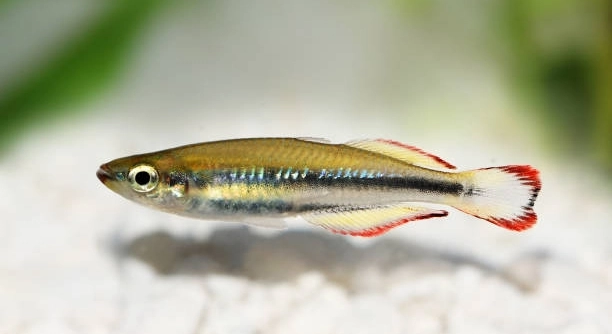
Madagascar Rainbowfish are popular in home aquariums due to their vibrant colors and peaceful nature. They bring life to any tank, but understanding their social needs is important for keeping them healthy and happy.
Madagascar Rainbowfish are social animals that thrive in groups. While they can survive alone for short periods, long-term isolation can cause stress, reduce activity, and negatively impact their overall health and well-being in an aquarium environment.
Learning how to properly care for these fish can help ensure they remain active and colorful. The following facts provide essential guidance for their long-term comfort and survival.
Understanding Madagascar Rainbowfish Social Needs
Madagascar Rainbowfish are naturally social and feel most comfortable in groups of at least six. Keeping them alone can make them shy, inactive, or stressed. Their bright colors may fade when they feel isolated, and they may hide more often. In a group, they interact with each other, swim in coordinated patterns, and display natural behaviors that make them visually striking. Observing a single fish can be rewarding, but it will never fully express its personality without companions. Proper tank size and conditions also play a role. A small tank with one fish may seem sufficient, but it limits space for swimming and interaction, increasing stress. Feeding, lighting, and hiding spaces must be balanced to ensure the fish’s overall health. Monitoring behavior and color changes can indicate whether your fish is thriving or struggling. Isolation is not immediately fatal, but it can shorten their lifespan and reduce vitality.
Even a short period of companionship can significantly improve their activity and well-being in the tank.
Maintaining a group in the aquarium requires thoughtful planning. Adequate space, regular feeding, and clean water contribute to their health. Adding plants and decorations encourages natural behaviors, giving them places to explore and hide. Watching them interact can be calming and rewarding, as their patterns and movements create a lively, harmonious scene. Social stimulation prevents boredom and supports natural instincts like chasing or schooling. Observing them together helps identify signs of illness or stress more easily. Keeping a balanced number of fish prevents bullying and ensures even distribution of attention and resources. Groups also encourage more vibrant coloration, reflecting their comfort level. By arranging the tank to meet both social and environmental needs, the fish will thrive physically and emotionally. Careful observation and maintenance are key to sustaining a healthy, active, and colorful aquarium environment for Madagascar Rainbowfish.
Signs a Rainbowfish is Struggling Alone
A lone Madagascar Rainbowfish often becomes less active and may hide for long periods.
Signs of stress include dull colors, reduced appetite, and erratic swimming patterns. Loneliness can also make them more prone to illness due to weakened immunity. Watching for these signs early can prevent long-term health problems.
Stress in isolation can affect behavior and physiology. Fish may stop exploring or chasing food, and their immune system can weaken, making them vulnerable to disease. Physical changes like faded colors, clamped fins, or unusual swimming patterns indicate distress. Providing companions or improving environmental enrichment can reverse some negative effects, but prolonged isolation may cause permanent behavioral changes. Social interactions help regulate hormone levels, maintain activity, and promote natural schooling behaviors. Observing fish behavior over time is essential to understand their comfort and adjust care accordingly. By recognizing early warning signs, corrective actions can be taken, ensuring the fish remain healthy, active, and visually vibrant.
Tank Size Requirements for One Rainbowfish
A single Madagascar Rainbowfish needs enough space to swim freely, at least a 20-gallon tank. Crowding or small tanks increase stress and reduce activity.
Providing ample swimming room allows the fish to display natural behaviors and maintain muscle tone. Decorations should be minimal but include hiding spots like plants or rocks. Water flow should be gentle to mimic their natural habitat. Even alone, proper space prevents boredom and supports physical health. Filtration and regular water changes are essential to maintain water quality, as stress from poor conditions can lead to disease. Monitoring their movement patterns helps determine if the tank size is sufficient.
A lone fish in a small tank may appear fine initially, but over time, lack of stimulation can reduce vitality. Stress can cause color fading, decreased appetite, and less interaction with the environment. Ensuring proper tank dimensions, water conditions, and enrichment helps counter these effects. Observation of daily activity is critical, as subtle signs of stress or discomfort can indicate the need for adjustments in tank setup. This approach supports overall health and encourages natural swimming and foraging behaviors, even in isolation.
Social enrichment can be partially compensated with decorations, mirrors, or floating plants, but it cannot fully replace companions. Stress from isolation is mitigated by environmental complexity.
Feeding and Nutrition Considerations
Feeding a single Madagascar Rainbowfish requires a balanced diet of high-quality flakes, pellets, and occasional live or frozen food.
Nutritional needs remain the same whether in a group or alone. Regular feeding schedules prevent overeating or malnutrition. Variety in diet supports coloration, growth, and energy levels. Live foods like brine shrimp or daphnia stimulate natural hunting behavior, which can reduce boredom in a solitary fish. Supplementing with vegetable-based flakes or pellets ensures they receive vitamins and minerals for long-term health. Feeding small portions multiple times a day is ideal, as this mimics natural foraging patterns. Monitoring how much the fish eats helps prevent uneaten food from polluting the tank.
Overfeeding can be a problem, especially in a single-fish tank where food is not competed for. Excess waste increases ammonia and nitrate levels, which stress the fish and can cause disease. A varied diet encourages natural activity and prevents nutrient deficiencies. Observing their eating habits is essential, as changes in appetite can signal stress or illness. Structured feeding, along with clean water and environmental enrichment, supports overall health, maintaining energy, vibrant colors, and behavioral normalcy. Even alone, proper nutrition ensures the fish can thrive and display its natural behaviors consistently.
Water Conditions and Maintenance
Madagascar Rainbowfish need stable water conditions to stay healthy. Temperature should range between 72–82°F, pH around 6.5–7.5, and soft to moderately hard water. Regular testing and partial water changes prevent harmful chemical buildup.
Filtration is crucial even for a single fish. A gentle filter keeps water clean without stressing the fish. Weekly water changes of 20–30% help maintain water quality. Avoid sudden shifts in temperature or pH, as these can cause stress and illness. Monitoring ammonia, nitrite, and nitrate levels ensures a safe environment. Consistent maintenance creates a stable, low-stress habitat that supports healthy behavior, coloration, and longevity for a solitary Madagascar Rainbowfish.
Behavioral Signs of Stress
Stress manifests through reduced swimming, faded colors, and hiding. Solitary fish may appear lethargic or uninterested in food.
Adding Companions Later
Introducing new Rainbowfish requires careful acclimation to prevent aggression. Quarantine new fish and gradually integrate them into the tank.
Environmental Enrichment
Providing plants, rocks, and decorations keeps a single fish mentally stimulated and encourages natural behaviors.
FAQ
Can a Madagascar Rainbowfish live alone permanently?
Madagascar Rainbowfish can survive alone for short periods, but long-term isolation is not ideal. They are naturally social, and living without companions can lead to stress, faded colors, and reduced activity. Even if a single fish appears healthy, it may be struggling internally. Providing at least a small group ensures better mental stimulation, encourages natural behaviors, and promotes overall well-being.
How many Madagascar Rainbowfish should I keep together?
A minimum group of six is recommended for these fish. Smaller groups may still interact but can show signs of stress or shyness. Larger groups enhance natural schooling behaviors, keep the fish active, and make them appear more vibrant. Proper tank size must accompany the number of fish to prevent overcrowding and maintain good water quality.
Can I keep a single Rainbowfish in a small tank?
A single fish can survive in a small tank, but limited space increases stress. The minimum tank size for one fish is about 20 gallons, with enough room for swimming, hiding spots, and proper filtration. Decorations like plants and rocks add enrichment, but they cannot replace the social interaction that comes from having companions.
What signs show my Rainbowfish is stressed from being alone?
Signs include faded coloration, hiding for long periods, reduced appetite, and lethargic behavior. Fish may also swim erratically or cling to one area of the tank. Stress from isolation weakens their immune system, making them more susceptible to disease. Monitoring behavior daily helps identify problems early and allows corrective actions, such as adding companions or improving environmental enrichment.
Can mirrors or decorations substitute for companions?
Mirrors, floating plants, and decorations can provide some stimulation, but they cannot fully replace social interaction. A fish may show temporary interest in its reflection, but it does not satisfy its natural need for group behaviors like schooling. Decorations mainly encourage exploration and activity, reducing boredom slightly but not addressing social needs completely.
How do I introduce new Rainbowfish to my tank?
Quarantine new fish for at least two weeks before adding them to the main tank. Gradually acclimate them by floating their bag in the tank to equalize temperature and slowly mixing tank water into the bag. Monitor interactions after introduction to prevent bullying. Provide hiding spots and keep an eye on behavior for several days to ensure peaceful integration.
Is it safe to keep a Rainbowfish with other species?
Yes, Madagascar Rainbowfish are peaceful and compatible with other non-aggressive fish of similar size. Avoid aggressive species that may harass or injure them. Mixing with other social fish can provide additional stimulation, but always ensure the tank is spacious enough for all species to coexist comfortably.
Does being alone affect their lifespan?
Chronic stress from isolation can reduce lifespan. A well-cared-for solitary fish may live a normal lifespan, but social interaction supports both mental and physical health, helping them remain active and less prone to disease. Group living generally leads to longer, healthier lives for Rainbowfish.
Can I keep a single fish temporarily for breeding purposes?
Yes, temporary isolation for breeding is acceptable, but it should be brief. The fish should return to a group as soon as possible to avoid long-term stress. Provide optimal water conditions and enrichment during isolation to minimize negative effects.
How often should I monitor a lone Rainbowfish?
Daily observation is important to detect early signs of stress, illness, or behavioral changes. Check water parameters regularly and maintain consistent feeding and cleaning schedules. Even a single fish benefits from structured care and environmental stability, which reduces the risk of health issues and ensures it remains active and vibrant.
Can diet compensate for being alone?
A balanced, varied diet keeps a solitary fish healthy but cannot replace social stimulation. Providing live or frozen foods encourages natural foraging behaviors, helping to reduce boredom. However, without companions, the fish may still show reduced activity or dull coloration. Nutrition supports physical health but not mental well-being fully.
Will a Rainbowfish recognize me if it’s alone?
Yes, they can recognize and respond to regular human interaction. Alone, they may approach for feeding or observe movements in the tank more frequently. While this creates a bond, it does not replace the social benefits of having companions in the tank.
Are there long-term effects of keeping a Rainbowfish alone?
Long-term isolation can result in chronic stress, weaker immunity, and behavioral changes like lethargy or repetitive swimming patterns. Their natural schooling behavior will not develop fully, and coloration may fade over time. Providing companions and environmental enrichment is the most effective way to prevent these issues.
What is the minimum care I should provide a single Rainbowfish?
Ensure proper tank size, stable water conditions, a balanced diet, and some form of enrichment. Regular monitoring and water maintenance are essential. While solitary care can sustain them short-term, social interaction remains critical for long-term mental and physical health.
Can a single Rainbowfish be happy in an aquarium?
Happiness is relative, but a single fish will not reach its full potential alone. Enrichment, proper care, and stable conditions help, but companionship allows the fish to exhibit natural behaviors, remain active, and display vibrant coloration consistently. Alone, they survive but do not thrive fully.
Final Thoughts
Madagascar Rainbowfish are vibrant, active, and social creatures that thrive best in groups. While they can survive alone for a period, long-term isolation is not ideal for their mental and physical health. A solitary fish may appear healthy, but subtle signs of stress can develop over time, such as hiding, reduced activity, or faded coloration. Observing these behaviors early is important to prevent more serious health issues. Ensuring proper tank size, water quality, and enrichment can help a single fish stay healthy, but it cannot fully replace the benefits of companionship. Social interaction is essential for maintaining natural behaviors, regulating hormone levels, and promoting overall vitality. Even with careful attention, a lone Rainbowfish will not fully display the schooling behaviors or energy that come from being part of a group. Understanding these needs helps in planning the aquarium setup and providing an environment that supports both the physical and psychological well-being of the fish.
When keeping Madagascar Rainbowfish alone, attention to environmental conditions becomes even more critical. Proper temperature, pH levels, and water hardness must be maintained consistently to reduce stress. Filtration and regular water changes help prevent the buildup of harmful chemicals that can affect the fish’s health. Adding plants, rocks, or other decorations can provide some mental stimulation and places to explore, but these are not substitutes for the natural social interactions the fish would experience in a group. A varied diet with high-quality flakes, pellets, and occasional live or frozen food supports their energy levels and coloration. Observing feeding habits and activity patterns daily helps identify early signs of stress or illness. While solitary care can be managed successfully, understanding the natural social instincts of Madagascar Rainbowfish makes it clear that they are happiest and healthiest when kept with companions. Careful planning, regular maintenance, and attention to their behavior are key to ensuring the fish can live a fulfilling life even when temporarily alone.
Even with all proper care, a single Rainbowfish will have limitations in expressing its natural behaviors fully. Loneliness can reduce activity levels, cause fading of colors, and impact long-term health. If keeping a lone fish is necessary, providing as much environmental enrichment as possible and closely monitoring its behavior is crucial. Observing subtle changes in swimming patterns, appetite, or interactions with the tank environment can indicate whether the fish is coping well or struggling. Adding companions later, when possible, can dramatically improve their quality of life. Ultimately, Madagascar Rainbowfish are social creatures, and their well-being is maximized when their social needs are met. Understanding these requirements helps any fish keeper provide the best possible care, creating an environment where the fish can remain active, vibrant, and healthy for many years. Even in isolation, thoughtful care, proper tank conditions, and attention to detail allow the fish to thrive, but companionship remains the key factor for their overall happiness and natural behavior.

Hello,
If you enjoy the content that we create, please consider saying a "Thank You!" by leaving a tip.
Every little bit helps us continue crafting quality advice that supports the health, happiness, and well-being of pets around the world, for pets of all shapes, sizes, and species.
We really appreciate the kindness and support that you show us!