
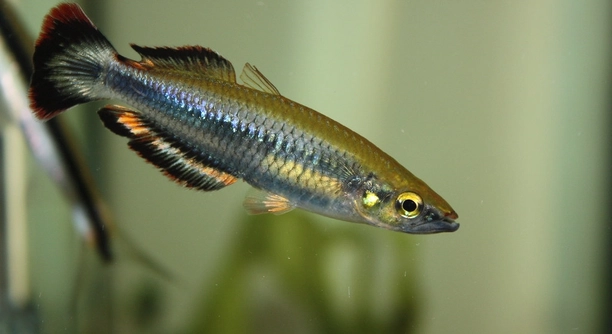
Do you ever notice your rainbowfish swimming unusually or hiding more than usual in the tank? These small, colorful fish can show subtle signs when they are feeling stressed or uncomfortable in their environment.
Rainbowfish exhibit stress through behavioral and physical indicators, including color fading, clamped fins, erratic swimming, loss of appetite, frequent hiding, rapid gill movement, and aggression. Addressing environmental conditions and water quality is essential to reduce stress.
Recognizing these signs early helps you create a healthier, calmer tank for your rainbowfish and supports their overall well-being and longevity.
Faded Colors and Dull Appearance
When a rainbowfish loses its vibrant colors, it is often a sign of stress or illness. Healthy rainbowfish display bright, shimmering colors that reflect good water conditions and proper nutrition. Fading can occur due to poor water quality, sudden changes in temperature, or overcrowding in the tank. Stress from aggressive tank mates can also cause color loss. Observing your fish daily helps you notice these changes before they worsen. Adjusting lighting, feeding a balanced diet, and maintaining a clean tank can improve their appearance over time. Consistency in water parameters and reducing sudden environmental changes will help restore their natural coloration. Some stress-related color fading can be reversed within weeks if addressed promptly, while long-term neglect may cause permanent dullness. Keeping decorations and hiding spots in the tank also allows fish to feel secure, which can encourage their colors to return.
Monitoring your rainbowfish’s colors is an effective early indicator of their overall health.
Providing proper tank conditions and nutrition ensures they regain vitality and thrive, promoting a stable and stress-free environment.
Clamped Fins and Unusual Swimming
Clamped fins, where the fins are held close to the body, often indicate stress in rainbowfish.
This behavior may result from poor water quality, sudden temperature shifts, or disease. Fish with clamped fins often swim erratically or stay at the bottom of the tank. Maintaining proper water conditions, including pH balance and temperature, is essential to prevent this issue. Avoid overcrowding, as excessive fish can increase stress and limit swimming space. Introduce hiding spots to help them feel safe. Gentle observation and adjusting feeding schedules can also reduce stress. In some cases, treating the tank for parasites or infections may be necessary. Over time, addressing these factors allows fins to return to their natural position, and swimming behavior improves. Regular monitoring and small, gradual changes in the tank environment are preferable to sudden adjustments. Patience and consistency are key to helping rainbowfish recover from stress. Recognizing and correcting these signs early ensures their well-being.
Hiding and Avoiding Interaction
Rainbowfish often hide when they are stressed or uncomfortable in their tank.
Frequent hiding can be caused by poor water quality, aggressive tank mates, or sudden changes in the environment. If your fish spend most of their time behind decorations or at the bottom of the tank, it’s a sign that something is wrong. Providing hiding spots is important, but constant hiding shows stress rather than comfort. Monitor water parameters and reduce sudden disturbances to help your fish feel safe.
Stress can also arise from overcrowding or incompatible tank mates. Ensure each fish has enough space and that aggressive species are kept separate. Feeding routines and water changes should be consistent to maintain a stable environment. Introducing plants or soft substrate can provide natural hiding options without causing additional stress. Observing behavior daily allows you to notice early signs and make changes before stress affects health.
Proper tank setup, consistent water quality, and peaceful tank mates reduce hiding and encourage normal swimming and social behaviors.
Loss of Appetite
Rainbowfish losing interest in food is a clear sign of stress or illness.
Appetite loss can result from poor water conditions, sudden changes in diet, or the presence of aggressive tank mates. Stressed fish may refuse even their favorite foods, leading to rapid weight loss and weakened immune systems. Offering small, frequent meals and maintaining consistent feeding schedules can help. Monitor water quality closely, as high ammonia or nitrate levels often cause food rejection.
Overfeeding should be avoided, as excess food can degrade water quality and worsen stress. A varied diet with high-quality flakes, pellets, or live food encourages interest in eating. Observing how fish respond to different foods can indicate whether the stress is environmental or health-related. If appetite does not improve within a few days, consider isolating the affected fish to check for disease or parasites. Proper care and attention restore normal feeding behavior.
Rapid Gill Movement
Rapid gill movement is a common sign that your rainbowfish is stressed or struggling to breathe.
This can occur due to poor water quality, low oxygen levels, or high temperatures. Ensuring proper aeration and maintaining clean water helps reduce gill strain.
Aggression Toward Tank Mates
Stressed rainbowfish may show unusual aggression, chasing or nipping other fish. This behavior often arises from overcrowding, incompatible tank mates, or lack of hiding spaces. Separating aggressive fish and ensuring each species has enough room can reduce tension. Monitoring behavior daily helps prevent long-term conflicts and injuries.
Erratic Swimming
Erratic swimming, such as darting around the tank or spinning, indicates stress or discomfort in rainbowfish. This behavior can result from sudden environmental changes, poor water conditions, or internal health issues. Observing these signs allows for timely adjustments to their habitat.
Pale or Clamped Fins
Pale or clamped fins are a sign of prolonged stress, poor nutrition, or illness. Maintaining consistent tank conditions helps restore their natural appearance.
FAQ
How can I tell if my rainbowfish is stressed?
Stress in rainbowfish shows through behavioral and physical changes. Common signs include faded colors, clamped fins, hiding, loss of appetite, rapid gill movement, erratic swimming, and aggression toward tank mates. Observing your fish daily helps catch these signs early.
What causes stress in rainbowfish?
Stress can result from poor water quality, sudden temperature changes, overcrowding, aggressive tank mates, improper diet, or lack of hiding spaces. Even minor disturbances, like loud noises or frequent tank maintenance, can trigger stress. Keeping the environment consistent is key to reducing these problems.
How can I improve water quality for my rainbowfish?
Regular water changes, using a good filtration system, and monitoring parameters like pH, ammonia, nitrite, and nitrate levels are essential. Avoid overfeeding, as leftover food can degrade water quality. Testing the water weekly ensures the environment remains healthy and stable.
Can diet affect rainbowfish stress levels?
Yes, an unbalanced diet can weaken immunity and increase stress. Providing a mix of high-quality flakes, pellets, and occasional live or frozen foods ensures proper nutrition. Feeding small, consistent portions prevents overeating and maintains water quality, which directly impacts stress levels.
How do tank mates influence stress?
Aggressive or territorial species can intimidate rainbowfish, causing hiding, fin clamping, or reduced appetite. Overcrowding also increases competition for food and space. Choosing peaceful companions and providing adequate space reduces conflict and supports calm behavior.
What role does tank setup play in reducing stress?
Proper tank size, hiding spots, plants, and decorations give rainbowfish areas to explore and retreat. Consistent lighting and avoiding sudden changes help maintain a stable environment. A well-arranged tank minimizes stress and encourages natural behaviors.
When should I isolate a stressed rainbowfish?
If a fish shows severe stress, illness, or is being bullied by tank mates, isolation may help. Use a quarantine tank with stable water conditions, proper aeration, and regular feeding. Isolation allows recovery without further disturbance or injury.
How long does it take for a stressed rainbowfish to recover?
Recovery time depends on the severity of stress and environmental adjustments. Minor stress can resolve in a few days with proper care, while prolonged issues may take weeks. Consistent water quality, diet, and peaceful tank conditions accelerate recovery.
Can temperature changes affect stress?
Yes, sudden shifts in temperature can shock rainbowfish, causing hiding, rapid gill movement, or lethargy. Maintain a stable temperature suitable for rainbowfish species and avoid abrupt changes during maintenance or water changes.
Are there signs that indicate stress is turning into illness?
If stress persists, fish may develop secondary symptoms like fin rot, fungal growth, or lethargy. Loss of appetite, unusual swimming patterns, or visible lesions indicate health issues. Prompt intervention, including water quality adjustments and potential treatment, is essential to prevent further complications.
Can adding plants or decorations reduce stress?
Yes, natural or artificial plants and decorations provide hiding spots, breaking line of sight and reducing aggression. Structured environments allow rainbowfish to feel secure, encouraging normal swimming and social behaviors while minimizing stress triggers.
Is overcrowding a major stress factor?
Absolutely. Too many fish in a tank increases competition for food, space, and oxygen. It can lead to aggression, hiding, and color fading. Following recommended stocking levels and maintaining adequate filtration ensures a balanced and calm tank environment.
How often should I monitor my rainbowfish for stress?
Daily observation is ideal. Look for changes in color, behavior, or appetite. Early detection allows prompt adjustments in water quality, tank setup, diet, or tank mates, preventing stress from developing into serious health problems.
Can water changes help reduce stress?
Yes, regular water changes maintain optimal water quality and reduce harmful toxins. Replace 20-30% of the water weekly, ensuring temperature and chemistry match the tank to avoid additional stress. Consistency in water maintenance is crucial for a healthy environment.
Is it normal for rainbowfish to hide occasionally?
Occasional hiding is natural, especially during feeding or bright lighting. Persistent hiding, however, indicates stress or discomfort. Assess water quality, tank mates, and environmental changes to determine the cause and provide security through proper tank setup.
Can stress affect rainbowfish lifespan?
Prolonged stress weakens immunity, reduces appetite, and increases susceptibility to disease, shortening lifespan. Maintaining stable water conditions, a balanced diet, adequate space, and compatible tank mates is vital to ensure longevity and well-being.
What can I do if my rainbowfish refuses to eat?
Offer a variety of high-quality foods in small portions and maintain consistent feeding times. Check water quality, temperature, and tank conditions. If the fish continues to refuse food for more than a couple of days, consider isolating it to observe and address potential health issues.
How can I prevent stress in rainbowfish long-term?
Maintain stable water parameters, provide a spacious and well-decorated tank, feed a balanced diet, and select compatible tank mates. Avoid sudden changes in lighting, temperature, or maintenance routines. Consistent monitoring and gradual adjustments reduce stress and support healthy, active fish.
Are there signs that indicate the tank environment itself is stressful?
Frequent hiding, color fading, clamped fins, and aggression often indicate environmental stress. Check water quality, stocking levels, and tank layout. Adjusting decorations, adding plants, and stabilizing temperature and chemistry can create a calmer habitat and reduce stress triggers.
Rainbowfish are delicate and colorful fish that require careful attention to thrive in a home aquarium. Stress can affect them in subtle ways, and understanding the signs is key to keeping them healthy. Signs like faded colors, clamped fins, hiding, or loss of appetite should not be ignored. Observing your fish daily helps you notice small changes in behavior or appearance before they become serious problems. By paying attention to these details, you can take steps to improve their environment and reduce stress, allowing your rainbowfish to regain vitality and enjoy a balanced life in the tank.
Maintaining a stable and clean tank is one of the most important steps in preventing stress. Consistent water parameters, regular water changes, and a properly sized tank all contribute to a stable environment. Overcrowding and incompatible tank mates can increase tension, while decorations, plants, and hiding spots provide security and reduce stress. Feeding a balanced diet and avoiding sudden changes in routine also support overall health. Even minor adjustments, like checking temperature and aeration, can make a significant difference in how your rainbowfish behave and interact. Attention to these factors ensures the fish feel secure and comfortable in their surroundings.
Stress in rainbowfish can lead to long-term health issues if left untreated, including weakened immunity and susceptibility to disease. Addressing the root causes quickly, whether through water quality improvements, diet adjustments, or changes in tank setup, promotes recovery and prevents future problems. Each fish responds differently, so patience and observation are essential. By taking consistent and thoughtful care, you can create a safe, calm, and healthy habitat that encourages natural behavior and vibrant coloration. Proper care not only enhances their appearance but also supports their overall well-being, allowing rainbowfish to live longer and remain active members of your aquarium.

Hello,
If you enjoy the content that we create, please consider saying a "Thank You!" by leaving a tip.
Every little bit helps us continue crafting quality advice that supports the health, happiness, and well-being of pets around the world, for pets of all shapes, sizes, and species.
We really appreciate the kindness and support that you show us!