
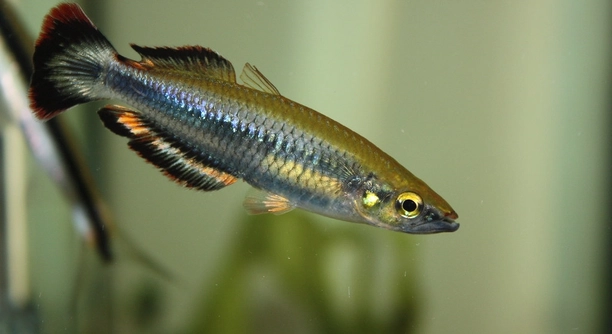
Tall and long aquariums both offer unique benefits for fishkeeping, especially when it comes to rainbowfish. Choosing the right tank can affect their swimming space, health, and overall behavior in subtle but important ways.
Rainbowfish show a clear preference for longer tanks over taller ones. Long tanks provide ample horizontal swimming space, which supports their natural schooling behavior and reduces stress, while taller tanks restrict their movement and may limit social interactions.
Understanding tank shape preferences can help create a healthier environment for rainbowfish. The following guide explains what works best for their well-being.
Why Tank Shape Matters for Rainbowfish
Tank shape plays a major role in rainbowfish health and behavior. Rainbowfish are active swimmers that prefer open, horizontal space to move freely. A longer tank allows them to school naturally, explore their environment, and maintain social structures without feeling confined. Tall tanks, while sometimes visually appealing, limit their horizontal movement and can increase stress levels over time. In addition, long tanks provide better opportunities for decorating with plants, rocks, and hiding spots in a way that supports natural behavior. Swimming in groups is easier in a longer tank, which helps reduce aggression and promotes calm interactions. A well-proportioned tank also makes feeding more consistent, as all fish can access food without competition. Proper water circulation and oxygen distribution are easier to maintain in a long tank, ensuring a healthier environment. Ultimately, the shape of the tank directly impacts the well-being and vitality of rainbowfish, making it a key factor in their care.
Long tanks mimic natural habitats and reduce stress, supporting more natural behavior.
Choosing the right shape ensures rainbowfish have enough space to swim, interact, and thrive. Decoration placement becomes simpler, and water quality is easier to maintain. With a properly sized long tank, schooling patterns improve, and the fish exhibit more vibrant colors. Even minor adjustments to tank layout can make a significant difference. Fish feel safer and explore more confidently. Stress-related illnesses decrease, and their daily activity levels increase. Long tanks allow for more natural feeding routines, avoiding overcrowding near food areas. These benefits combine to create a stable, healthy environment that supports longevity. For anyone caring for rainbowfish, prioritizing a longer tank over a tall one provides measurable improvements in behavior, color intensity, and overall vitality. This approach ensures the tank meets both aesthetic and practical needs without compromising the fish’s natural tendencies or health.
Optimal Tank Dimensions
Rainbowfish benefit from tanks that are at least 36 inches long. Wider tanks provide room for schooling and reduce territorial conflicts.
For a healthy rainbowfish setup, aim for a tank that balances length, width, and depth. A tank at least 36 inches long with moderate width allows multiple fish to swim together comfortably. Depth is less critical than length, but it should support hiding spots and some vertical movement. Providing at least 20 gallons for a small group helps maintain water quality and reduces stress. Adding plants along the sides rather than blocking the center preserves open swimming space. Rocks, driftwood, and other decorations should be arranged to create safe zones without hindering movement. Consistent filtration and aeration ensure oxygen distribution throughout the tank, which long tanks handle more effectively than tall tanks. Monitoring water parameters regularly helps prevent fluctuations that could affect fish health. Overall, proper dimensions paired with thoughtful decoration allow rainbowfish to express natural behaviors, school efficiently, and display vibrant coloration. By focusing on horizontal space and balanced design, the tank becomes a sustainable, enjoyable environment for both the fish and the keeper.
Water Flow and Oxygenation
Proper water flow is essential for rainbowfish health. Long tanks allow for more even circulation, preventing stagnant areas. Tall tanks often create uneven flow, leaving some fish in low-oxygen zones, which can stress them and impact their energy levels.
In long tanks, filtration systems work more efficiently because water moves horizontally. This horizontal circulation distributes oxygen evenly and supports beneficial bacteria growth throughout the tank. Fish receive adequate oxygen while swimming, which helps maintain their activity and vibrant colors. Poor flow in tall tanks can create dead zones where debris accumulates, making cleaning harder. Consistent movement also encourages natural swimming patterns and reduces boredom, helping rainbowfish stay healthy.
Rainbowfish are sensitive to water conditions, so maintaining stable oxygen levels is crucial. Long tanks give them space to swim against gentle currents, replicating their natural habitats. Aeration systems, combined with proper filtration, ensure oxygen reaches all areas. Tank placement and water movement should be adjusted to avoid creating strong currents that exhaust fish. Regular water testing prevents issues before they affect behavior or health. With attention to flow, rainbowfish can thrive, display natural schooling behavior, and maintain overall well-being.
Decoration and Space Management
Decorations should enhance the tank without restricting swimming. Long tanks provide ample horizontal space for plants, rocks, and hiding spots while leaving open areas for movement.
Arranging decorations along the sides and corners of a long tank maximizes free swimming space. Tall tanks often force decorations to cluster in the center, limiting horizontal movement and stressing fish. Long tanks allow layering of plants and driftwood, creating depth while supporting natural behaviors like schooling and exploration. Open areas in the middle let rainbowfish swim freely, reducing aggression and promoting healthier interactions. Properly spaced hiding spots give shy fish security without overcrowding the main swimming paths, balancing aesthetics and function.
Managing tank space efficiently also improves maintenance. Cleaning long tanks is simpler because decorations can be moved or rearranged without disturbing fish. Food distribution is more even, and areas prone to waste accumulation are easier to monitor. Long tanks support both visual appeal and functional design, making the environment healthier for rainbowfish. Thoughtful placement of plants, rocks, and structures encourages natural behaviors while maintaining the open horizontal space the fish prefer. This approach minimizes stress, supports vibrant coloration, and ensures the tank remains manageable for daily care.
Lighting Considerations
Lighting should be balanced to enhance colors without stressing rainbowfish. Long tanks allow even light distribution, reducing shadows and creating a more natural environment for swimming and plant growth.
Tall tanks often cast uneven light, leaving some areas dim. This can make fish feel exposed or stressed, while plants in low-light zones may struggle to thrive, affecting the tank’s ecosystem.
Schooling Behavior
Rainbowfish are social and thrive in groups. Long tanks support schooling by providing enough horizontal space for coordinated swimming. In confined or tall tanks, fish may crowd together, increasing tension and aggressive interactions. Proper schooling reduces stress and promotes natural activity.
Feeding Patterns
Feeding in long tanks is easier because all fish can access food without competition. Horizontal space allows even distribution, preventing dominant fish from monopolizing meals and ensuring smaller or shy fish eat adequately.
Tank Placement
Place tanks away from direct sunlight or drafts to maintain stable temperature. Long tanks benefit from consistent positioning, supporting water quality and fish health by avoiding sudden environmental changes.
What tank size is best for rainbowfish?
A long tank is generally better than a tall one for rainbowfish. Ideally, a tank should be at least 36 inches long with a minimum capacity of 20 gallons for a small group. The extra horizontal space allows fish to school comfortably and reduces stress. Depth is less important than length, but some vertical space is helpful for plants and decorations. A properly sized tank ensures better water circulation, even oxygen distribution, and more natural swimming behavior. Long tanks also make it easier to arrange decorations without restricting movement, which contributes to healthier and more active fish.
Can rainbowfish live in tall tanks?
Rainbowfish can survive in taller tanks, but it is not ideal. Tall tanks limit horizontal swimming space, which can lead to increased stress and territorial disputes among fish. While they may adapt, their natural schooling and exploration behaviors are restricted. Tall tanks also create uneven water flow and oxygen distribution, leaving some areas less habitable. If a tall tank is the only option, it should be supplemented with strong horizontal swimming areas and careful decoration placement to reduce stress. Monitoring behavior closely is important to ensure all fish are active and healthy.
How many rainbowfish should I keep together?
Rainbowfish are social and do best in groups of at least six. Smaller groups can lead to stress, aggression, and timid behavior, as fish rely on numbers to feel secure. In long tanks, larger groups can swim freely and display natural schooling patterns without overcrowding. Decorations should be arranged along the sides and corners, leaving the center open for swimming. Maintaining a proper ratio of males to females can reduce conflicts and stress. A well-sized group in a long tank promotes active, vibrant, and healthy fish that exhibit natural social behaviors.
What decorations work best for rainbowfish tanks?
Plants, driftwood, and rocks are ideal for rainbowfish tanks, but they should not block swimming space. Long tanks allow decorations to be spread along the edges and corners, leaving open areas in the center for schooling. Decorations provide hiding spots for shy fish and create a more natural environment. Avoid overcrowding the tank, as this can restrict movement and increase stress. Floating plants can soften lighting and give fish more comfort. Open space combined with well-placed decorations encourages exploration, reduces aggression, and supports healthy behaviors.
How should I manage water flow in a rainbowfish tank?
Water circulation should be gentle and evenly distributed. Long tanks make it easier to maintain horizontal flow, ensuring all areas receive oxygen. Tall tanks often have uneven currents, leaving dead zones where oxygen is lower. Proper flow encourages swimming, supports beneficial bacteria, and keeps the tank cleaner. Adjust filtration and aeration to avoid strong currents that can exhaust fish. Regular water testing helps ensure conditions remain stable. Even flow across the tank supports healthy, active rainbowfish and reduces stress-related health issues.
What is the best lighting setup for rainbowfish?
Even lighting is key to highlighting colors and supporting plant growth without stressing fish. Long tanks allow light to spread evenly across the aquarium. Avoid placing tall tanks in areas where light is blocked or uneven. LED lighting with adjustable intensity works well. Maintaining a regular day-night cycle helps fish stay healthy and reduces stress. Plants in well-lit areas thrive, while fish swim confidently in open, well-lit spaces. Proper lighting enhances natural coloration and encourages active behavior, making the tank both visually appealing and healthy for its inhabitants.
How do I feed rainbowfish in a long tank?
Feed small amounts multiple times a day to ensure all fish get food. In a long tank, distribute food evenly across the surface to prevent dominant fish from monopolizing meals. Use sinking or floating food depending on fish behavior. Observing feeding patterns helps identify shy fish that may need supplemental feeding. Maintaining a consistent routine supports healthy growth, reduces stress, and prevents leftover food from polluting the tank. Proper feeding in a long tank allows all rainbowfish to thrive and maintain bright colors.
Where should I place my rainbowfish tank?
Place the tank away from direct sunlight, heaters, or air drafts to maintain stable temperature and water conditions. Long tanks benefit from consistent positioning to ensure even water circulation and avoid stress from sudden environmental changes. Avoid high-traffic areas that may startle the fish. A stable, quiet location supports healthy behavior, vibrant colors, and proper schooling patterns. Regular checks for water parameters help maintain a safe and comfortable environment. Proper placement ensures rainbowfish feel secure and can fully utilize the space provided in a long tank.
How often should I clean a rainbowfish tank?
Regular maintenance is essential for healthy fish. Clean the tank weekly or bi-weekly depending on fish load and feeding habits. Long tanks make it easier to access decorations and substrate while maintaining open swimming space. Remove debris, perform partial water changes, and check filtration to prevent buildup of harmful substances. Avoid over-cleaning, which can disturb beneficial bacteria. Keeping the tank clean promotes healthy water chemistry, supports fish well-being, and allows rainbowfish to swim and school naturally without stress.
What common mistakes should I avoid with rainbowfish tanks?
Avoid using tall tanks with limited horizontal space. Overcrowding, poor decoration placement, uneven lighting, and inconsistent water flow are common mistakes. Skipping regular maintenance or ignoring oxygen distribution can stress fish and reduce their lifespan. Prioritizing horizontal swimming space and balanced tank design helps rainbowfish remain active, healthy, and display natural behaviors. Proper tank setup, careful feeding, and consistent environmental monitoring prevent these issues and promote long-term well-being.
Word count: 508
When setting up a tank for rainbowfish, the shape and size of the aquarium play a significant role in their overall well-being. Rainbowfish are active swimmers that naturally move in schools, so providing enough horizontal space is essential. Long tanks give them room to swim freely, explore their environment, and interact with other fish without feeling cramped. Tall tanks may look appealing but often limit horizontal movement, which can increase stress and affect natural behavior. A well-chosen tank shape supports proper schooling, reduces aggression, and allows all fish to access food evenly. Decorations and plants can be arranged along the sides and corners in a long tank, maintaining open areas in the center for swimming. This approach ensures that rainbowfish can exhibit their natural behaviors while still enjoying the visual appeal of a decorated aquarium.
Water flow and oxygenation are also critical considerations. Long tanks allow for more even circulation, ensuring that all areas of the tank receive adequate oxygen. This helps prevent dead zones where fish might struggle to breathe or where debris can accumulate. In contrast, tall tanks often create uneven currents, making some areas less habitable. Proper filtration and gentle aeration in a long tank support healthy water quality and a stable environment for rainbowfish. The combination of horizontal space and effective water movement promotes active swimming, natural schooling patterns, and overall vitality. Regular maintenance, including partial water changes and monitoring of water parameters, ensures that fish remain healthy and vibrant. Even small adjustments, such as relocating decorations or tweaking the flow of water, can significantly improve the quality of life for rainbowfish.
Feeding, lighting, and tank placement also contribute to the long-term health of rainbowfish. A long tank allows food to be distributed evenly, preventing dominant fish from taking most of the meals and ensuring that smaller or shy fish receive proper nutrition. Balanced lighting highlights the vibrant colors of rainbowfish and supports plant growth without causing stress. Tanks should be placed away from direct sunlight, drafts, and high-traffic areas to maintain consistent conditions. Attention to these details, combined with careful selection of tank dimensions and decorations, creates a comfortable and functional environment. By focusing on the needs of rainbowfish and prioritizing horizontal space, careful water management, and thoughtful tank design, you can provide a home that encourages natural behavior, reduces stress, and supports a healthy, active life for your fish.
Word count: 416

Hello,
If you enjoy the content that we create, please consider saying a "Thank You!" by leaving a tip.
Every little bit helps us continue crafting quality advice that supports the health, happiness, and well-being of pets around the world, for pets of all shapes, sizes, and species.
We really appreciate the kindness and support that you show us!