
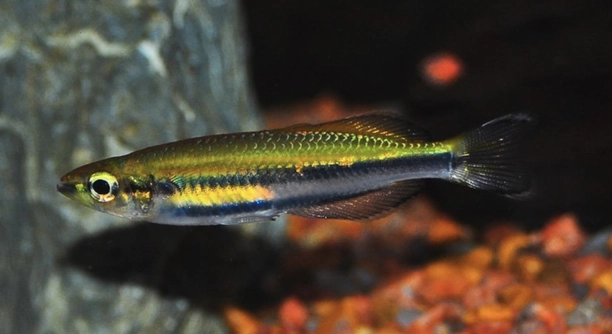
Rainbowfish are colorful and lively additions to any freshwater aquarium, but their beauty comes with a need for security. Feeling safe in their environment helps them display natural behaviors and maintain overall health and wellbeing.
Rainbowfish feel safer when their tank environment mimics natural conditions, provides hiding spaces, stable water parameters, minimal sudden disturbances, consistent lighting, compatible tank mates, and predictable feeding routines. These habits reduce stress and promote healthy, confident behavior in the fish.
Creating a secure habitat for rainbowfish is more than just decoration; it sets the stage for their long-term comfort and happiness. Following these simple habits can transform your tank into a safer, calmer home.
Provide Ample Hiding Spaces
Rainbowfish naturally seek cover to feel secure. Adding plants, rocks, and decorations creates pockets where they can retreat if they feel threatened. Tall plants and dense foliage offer vertical space, while caves or hollow logs provide horizontal shelters. These hiding areas reduce stress and encourage natural behavior, allowing fish to explore the tank confidently. Spacing decorations to avoid overcrowding is essential, as it ensures each fish can claim a personal refuge. Avoid sharp objects that may injure delicate fins. Floating plants can also help diffuse bright lighting, offering a softer environment. Variety in hiding spaces mimics their natural habitat and provides both security and interest. Observing how rainbowfish interact with these shelters can guide adjustments to improve their comfort. Regularly maintaining these areas, keeping them clean, and rotating decorations slightly can prevent boredom while maintaining a sense of safety. The more secure the environment, the more vibrant and active rainbowfish will appear.
Hiding spaces significantly reduce stress and allow rainbowfish to thrive. They provide a private area to rest and avoid potential threats.
A well-arranged tank with shelters fosters confidence. Fish spend more time exploring, feeding, and interacting with the environment. Properly maintained hiding spots promote longevity and overall health, creating a balanced habitat for rainbowfish.
Maintain Stable Water Conditions
Stable water conditions are crucial for rainbowfish wellbeing. Fluctuating temperatures, pH levels, or hardness can cause stress, illness, or erratic behavior. Monitoring the water daily and performing regular partial water changes helps maintain consistency. Using a reliable heater and thermometer ensures the tank stays within a suitable temperature range. Filtration must be effective but not create strong currents that overwhelm the fish. Sudden chemical changes, like adding unconditioned tap water, can shock the system. Testing kits for ammonia, nitrites, and nitrates help detect issues early. Gradual adjustments to water parameters prevent sudden stress. Maintaining stability in the tank environment supports feeding, growth, and vibrant coloration. Rainbowfish are more likely to feel secure when they can rely on a predictable and healthy aquatic environment, allowing them to display natural behaviors confidently.
Stable water prevents stress-related health problems in rainbowfish, keeping their behavior and appearance consistent.
Consistent water parameters reduce disease risk and support immune function. Rainbowfish respond positively to stability, showing active swimming, proper feeding, and vivid coloration. Neglecting stability may cause hiding, aggression, or lethargy. Proper care ensures a harmonious tank environment where fish can thrive long-term.
Limit Sudden Disturbances
Sudden movements, loud noises, or tapping on the glass can startle rainbowfish. Keeping the area around the tank calm helps them feel secure. Gradual changes in lighting or decorations are less stressful.
Rainbowfish are sensitive to rapid disturbances, which trigger a stress response affecting their health. Frequent tapping or sudden loud noises can cause them to hide or become skittish. Minimizing these disruptions encourages natural swimming patterns and interaction within the tank. Positioning the aquarium in a quiet spot and moving slowly when performing maintenance reduces anxiety. Even small disturbances, like sudden shadows or hand movements near the glass, can provoke a flight response. A calm environment allows rainbowfish to feed, explore, and socialize without unnecessary tension.
Reducing sudden disturbances directly improves rainbowfish behavior and coloration. Fish spend more time exploring and feeding rather than hiding. This approach helps maintain overall tank harmony and supports their long-term wellbeing.
Choose Compatible Tank Mates
Aggressive or overly active fish can stress rainbowfish, so selecting peaceful tank mates is essential. Species with similar size and temperament are ideal, minimizing competition and conflict in the tank.
Compatibility ensures rainbowfish feel safe and can establish routines without intimidation. Mixing incompatible species may lead to bullying, hiding, or uneven feeding, which increases stress and reduces overall health. Researching species traits, activity levels, and dietary needs before adding new fish prevents conflicts and helps maintain a balanced aquarium environment. Even subtle dominance behavior can cause anxiety, so monitoring interactions is crucial. Introducing new fish gradually allows rainbowfish to adapt without sudden social stress. Proper selection of tank mates creates a calm, stable community where each fish can thrive and display natural behavior.
A harmonious tank with compatible species reduces stress and encourages rainbowfish to swim freely, feed regularly, and display vibrant colors. Thoughtful planning ensures social stability and long-term comfort for all inhabitants.
Keep Lighting Consistent
Rainbowfish are sensitive to sudden changes in light. Maintaining a regular day-night cycle helps them feel secure and reduces stress.
Using a timer ensures the lighting follows a predictable schedule. Gradual transitions from bright to dim light prevent startling the fish and support natural behaviors.
Provide Predictable Feeding
Consistent feeding times help rainbowfish establish a sense of routine. Knowing when to expect food reduces anxiety and encourages healthy growth.
Feeding the same amount at regular intervals prevents competition and stress among fish. Varying their diet with high-quality flakes, pellets, and occasional live or frozen foods ensures balanced nutrition. Sudden changes in feeding times or portion sizes can trigger stress, causing hiding or aggression. Predictable feeding promotes active swimming, bright coloration, and overall wellbeing. Monitoring their response helps adjust portions to avoid overfeeding or underfeeding. A structured feeding schedule strengthens the fish’s confidence in their environment.
Monitor Water Quality Regularly
Testing water parameters frequently prevents sudden changes that could stress rainbowfish. Maintaining proper ammonia, nitrite, nitrate, and pH levels keeps them healthy.
FAQ
How often should I provide hiding spots for my rainbowfish?
Hiding spots should always be available in the tank. Rainbowfish use these areas to feel secure and reduce stress. Providing a mix of plants, rocks, and decorations ensures there are enough shelters for all fish. Changing the arrangement occasionally keeps the environment interesting while maintaining security.
What type of plants work best for rainbowfish?
Tall, dense plants are ideal because they offer vertical cover and create shaded areas. Floating plants help diffuse light, making the tank feel less exposed. Hardy species like Java fern, Anubias, and Vallisneria are low maintenance and provide suitable hiding spaces without requiring constant care.
How do I maintain stable water conditions?
Regular testing of ammonia, nitrite, nitrate, and pH is crucial. Partial water changes of 10-20% weekly prevent chemical buildup and maintain balance. Use a reliable heater and thermometer to keep temperature stable. Avoid sudden changes in water chemistry, as this can stress the fish.
What is the best temperature range for rainbowfish?
Rainbowfish thrive in water temperatures between 74°F and 78°F (23°C–26°C). Consistent temperature is important, as sudden drops or spikes can cause stress. Using a heater with a thermostat ensures the environment stays within the safe range for long-term health.
How can I reduce sudden disturbances in the tank?
Place the aquarium in a quiet area away from heavy foot traffic or loud appliances. Avoid tapping on the glass or moving quickly near the tank. Gradually introducing new decorations or plants also minimizes stress. Calm handling during maintenance helps rainbowfish stay relaxed and active.
Which tank mates are compatible with rainbowfish?
Peaceful species with similar size and temperament are best. Avoid aggressive or overly territorial fish, as they can cause hiding, stress, or bullying. Tetras, rasboras, and some peaceful gouramis usually coexist well. Introducing new fish slowly helps rainbowfish adapt without social disruption.
How should I schedule feeding for rainbowfish?
Feed them at consistent times daily, usually once or twice, depending on age and number of fish. Use measured portions to prevent overfeeding and reduce waste. Vary their diet with high-quality flakes, pellets, and occasional live or frozen foods to support growth, coloration, and overall health.
What signs show that rainbowfish feel stressed?
Hiding constantly, fading colors, erratic swimming, or reduced appetite indicate stress. Excessive aggression between tank mates or rubbing against decorations can also signal discomfort. Identifying these signs early allows adjustments to water conditions, tank setup, or feeding to improve wellbeing.
How often should I clean the tank?
Partial water changes weekly, along with gravel vacuuming, keep the tank clean without disrupting the fish. Cleaning filters and decorations monthly prevents buildup of debris. Avoid full tank cleaning too frequently, as this can remove beneficial bacteria and disturb stability.
Can rainbowfish live with plants that require strong light?
Yes, as long as the lighting schedule is consistent and gradual. Rainbowfish are sensitive to sudden brightness, so using a timer or slowly adjusting lights ensures they stay comfortable while plants thrive.
How do I know if my rainbowfish are happy?
Active swimming, exploring, feeding eagerly, and bright coloration are good indicators. They spend time near the middle or top of the tank and interact calmly with tank mates. A balanced environment with hiding spots, stable water, and predictable routines promotes visible signs of wellbeing.
How can I prevent disease in rainbowfish?
Maintaining stable water parameters, proper filtration, and a consistent feeding routine reduces disease risk. Quarantining new fish before adding them prevents introducing pathogens. Observing fish for early signs of illness, such as lethargy or unusual spots, allows timely treatment.
What should I do if my rainbowfish hide all the time?
Check for stress factors like aggressive tank mates, poor water quality, or insufficient hiding spaces. Ensure consistent lighting and feeding schedules. Adjust the tank environment gradually, giving them time to regain confidence. A calm, structured habitat encourages them to explore and display natural behavior.
How often should I test water parameters?
Weekly testing is recommended for ammonia, nitrite, nitrate, and pH. During periods of illness, new fish introduction, or changes in temperature, test more frequently. Early detection of imbalances helps prevent stress and supports healthy, active rainbowfish.
Can rainbowfish adapt to minor changes in their environment?
Yes, but sudden or extreme changes cause stress. Gradual adjustments to decorations, water parameters, or lighting allow them to adapt without hiding or aggressive behavior. Maintaining consistency in their daily environment is key to their long-term health and comfort.
Is it necessary to provide a varied diet for rainbowfish?
Yes, a balanced diet supports growth, vibrant coloration, and immunity. Combining flakes, pellets, live, or frozen foods ensures essential nutrients. Avoid overfeeding to prevent water quality issues. Regular diet variation keeps fish healthy and more comfortable in their environment.
How can I tell if tank mates are causing stress?
Look for hiding, fin nipping, or erratic swimming. Aggressive interactions or competition for food indicate incompatibility. Replacing aggressive species or separating fish temporarily helps restore a calm environment. Observing behavior closely allows proactive adjustments to maintain harmony.
What is the ideal tank size for rainbowfish?
A minimum of 30 gallons is recommended for small groups. Larger tanks give ample swimming space, reduce stress, and allow for hiding spots. Crowding can lead to aggression, hiding, or health issues. Providing space contributes to confident, active fish that display natural behavior.
How important is water filtration?
Filtration removes waste and maintains water clarity, crucial for health. Use a filter that matches tank size without creating strong currents. Clean and maintain filters regularly to prevent buildup. Proper filtration supports stable water parameters and reduces stress on rainbowfish.
Can rainbowfish live in a community tank?
Yes, with compatible species and proper tank setup. Ensure similar size, temperament, and activity levels. Provide hiding spots, maintain stable water, and monitor feeding. Thoughtful planning allows rainbowfish to thrive alongside other peaceful fish without stress.
What should I do if water parameters fluctuate?
Identify the source of fluctuation, such as temperature changes or overfeeding. Perform partial water changes and adjust the heater or filtration. Gradual correction prevents stress. Maintaining consistent testing and monitoring prevents future instability and supports healthy, secure rainbowfish.
Creating a safe and comfortable environment for rainbowfish is essential for their overall wellbeing. Their vibrant colors and lively movements are not just attractive but also indicators of their health and comfort. Rainbowfish are naturally sensitive to changes in their surroundings, and even small disturbances or poor water conditions can lead to stress, illness, or hiding behavior. Providing a consistent environment with hiding spaces, stable water parameters, and compatible tank mates helps them feel secure and allows them to display natural behavior. Paying attention to their daily routine, such as feeding schedules and gradual lighting changes, also contributes to a calm and predictable environment. The more predictable and stable their surroundings are, the more confident and active they become. Observing their behavior regularly helps identify any issues early and provides insight into what adjustments might be needed to improve their comfort.
Maintaining a proper tank setup goes beyond just decoration. Rainbowfish need both horizontal and vertical spaces to explore and retreat when needed. Dense plants, rocks, caves, and floating foliage give them areas to hide and reduce exposure to potential stressors. Overcrowding or placing sharp objects in the tank can create unnecessary risks, while careful arrangement ensures each fish has its own personal refuge. Similarly, monitoring water parameters like temperature, pH, ammonia, nitrites, and nitrates is crucial to prevent stress and disease. Sudden changes or extreme fluctuations in these parameters can have an immediate negative impact, so using a reliable heater, filtration system, and testing kits is recommended. Keeping the environment clean with regular partial water changes also supports their health. A combination of thoughtful tank design and careful maintenance ensures rainbowfish can thrive and remain active, colorful, and confident.
Feeding, social interaction, and minimal disturbances are equally important. Rainbowfish respond well to predictable feeding routines with a balanced diet that includes flakes, pellets, and occasional live or frozen foods. They also do best with peaceful tank mates that share a similar size and temperament, which reduces aggression and competition. Minimizing sudden movements, tapping on the glass, or placing the aquarium in a noisy area helps maintain a calm environment. By integrating these habits consistently, rainbowfish feel safe, healthy, and content. Observing their behavior and adjusting tank conditions as needed reinforces their sense of security. In the end, small, consistent efforts in providing stability, appropriate shelter, and proper care create an environment where rainbowfish can flourish, displaying their natural beauty and behavior with confidence.

Hello,
If you enjoy the content that we create, please consider saying a "Thank You!" by leaving a tip.
Every little bit helps us continue crafting quality advice that supports the health, happiness, and well-being of pets around the world, for pets of all shapes, sizes, and species.
We really appreciate the kindness and support that you show us!