
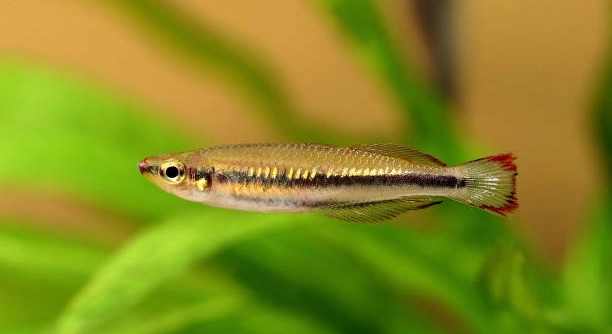
Do you ever notice your rainbowfish acting restless or hiding more than usual in the tank? Small changes in their environment can make a big difference. Even minor items may disrupt their comfort and routines unexpectedly.
Rainbowfish are highly sensitive to small objects introduced into their habitat. Items such as sharp decorations, reflective surfaces, abrupt lighting changes, or unfamiliar equipment can induce stress, negatively affecting their behavior, feeding patterns, and overall health in a captive environment.
Understanding these subtle stressors will help you create a calmer, healthier environment for your rainbowfish and prevent avoidable behavioral problems.
Sharp or Rough Decorations
Rainbowfish are easily stressed by decorations with sharp edges or rough surfaces. Even small plastic or ceramic pieces can injure their delicate fins or skin. Injuries may lead to infections, reduced activity, or hiding. Smooth rocks, polished stones, and soft artificial plants are safer alternatives. Always inspect new decorations before placing them in the tank. Avoid decorations with jagged edges, broken surfaces, or loose pieces that can trap fish. Consider the size of the decoration relative to the fish; large or awkwardly shaped objects can restrict movement, making them feel trapped. Positioning decorations carefully is also essential, as overcrowding increases stress levels. Regularly cleaning and maintaining decorations prevents algae buildup and keeps surfaces safe for the fish. Observing your rainbowfish after adding new items helps identify any stress indicators early. Consistent monitoring and thoughtful tank design can keep your rainbowfish healthy and calm, minimizing unnecessary stress caused by physical hazards.
Smooth and safe decorations help your rainbowfish feel secure and reduce the risk of injury in their environment.
Maintaining a balanced layout allows fish to explore freely while having hiding spots. Soft textures and rounded surfaces create a stress-free environment. Overcrowded tanks, or harsh materials, can trigger erratic swimming or fin clamping. Adjusting the placement of decorations periodically keeps the habitat stimulating yet safe.
Sudden Changes in Lighting
Abrupt changes in tank lighting can unsettle rainbowfish. Bright lights or quick shifts from dark to light can trigger stress responses.
Rainbowfish are sensitive to sudden light changes because they rely on consistent lighting cues for daily routines. Unstable lighting may cause erratic swimming, hiding, or reduced feeding. Gradual dimming and consistent light schedules maintain their natural rhythms. Using timers ensures predictable cycles, which reduces stress. Avoid shining external light directly into the tank, as reflections and shadows can confuse fish. Positioning lights carefully and mimicking natural day-night patterns improves comfort. Overly intense lighting can also encourage algae growth, further disturbing the tank environment. Some rainbowfish species prefer moderate or subdued lighting, so adjusting intensity to the species’ needs is important. Regular observation of behavior after lighting adjustments allows quick identification of stress. A stable and well-planned lighting system supports healthy activity levels, promotes feeding, and helps rainbowfish maintain vibrant colors. Consistency is key in reducing stress caused by artificial or fluctuating light sources.
Reflective Surfaces
Mirrors or shiny objects can startle rainbowfish, causing stress or aggressive behavior.
Reflections confuse rainbowfish because they may perceive them as other fish intruding into their territory. This can lead to chasing, hiding, or frantic swimming. Avoid placing mirrors or highly reflective decorations near the tank. Even clean glass walls can create reflections if the tank is brightly lit. Observing fish behavior helps identify if reflections are causing tension. Subtle changes, like repositioning the tank or adjusting light angles, can minimize reflections. Keeping the environment visually stable supports calmer behavior and reduces unnecessary stress. Over time, rainbowfish learn their surroundings, but sudden reflective surfaces may still trigger momentary panic. Providing a consistent visual environment is crucial for maintaining their well-being and natural behaviors.
Carefully managing reflective surfaces helps prevent conflicts, reduces stress, and keeps your rainbowfish comfortable in their habitat.
Reflections can also interfere with feeding and social interactions. Fish may avoid certain areas or compete unnecessarily, disrupting group harmony. By keeping reflective items out of the tank, you allow rainbowfish to swim freely and interact normally. Consistency in the visual environment promotes natural behavior patterns and improves overall health, minimizing stress caused by confusion or perceived threats.
Loud or Sudden Noises
Rainbowfish react strongly to loud or abrupt noises near their tank.
Frequent tapping, music, or vibrations from appliances can startle rainbowfish, making them hide or swim erratically. Stress from noise weakens their immune system and reduces appetite. Placing the tank in a quiet, stable area helps maintain a calm environment. Avoid sudden movements or banging near the tank. Soft background noise is less disruptive, and using a stable stand can minimize vibration transfer. Observing their response to household sounds allows adjustments to reduce stress. Consistent exposure to sudden noise can cause long-term anxiety, impacting behavior and growth. Ensuring a peaceful habitat promotes healthier, more active rainbowfish that exhibit natural swimming and social patterns.
Keeping the tank area quiet protects rainbowfish from stress, encourages normal feeding, and supports their overall health.
Strong Water Currents
Rainbowfish can become stressed in tanks with strong water currents.
Powerful currents make swimming difficult and force fish to expend extra energy. Gentle filtration that provides moderate flow is ideal. Positioning the filter output to reduce direct force helps create a comfortable swimming environment.
Too much current can cause fins to tear or fatigue fish. Adjusting the filter and using flow diffusers ensures a calm, balanced tank. Providing areas with slower water allows rainbowfish to rest and swim naturally, reducing stress and promoting overall health.
Overcrowded Tank
Too many fish in a tank leads to constant competition for space and resources.
Overcrowding increases aggression, limits hiding spots, and reduces water quality. Maintaining an appropriate fish-to-gallon ratio is essential. Regular monitoring and occasional rehoming prevent stress-related behaviors and health problems.
Sudden Temperature Changes
Rapid changes in water temperature can shock rainbowfish and affect their immune system.
Keeping the water temperature stable within the species’ preferred range helps prevent stress. Use a reliable heater and thermometer to monitor and maintain consistent conditions.
What are the most common small items that stress rainbowfish?
Rainbowfish are sensitive to minor changes in their tank. Sharp decorations, reflective surfaces, sudden lighting changes, loud noises, strong currents, and small objects placed in the tank can all cause stress. Even seemingly harmless additions like tiny ornaments or new equipment can make fish uneasy. Stress often shows through erratic swimming, hiding, clamped fins, or reduced appetite. Observing their behavior after adding new items is crucial to identifying which objects may be causing discomfort. Maintaining a consistent and calm environment helps rainbowfish feel secure and reduces stress-related health issues.
How can I safely introduce new decorations into the tank?
New decorations should always be inspected for sharp edges, rough surfaces, or loose parts. Smooth rocks, polished stones, and soft artificial plants are safer alternatives. Wash and rinse all decorations thoroughly before placing them in the tank. Position items to allow open swimming space and accessible hiding spots. Avoid overcrowding, as too many objects increase stress levels. Gradually introducing new items and monitoring rainbowfish reactions ensures a smoother adjustment period. Consistent observation helps catch any early signs of stress, allowing you to reposition or remove objects that cause discomfort.
Can reflective surfaces really stress rainbowfish?
Yes, mirrors or shiny surfaces can confuse rainbowfish, making them believe another fish is intruding. This often triggers chasing, hiding, or frantic swimming. Even tank glass reflections from bright lights can cause tension. Positioning lights carefully and avoiding direct external reflections can help reduce stress. Observing fish reactions after moving reflective objects ensures the environment remains calm. Subtle adjustments, like repositioning or reducing direct light, can make a big difference. A visually stable habitat supports natural behavior and prevents unnecessary conflicts or panic among rainbowfish, promoting a healthier, calmer tank environment.
What role does lighting play in rainbowfish stress?
Sudden changes in lighting or overly bright lights can unsettle rainbowfish. Consistent light schedules help maintain natural rhythms and daily activity patterns. Using timers ensures predictable cycles, reducing stress from abrupt transitions. Avoid shining external light directly into the tank, and adjust light intensity according to the species’ preference. Gradual dimming during light-on and light-off periods helps fish acclimate comfortably. Observing how rainbowfish respond to lighting adjustments is essential for creating a stable environment. Proper lighting not only prevents stress but also encourages feeding, healthy swimming patterns, and vibrant coloration, enhancing overall well-being.
How do strong currents affect rainbowfish?
Powerful currents make swimming difficult, forcing fish to expend extra energy. This can lead to fatigue, fin damage, or stress-related behaviors. Gentle filtration with moderate flow is ideal, and using flow diffusers can reduce direct force. Providing areas of slower water allows rainbowfish to rest and swim naturally. Proper positioning of equipment ensures balanced circulation without overwhelming fish. Observing swimming behavior helps determine if the current is too strong. A calm and controlled flow creates a safer, more comfortable environment, promoting natural movement and overall health for rainbowfish.
Why is overcrowding a problem for rainbowfish?
Too many fish in a tank creates competition for space and resources, leading to aggression and stress. Limited hiding spots make fish feel vulnerable, while waste accumulation affects water quality. Maintaining the correct fish-to-gallon ratio is essential. Regular monitoring and occasional rehoming prevent health problems and behavioral issues. Providing enough space, hiding spots, and consistent water conditions reduces stress and encourages normal social interactions. Rainbowfish in an overcrowded tank often display erratic swimming or decreased appetite. A balanced population ensures fish remain active, healthy, and less prone to disease.
How can I prevent stress from sudden temperature changes?
Rainbowfish are sensitive to rapid fluctuations in water temperature. Sudden changes can shock their system and weaken immunity. Maintaining a stable temperature within the species’ preferred range is essential. Use a reliable heater and thermometer to monitor conditions consistently. Avoid placing the tank near windows, doors, or heating vents, which can create unexpected shifts. Gradual acclimation when introducing water or new fish also reduces stress. Consistent temperature control supports healthy metabolism, normal activity, and proper feeding behavior. Preventing extreme swings ensures rainbowfish remain comfortable, reducing stress-related health problems and maintaining overall tank stability.
Can noise really affect rainbowfish behavior?
Yes, loud or abrupt noises near the tank can startle rainbowfish. Household sounds, tapping on the glass, or vibrations from appliances can trigger hiding, frantic swimming, or aggression. A quiet and stable environment minimizes these disruptions. Using a solid, vibration-absorbing stand can reduce the impact of external noise. Soft background sounds are less disturbing than sudden, loud bursts. Observing how rainbowfish react to common household noises helps identify potential stress triggers. Minimizing noise exposure supports calmer behavior, encourages normal feeding, and helps maintain long-term health in rainbowfish by preventing unnecessary anxiety or fatigue.
What small steps can I take to keep rainbowfish stress-free?
Consistent monitoring, proper tank setup, and careful introduction of new items are key. Avoid sharp or reflective decorations, overcrowding, sudden light or temperature changes, strong currents, and loud noises. Maintain stable water conditions and provide hiding spaces. Observing fish behavior regularly allows early identification of stress. Small adjustments like repositioning objects, moderating lighting, and reducing reflections make a significant difference. Gentle filtration, predictable light schedules, and quiet surroundings promote calm and natural behaviors. Taking these steps helps rainbowfish feel secure, healthy, and active while preventing long-term stress-related problems.
How can I tell if my rainbowfish is stressed?
Signs of stress include hiding frequently, clamped fins, erratic swimming, loss of appetite, and color fading. Fish may also become aggressive or lethargic. Early recognition allows corrective actions. Observing interactions, swimming patterns, and feeding behavior regularly helps identify stress. Minor changes in the tank or environment often trigger these behaviors. By addressing the source quickly, such as removing sharp decorations, adjusting lighting, or moderating water flow, stress can be reduced effectively. Maintaining a calm, predictable, and comfortable habitat prevents stress from becoming chronic, ensuring rainbowfish remain active, healthy, and visually vibrant over time.
Rainbowfish are sensitive creatures, and even small items or subtle changes in their environment can have a big impact on their well-being. Sharp decorations, reflective surfaces, sudden changes in lighting, loud noises, strong currents, overcrowding, and fluctuations in water temperature are all factors that can create stress. While these stressors may seem minor, they can affect behavior, feeding patterns, and overall health. It is important to take careful steps when setting up or maintaining a tank to minimize these risks. By paying attention to their reactions and observing behavior consistently, you can better understand what makes your rainbowfish comfortable and what triggers stress.
Creating a safe and calm environment requires thoughtful planning and regular monitoring. Decorations should be smooth and free of sharp edges, and reflective surfaces should be minimized to prevent confusion or aggression. Lighting should follow a stable day-night cycle, with gradual changes rather than sudden bursts of brightness. Water flow should be moderate, allowing fish to swim freely without struggling against strong currents. Keeping the tank at a stable temperature within the preferred range of rainbowfish is essential, as sudden shifts can compromise their immune system. Noise levels should be controlled, and the tank should be placed in a relatively quiet area. Even seemingly small decisions, such as the placement of new equipment or ornaments, can influence how rainbowfish interact with their environment. Taking these measures consistently promotes healthy, natural behavior and reduces stress over time.
Maintaining a balanced and stress-free habitat not only supports the physical health of rainbowfish but also encourages social interaction and natural swimming patterns. Overcrowding should be avoided to reduce competition for space and resources, and providing ample hiding spots allows fish to feel secure. Observing their behavior and making adjustments based on their reactions helps create a stable environment where rainbowfish can thrive. Stress-free conditions contribute to better feeding, more vibrant coloration, and overall longevity. By understanding the factors that can cause stress and taking proactive steps to prevent them, you can ensure that your rainbowfish remain active, healthy, and comfortable. Creating this type of environment requires attention to detail, but the results are worthwhile, offering a peaceful and lively aquarium that benefits both the fish and those who care for them.

Hello,
If you enjoy the content that we create, please consider saying a "Thank You!" by leaving a tip.
Every little bit helps us continue crafting quality advice that supports the health, happiness, and well-being of pets around the world, for pets of all shapes, sizes, and species.
We really appreciate the kindness and support that you show us!