
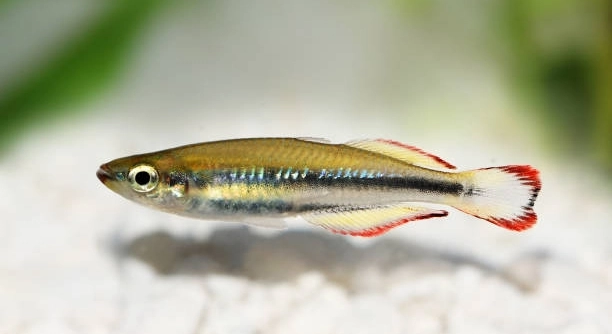
Rainbowfish are known for bright colors and active swimming, yet their social behavior often surprises new keepers observing subtle interactions within shared aquariums, especially during feeding times and changes in tank layout conditions over time.
Rainbowfish can exhibit territorial behavior, particularly males during breeding periods or in confined environments. This behavior is typically mild and expressed through chasing or displays, influenced by tank size, group composition, resource availability, and environmental stressors rather than persistent aggression.
Learning how environment, stocking choices, and daily care affect these interactions helps create calmer, healthier community aquariums for long-term success.
Why Rainbowfish Display Territorial Behavior
Territorial behavior in rainbowfish usually develops from natural instincts tied to survival and reproduction. In the wild, these fish compete gently for space, food, and mates. Males often display brighter colors and assert themselves to attract females, especially during breeding periods. Limited aquarium space can amplify these tendencies, making behaviors more noticeable. Tank layout also plays a role, as open areas encourage chasing while planted zones reduce tension. I have noticed that stable routines and consistent feeding reduce these displays over time. When rainbowfish feel secure in their environment, territorial actions tend to remain brief and controlled, rather than escalating into harmful conflict that disrupts the overall balance of the tank community. This pattern reflects normal behavior rather than a sign of poor health, and understanding these signals allows keepers to respond calmly, make small adjustments, and maintain harmony without unnecessary intervention or stress within the aquarium setting overall environment.
Territorial displays are usually short-lived and involve chasing rather than biting. These actions help establish brief boundaries. I find that observing patterns over several days gives a clearer picture than reacting to isolated moments. This approach prevents unnecessary changes and supports a calmer aquarium environment long term for the fish.
Age, gender balance, and tank size strongly influence how often territorial behavior appears. Groups with too many males tend to show more chasing, while balanced ratios reduce pressure. Smaller tanks limit escape routes, increasing tension. I prefer longer tanks with visual breaks created by plants or wood. These features allow fish to establish loose zones without constant contact. Consistent water quality also matters, as stress can heighten aggression. When these factors align, rainbowfish behavior stays predictable, social, and visually engaging, making daily observation enjoyable rather than concerning. This balance supports long-term stability and healthier interactions across the entire tank setup.
How to Reduce Territorial Issues in Aquariums
Managing territorial behavior starts with thoughtful tank planning. Adequate space, proper group sizes, and structured layouts reduce conflict. I focus on prevention rather than correction, which creates a more relaxed environment and minimizes stress-related behaviors over time and supports consistent social patterns among rainbowfish populations within mixed community tanks setups.
Tank size is one of the most important considerations. Rainbowfish are active swimmers and need horizontal space to move freely. Crowded conditions force constant interaction, which increases chasing. I aim for larger tanks even with small groups. Stocking numbers also matter. Keeping rainbowfish in groups of six or more spreads attention and prevents one fish from being targeted repeatedly. Aquascaping plays a practical role as well. Plants, rocks, and wood create visual barriers that break direct lines of sight. This simple change reduces tension without altering fish behavior artificially. Feeding routines should be consistent and spread across the tank to avoid competition in one area. Water quality must remain stable, as fluctuations can increase stress responses. When these elements are managed together, territorial behavior becomes predictable and mild. The fish appear more confident, colors improve, and interactions look balanced rather than chaotic. This approach has helped me maintain peaceful tanks that remain active, colorful, and easy to manage over time. It also allows keepers to enjoy natural displays without constant concern, while supporting long-term health, stable social structure, and a visually pleasing aquarium that feels calm and well-organized through consistent care practices and thoughtful observation over time in daily routines.
Signs of Territorial Behavior in Rainbowfish
Territorial behavior in rainbowfish is usually subtle and easy to miss at first glance. It often appears as short chases, fin flaring, or color intensification between males during active periods, especially near feeding times or favored swimming areas within the tank. These patterns repeat daily under stable conditions in aquariums.
Chasing is the most common signal and usually lasts only a few seconds. One fish darts forward while the other retreats without injury. Fin displays follow, where bodies stiffen and fins spread wide. Colors may appear brighter, which is a natural display rather than aggression. I tend to watch whether the same fish is targeted repeatedly. Occasional displays are normal, but constant pressure suggests an imbalance. Breeding seasons amplify these behaviors, especially among males competing for attention. Space limitations can also exaggerate reactions that would otherwise remain mild in larger, well-structured tanks with proper maintenance routines and calm observation habits.
Territory-related stress becomes concerning when behavior changes persist daily and limit access to food or space. Fish may hide constantly, lose color, or show damaged fins. I pay close attention during feeding, since dominant fish may block others repeatedly. This pattern often signals overcrowding or poor layout. Addressing the environment usually resolves the issue faster than separating fish. Simple changes like adding plants or adjusting group ratios reduce tension. Early response prevents long-term stress and supports healthier interactions that remain balanced, predictable, and manageable for keepers over extended observation periods in home aquariums with consistent daily care and patience applied.
When Territorial Behavior Becomes a Problem
Territorial behavior becomes problematic when it shifts from brief displays to constant harassment. One fish may dominate the entire tank, leaving others stressed and withdrawn. I notice this most in undersized setups or poorly planned groups. Uneven gender ratios increase pressure, especially when several males compete. Without intervention, stress builds and weakens overall health, making early recognition important and timely adjustments beneficial for maintaining stable aquarium environments long term under consistent care routines and observation.
Long-term territorial stress often traces back to preventable setup issues. Tanks that are too small restrict movement and increase forced interactions. I have found that upgrading tank length alone can significantly reduce chasing. Group structure matters just as much. Keeping too few rainbowfish concentrates attention on individuals, while larger groups distribute it evenly. Visual barriers play a strong role. Plants and hardscape break sightlines, allowing fish to disengage naturally. Feeding practices also influence behavior. Spreading food across the tank prevents dominant fish from controlling one area. Water stability cannot be overlooked, as fluctuations heighten stress responses. When these elements are addressed together, problem behaviors ease without drastic measures, supporting calmer, healthier aquariums through consistent observation and minor adjustments over time in home aquarium systems overall.
Continue the article with the following outline and format. Do not write an intro for each header, get straight to the point. Do not use a greeting. Make it feel slightly personal. Write in a simplistic style. Do not greet the reader.; Outline and Format: ; Header: xxxxxxxxxxxxxxxxxxx; 50 words paragraph; 50 words paragraph; Header: xxxxxxxxxxxxxxxxxxx; 100 words paragraph; Header: xxxxxxxxxxxxxxxxxxx; 50 words paragraph; Note: Skip the intro, get straight to the point. The rest of the headers will be provided later, so do not write them yet. Skip the conclusion, and recap. Respect the given word count for every paragraph.
FAQ
Can Rainbowfish be kept together with other fish?
Rainbowfish are generally peaceful and can live with other community fish. However, males can show territorial behavior, especially during breeding or when the tank is small. Providing ample space, plants, and hiding spots helps reduce aggression and keeps all fish comfortable.
Why does my Rainbowfish chase others?
Chasing is usually a sign of territorial behavior or establishing hierarchy. Males may chase each other to assert dominance, while females may do so to defend their space. Monitoring the tank and separating overly aggressive individuals prevents stress and potential injuries.
Do Rainbowfish need a large tank?
Yes, a larger tank reduces territorial disputes. A minimum of 30 gallons is recommended for a small group, with extra space for more fish. Vertical and horizontal space, along with plants and decor, allows them to establish personal areas without constant conflict.
How can I tell if aggression is serious?
Minor chasing and occasional nips are normal. Serious aggression involves constant chasing, biting, or fin damage. If injuries occur, separate the aggressive fish temporarily, provide hiding spots, and consider reconfiguring the tank layout to diffuse tension.
Does breeding increase territorial behavior?
Breeding significantly raises territorial behavior in males. They become more protective of spawning sites and females nearby. Providing separate breeding tanks or secluded areas helps minimize stress for the non-breeding fish and ensures eggs or fry are safe.
Are there signs of stress in Rainbowfish?
Stress signs include hiding, loss of color, rapid breathing, and lack of appetite. Aggressive tankmates or overcrowding often cause stress. Observing behavior closely and adjusting tank conditions, such as water quality, space, and companions, helps maintain their health.
Can female Rainbowfish be territorial too?
Yes, females can also defend areas, though typically less aggressively than males. They often guard food or preferred hiding spots. Ensuring multiple hiding spaces and evenly distributed resources minimizes conflicts among females.
How do I reduce territorial disputes?
Adding plants, rocks, and driftwood creates visual barriers and separate zones. Keeping more fish in a group can disperse aggression. Regular observation and maintaining proper water parameters also contribute to a calm environment, reducing territorial tendencies.
Is size difference a factor in aggression?
Larger Rainbowfish may dominate smaller ones, especially in confined spaces. Mixing similar-sized fish reduces bullying. Gradually introducing new fish and monitoring interactions ensures the community remains balanced and stress-free.
Do Rainbowfish fight over food?
Yes, food can trigger brief territorial behavior. Distributing food evenly and offering multiple feeding points prevents dominant fish from monopolizing resources. Feeding smaller portions frequently rather than one large meal helps reduce competition and maintains harmony.
Can tank decorations prevent fights?
Decorations like rocks, plants, and driftwood provide shelter and break lines of sight. This helps Rainbowfish avoid constant encounters, reducing stress and aggression. Rearranging decor occasionally keeps the environment stimulating and prevents established territories from becoming too rigid.
Is it normal for Rainbowfish to flare fins?
Flaring is a display of dominance or territorial defense. Occasional flaring is natural and helps establish hierarchy without fighting. Persistent or intense flaring may indicate stress or overcrowding, which should be addressed promptly.
How do I introduce new Rainbowfish?
Quarantine new fish first to prevent disease. Introduce them gradually, ideally in a rearranged tank to reset territories. Monitor interactions closely, separating overly aggressive individuals if needed, and ensure hiding spaces are available for all fish.
Can stress lead to illness in Rainbowfish?
Yes, prolonged stress weakens immunity and can result in diseases like fin rot or fungal infections. Maintaining proper water quality, diet, and reducing aggression are key to keeping Rainbowfish healthy and stress-free.
Are there specific plants that help with territorial behavior?
Dense plants like Java fern, Anubias, and Vallisneria offer shelter and visual barriers. Floating plants also create shaded zones, reducing visibility and giving shy or stressed fish places to retreat. Proper placement can prevent constant confrontations.
Do Rainbowfish need companions of their own species?
Yes, keeping a small group of Rainbowfish allows natural schooling behavior, which helps disperse aggression. A minimum of six is recommended for community balance, and mixed-gender groups reduce dominance conflicts.
How do I know if my tank is too small?
Frequent chasing, constant flaring, and fin damage suggest limited space. Observing behavior carefully and upgrading to a larger tank or rearranging décor can alleviate territorial pressure and improve fish welfare.
Can seasonal changes affect behavior?
Temperature fluctuations and changes in light cycles can influence activity and aggression. Maintaining stable conditions helps reduce territorial disputes and keeps Rainbowfish behavior consistent and healthy.
Is it safe to mix Rainbowfish with aggressive species?
Aggressive species may provoke stress or injury in Rainbowfish. Choosing compatible, peaceful tankmates and avoiding known nippers or fin-biters helps maintain a calm and safe environment.
Does diet affect aggression?
A balanced diet prevents competition-related aggression. Hunger can heighten territorial behavior, so feeding high-quality food at regular intervals minimizes disputes over resources and supports overall health.
How often should I monitor territorial behavior?
Daily observation is ideal, especially after introducing new fish. Early detection of aggression allows prompt action, whether adding hiding spaces, separating fish, or adjusting tank conditions. Consistent monitoring maintains harmony and prevents long-term stress.
Can adding more fish reduce aggression?
Adding more Rainbowfish can dilute dominance, but overcrowding can increase stress. Ensure the tank is large enough to accommodate all fish comfortably, with sufficient hiding spots and swimming space. Balance is key to reducing territorial disputes.
Do Rainbowfish remember territories?
Yes, Rainbowfish recognize familiar areas and may defend them consistently. Rearranging the tank periodically can disrupt established territories, giving fish opportunities to redistribute and reduce repeated aggression.
How long does aggressive behavior last?
Aggressive displays often decrease as hierarchy stabilizes, which can take days or weeks depending on the group size and tank setup. Patience, observation, and adjustments help ensure conflicts settle naturally over time.
Can water parameters influence aggression?
Poor water quality, improper pH, or temperature stress can heighten aggression. Maintaining stable, appropriate parameters reduces stress-induced territorial behavior and supports healthy interactions among Rainbowfish.
Are territorial disputes common in smaller tanks?
Yes, smaller tanks limit space and increase encounters, leading to more frequent aggression. Ensuring adequate size and visual barriers helps mitigate disputes and allows Rainbowfish to coexist peacefully.
Is it normal for Rainbowfish to chase only certain individuals?
Yes, dominant males may target weaker or smaller fish, while others remain unaffected. Providing multiple hiding spots and evenly spaced resources helps prevent repeated targeting and stress in the tank.
Can rearranging the tank reduce fights?
Yes, changing the layout disrupts established territories, forcing fish to reestablish boundaries. This can reduce prolonged aggression, giving stressed or less dominant fish a chance to escape conflicts.
How do I safely separate aggressive fish?
Use a temporary divider or quarantine tank. Gradually reintroduce fish once aggression subsides. Ensuring each fish has space and hiding spots reduces the likelihood of renewed conflict.
Can Rainbowfish recognize individual tankmates?
They can distinguish familiar fish and remember interactions. Dominant fish may consistently target certain individuals, emphasizing the importance of space, hiding places, and proper tank management.
Do males always fight more than females?
Males are typically more territorial, especially during breeding. Females may show mild territorial behavior, but aggression is usually less intense and focused on food or shelter rather than dominance.
What are signs of a healthy community tank?
Minimal chasing, balanced color, and even swimming patterns indicate harmony. Fish eat well, display natural behaviors, and show limited stress signs. Maintaining proper stocking levels and tank conditions helps achieve this balance.
Can lighting affect territorial behavior?
Bright lighting may increase visibility, which can heighten displays of dominance. Providing shaded areas and natural light cycles helps reduce stress and excessive territorial interactions.
Are juvenile Rainbowfish less aggressive?
Yes, juveniles are usually more playful than territorial. Aggression increases with maturity, particularly in males, highlighting the need for space and group management as fish grow.
Does water flow impact aggression?
Moderate water flow encourages activity without overstressing fish. Strong currents may increase stress or exacerbate territorial behavior, while stagnant water can lead to disputes over limited space.
How long do Rainbowfish typically display territorial behavior?
Territorial displays are most intense during adolescence and breeding periods. With sufficient space and proper management, aggressive behavior gradually stabilizes, allowing a peaceful tank environment over time.
Can I use plants to separate aggressive fish?
Yes, dense or tall plants act as barriers, reducing visibility and encounters. Strategic placement helps fish feel secure and lowers aggressive interactions in the tank.
Are certain Rainbowfish species more aggressive?
Yes, some species like Boesemani Rainbowfish show higher territorial tendencies, while others are more peaceful. Understanding species-specific behavior aids in tank planning and minimizing conflicts.
Do Rainbowfish fight for mates?
Yes, males compete for female attention, which can increase aggression during breeding. Providing enough space and hiding spots allows both males and females to avoid constant stress.
How can I monitor fish interactions effectively?
Observe swimming patterns, fin condition, and hiding behaviors daily. Noting who chases whom and frequency helps identify aggressive individuals and informs tank adjustments for better harmony.
Is overcrowding the main cause of aggression?
Overcrowding is a major factor, but lack of hiding spots, poor water quality, and inadequate resources also contribute. Addressing these elements reduces stress and territorial disputes.
Can Rainbowfish calm down naturally over time?
Yes, once hierarchy is established and environmental needs are met, aggression typically decreases. Adequate space, proper stocking, and enriched environments support a calmer community.
What’s the best way to prevent long-term fights?
Ensure sufficient tank size, hiding spaces, proper water parameters, compatible species, and consistent feeding routines. Regular observation and minor adjustments help maintain a peaceful tank environment.
How often should I rearrange the tank?
Rearranging every few weeks prevents fixed territories, encouraging fish to adapt and reducing repeated aggression. Ensure safe decor placement and adequate hiding spaces during changes.
Can Rainbowfish aggression affect other fish species?
Yes, persistent chasing or nipping can stress other species, potentially leading to illness or injuries. Managing tank layout, stocking levels, and group dynamics protects all inhabitants.
Are there behavioral signs that predict future fights?
Frequent flaring, chasing, and hovering near certain fish indicate potential conflicts. Early intervention with hiding spaces or temporary separation helps prevent serious aggression.
Do Rainbowfish establish permanent territories?
They often defend preferred areas, but territories can shift with tank rearrangements or group changes. Providing flexible spaces prevents prolonged dominance and supports a harmonious tank environment.
Can dietary supplements reduce aggression?
Supplements alone don’t eliminate aggression but can support overall health. A well-balanced diet ensures Rainbowfish remain active, reducing stress-related fighting over resources.
Is it necessary to separate Rainbowfish permanently if aggressive?
Permanent separation is only needed for extreme cases where one fish repeatedly injures others. Most conflicts can be managed with tank adjustments, hiding spots, and careful monitoring.
Do Rainbowfish show aggression at night?
Aggression typically decreases during low-light periods. Nighttime activity is limited, allowing fish to rest. Dim lighting or shaded areas can further reduce stress and nighttime territorial behavior.
Can seasonal changes affect aggression?
Stable temperatures and consistent light cycles minimize territorial behavior. Sudden changes in water temperature or daylight duration may trigger brief increases in aggression.
Do Rainbowfish recognize tank rearrangements?
Yes, changes in the environment force fish to explore and establish new territories. This can temporarily increase activity but generally reduces fixed aggressive patterns once they adapt.
How do I balance males and females in a tank?
A ratio of one male to two or three females reduces male competition. Balanced groups minimize stress, improve breeding success, and reduce prolonged aggression.
Can visual barriers reduce aggression effectively?
Yes, visual barriers break lines of sight, lowering territorial displays. Plants, rocks, or decorations placed strategically allow fish to avoid constant confrontation and reduce stress levels.
Does tank size affect Rainbowfish lifespan?
A larger, well-maintained tank reduces stress and aggression, promoting longer, healthier lives. Overcrowding and constant territorial disputes can shorten lifespan due to stress-related illnesses.
Are Rainbowfish more aggressive in captivity?
Captivity can amplify aggression due to limited space. Providing adequate tank size, hiding spots, and proper group dynamics helps mimic natural conditions, keeping aggression manageable.
Can I train Rainbowfish to reduce aggression?
Training is limited. Adjusting environment, providing space, and proper group management are more effective than attempting behavioral conditioning. Consistent monitoring ensures peaceful interactions.
Do Rainbowfish ever stop displaying territorial behavior completely?
Some level of territorial behavior persists, especially in males. With proper space, hiding spots, and group balance, conflicts are minimal, allowing coexistence without constant aggression.
Can introducing new species trigger aggression?
Yes, unfamiliar tankmates can provoke territorial responses. Gradual introductions, rearranging the tank, and providing hiding spaces reduce conflicts and help fish adjust peacefully.
Are Rainbowfish aggressive toward their own reflection?
Some may flare or chase reflections, mistaking them for rivals. Reducing reflective surfaces and ensuring proper tank decor can minimize this behavior.
Do Rainbowfish need hiding spots to thrive?
Yes, hiding spots reduce stress, allow escape from aggressive tankmates, and support natural behaviors. Rocks, plants, and decorations are essential for a balanced environment.
How long should I observe new tankmates?
Monitor new introductions closely for at least two weeks. Watch interactions, chasing behavior, and signs of stress to address aggression early and maintain harmony.
Can aggressive behavior be genetic?
Some aggression tendencies are influenced by genetics. Choosing species and strains known for calmer behavior helps maintain a peaceful tank community.
Are Rainbowfish aggression levels predictable?
Partially. Species, tank size, group composition, and environmental factors influence aggression. Careful observation and proactive tank management help predict and reduce conflicts.
Is it necessary to separate Rainbowfish during breeding?
Separating males or providing secluded areas prevents stress for females and protects eggs. Proper management ensures successful breeding while minimizing aggressive encounters.
Do Rainbowfish show hierarchy outside of breeding?
Yes, even without breeding, males establish dominance hierarchies. Understanding these dynamics allows for tank arrangements that reduce fights and maintain a balanced community.
Can frequent water changes reduce aggression?
Fresh, clean water improves health and reduces stress, indirectly lowering territorial behavior. Consistent maintenance is key to a calm and active Rainbowfish community.
Do Rainbowfish need visual barriers even in large tanks?
Yes, visual barriers prevent constant encounters, even in spacious tanks. They allow fish to claim areas without physical confrontations, reducing stress and aggression.
How do I identify overly aggressive Rainbowfish?
Constant chasing, fin damage, flaring, and targeting specific individuals indicate problematic aggression. Early intervention with separation, hiding spots, or tank rearrangement mitigates stress for other fish.
Can aggressive behavior impact breeding success?
Yes, excessive aggression stresses females and reduces spawning success. Providing space, hiding spots, and balanced male-to-female ratios encourages healthier breeding conditions.
Are Rainbowfish more aggressive during feeding?
Competition for food can trigger short bursts of chasing. Distributing food evenly and offering multiple feeding points prevents dominance over resources and keeps fish calm.
Can male Rainbowfish live together peacefully?
Yes, if the tank is large enough, hiding spots are provided, and enough individuals are present to diffuse aggression. Small tanks increase conflicts significantly.
Do Rainbowfish have preferred territories?
They often select areas with cover, proximity to food, and open swimming space. Observing preferred spots helps place hiding areas and decorations effectively to reduce fights.
Is aggression linked to water temperature?
Higher or fluctuating temperatures may increase activity and dominance displays. Stable, appropriate temperatures help maintain calm interactions.
Do Rainbowfish get along with other schooling fish?
Yes, peaceful schooling fish generally coexist well. Avoid aggressive or nippy species to prevent stress and injuries. Compatibility ensures a harmonious tank.
Can I separate aggressive fish without stress?
Yes, using dividers or quarantine tanks reduces stress while keeping fish visible to each other. Gradual reintegration is safer than abrupt removal.
Are territorial disputes worse in male-only groups?
Yes, without females, males often compete more intensely. Including females or increasing tank size helps reduce constant fighting and dominance struggles.
Do Rainbowfish communicate during aggression?
Yes, flaring fins, chasing, and color changes signal dominance and territorial claims. Recognizing these signs helps manage tank dynamics and prevent injuries.
Can stress from aggression cause color fading?
Yes, stressed fish often lose vibrant colors. Reducing aggressive interactions, providing hiding spaces, and maintaining stable water conditions helps restore natural coloration.
How can I maintain peace long-term?
Ensure adequate space, hiding spots, proper group ratios, stable water parameters, and compatible tankmates. Regular observation and minor adjustments prevent recurring aggression and support a calm tank environment.
Does tank shape affect aggression?
Long, rectangular tanks allow more swimming space and territory distribution, reducing conflict. Square or small tanks may concentrate activity and increase chasing behavior.
Can Rainbowfish aggression affect feeding habits?
Yes, stressed or bullied fish may eat less or hide during feeding. Providing multiple feeding points and sufficient space ensures all fish receive proper nutrition.
Are juvenile and adult aggression different?
Juveniles show minor play-like chasing, while adults, especially males, exhibit stronger territorial behavior. Adjusting tank size and group composition as fish mature prevents conflicts.
Does tank lighting influence aggression?
Bright lighting increases visibility and can heighten dominance displays. Moderate lighting with shaded areas supports calm interactions and reduces stress-related fights.
Can adding more plants calm aggressive fish?
Yes, plants break sightlines and provide shelter, lowering conflict. Dense planting ensures fish feel secure and reduces continuous chasing or flaring.
How often should aggressive fish be checked?
Daily observation helps identify ongoing issues early. Monitoring fin condition, chasing frequency, and hiding behaviors allows timely interventions to maintain peace.
Do Rainbowfish react differently to reflections?
Yes, some may mistake reflections for rivals and flare. Minimizing reflective surfaces prevents unnecessary stress and aggression.
Can environmental enrichment reduce aggression?
Yes, rocks, plants, and driftwood offer hiding spots and activity, preventing boredom and reducing fights over territory.
Are there signs that aggression is resolved?
Fish swim calmly, eat normally, and show fewer chasing or flaring behaviors. Balanced interactions indicate that territorial disputes have stabilized.
Can Rainbowfish aggression be predicted by species?
Partially. Certain species like Boesemani show higher territorial tendencies, while others are more peaceful. Species knowledge aids tank planning and management.
**Do Rainbowfish require tank
Rainbowfish are vibrant and lively fish that bring color and movement to any tank. Observing their behavior can be rewarding, especially when you notice the subtle ways they interact with each other. Territorial behavior is natural, particularly among males and during breeding periods, and it plays a role in establishing hierarchy within the group. Understanding these behaviors allows you to manage your tank more effectively, ensuring that all Rainbowfish have their own space and feel secure. By recognizing the signs of stress or aggression early, you can take steps to maintain a balanced environment, which contributes to the overall health and wellbeing of your fish.
Providing adequate space, hiding spots, and visual barriers is key to reducing conflicts. Rainbowfish thrive in tanks that allow them to swim freely and establish temporary territories without constant confrontation. Adding plants, rocks, and decorations gives them opportunities to retreat and feel safe, which can minimize aggressive encounters. Proper tank maintenance, including clean water and stable conditions, supports their health and reduces stress-induced territorial behavior. Paying attention to group size and composition, such as maintaining a balanced male-to-female ratio, also helps prevent long-term aggression and ensures that the community remains harmonious over time.
Monitoring your Rainbowfish regularly and adjusting their environment as needed is essential for a peaceful tank. Even with ample space, some individuals may still show occasional aggression, but these behaviors often settle once hierarchy is established. Observing how your fish interact, providing sufficient resources, and making changes to the tank layout when necessary all contribute to a stable and calm environment. By maintaining these practices, you can enjoy the beauty and energy of Rainbowfish while minimizing stress and aggression. Creating a well-managed, comfortable tank allows Rainbowfish to display their natural behaviors, swim actively, and coexist peacefully, which ultimately enhances both their health and the enjoyment of watching them.

Hello,
If you enjoy the content that we create, please consider saying a "Thank You!" by leaving a tip.
Every little bit helps us continue crafting quality advice that supports the health, happiness, and well-being of pets around the world, for pets of all shapes, sizes, and species.
We really appreciate the kindness and support that you show us!