
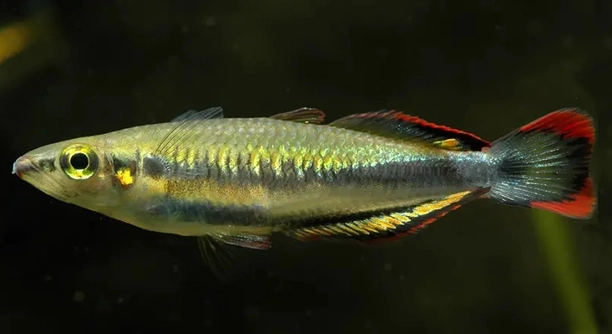
Have you ever noticed how rainbowfish respond to subtle shifts in their aquarium lighting, moving calmly yet purposefully, as if aware of their surroundings changing in gentle ways throughout the day within controlled home environments.
Rainbowfish possess specialized photoreceptor cells that detect variations in light intensity and spectrum. These sensory mechanisms influence circadian rhythms, behavior, feeding patterns, and stress responses, allowing rainbowfish to adapt efficiently to environmental light fluctuations in natural and artificial habitats globally.
Understanding light perception in rainbowfish reveals important insights into care practices, habitat design, and daily behaviors observed by aquarists everywhere.
How Rainbowfish Detect Light Changes
Rainbowfish rely on highly developed eyes that are sensitive to both brightness and color shifts. Their retinas contain multiple cone cells, allowing them to process a wide range of light wavelengths. This ability helps them remain active during dawn and dusk, when lighting changes quickly. In natural habitats, light variation signals feeding times, predator presence, and safe shelter zones. In aquariums, artificial lighting still triggers these same responses. I have noticed calmer swimming patterns when light transitions are gradual rather than sudden. Rapid changes often lead to brief stress behaviors, such as darting or hiding. Over time, consistent lighting schedules support stable routines. This sensory awareness is not conscious thought, but a biological response shaped by evolution. It allows rainbowfish to remain alert, balanced, and responsive within their environment, even when conditions shift subtly throughout the day. This natural sensitivity plays a quiet yet constant role in their daily survival.
Light detection also influences social behavior and coloration. Subtle changes can affect schooling patterns and breeding displays. When lighting supports natural rhythms, rainbowfish appear more confident. This balance makes observation easier and promotes a calmer aquarium atmosphere overall. Consistency benefits both the fish and the keeper maintaining the environment properly.
Unlike humans, rainbowfish do not interpret light emotionally, but physically. Their nervous systems translate light changes into hormonal and behavioral responses. Melatonin levels adjust with brightness, helping regulate rest and activity cycles. Inconsistent lighting can disrupt these processes. I learned that stable light periods reduce erratic movement and improve feeding response. Simple timers help replicate sunrise and sunset patterns. While rainbowfish adapt well, predictable conditions support long-term health. Their ability to sense light changes is practical, not complex, yet it remains essential. Respecting this sensitivity improves both welfare and the visual harmony of the tank for them each day consistently.
Implications for Aquarium Care
Understanding light sensitivity helps guide better aquarium care. Proper lighting schedules reduce stress and support natural behavior. Gradual transitions matter more than intensity alone. Thoughtful setup encourages healthier routines and allows rainbowfish to settle comfortably into their surroundings. This approach benefits long-term stability and daily observation for dedicated keepers everywhere.
Light management is often overlooked, yet it shapes how rainbowfish experience their environment. Inconsistent schedules can confuse internal rhythms, leading to reduced appetite or withdrawn behavior. Brightness should match species needs rather than personal preference. I adjusted my own setup after noticing restlessness during late hours. Shortening exposure and softening transitions made a visible difference. Timers, dimmable lights, and floating plants all help moderate intensity. Natural daylight from windows should be considered, as it can extend exposure unintentionally. Observation remains the most reliable guide. Calm swimming, steady feeding, and consistent coloration suggest balance. When these signs change, lighting is a practical factor to review. Supporting rainbowfish does not require complex tools, only awareness and routine. Their sensitivity to light is subtle but steady, shaping daily patterns quietly. Respecting that rhythm creates a more stable and rewarding aquarium experience for both fish and caretaker. This consistency supports immune function and reduces long-term strain. Small adjustments accumulate into meaningful improvements. Over time, the aquarium feels calmer. Maintenance becomes easier. The fish respond with steady behavior. Light, when managed thoughtfully, becomes a supportive element rather than a disruptive one. This awareness strengthens daily care habits and overall satisfaction for keepers in home aquariums.
Signs of Light Sensitivity in Rainbowfish
I noticed rainbowfish often react immediately when lighting changes suddenly. They may pause, scatter, or seek cover near plants. These reactions are brief but consistent, showing their bodies register light shifts quickly and automatically without confusion or learned behavior over time during daily conditions inside home aquariums consistently observed by.
Sudden brightness increases tend to trigger faster swimming and tighter grouping. Dimmer conditions often slow movement and encourage exploration near the bottom. These patterns reflect instinctive responses shaped by survival needs. In the wild, light shifts signal danger or opportunity. In tanks, the same systems activate. I found that predictable lighting reduces startled movement. When lights turn on slowly, fish maintain steady paths. Color intensity also appears more stable. This suggests reduced stress. Paying attention to these signs helps adjust care. Observation remains the simplest tool available for consistent aquarium routines over long periods of home fish keeping practice overall.
Behavior linked to light sensitivity can change with age and environment. Younger rainbowfish react more sharply, while adults adapt faster. Tank size, décor, and plant cover influence responses. I noticed heavily planted tanks buffer light shifts better. Shadows create comfort zones. This reduces abrupt movement. Overhead lights placed too close increase glare. Raising fixtures softens exposure. Balanced lighting supports feeding, rest, and social spacing. These factors work together daily. Adjusting light is not cosmetic. It directly affects how rainbowfish move, rest, and interact within confined spaces in small controlled aquarium environments over time for stability and health maintenance routines overall.
Managing Light Changes Effectively
Gradual light transitions are more beneficial than constant brightness. Timers help create reliable patterns. I prefer shorter daylight periods with gentle fades. This approach limits overstimulation. Floating plants and diffusers soften exposure. Room lighting should be considered as well. Together, these adjustments reduce sudden contrasts. Consistency allows rainbowfish to remain calm, active, and predictable throughout daily cycles within home aquariums where environmental control supports stable behavior and long term care routines easily maintained daily overall.
Lighting equipment choice matters as much as schedule. LEDs offer control and efficiency. Warm spectrums tend to appear less harsh than intense white tones. I adjusted spectrum settings and noticed steadier coloration. Placement also matters. Centered lights reduce uneven shadows. Avoid sudden manual switching. Maintenance should include cleaning covers, as buildup alters output. Seasonal daylight changes near windows require adjustment. Simple monitoring prevents issues before behavior shifts appear. Light should support natural rhythms rather than dominate the space. Balanced setups promote healthier activity, better feeding response, and calmer social grouping in rainbowfish tanks over time, especially in indoor environments where artificial lighting replaces natural cycles and consistency becomes essential for maintaining stable behavior and overall aquarium health without unnecessary stress responses developing gradually long term.
Supporting Natural Light Rhythms
I learned that rainbowfish respond best when light timing stays predictable. Sudden shifts interrupt feeding and rest patterns. Using the same on and off times daily helps their internal rhythm stay aligned. This stability supports calmer swimming, steady appetite, and balanced interaction throughout the tank environment for captive aquarium life.
They also benefit from reduced glare and shaded areas. Floating plants and taller décor soften exposure. I noticed fewer startle responses once harsh brightness was controlled. Light should guide behavior gently, not dominate the space. Small changes make daily care easier and fish behavior more predictable over long periods consistently.
The Role of Natural Timing
Natural light cues still matter even in indoor tanks. Rainbowfish evolved with sunrise and sunset patterns that regulate hormones. When artificial lighting ignores these cues, behavior can shift. I adjusted light duration seasonally and saw steadier routines. Matching light length to daytime hours helps regulate rest. Complete darkness at night is important. Ambient room light can disrupt cycles. Curtains or tank covers help block it. These steps support internal balance. When light respects natural timing, rainbowfish maintain healthier movement, coloration, and social spacing within confined aquarium settings over time with consistent care routines applied patiently by attentive home aquarists daily.
Using Lighting Tools Wisely
Technology now allows better control of aquarium lighting. Programmable LEDs offer gradual transitions and spectrum adjustment. I prefer tools that automate consistency. They reduce mistakes and support routine care. While simple setups work, controlled systems provide reliability, stability, and peace of mind during long term rainbowfish care in home tanks.
FAQ
Can rainbowfish detect changes in light intensity quickly?
Yes, rainbowfish detect changes in light intensity almost immediately. Their eyes are designed to register brightness shifts as part of daily survival. I have seen them pause or change direction within seconds of lights switching. This reaction is automatic, not learned. Sudden brightness often causes brief alert behavior, while gradual changes lead to smoother movement. This quick detection helps them adjust activity, feeding, and spacing. It also explains why abrupt lighting feels disruptive in aquariums. Their bodies respond before any visible behavior settles. Over time, consistent exposure patterns reduce these reactions. Quick detection remains present, but stress responses lessen when light changes follow predictable routines.
Does aquarium lighting affect rainbowfish stress levels?
Lighting plays a direct role in stress regulation. When brightness changes abruptly, rainbowfish often react with rapid swimming or hiding. I noticed calmer behavior after adjusting lighting schedules. Stable light reduces unnecessary alert responses. Excessively bright tanks can keep fish in a constant state of awareness. Dim periods allow rest. Stress does not always appear dramatic. It can show as reduced feeding or faded coloration. By managing light carefully, stress remains lower. Balanced lighting supports immune health and consistent behavior. Over time, fish appear more settled. Light should support daily rhythm, not challenge it.
Are rainbowfish sensitive to light color as well as brightness?
Yes, rainbowfish respond to both color and intensity. Different wavelengths influence how they move and display color. Cooler tones often feel harsher, while warmer tones appear calmer. I adjusted spectrum settings and noticed steadier swimming. Their eyes process color as environmental information. This affects activity and interaction. Color sensitivity is subtle but present. It does not require constant adjustment. Choosing a balanced spectrum and keeping it consistent works best. Sudden color changes can cause brief confusion. Stability remains more important than perfect color choice.
Do rainbowfish need complete darkness at night?
Complete darkness supports healthy rest cycles. Rainbowfish rely on dark periods to regulate hormones linked to sleep. Ambient room light can interrupt this process. I found that blocking stray light improved nighttime calm. Without darkness, fish may remain semi active. This affects energy levels during the day. A simple cover or dim room lighting helps. Darkness does not harm them. It restores balance. Night periods should remain uninterrupted. Consistent darkness supports long term health and stable daily routines.
How long should aquarium lights stay on each day?
Most rainbowfish benefit from eight to ten hours of light daily. This range supports activity without overstimulation. I shortened light periods after noticing restlessness. The change improved feeding response. Longer exposure does not equal better health. It can disrupt rest cycles. Light duration should remain consistent. Timers help maintain accuracy. Seasonal adjustments can be minor. The key is predictability. Once a schedule works, it should remain stable. Small changes should be gradual to avoid disruption.
Can sudden light changes harm rainbowfish?
Sudden changes do not usually cause physical harm, but they can increase stress. Repeated exposure to abrupt lighting can weaken routine behavior. I observed darting and hiding when lights switched instantly. These reactions fade when transitions slow. Over time, constant stress affects appetite and color. While not immediately dangerous, sudden light shifts reduce comfort. Gradual changes protect stability. Using dimmers or timers helps. Prevention is simple and effective.
Do rainbowfish react differently to natural and artificial light?
They respond to both, but artificial light requires more control. Natural light changes gradually, which suits their biology. Artificial light often switches instantly. I noticed better behavior when artificial setups mimicked natural patterns. Sunlight through windows can extend exposure unintentionally. This affects rest timing. Artificial lighting should account for room conditions. Both light sources influence rhythm. Balance comes from awareness, not avoidance. Artificial light works well when managed carefully.
Is lighting important for rainbowfish coloration?
Yes, lighting affects how coloration appears and how fish display it. Under balanced light, colors look fuller and more stable. Harsh light can wash out tones. I noticed improved vibrancy after softening brightness. Color display also links to comfort. When stress is low, colors remain consistent. Lighting does not create color, but it supports expression. Stable conditions allow natural patterns to show. This improves observation and overall tank appearance.
Should lighting change as rainbowfish age?
Age influences sensitivity slightly. Younger fish react faster to changes. Older fish adapt more easily but still benefit from consistency. I kept lighting stable across age groups with good results. No major changes are needed. What matters is routine. As fish mature, their responses soften, but their needs remain similar. Stability supports all life stages. Simple care works best over time.
Can lighting influence feeding behavior in rainbowfish?
Feeding often aligns with light cycles. Rainbowfish become more active shortly after lights increase. I timed feeding with these periods and saw better response. Inconsistent lighting can delay feeding interest. Brightness signals activity time. Dim periods encourage rest. Aligning feeding with light improves routine. This supports digestion and reduces waste. Light and feeding work together naturally when schedules remain steady.
Final Thoughts
Light plays a quiet but constant role in the daily lives of rainbowfish. It shapes how they move, rest, feed, and interact without drawing attention to itself. Over time, I have learned that small lighting choices create lasting effects. Sudden changes often lead to brief stress responses, while steady patterns support calm behavior. Rainbowfish do not need complex setups to thrive, but they do need consistency. Predictable light cycles help their internal rhythms stay balanced. When these rhythms remain stable, fish appear more relaxed and confident. Their movement becomes smoother, and their presence feels more natural within the tank. This balance is not about perfection, but about awareness. Observing how fish respond offers better guidance than relying on equipment alone. Light should feel supportive rather than intrusive. When managed thoughtfully, it becomes part of a stable routine rather than a disruptive force.
Aquarium care often focuses on water quality and feeding, yet lighting deserves equal attention. It directly affects stress levels and long term health. A tank with proper lighting feels calmer and easier to maintain. Fish respond with steadier feeding habits and fewer sudden movements. Over time, this reduces the need for constant adjustments. I found that once lighting issues were resolved, other minor problems became less frequent. This connection highlights how deeply light influences behavior. Even subtle changes matter. Gentle transitions, appropriate brightness, and reliable schedules support the natural instincts rainbowfish rely on. Artificial environments will never fully match natural habitats, but they can respect natural patterns. This respect shows in how fish behave daily. Consistency builds trust between keeper and environment, making care feel more intuitive and less reactive.
Understanding light sensitivity also changes how observation feels. Instead of reacting to problems, it becomes easier to anticipate needs. When rainbowfish move calmly and maintain stable coloration, it signals balance. When behavior shifts, lighting becomes one of the first factors to review. This approach keeps care grounded and practical. Light does not need to be adjusted often, but it should be intentional. Simple tools like timers, diffusers, and thoughtful placement create lasting benefits. Over time, these small decisions shape the overall atmosphere of the tank. A well lit aquarium supports both fish welfare and daily enjoyment. Rainbowfish respond not with dramatic changes, but with steady presence. Their sensitivity to light is not fragile, but it is real. Respecting it leads to healthier routines, clearer observation, and a more stable environment that supports them quietly, day after day, without unnecessary intervention or stress.

Hello,
If you enjoy the content that we create, please consider saying a "Thank You!" by leaving a tip.
Every little bit helps us continue crafting quality advice that supports the health, happiness, and well-being of pets around the world, for pets of all shapes, sizes, and species.
We really appreciate the kindness and support that you show us!