
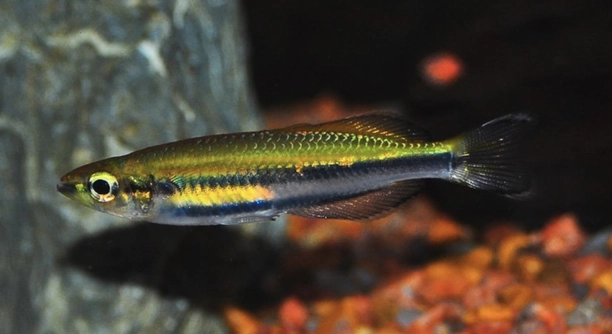
Many fish owners enjoy creating a vibrant and natural environment for their rainbowfish. These colorful creatures thrive in spaces that mimic their natural habitat. Choosing the right decorations can enhance both the beauty and well-being of the fish.
Rainbowfish benefit from natural decorations that provide shelter, visual stimulation, and areas to explore. Plants, rocks, driftwood, and substrate choices influence their behavior, reduce stress, and encourage natural swimming patterns, promoting healthier, more active, and visually appealing aquarium communities.
Knowing which natural elements support rainbowfish behavior helps you make thoughtful choices. Each decoration plays a role in creating a harmonious and engaging aquatic environment.
Live Plants
Live plants are essential for rainbowfish because they provide natural hiding spots and reduce stress. Tall stem plants like hornwort or water wisteria give vertical cover, while low-growing plants create resting areas near the substrate. Plants also help maintain water quality by absorbing excess nutrients and producing oxygen. When arranging them, place taller species in the back and shorter ones in the front to create a layered look. Some species of rainbowfish enjoy nibbling on soft leaves, so choose hardy plants that can tolerate light grazing. Live plants also encourage natural swimming patterns, as fish weave through stems and leaves. Adding floating plants like duckweed or water lettuce can soften bright tank lighting and provide shade, mimicking their natural environment. Regular trimming and maintenance are important to prevent overcrowding, which can reduce water circulation. Overall, live plants support both aesthetic appeal and the physical and mental health of rainbowfish, making them a worthwhile investment in any aquarium setup.
Plants create a peaceful and natural environment, encouraging rainbowfish to explore and display their full colors.
With proper care, live plants can flourish in your tank for years. They provide hiding places, improve oxygen levels, and naturally filter the water. Different species offer various textures and heights, making your aquarium visually appealing while keeping rainbowfish active and comfortable. Proper placement and maintenance are key to ensuring the plants thrive alongside your fish.
Driftwood
Driftwood offers more than decoration; it gives rainbowfish a place to hide and reduces stress. Soft, natural wood releases tannins that slightly lower pH, mimicking their natural habitat.
When choosing driftwood, select pieces that have been properly treated and soaked to remove harmful substances. Hardwoods like Malaysian or Mopani driftwood are durable and safe for long-term aquarium use. Arrange larger pieces along the substrate or against the back wall to create visual interest and provide swimming paths around them. Small branches or knotted wood can form natural caves or crevices for shy or young fish. Driftwood also encourages the growth of beneficial biofilm, which rainbowfish may nibble on occasionally. Combining driftwood with plants enhances the natural aesthetic, creating an inviting, dynamic space. Regular cleaning prevents algae buildup while maintaining the wood’s natural appeal. Including driftwood in your tank can transform a basic aquarium into a more complex, engaging habitat that supports natural behavior, reduces stress, and enhances the overall health of rainbowfish.
Rocks and Pebbles
Rocks and pebbles create natural hiding spots and texture in the tank. Smooth, aquarium-safe stones prevent injury while adding visual interest. They also anchor plants and decorations, helping maintain a stable environment for rainbowfish.
Using rocks requires careful selection to avoid sharp edges or toxic minerals. River stones, slate, and granite work well because they are inert and safe for freshwater tanks. Arranging rocks in small clusters creates crevices and caves where rainbowfish can explore or rest. Layering pebbles around plants and driftwood provides natural-looking substrate variations, encouraging natural foraging behavior. Rocks also influence water flow and aeration, which can improve oxygen distribution throughout the tank. Cleaning rocks before adding them removes debris and prevents algae growth. Over time, moss or biofilm may develop on rocks, offering additional nibbling opportunities. Properly placed rocks help replicate a natural environment, reduce stress, and support rainbowfish in displaying vibrant colors.
Rocks can also serve as a visual boundary, guiding fish movement and creating a more structured tank layout.
With rocks and pebbles, your aquarium becomes more engaging. Rainbowfish enjoy swimming through crevices and resting near textured surfaces. They interact naturally with the environment, which promotes healthier, more active behavior. Combining rocks with plants and driftwood enhances both the appearance and functionality of the tank, creating a balanced, attractive, and comfortable habitat.
Floating Plants
Floating plants provide shade and shelter while reducing bright lighting stress for rainbowfish. They also absorb excess nutrients, improving water quality.
Floating plants like duckweed, frogbit, or water lettuce drift naturally on the surface, offering cover for shy fish. These plants reduce direct light intensity and create shaded areas that rainbowfish tend to favor for resting. Floating roots encourage microfauna growth, which can supplement their diet and stimulate natural foraging behaviors. Position them so they do not overcrowd the surface, allowing sufficient open water for swimming. Regular thinning prevents decay and maintains water circulation. Floating plants also complement other decorations, creating a layered, dynamic look while enhancing the sense of security. They are particularly useful in tanks with young or timid rainbowfish, giving them retreat areas and reducing stress. Adding floating plants improves both aesthetic appeal and functional benefits in the aquarium, supporting healthier, more confident fish.
They create a natural canopy, helping rainbowfish feel safe and promoting exploration.
Floating plants add movement and depth to your aquarium, creating shade and shelter while filtering water naturally. Their roots provide additional feeding opportunities and enhance overall tank dynamics. Maintaining balance is important, ensuring light reaches submerged plants while preventing overcrowding. These plants contribute to a stable, attractive, and enriching environment for rainbowfish, complementing other decorations seamlessly.
Sand and Substrate
A soft, natural substrate provides a comfortable base for rainbowfish. Fine sand or small gravel allows natural digging and foraging without harming their delicate fins.
Substrate also anchors plants and decorations, helping create a stable tank layout. Lighter-colored sand highlights the fish’s colors and makes the aquarium visually appealing.
Caves and Hiding Spots
Caves and small shelters give rainbowfish secure areas to retreat and rest. Clay pots, hollow logs, or artificial caves provide privacy, reducing stress and encouraging natural behavior. Properly spaced hiding spots allow multiple fish to coexist peacefully, especially in community tanks, supporting healthier, more confident individuals.
Moss and Algae
Moss and algae create natural textures for rainbowfish to explore. They provide extra surfaces for grazing and enhance the overall look of the tank.
Leaf Litter
Adding leaf litter, such as Indian almond or oak leaves, introduces tannins that gently soften water and create shaded areas. These leaves mimic natural habitats, support beneficial microorganisms, and give rainbowfish small hiding spots while enriching the tank ecosystem.
What type of plants are best for rainbowfish?
Rainbowfish thrive with a mix of tall, stemmed plants and low-growing foreground plants. Hornwort, water wisteria, and java fern are excellent choices because they tolerate various water conditions and provide hiding spots. Floating plants like duckweed or frogbit reduce bright lighting and offer shaded resting areas. Hardy species are recommended since rainbowfish may nibble on soft leaves. Arranging plants in layers, with taller ones at the back and shorter ones in front, creates depth and mimics natural habitats. Live plants also improve water quality by absorbing excess nutrients and producing oxygen.
How should driftwood be prepared before adding it to the tank?
Driftwood should be soaked or boiled to remove tannins and prevent floating. Hardwoods like Malaysian, Mopani, or bogwood are preferred because they are dense and durable. Cleaning ensures no dirt or pests enter the tank. Properly treated driftwood slowly releases beneficial tannins, which slightly lower pH and mimic the rainbowfish’s natural environment. Arranging pieces to create caves or swim-through areas encourages natural exploration and resting behavior. Periodic cleaning prevents algae buildup while maintaining the wood’s appearance and health benefits for the fish.
Are rocks and pebbles safe for rainbowfish?
Yes, as long as the rocks are smooth and free from sharp edges or toxic minerals. River stones, slate, and granite are safe and stable. Rocks create hiding spots, anchor plants, and encourage natural swimming and foraging behavior. Placing rocks in clusters or layered arrangements provides visual interest and gives fish secure spaces. Over time, biofilm and algae may grow on rocks, offering supplemental grazing opportunities. Rocks also help maintain water flow and oxygen distribution in the tank, supporting overall health. Regular cleaning is important to prevent buildup without disturbing the natural environment.
Do rainbowfish need floating plants?
Floating plants are very beneficial. They provide shade, reduce stress, and improve water quality by absorbing excess nutrients. Their roots support microfauna growth, offering additional food sources and encouraging natural foraging behaviors. Duckweed, frogbit, and water lettuce are good examples. Floating plants should not overcrowd the surface, leaving enough open water for swimming. Periodic thinning ensures healthy growth and prevents decay. They complement other decorations, such as rocks and driftwood, by creating a layered environment. Shaded areas also encourage shy or young rainbowfish to explore while feeling secure, promoting a calm and active tank environment.
How important is substrate for rainbowfish?
Substrate is crucial for both comfort and natural behavior. Fine sand or small gravel allows for digging and foraging without harming fins. It also anchors plants and decorations, maintaining a stable layout. Light-colored sand highlights the fish’s colors and enhances tank aesthetics. Substrate variations, like small pebbles around plants or driftwood, encourage exploration and natural interactions. It also supports beneficial microorganisms that contribute to a healthy ecosystem. Regular cleaning is necessary to prevent buildup of detritus while preserving the natural look. A well-chosen substrate improves fish activity, comfort, and the overall harmony of the aquarium.
Are caves and hiding spots necessary for rainbowfish?
Yes, they reduce stress and provide secure retreat areas. Rainbowfish benefit from clay pots, hollow logs, or artificial caves. Properly spaced hiding spots allow multiple fish to coexist peacefully, reducing aggression. Hiding areas also encourage natural resting and breeding behaviors. When combined with plants and driftwood, caves create a structured environment that mimics their natural habitats. Fish feel more confident and explore more actively when they know secure areas are available. Periodic rearrangement keeps the tank stimulating while maintaining safety and accessibility. Caves are simple additions that enhance both health and behavior.
Can leaf litter improve a rainbowfish tank?
Leaf litter, such as Indian almond or oak leaves, releases tannins that soften water slightly and create shaded zones. It provides additional hiding spots for shy fish and supports beneficial microorganisms, which contribute to a balanced ecosystem. Decaying leaves also serve as a grazing surface and can promote natural behaviors. Leaf litter complements other decorations, like rocks, plants, and driftwood, making the tank feel more natural. Regular replacement is necessary to prevent excessive decay and maintain water quality. Overall, leaf litter enhances comfort, encourages activity, and supports healthier, more natural aquarium conditions.
Is moss beneficial for rainbowfish?
Moss provides texture, grazing surfaces, and visual interest in the aquarium. It can attach to rocks, driftwood, or substrate, creating small microhabitats for food and exploration. Moss supports biofilm growth, which rainbowfish may nibble on occasionally. It also softens the appearance of hard surfaces, making the environment feel safer and more natural. Java moss, Christmas moss, or flame moss are easy to maintain and grow under moderate lighting. Moss placement should avoid blocking swimming areas while creating shaded, sheltered zones. Proper maintenance, including trimming and occasional rinsing, keeps moss healthy and supports a thriving tank ecosystem.
Creating a natural and comfortable environment for rainbowfish is more than just decoration. The choices you make in plants, driftwood, rocks, and other elements directly impact their well-being. Rainbowfish are active and colorful, and they thrive best in a habitat that resembles their natural surroundings. Using live plants not only adds beauty but also provides hiding spots and resting areas, reducing stress. Floating plants create shade and gentle cover, while moss and algae give them small surfaces to explore and nibble. Each natural element you add helps mimic the textures and layers found in rivers and streams, encouraging healthier and more natural behavior.
Driftwood, rocks, and caves offer additional structure in the aquarium. They give rainbowfish places to retreat, swim around, and interact with their environment. These features also help maintain a stable tank layout by anchoring plants and preventing disruptions in the substrate. Rocks and pebbles can create small crevices and gaps for exploration, while leaf litter softens the tank visually and chemically by releasing tannins that slightly adjust water conditions. Combining these elements thoughtfully supports both the mental and physical health of the fish. Rainbowfish that have access to hiding spots and varied textures often show brighter colors, swim more confidently, and appear calmer overall. Even the smallest additions, like moss-covered rocks or floating leaves, can make a noticeable difference in their daily behavior.
Maintaining a natural tank is an ongoing process that requires attention to detail. Substrate, plants, and decorations need regular cleaning and occasional rearranging to prevent overgrowth and decay. Monitoring water quality is essential, as natural decorations like driftwood and leaf litter can alter water chemistry slightly over time. By creating a balanced, layered environment with varied textures and hiding places, rainbowfish are encouraged to display their natural behaviors and explore freely. This approach not only benefits the fish but also makes the tank more visually engaging for observation. Thoughtful selection and care of natural decorations ultimately create a stable, healthy, and enjoyable habitat where rainbowfish can thrive, allowing their full colors and activity to shine naturally.

Hello,
If you enjoy the content that we create, please consider saying a "Thank You!" by leaving a tip.
Every little bit helps us continue crafting quality advice that supports the health, happiness, and well-being of pets around the world, for pets of all shapes, sizes, and species.
We really appreciate the kindness and support that you show us!