
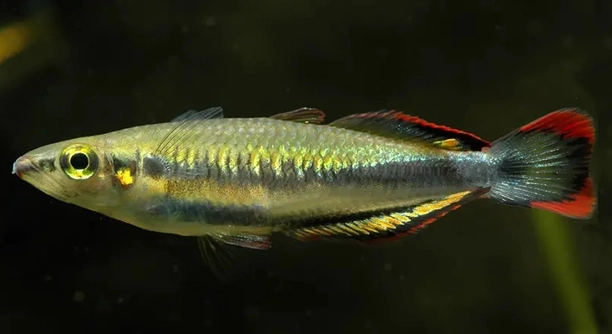
Many rainbowfish thrive in groups, gracefully moving together across the tank. Sometimes, one fish will stop following, creating a noticeable gap in the school. Observing this behavior can be both puzzling and concerning for owners.
Rainbowfish may isolate from the group due to stress, illness, or environmental changes. Factors such as poor water quality, aggressive tankmates, or insufficient hiding spaces can cause a fish to feel unsafe, prompting it to break from the school.
Understanding these behaviors can help you improve your fish’s environment and wellbeing, ensuring that your rainbowfish feels comfortable rejoining its group naturally.
Common Reasons Rainbowfish Stop Following the Group
Many rainbowfish that separate from their school are responding to changes in their environment. Water quality is often a key factor, as fluctuations in temperature, pH, or ammonia levels can cause stress. Even small differences in water hardness or oxygen content may make a fish uneasy. Another factor is social dynamics. Rainbowfish are generally peaceful, but some may be bullied or outcompeted for food, prompting them to stay on the edges of the group. Illness can also play a major role; infections, parasites, or injuries often make a fish isolate itself to recover. Tank size and decoration influence movement too. Crowded tanks or lack of hiding spots can increase anxiety, leading fish to break off from the main group. Observing behavior carefully and adjusting the environment can help the fish feel safe and gradually return to the school.
Stress and illness are usually the main reasons a rainbowfish stops following others.
By monitoring water conditions and social interactions, owners can detect early signs of discomfort. Proper care often restores normal schooling behavior.
How to Help Your Rainbowfish Rejoin the Group
Adjusting the tank setup can quickly improve the situation.
Creating a balanced environment involves checking water quality, ensuring the temperature is consistent, and providing enough hiding spots to reduce stress. A well-fed, healthy fish is more likely to rejoin its group naturally.
Start with small water changes and test ammonia, nitrite, and nitrate levels regularly. Rearrange decorations to offer sheltered areas, giving the fish places to retreat safely. Avoid overcrowding, as limited space increases tension and competition. Feeding smaller portions more frequently can also prevent dominant fish from monopolizing food, encouraging weaker fish to come out. If illness is suspected, isolating the fish in a quarantine tank may be necessary to treat infections without affecting others. Observing the school’s behavior is important; slow reintroduction after the fish recovers can help it reintegrate. Maintaining consistent routines and avoiding sudden changes reduces stress, allowing rainbowfish to feel secure and reconnect with their group naturally.
Identifying Stress in Rainbowfish
Stress in rainbowfish can appear as erratic swimming, loss of appetite, or hiding more than usual. It may also show in faded colors or rapid gill movement. Recognizing these signs early helps prevent health decline and encourages a return to normal behavior.
Environmental changes, such as sudden temperature shifts or strong currents, often trigger stress. Tankmates that are aggressive or overly active can intimidate quieter rainbowfish, making them avoid the group. Even minor changes in lighting or water chemistry can impact mood and movement. Consistently observing daily behavior and noting any deviations can help identify stress triggers. Properly addressing these factors, including gradual adjustments to water conditions and careful monitoring of social dynamics, can reduce stress levels and promote schooling.
Providing safe spaces within the tank also helps stressed rainbowfish feel secure. Plants, rocks, or decorations can serve as retreats, allowing the fish to calm down. Regular feeding and maintaining a stable environment contribute to faster recovery. Consistency is key; stressed rainbowfish are more likely to rejoin the group when they feel predictable and safe surroundings.
Preventing Isolation Before It Happens
Regular tank maintenance reduces the risk of isolation. Keeping water parameters stable and monitoring fish health creates a safe environment. Stress prevention is often easier than correcting isolation after it begins.
Proactive measures include testing water regularly and performing partial water changes to keep ammonia, nitrite, and nitrate levels in check. Observing interactions between fish can reveal early signs of aggression or dominance that may lead to isolation. Providing adequate space and hiding spots prevents overcrowding and allows rainbowfish to explore freely. Nutrition also plays a role; feeding varied, high-quality food supports immune function and reduces stress. A balanced environment encourages natural schooling and minimizes the likelihood of a fish separating from the group.
Consistency in tank routines and gentle adjustments to any changes further support social cohesion. Avoid sudden introductions of new fish or abrupt rearrangements of decorations, as these can create anxiety. Maintaining clear swimming paths and grouping compatible species together helps rainbowfish feel safe and confident. By combining stable water conditions, proper nutrition, and careful observation, owners can reduce stress and prevent future isolation, keeping the group intact and active.
Adjusting Tank Conditions
Consistent water temperature and clean conditions are essential for rainbowfish health. Sudden changes can make fish uneasy, prompting them to leave the group. Regular monitoring helps maintain a stable environment.
Proper filtration and aeration support water quality. Even small improvements can reduce stress and encourage schooling behavior.
Observing Social Behavior
Watching how rainbowfish interact is important. Some may dominate food or chase others, causing weaker fish to isolate. Understanding these dynamics allows for timely adjustments.
Introducing compatible species and avoiding overcrowding helps maintain harmony. Observing daily ensures early detection of bullying or tension within the group.
Feeding Practices
Feeding smaller portions multiple times a day prevents competition and ensures all fish get nutrition. Consistent feeding routines help rainbowfish feel secure and supported.
Using Hiding Spots
Providing plants, rocks, or ornaments gives fish places to retreat when stressed. These areas help rainbowfish regain confidence and rejoin the group naturally.
FAQ
Why does my rainbowfish suddenly stop following the group?
A rainbowfish may stop following the group due to stress, illness, or environmental changes. Water quality fluctuations, aggressive tankmates, or lack of hiding spaces often cause unease. Observing daily behavior and checking for color fading, rapid gill movement, or erratic swimming can help identify the issue.
How can I tell if my fish is stressed?
Stress signs include hiding frequently, loss of appetite, and reduced activity. Faded colors or unusual swimming patterns are also common indicators. Stress can result from sudden water temperature changes, strong currents, overcrowding, or aggression from other fish. Early recognition is important to prevent illness.
What should I do if a rainbowfish is sick?
Isolate the fish in a quarantine tank to prevent spreading infection. Observe for parasites, fungal infections, or injuries. Treat with appropriate medication while maintaining water quality and proper temperature. Ensure the sick fish is eating, and remove aggressive tankmates if necessary.
Can tank setup affect schooling behavior?
Yes, tank layout has a big impact. Crowded tanks, strong currents, or insufficient hiding spots can make rainbowfish anxious. Adding plants, rocks, and decorations creates safe zones, allowing fish to feel secure and rejoin the group naturally.
How often should I check water conditions?
Testing water weekly for ammonia, nitrite, nitrate, pH, and temperature is recommended. Regular partial water changes help maintain stable conditions. Consistent water quality reduces stress and encourages healthy schooling behavior among rainbowfish.
Will introducing new fish cause isolation?
New fish can disrupt social dynamics, especially if the group is small or territorial. Introduce new fish gradually, observe interactions, and provide extra hiding spots to minimize stress. Ensuring compatible species reduces aggression and prevents long-term isolation.
What role does feeding play in group behavior?
Uneven feeding can cause weaker fish to avoid the group. Feeding smaller portions multiple times a day ensures all fish eat. A balanced diet supports health, boosts immunity, and helps rainbowfish feel secure, increasing the likelihood of rejoining the school.
Are certain rainbowfish more likely to isolate?
Yes, shy or smaller fish may avoid dominant tankmates. Newcomers can also feel threatened until they adjust. Observing behavior and adjusting tank conditions or rearranging decorations can help these fish feel safer.
How long does it take for a rainbowfish to rejoin the group?
Recovery depends on the cause. Stress or environmental changes can resolve in a few days with proper adjustments. Illness may take longer, especially if medication and isolation are required. Patience and consistent care are key.
Can improving water quality prevent future isolation?
Maintaining stable water temperature, proper filtration, and regular partial water changes reduces stress and encourages social cohesion. Clean water improves overall health, making rainbowfish more likely to stay with the group. Monitoring and adjustments help prevent repeated isolation.
How do hiding spots affect confidence?
Hiding spots give rainbowfish a place to retreat when feeling threatened. This reduces anxiety, allowing fish to explore the tank at their own pace. Over time, they regain confidence and naturally rejoin the group without force or stress.
Should I change tankmates if isolation persists?
If aggression continues despite environmental adjustments, consider relocating aggressive fish or selecting more compatible species. Reducing competition and stress promotes healthy social behavior and increases the chances of isolated fish reintegrating successfully.
How can I encourage schooling behavior?
Maintain consistent routines, provide adequate space, and monitor interactions. Balanced feeding, stable water conditions, and gentle tank arrangements all support natural schooling behavior. Encouragement comes from creating a predictable, safe, and comfortable environment for all rainbowfish.
Is there a risk of permanent isolation?
Permanent isolation is rare but can occur if stress, illness, or bullying is persistent. Intervening early with proper care, environment adjustments, and attention to social dynamics usually prevents long-term separation. Observation and patience are essential.
Can stress affect rainbowfish health long-term?
Yes, prolonged stress weakens the immune system, making fish more susceptible to disease. Chronic stress can also cause reduced growth, color fading, and changes in behavior. Addressing the source of stress promptly is important for long-term health.
What daily practices help prevent isolation?
Regularly observing behavior, testing water, maintaining consistent feeding, and providing hiding spots all reduce stress. Ensuring the tank is not overcrowded and monitoring interactions helps keep rainbowfish comfortable and engaged in the group.
How do I safely reintroduce a recovered fish?
After illness or stress, slowly reintroduce the fish to the main tank. Allow it to explore safe areas first. Monitor interactions with other fish, and ensure food is evenly distributed. Gradual integration increases the likelihood of successful reintegration.
Do rainbowfish need specific companions?
Yes, peaceful, similarly sized fish are ideal. Aggressive or territorial species can cause stress and isolation. Observing how rainbowfish interact with tankmates helps maintain harmony and ensures the group stays cohesive and active.
What role does tank size play in schooling behavior?
Adequate space allows rainbowfish to swim freely and establish territories without conflict. Overcrowding increases tension, competition for food, and stress, often leading to isolation. A properly sized tank supports natural schooling and healthy social behavior.
Can stress from illness cause long-term behavioral changes?
Temporary stress from illness may cause short-term isolation, but most fish recover once treated. Chronic or untreated illness can lead to lasting shyness or reluctance to school. Proper treatment and environment management minimize behavioral changes.
Is it normal for rainbowfish to explore alone sometimes?
Yes, occasional solitary swimming is natural, especially in large tanks. Temporary separation is different from prolonged isolation caused by stress, illness, or bullying. Observing patterns helps distinguish between normal behavior and problems needing attention.
How important is lighting for group cohesion?
Consistent lighting reduces stress. Sudden bright or dim changes can startle rainbowfish and encourage hiding. Gradual, predictable lighting helps maintain calm behavior, making fish more likely to stay in the group and interact naturally.
Can I prevent bullying in the tank?
Provide plenty of space, hiding spots, and compatible tankmates. Observe interactions and separate aggressive fish if necessary. Early intervention prevents prolonged stress, encourages social cohesion, and supports natural schooling behavior for all rainbowfish.
How do I know when my rainbowfish is fully comfortable again?
Signs include returning to normal swimming patterns, rejoining the school, eating consistently, and regaining vibrant coloration. Observing these behaviors over several days indicates that the fish has regained confidence and feels secure in its environment.
What daily observations are most useful?
Watch swimming patterns, feeding behavior, interactions with tankmates, and color changes. Early detection of stress, illness, or aggression allows for timely adjustments, helping prevent prolonged isolation and promoting healthy schooling behavior among rainbowfish.
How long should I monitor changes after adjustments?
Observe daily for at least one to two weeks after environmental or social changes. Fish behavior may take time to stabilize. Consistency in monitoring ensures any recurring issues are detected early and addressed promptly.
Are there signs of permanent stress I should watch for?
Persistent hiding, refusal to eat, faded colors, and continuous avoidance of the group are signs of prolonged stress. Early intervention, environmental adjustments, and treatment for illness are critical to prevent long-term impact on behavior and health.
Does age affect schooling behavior?
Younger fish may be more active and explore more independently, while older fish may prefer stable routines. Age can influence interactions, but environmental stability and social support usually maintain group cohesion.
Can water flow cause isolation?
Strong currents may intimidate weaker fish, leading them to stay away from the main group. Adjusting filtration or flow direction can reduce stress and encourage fish to swim together more comfortably.
How important is a routine for rainbowfish?
Consistent feeding times, lighting schedules, and tank maintenance reduce stress. A predictable environment supports confidence, encourages schooling behavior, and minimizes chances of prolonged isolation among rainbowfish.
Are some illnesses more likely to cause isolation?
Yes, parasitic infections, fin rot, and bacterial diseases often lead to hiding or withdrawal. Prompt diagnosis, treatment, and proper water management usually allow affected fish to recover and rejoin the group.
Should I rearrange the tank if isolation continues?
Rearranging plants and decorations can break up aggressive territories and provide new hiding spots. Doing so gradually helps rainbowfish feel secure and can encourage isolated fish to explore and reintegrate with the group.
How do I balance tankmates and rainbowfish needs?
Choose peaceful, similar-sized fish and avoid overcrowding. Provide adequate food, space, and hiding spots. Monitor interactions and intervene if aggression occurs. A balanced community reduces stress and keeps rainbowfish schooling naturally.
Can stress from past experiences affect schooling long-term?
Previous stress may make some fish more cautious or shy, even in improved conditions. Continued observation, a stable environment, and gentle encouragement can help them gradually regain confidence and engage with the group.
How can I prevent repeated isolation?
Maintain stable water conditions, provide hiding spots, monitor interactions, feed consistently, and avoid overcrowding. Early detection of stress or illness and timely intervention keeps rainbowfish healthy and promotes long-term schooling behavior.
Do rainbowfish recognize their group?
Yes, rainbowfish are social and recognize familiar tankmates. Feeling secure within their established group encourages schooling behavior, reducing the likelihood of isolation and promoting natural social interactions in the tank.
Can changing decorations too often cause stress?
Frequent rearrangements can confuse or startle rainbowfish, leading to hiding or temporary separation. Gradual changes are better, allowing fish to adjust and maintain confidence in their surroundings, supporting group cohesion.
What role does water temperature play in isolation?
Sudden drops or increases in temperature stress rainbowfish, sometimes causing them to avoid the group. Keeping temperature stable within species-specific ranges supports normal behavior and encourages consistent schooling.
Are some rainbowfish naturally more independent?
Individual personalities vary. Some fish explore alone occasionally, but prolonged separation usually indicates stress, illness, or bullying. Understanding each fish’s tendencies helps differentiate normal behavior from potential problems needing attention.
How do I manage multiple isolated fish?
Provide additional hiding spots, monitor social dynamics, and ensure all fish have access to food. Gradual reintegration, stable water conditions, and stress reduction strategies help multiple isolated rainbowfish regain confidence and return to the group.
Can overcrowding lead to permanent group separation?
Yes, too many fish in a limited space increases competition and stress, leading to long-term isolation. Maintaining appropriate stocking levels and sufficient space prevents this and supports healthy schooling behavior.
Does color fading indicate social stress?
Yes, faded colors often signal stress, illness, or fear. Observing the cause, such as bullying or environmental changes, allows corrective action to restore confidence and encourage reintegration with the group.
Is it normal for rainbowfish to hide at night?
Yes, some fish retreat at night as a natural resting behavior. Persistent hiding during the day, however, is a sign of stress, illness, or environmental discomfort that requires attention.
Can dietary changes affect group behavior?
Sudden changes in food type or feeding schedule can stress rainbowfish, causing temporary withdrawal. Gradual adjustments and consistent feeding routines support comfort and encourage social behavior.
What is the best way to monitor progress after isolation?
Observe swimming patterns, feeding, color, and interactions daily. Keep notes on any improvements or setbacks. Gradual positive changes indicate recovery, while continued isolation signals the need for further intervention.
How do I support shy fish in a group?
Provide safe hiding spots, feed smaller portions frequently, and avoid aggressive tankmates. Gentle observation and patience allow shy fish to gain confidence and eventually rejoin the school naturally.
Can tank size and shape influence behavior?
Yes, narrow or overcrowded tanks can create stress and limit swimming space. Adequate tank dimensions support free movement, reduce aggression, and encourage natural schooling behavior.
Should I adjust lighting gradually when making changes?
Yes, sudden bright or dim lighting can stress fish. Gradual adjustments help rainbowfish adapt without triggering hiding or separation from the group. Stable lighting routines promote confidence and social cohesion.
How important is observation for long-term group health?
Daily observation allows early detection of stress, illness, or bullying. Timely intervention prevents prolonged isolation, maintains healthy social behavior, and ensures rainbowfish remain active and engaged within the group.
Do rainbowfish ever permanently prefer being alone?
Permanent isolation is rare. Most fish return to the group once stress, illness, or aggression is addressed. Individual personalities may affect timing, but a stable, supportive environment usually restores normal social behavior.
Can seasonal changes affect schooling?
Seasonal temperature or light fluctuations may cause temporary stress, leading to short-term isolation. Consistent care, stable conditions, and monitoring during seasonal shifts help rainbowfish remain comfortable and social.
How do I encourage slow reintegration?
Provide hiding spots, distribute food evenly, and avoid sudden movements or aggressive tankmates. Gradual exposure and patience allow isolated fish to gain confidence and rejoin the school without added stress.
What tools help monitor water conditions effectively?
Test kits for ammonia, nitrite, nitrate, pH, and temperature are essential. Regular use ensures stable conditions, reduces stress, and supports healthy schooling behavior for rainbowfish.
Can tank decoration choices reduce stress?
Yes, natural plants, rocks, and ornaments create hiding spots and break up aggressive territories. Thoughtful decoration helps fish feel secure, encouraging normal group behavior and reducing isolation.
Do rainbowfish communicate stress to others?
Yes, stressed fish may signal fear or discomfort, affecting the group’s behavior. Observing these cues helps identify problems early and prevent multiple fish from isolating.
How do I handle aggressive species with rainbowfish?
Aggressive tankmates should be separated or placed in compatible tanks. Reducing aggression prevents stress, promotes schooling, and supports healthy social dynamics among rainbowfish.
Are there long-term effects of repeated isolation?
Repeated isolation can lead to lasting shyness, slower growth, and color fading. Early intervention, stable environments, and social support help mitigate these effects and encourage normal schooling behavior.
Can I predict which fish will isolate?
Observing behavior, size, and social interactions helps anticipate which fish may withdraw under stress. Providing safe spaces and monitoring dynamics reduces the likelihood of isolation.
Is water hardness a factor in stress?
Yes, sudden changes in water hardness can make rainbowfish uncomfortable. Gradual adjustments and consistent water chemistry reduce stress, encouraging normal schooling behavior.
How do I balance light, temperature, and flow for comfort?
Maintain stable lighting, temperature within species-specific ranges, and moderate water flow. Consistency in these factors reduces stress, encourages schooling, and prevents prolonged isolation.
Can stress be cumulative?
Yes, multiple small stressors—overcrowding, aggression, poor water quality—can add up and lead to isolation. Addressing all potential stress points ensures healthier behavior and stronger social cohesion.
How do I maintain confidence in recovering fish?
Provide hiding spots, maintain stable routines, feed consistently, and avoid aggressive tankmates. Gradual exposure to the main group helps fish regain confidence and reintegrate successfully.
Are there environmental signals that encourage schooling?
Adequate space, calm water flow, consistent lighting, and visible companions promote natural schooling. Removing stressors and ensuring safe conditions encourages fish to swim together and maintain group cohesion.
Can past trauma affect schooling behavior?
Fish previously stressed by bullying, illness, or poor conditions may hesitate to join the group. Patience, stable conditions, and positive reinforcement help these fish regain confidence over time.
Is isolation always a sign of health problems?
Not always. Temporary exploration or rest may appear as isolation. Persistent separation, hiding, or lack of appetite usually signals stress, illness, or environmental discomfort that requires attention.
How important is gradual adjustment to new tanks?
Introducing rainbowfish slowly allows them to acclimate to water conditions, decorations, and tankmates. Gradual adjustment reduces stress and prevents premature isolation from the group.
Can stress from transport affect group behavior?
Yes, moving fish can temporarily cause hiding or separation. Allow recovery in a stable, well-prepared environment to encourage reintegration and reduce stress-related isolation.
Does diet variety influence confidence?
A varied diet supports health and energy, reducing stress. Well-nourished fish feel secure and are more likely to participate in schooling and social interactions.
How do I distinguish normal solitary behavior from problematic isolation?
Occasional exploration or resting alone is normal. Persistent hiding, refusing food, color fading, or staying away from the group indicates stress, illness, or environmental problems requiring intervention.
Can subtle aggression cause prolonged isolation?
Yes, even minor chasing or nipping can make a fish withdraw. Observing interactions and providing hiding spots prevents prolonged isolation and encourages social reintegration.
How can I encourage multiple isolated fish to return together?
Provide additional hiding spots, feed evenly, and monitor interactions. Gradual reintroduction and stable conditions allow multiple fish to regain confidence and reintegrate without added stress.
Does water pH affect schooling?
Sudden pH changes can stress rainbowfish, causing separation. Maintaining a stable, species-appropriate pH promotes comfort, reduces stress, and supports normal group behavior.
Can isolation affect breeding behavior?
Yes, stressed or isolated fish may be less likely to spawn. Reducing stress, maintaining social cohesion, and providing a comfortable environment encourages natural reproductive behavior.
How do I prevent stress during maintenance?
Perform gradual water changes, avoid sudden temperature shifts, and minimize tank disturbances. Gentle handling and consistent routines help reduce stress and prevent temporary isolation.
Are some decorations better for schooling than others?
Yes, plants and rocks that create open swimming areas with hiding spots are ideal. Avoid cluttered setups that restrict movement or create dominant territories, which can stress fish and cause separation.
Can stress from one fish affect the whole group?
Yes, stressed fish may influence the behavior of others, increasing anxiety and causing temporary or prolonged separation. Observing group dynamics and reducing stress sources helps maintain cohesion.
Does tank temperature fluctuation affect behavior?
Sudden changes can make rainbowfish uneasy and lead to hiding. Stable temperature within species-specific ranges supports confidence, social interaction, and normal schooling.
Can isolation be reversed naturally?
Most isolation can be reversed by addressing stress, illness, or environmental factors. Providing hiding spots, stable water conditions, and gentle social support encourages fish to rejoin the group.
How can I maintain long-term group stability?
Regular water testing, consistent feeding, observing interactions, and providing adequate space and hiding spots support healthy social behavior. Proactive care prevents stress and reduces chances of repeated isolation.
Does lighting duration influence comfort?
Yes, consistent day-night cycles support natural behavior. Sudden changes or irregular lighting can stress fish, leading to hiding or temporary separation. Stable lighting routines help maintain group cohesion.
Can isolation be a sign of aging?
Older
Rainbowfish are naturally social creatures, and seeing one stop following the group can be worrying. Many factors can influence this behavior, from water quality to social dynamics and illness. Understanding these elements is essential for maintaining a healthy tank and supporting your fish’s wellbeing. Stable water conditions, proper feeding routines, and adequate space help create an environment where rainbowfish feel safe and confident. Paying attention to even small changes in behavior, such as hiding more often or swimming differently, can provide early warnings that something needs attention. By observing daily and making small adjustments, you can prevent stress from escalating and encourage the fish to rejoin its group naturally.
Environmental adjustments are one of the most effective ways to address isolation. Maintaining proper water parameters, including temperature, pH, and oxygen levels, reduces stress and supports overall health. Providing hiding spots, such as plants, rocks, or decorations, allows rainbowfish to retreat when feeling threatened, which helps them regain confidence. Tank size and layout also play a role in social behavior. Overcrowding or insufficient swimming space can create tension, while a balanced and well-organized tank encourages schooling and harmonious interactions. Paying attention to feeding practices is equally important, as competition for food can lead to shy or weaker fish withdrawing from the group. Smaller, more frequent feedings ensure all fish receive adequate nutrition, further supporting healthy social behavior.
Patience and observation are key when helping an isolated rainbowfish return to the group. Some fish recover quickly, while others need more time, especially if illness or long-term stress is involved. Gradual reintroduction and consistent routines create a sense of security, allowing the fish to adjust at its own pace. Monitoring interactions among tankmates and removing or separating aggressive fish can prevent further stress. Even after recovery, continued attention to water quality, social dynamics, and environmental enrichment is essential to prevent repeated isolation. By creating a stable, supportive environment, you not only help the rainbowfish rejoin its group but also encourage overall health, confidence, and natural behavior, ensuring a more harmonious and enjoyable tank for all its inhabitants.

Hello,
If you enjoy the content that we create, please consider saying a "Thank You!" by leaving a tip.
Every little bit helps us continue crafting quality advice that supports the health, happiness, and well-being of pets around the world, for pets of all shapes, sizes, and species.
We really appreciate the kindness and support that you show us!