
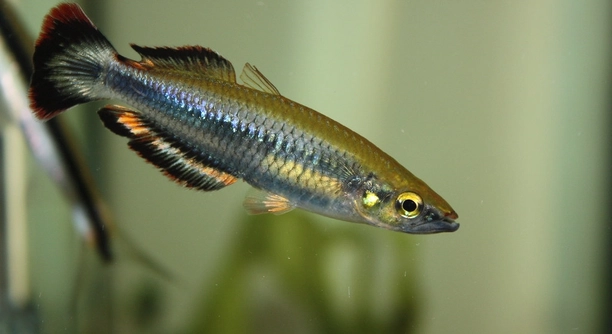
Rainbowfish often share tanks peacefully, yet subtle social patterns can cause brief distance between individuals, especially during feeding, resting, or changes in environment, creating moments that seem like quiet avoidance rather than conflict behavior observations.
The primary reason rainbowfish sometimes ignore each other involves natural social hierarchy and environmental stressors. Variations in dominance, resource availability, lighting, and tank space influence interaction frequency, leading to temporary social withdrawal without aggression or health implications for captive populations.
These interactions reflect deeper biological rhythms, habitat conditions, and social balance, offering insight into creating calmer, healthier aquariums at home.
Social Structure and Daily Rhythms
I have noticed that rainbowfish often live side by side without constant interaction, and this behavior is rooted in their natural social structure. In the wild, rainbowfish form loose groups rather than tight schools. Each fish maintains personal space while still benefiting from group safety. When placed in aquariums, these instincts remain. Fish may swim past one another without acknowledgment, especially during calm periods. Dominant individuals often position themselves centrally, while others keep distance to reduce stress. This spacing helps prevent unnecessary energy loss and limits conflict. Ignoring behavior is not a sign of isolation, but a method of balance. Environmental stability reinforces this pattern. When lighting, water flow, and feeding schedules remain consistent, rainbowfish feel secure enough to disengage socially. This calm separation supports overall health and allows each fish to regulate its own activity level throughout the day within controlled home tanks over long periods of observation time.
This behavior becomes more noticeable during rest phases, after feeding, or when tank conditions shift slightly. Short-term disinterest helps rainbowfish conserve energy and maintain internal balance without constant stimulation from nearby tank mates, which supports stable behavior patterns in shared aquariums over time during daily routines and seasonal changes naturally.
I have seen many aquariums where owners worry about silence between fish, yet this quiet coexistence is normal. Rainbowfish communicate through movement and position rather than constant contact. Passing without reaction shows awareness, not disregard. As long as swimming remains steady and coloration stays bright, social health is intact. Ignoring each other allows fish to avoid overstimulation in confined spaces. It also reduces competition when resources are already predictable. This pattern often increases as fish mature and establish familiarity with their surroundings. Over time, the tank settles into a rhythm where interaction becomes purposeful instead of frequent, supporting balance overall.
Environmental Triggers and Tank Design
Tank layout plays a major role in social spacing. Plants, rocks, and open swim areas create visual breaks. When these elements are balanced, rainbowfish feel less pressure to interact constantly, allowing natural behavior to emerge without signs of distress and supporting consistent movement patterns throughout the shared aquatic space daily.
I pay close attention to water quality when observing social withdrawal. Temperature shifts, minor ammonia changes, or sudden lighting adjustments often lead fish to reduce interaction. This response protects them from added stress. Adequate tank size also matters. Crowded environments force interaction, while spacious tanks allow choice. Rainbowfish thrive when they can move freely without being challenged. Feeding methods influence behavior as well. Scattering food reduces competition and lowers tension. When food drops in one area, fish may separate afterward to recover. Consistency is essential. Regular schedules help fish anticipate events, reducing the need for constant awareness of others. Over time, ignoring becomes part of a stable routine rather than a warning sign. Observation should focus on patterns, not single moments. Healthy fish display smooth swimming, clear eyes, and steady color. When these signs are present, brief social distance is simply a normal expression of comfort within the aquarium environment. I have learned that patience improves understanding. Adjustments should be gradual, measured, and based on observation. Reacting too quickly can disrupt balance. Allowing time for adaptation supports long-term stability and keeps behavior aligned with natural instincts inside maintained home aquariums over extended care periods with consistent routines and thoughtful monitoring.
Feeding Patterns and Resource Awareness
Feeding time often changes how rainbowfish relate to one another. When food is predictable, fish spread out after eating. This separation lowers tension, allows digestion, and prevents repeated competition, especially in tanks where feeding happens daily at consistent times without variation and supports calmer behavior across the group overall longterm.
I have noticed that rainbowfish quickly learn feeding routines and adjust their spacing accordingly. Faster fish may eat first, while others wait nearby without interaction. This pause is intentional and reduces stress. When food is dispersed, each fish focuses inward rather than outward. Ignoring nearby tank mates during these moments helps maintain order. Over time, this pattern becomes habit. Fish recognize that resources will return, removing urgency. Stable feeding schedules reinforce this calm response and support steady growth, color retention, and predictable movement throughout the aquarium environment for extended periods under consistent care and observation within home tanks over time.
Resource awareness extends beyond food and influences swimming lanes and resting spots. Rainbowfish remember where plants, shadows, and open water exist. When these areas are familiar, fish do not need to interact to confirm safety. I often see individuals claim preferred zones and ignore others passing through. This silent agreement limits friction. Rearranging decor too often disrupts this balance. Fish then increase awareness and interaction temporarily. Once stability returns, social distance increases again. Predictable layouts encourage confidence and allow fish to coexist without constant engagement or visible social signals within shared aquariums over long periods of routine care and maintenance.
Stress Responses and Temporary Withdrawal
Stress leads rainbowfish to reduce interaction without showing aggression. Sudden noise, lighting changes, or maintenance activity can trigger withdrawal. Fish focus on self regulation rather than social awareness. I notice this most after water changes. Once conditions settle, spacing remains wider for a short period before normal movement resumes calmly. This response protects energy levels and supports recovery from mild environmental disturbance without creating long term social issues inside the tank during adjustment phases periods.
Temporary withdrawal should be viewed as communication, not avoidance. Rainbowfish rely on body position and distance to signal comfort levels. When stressed, they create space to regain equilibrium. I have learned to wait before intervening. Immediate changes often prolong the behavior. Gentle observation reveals improvement within days. Consistent parameters restore confidence. Overreacting by rearranging decor or altering feeding can reset progress. Stress responses are brief when the environment is stable. Recognizing this pattern prevents unnecessary adjustments. Calm tanks encourage natural recovery and reduce repeated social shifts over time. Patience supports healthier outcomes and aligns care practices with natural behavior patterns observed in established aquariums where fish have adapted fully to stable conditions without constant human interference or unnecessary tank modifications during routine maintenance cycles overall.
Tank Size and Spatial Comfort
Tank size directly affects how often rainbowfish interact. Larger tanks allow natural spacing and reduce forced contact. When space is limited, fish remain alert and interactive. Adequate room encourages calm swimming, personal zones, and comfortable distance without social pressure over extended periods in stable home aquarium environments with consistent care.
I prefer observing behavior before making changes. Overcrowding often hides itself through silence, not conflict. When fish ignore each other constantly, upgrading tank size usually restores balance. Space allows confidence, smoother movement, and fewer stress signals across daily routines for long term stability in shared aquariums under proper maintenance practices.
Group Size and Social Balance
Group size also shapes interaction levels. Rainbowfish kept in small numbers often focus inward and avoid visible social behavior. In balanced groups, attention spreads evenly and pressure decreases. I have found that six or more individuals create a steady dynamic. No single fish becomes overstimulated or isolated. Instead, brief interaction replaces constant awareness. Ignoring becomes normal because security is shared. Uneven group sizes can increase monitoring behavior and tension. Matching species, age, and activity levels further stabilizes spacing and reduces unnecessary engagement during normal swimming and rest periods within established aquariums over long observation periods with consistent environmental conditions maintained.
Lighting and Visual Comfort
Lighting cycles influence how rainbowfish respond socially. Dim or sudden lighting changes reduce interaction. Stable light periods support predictable movement and comfort. I keep lighting gradual and consistent, which encourages relaxed spacing and prevents unnecessary awareness between individuals throughout the tank during daily rhythms and maintenance routines in home aquariums.
FAQ
Why do rainbowfish ignore each other sometimes?
Rainbowfish ignoring each other is usually a normal part of their social behavior. I have noticed that spacing helps reduce stress and maintain hierarchy within the tank. Each fish claims personal zones, and this distance allows them to conserve energy while observing others without constant interaction. This behavior is not a sign of illness or unhappiness. Temporary avoidance often happens after feeding, water changes, or sudden environmental shifts. Over time, ignoring becomes part of a calm routine where fish coexist peacefully without the need for constant engagement, especially in stable aquariums with consistent care.
Is it a problem if my rainbowfish never interact?
Not necessarily. I have observed tanks where fish rarely swim side by side yet thrive perfectly. Minimal interaction can simply indicate a well-balanced group. As long as all individuals eat, swim normally, and show vibrant colors, this quiet coexistence is healthy. Problems usually appear through erratic swimming, faded colors, or hiding, not because fish ignore each other. Ensuring enough space, consistent feeding, and stable water conditions allows fish to establish comfort zones where brief or limited interaction is entirely normal.
How does tank size affect social behavior?
Tank size plays a significant role in rainbowfish interaction. I’ve seen smaller tanks force fish into closer proximity, increasing tension and occasional skirmishes. Larger tanks allow natural spacing and let fish choose when and where to swim. This freedom supports calm behavior, reducing stress and unnecessary attention toward neighbors. Overcrowding can lead to constant monitoring and minor disputes, while a roomy environment encourages quiet coexistence. Providing adequate swim space and hiding areas allows fish to interact selectively, supporting their natural rhythm without pushing them into unwanted contact.
Do rainbowfish ignore each other more during feeding?
Yes, this is common. I often scatter food across the tank to reduce competition, and rainbowfish respond by pausing near their chosen feeding spots. Faster fish eat first, while slower ones wait nearby. This behavior limits conflict and allows individuals to focus on consuming food. Afterward, fish often move to separate resting areas, conserving energy and lowering stress. Feeding patterns influence how much fish notice one another. Predictable schedules and dispersed food make ignoring behavior more frequent but entirely natural, promoting order within the tank while maintaining healthy growth and activity levels.
Can environmental changes cause temporary withdrawal?
Absolutely. I have observed rainbowfish pull away from each other after water changes, sudden noise, or quick lighting shifts. Withdrawal is a protective response, letting them regain balance before returning to normal behavior. It’s important to keep parameters steady and avoid frequent abrupt changes. Fish quickly readjust if the tank remains calm. Temporary distancing prevents stress from escalating into aggression and ensures smooth recovery. Once conditions stabilize, normal spacing returns. This pattern demonstrates that ignoring is often a short-term, adaptive strategy rather than a social problem in home aquariums with consistent care.
Does group size influence how much rainbowfish interact?
Yes, group size is a key factor. I have noticed that smaller groups often show more focused interaction because each fish monitors fewer neighbors. In larger groups, attention spreads, reducing social pressure and encouraging quiet spacing. Balanced group sizes allow each fish to claim a personal zone without constant engagement. Uneven numbers or mismatched activity levels can increase tension and force more interaction than necessary. Maintaining compatible numbers and similar species ensures a natural rhythm where ignoring one another is part of regular social balance, helping fish feel secure without excessive monitoring or conflict over extended periods.
How do lighting and tank layout affect ignoring behavior?
Lighting cycles and tank setup directly influence social behavior. I keep lights gradual and consistent because sudden brightness can startle fish, making them hide or keep distance. Plants, rocks, and open areas allow visual breaks and personal space, encouraging calm separation. Proper layout reduces forced interactions and supports natural movement patterns. Fish tend to ignore each other more in environments that feel safe and predictable, relying on visual cues rather than constant contact to monitor their surroundings. This balance ensures that spacing is natural and stress-free, even when multiple fish share the same aquarium space.
Is ignoring a sign of illness or stress?
Not always. I have found that healthy rainbowfish can ignore each other for long periods while remaining vibrant and active. Signs of concern include lethargy, color fading, erratic swimming, or hiding, rather than simple avoidance. Ignoring becomes worrisome only if it coincides with other negative indicators. Maintaining water quality, proper diet, and stable conditions usually prevents health-related stress. Brief social distance often reflects comfort rather than discomfort, showing that fish feel secure enough to focus on their own routines. Stable habits allow each individual to coexist without constant social reinforcement.
Can changing tank conditions reduce ignoring behavior?
Minor adjustments can help if you want more interaction. I have experimented with rearranging plants or adding subtle visual stimuli, and fish gradually swim closer. However, forcing proximity can increase tension. Gentle changes like spacing food differently, introducing new hiding areas, or slowly adjusting light levels encourage natural engagement without creating stress. Ignoring will still occur naturally, but fish become more aware of one another over time. Controlled adjustments help maintain a healthy balance between personal space and social interaction, supporting both calm coexistence and occasional engagement for a more dynamic aquarium environment.
How long does it take for rainbowfish to adjust to a new tank?
Adjustment time varies, but I usually see noticeable spacing and ignoring behavior within the first week. Fish explore, establish territories, and test comfort zones before settling. Providing consistent feeding, stable water, and safe hiding spots accelerates acclimation. Initially, they may cluster or hide, but spacing naturally develops as confidence grows. Ignoring becomes part of routine once each individual knows the tank layout and group dynamics. Patience is key, as rushing changes or frequent handling can extend this period. Observing patterns helps ensure a smooth transition to long-term stability and calm behavior within their new home.
Final Thoughts
Rainbowfish are naturally social yet independent creatures. Their behavior can sometimes appear confusing, especially when they ignore each other. I have watched many tanks over the years and realized that this quiet separation is usually normal. Fish do not need constant interaction to be healthy. Instead, ignoring behavior often reflects balance within the group. Personal space allows each fish to move freely, rest, and feed without pressure from neighbors. In larger or well-decorated tanks, this spacing is more obvious. Smaller tanks or overcrowded conditions can make the behavior less noticeable, as fish are forced into closer contact. Understanding this helps reduce unnecessary worry and allows for better care decisions. When fish maintain their color, swim steadily, and eat regularly, occasional ignoring is not a sign of a problem but a reflection of their natural instincts.
Environmental stability is one of the most important factors in rainbowfish behavior. I have found that consistent lighting, water temperature, and feeding schedules help fish feel secure enough to engage or ignore at their own pace. Changes in water chemistry, sudden noise, or rapid rearrangements of tank decor can temporarily increase withdrawal. However, these effects are usually short-lived, and fish resume normal routines once the environment stabilizes. Providing hiding spots, open swimming areas, and plant cover gives rainbowfish the choice to interact or remain separate. This freedom reduces stress and encourages healthy social dynamics. Observing patterns rather than isolated moments is key. Ignoring is often part of a calm routine, not a sign of illness or social failure. When fish are given time and space to adjust, they settle into predictable rhythms that support long-term health and comfort in the tank.
Group size, tank size, and social balance also play a critical role in these behaviors. I have noticed that smaller groups may appear more interactive, while larger groups often distribute attention and create natural spacing. Overcrowded tanks can cause tension, but adequate space allows fish to maintain comfort zones. Feeding habits further influence interaction. Scattering food and maintaining regular schedules reduces competition and allows fish to focus on eating rather than observing neighbors constantly. Rainbowfish naturally adjust their behavior over time as they become familiar with their environment and each other. Recognizing that ignoring is often a positive, adaptive behavior helps create a calmer, more stable aquarium. By providing space, stable conditions, and understanding their instincts, it is possible to maintain a healthy, peaceful tank where rainbowfish thrive while choosing when to interact and when to rest quietly.

Hello,
If you enjoy the content that we create, please consider saying a "Thank You!" by leaving a tip.
Every little bit helps us continue crafting quality advice that supports the health, happiness, and well-being of pets around the world, for pets of all shapes, sizes, and species.
We really appreciate the kindness and support that you show us!