
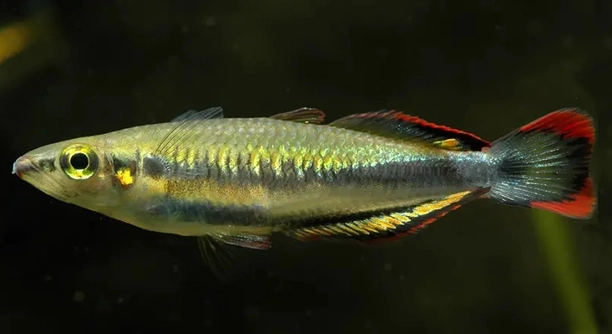
Rainbowfish are popular freshwater fish admired for their bright colors and active behavior. Many aquarium enthusiasts enjoy watching them swim gracefully, especially in well-planned tanks that replicate their natural environment. Their care requires attention to both water and space.
Rainbowfish can thrive in tall tanks if proper conditions are maintained. Adequate swimming space, stable water parameters, and sufficient vertical room support their natural behavior. Tall tanks encourage healthy movement and reduce stress, contributing to overall longevity and vibrant coloration.
Providing the right environment is key to maintaining their health and activity. Proper tank setup ensures rainbowfish flourish and remain visually stunning for years.
Understanding Rainbowfish Needs
Rainbowfish are active swimmers and need space to move freely. A tall tank gives them vertical room to explore, which mimics their natural habitat. They prefer stable water temperatures, ideally between 74 and 78 degrees Fahrenheit. Keeping water clean with regular changes is essential to prevent stress and disease. These fish enjoy a mix of hiding spots and open areas, so adding plants and decorations strategically can help them feel secure. Nutrition is also important; feeding a varied diet of flakes, pellets, and occasional live or frozen foods ensures their colors remain bright. Overcrowding can quickly lead to aggression and poor health, so it’s best to maintain a proper fish-to-tank ratio. Monitoring their behavior daily helps catch problems early. Observing how they interact in the space provided allows for adjustments to their environment, improving both activity and overall well-being.
A taller tank alone does not guarantee healthy rainbowfish. Balanced care and proper space are equally important.
Providing both vertical and horizontal space ensures rainbowfish can swim naturally. Plants and decorations should not block swimming paths, allowing them to move freely.
Feeding and Tank Maintenance
Proper feeding is crucial for vibrant rainbowfish. Offer high-quality flakes or pellets daily and supplement occasionally with live or frozen foods. Avoid overfeeding, as excess food pollutes the tank.
Regular tank maintenance supports a healthy environment. Changing 25–30 percent of water weekly reduces waste and maintains stable water parameters. Filters should be checked often to prevent clogging, and substrate cleaned to avoid buildup. Temperature and pH monitoring ensures the tank remains within safe ranges. Observing fish for signs of stress or illness can prevent problems early. Plants benefit from trimmed leaves and occasional fertilizer, while decorations should be cleaned to prevent algae. A structured maintenance schedule makes caring for rainbowfish manageable. Over time, a clean, well-fed tank allows these fish to display natural behaviors, swim actively, and maintain vivid coloration. Consistency in care is key, and even small adjustments can have significant positive effects on their overall health and happiness.
Choosing the Right Tank Size
A tall tank is ideal for rainbowfish, providing vertical swimming space they need. Minimum size should be at least 20 gallons for a small group, with larger groups requiring more room to reduce stress and aggression.
When selecting a tank, consider both height and width. Rainbowfish swim in mid to upper levels, so vertical space allows them to move naturally. A taller tank also helps maintain stable water temperatures and improves oxygen circulation. Adding decorations like plants and driftwood can create hiding spots, but these should not block swimming paths. Adequate lighting enhances their coloration and supports plant growth. Measuring the space available at home ensures the tank fits comfortably and allows for maintenance access. Choosing a tank with a secure lid prevents jumping, which rainbowfish occasionally do.
A suitable tank promotes healthy behavior and reduces territorial disputes. Vertical and horizontal space together keep rainbowfish active and colorful, reflecting their natural patterns in the aquarium.
Water Parameters and Filtration
Stable water conditions are essential for rainbowfish health. Temperature, pH, and hardness must remain consistent to prevent stress and illness.
Rainbowfish thrive in temperatures between 74 and 78 degrees Fahrenheit. A pH of 6.5–7.5 and moderate hardness is ideal. Sudden changes can lead to stress or disease, so using a reliable heater and thermometer is important. Filters should provide moderate flow, simulating gentle currents found in natural habitats. Weekly water testing helps detect imbalances early, and partial water changes keep the environment clean. Avoid overcrowding, as too many fish strain the system and increase waste. Plants can absorb excess nutrients and improve water quality while creating hiding spots. Proper aeration ensures oxygen levels remain stable, supporting active swimming.
Regular observation is key. Watch for unusual behavior or faded colors, which indicate stress or poor water conditions. Prompt adjustments protect the fish’s health and maintain a thriving aquarium ecosystem.
Tank Decorations and Plants
Tall tanks benefit from layered decorations that provide both hiding spots and open swimming areas. Plants, driftwood, and rocks can create a natural environment without crowding the fish.
Floating plants add shade and reduce stress, while rooted plants offer vertical interest. Avoid sharp edges that could injure rainbowfish.
Social Behavior and Grouping
Rainbowfish are schooling fish and thrive in groups of at least six. Proper group size reduces aggression and encourages natural swimming patterns. Consistent interaction within a well-planned tank promotes activity and reduces stress.
Observing their social dynamics helps maintain harmony. Introducing new fish gradually allows the group to adjust. Avoid mixing species that are overly aggressive or too passive. Providing enough space and visual barriers minimizes territorial disputes. Feeding at consistent times ensures all fish get proper nutrition. Regularly monitoring the group’s behavior lets you identify signs of stress, illness, or bullying early. A balanced social structure encourages healthy growth and vivid coloration.
Lighting Considerations
Moderate lighting highlights rainbowfish colors and supports plant growth. Avoid intense light that may cause stress.
FAQ
How many rainbowfish should I keep in a tall tank?
Rainbowfish are social fish and do best in groups of six or more. Smaller groups can lead to stress and territorial behavior. In a taller tank, the vertical space helps reduce conflicts, but maintaining the proper number ensures they swim freely and remain active.
What is the ideal water temperature for rainbowfish?
Rainbowfish thrive in temperatures between 74 and 78 degrees Fahrenheit. Using a reliable heater and thermometer helps maintain stability. Sudden changes can cause stress or illness, so consistent monitoring is essential, especially in taller tanks where water circulation may vary.
Do rainbowfish need a specific pH level?
Yes, rainbowfish prefer slightly acidic to neutral water with a pH of 6.5–7.5. Maintaining this range supports their health, digestion, and coloration. Regular testing and adjustments prevent long-term stress and keep their immune system strong.
Can rainbowfish live with other fish?
They can, but choosing compatible species is important. Avoid overly aggressive or very passive fish. Tank mates should occupy different swimming levels to minimize conflicts. Gradual introductions and adequate space help maintain a balanced community and reduce territorial disputes.
How often should I feed rainbowfish?
Feed rainbowfish small amounts 1–2 times daily. A varied diet of flakes, pellets, and occasional live or frozen foods supports their vibrant colors and overall health. Overfeeding can pollute the water and stress the fish, so portion control is important.
What type of filtration is best for a tall tank?
Moderate filtration is ideal, providing gentle water flow similar to their natural habitat. Strong currents can exhaust the fish. Regular filter maintenance ensures water quality stays high, reducing the risk of disease or poor swimming conditions.
Do rainbowfish need plants in the tank?
Yes, live or artificial plants offer hiding spaces and vertical interest. Floating plants provide shade and reduce stress, while rooted plants create areas for exploration. Ensure decorations do not block swimming paths to maintain freedom of movement.
How can I tell if my rainbowfish is stressed?
Signs of stress include faded coloration, clamped fins, lethargy, or hiding excessively. Poor water conditions, overcrowding, or aggressive tank mates often cause these behaviors. Prompt adjustments, such as water changes or rearranging decorations, help restore comfort and health.
Is a tall tank better than a wide tank for rainbowfish?
A tall tank provides vertical swimming space, which benefits active species like rainbowfish. However, horizontal space is still necessary for schooling behavior. Combining both dimensions ensures freedom of movement and promotes natural activity.
How often should I change the water in a tall tank?
Partial water changes of 25–30 percent weekly are recommended. This removes waste, keeps water parameters stable, and supports overall fish health. Regular observation of water clarity and quality helps determine if adjustments are needed.
Can rainbowfish jump out of a tall tank?
Yes, rainbowfish can jump, especially if startled. A secure lid prevents accidents. Ensuring the tank is well-covered while allowing ventilation maintains safety and reduces stress for the fish.
What should I do if a new rainbowfish seems aggressive?
Introduce new fish gradually and provide visual barriers like plants or decorations. Observing their interactions helps prevent bullying. If aggression continues, consider separating the fish temporarily or adjusting the group size to reduce stress.
How can I enhance rainbowfish coloration?
A balanced diet, stable water parameters, and proper lighting all contribute to vibrant colors. High-quality flakes and live or frozen foods provide essential nutrients, while moderate lighting enhances natural hues without causing stress.
Do rainbowfish need special lighting for tall tanks?
Moderate lighting is sufficient to highlight colors and support plant growth. Avoid overly bright lights, which can stress the fish. Using timers ensures consistent day-night cycles, promoting healthy activity and natural behavior.
Can rainbowfish breed in a tall tank?
Yes, if conditions are ideal. Provide plants or spawning mops for eggs and maintain stable water parameters. Remove adults after spawning to prevent egg predation, and keep water clean to support fry development and survival.
How long do rainbowfish typically live?
With proper care, rainbowfish can live 5–8 years. Maintaining a clean tank, balanced diet, and stable water conditions all contribute to longevity. Observing behavior and health regularly ensures they remain active and vibrant throughout their lifespan.
Is tank size the only factor for rainbowfish health?
No, while tank size is important, water quality, diet, social grouping, and decorations are equally critical. A tall tank offers vertical space, but overall setup and consistent care determine whether rainbowfish thrive long-term.
How do I prevent algae growth in a tall tank?
Regular water changes, controlled lighting, and avoiding overfeeding help reduce algae. Adding live plants can compete for nutrients and naturally limit growth. Cleaning decorations and substrate during maintenance keeps the tank visually appealing and healthy.
Can rainbowfish tolerate other water conditions?
They prefer stable, moderately hard water with slightly acidic to neutral pH. Sudden fluctuations in temperature, hardness, or pH can stress them. Consistency is more important than extreme conditions for color, behavior, and overall health.
What is the best way to acclimate new rainbowfish?
Float the bag in the tank for 15–20 minutes, gradually mixing tank water with the bag water. This prevents shock from temperature or pH differences. Slowly releasing the fish into the tank reduces stress and encourages faster adaptation.
Do rainbowfish require supplements or vitamins?
A varied diet generally provides sufficient nutrients. Occasional vitamin supplements can be added if needed, especially during periods of stress or recovery. Overuse is unnecessary and may affect water quality, so moderation is key.
How can I tell if my rainbowfish is healthy?
Active swimming, bright colors, regular feeding, and smooth scales indicate good health. Observing behavior and maintaining clean water ensures problems are caught early, preventing long-term health issues and maintaining a thriving tank environment.
Can rainbowfish adapt to a planted tank?
Yes, planted tanks are ideal. Plants provide hiding spaces, natural aesthetics, and water quality benefits. Ensure swimming paths remain clear and avoid overcrowding with decorations, so fish maintain freedom of movement and natural behavior.
What is the best diet combination for rainbowfish?
High-quality flakes or pellets form the base, supplemented with frozen or live foods like brine shrimp or daphnia. This variety supports vibrant coloration, healthy growth, and active behavior, while meeting their nutritional needs consistently.
How do I maintain stable water temperature in a tall tank?
Use a reliable heater and thermometer, monitor fluctuations, and avoid placing the tank near drafts or direct sunlight. Stable temperatures prevent stress, support metabolism, and promote healthy activity and coloration in rainbowfish.
Is tank height more important than length for rainbowfish?
Height supports vertical swimming and exploration, while length allows schooling and horizontal movement. Both dimensions are important; a balance ensures active behavior, reduced aggression, and overall well-being for the group.
What should I do if water parameters fluctuate frequently?
Check the heater, filter, and any water additives. Frequent monitoring and partial water changes help stabilize the environment. Addressing equipment or source water issues prevents stress and keeps rainbowfish healthy and vibrant.
Can rainbowfish survive in small tanks temporarily?
They may survive short-term, but prolonged confinement leads to stress, dull coloration, and stunted growth. Adequate space is essential for long-term health, natural behavior, and active swimming in rainbowfish.
How can I reduce stress during tank maintenance?
Clean the tank carefully, avoid sudden movements, and maintain stable water parameters. Performing partial water changes and cleaning decorations gradually helps rainbowfish remain calm and active throughout maintenance sessions.
Do rainbowfish interact with humans?
They recognize movement outside the tank and may follow hands or food. While not social in the human sense, they show curiosity and respond to regular feeding patterns, which strengthens observation and care routines.
What are common health issues in rainbowfish?
Poor water quality, overcrowding, and inadequate diet are primary causes of disease. Signs include faded color, clamped fins, lethargy, and abnormal swimming. Regular monitoring and maintaining stable conditions prevent most health problems.
How important is oxygenation in a tall tank?
High oxygen levels support active swimming and metabolism. Adequate filtration, water flow, and occasional air stones ensure oxygen remains sufficient throughout the tank, especially in taller setups where surface circulation may be limited.
Can rainbowfish live with invertebrates?
Yes, peaceful invertebrates like shrimp or snails are compatible. Avoid aggressive or predatory species. Invertebrates can help maintain tank cleanliness and add visual interest without disturbing rainbowfish.
How do I acclimate rainbowfish to a new tank?
Float the transport bag in the tank, slowly mix tank water, and release gradually. This prevents shock from temperature or pH differences and supports a smooth transition into the new environment.
Are rainbowfish sensitive to light cycles?
Consistent day-night cycles reduce stress. Using timers for lighting ensures regular periods of light and darkness, promoting natural behavior, feeding patterns, and healthy coloration.
How do I prevent disease outbreaks in a tall tank?
Maintain clean water, avoid overcrowding, feed a balanced diet, and quarantine new fish. Regular observation and early intervention reduce the risk of disease spreading and keep rainbowfish active and healthy.
Can rainbowfish adapt to different tank decorations?
Yes, they adapt well as long as swimming paths remain open. Gradually introducing new decorations helps reduce stress and allows fish to explore without fear.
Is it necessary to remove uneaten food immediately?
Yes, uneaten food decomposes quickly, affecting water quality and increasing disease risk. Removing excess food prevents nutrient buildup, keeping the tank clean and supporting rainbowfish health.
Do rainbowfish require frequent observation?
Regular observation is important to detect changes in behavior, coloration, or appetite. Early detection of issues allows prompt care, preventing stress, illness, or conflicts within the group.
How can I encourage natural behavior in rainbowfish?
Provide adequate space, compatible tank mates, vertical and horizontal swimming areas, hiding spots, and varied diet. A well-structured tank encourages schooling, exploration, and active swimming.
What should I do if a rainbowfish loses color?
Check water quality, diet, and stress factors. Improving conditions, providing balanced nutrition, and reducing aggression or overcrowding restores vibrant coloration over time.
Can rainbowfish live in cold water temporarily?
They can survive brief exposure to cooler temperatures, but prolonged cold leads to stress, weakened immunity, and increased disease risk. Maintaining stable, optimal temperature is crucial.
Are rainbowfish hardy for beginners?
They are relatively hardy if proper care is given, including stable water, adequate tank size, schooling groups, and consistent feeding. Attention to water quality and tank setup ensures success.
Do rainbowfish require tank covers?
Yes, a secure lid prevents jumping and protects them from accidents. It also helps maintain temperature and reduces stress from outside disturbances.
How often should I test water parameters?
Weekly testing of pH, temperature, and hardness ensures stable conditions. More frequent checks may be needed after changes or adding new fish. Early detection prevents stress and supports long-term health.
Can rainbowfish adapt to changes in diet?
They adapt gradually. Introduce new foods slowly alongside familiar options to prevent digestive issues and ensure they accept a balanced, varied diet for health and coloration.
What is the ideal tank setup for breeding rainbowfish?
Provide plants or spawning mops, maintain stable water parameters, and separate adults from eggs. Clean water and proper nutrition support fry survival and healthy development.
How do I manage aggression in rainbowfish?
Maintain proper group size, adequate space, and visual barriers. Observe interactions and separate overly aggressive fish temporarily if needed. Balanced conditions minimize stress and maintain harmony.
Can rainbowfish tolerate small temperature fluctuations?
Minor fluctuations are generally tolerated, but large or sudden changes cause stress. Consistency in temperature supports metabolism, coloration, and overall health.
Are rainbowfish sensitive to noise or vibrations?
Excessive noise or vibrations can startle them, leading to stress or jumping. Placing the tank in a quiet, stable area reduces disturbances and promotes calm, natural behavior.
What is the best approach to introduce new rainbowfish?
Float the transport bag, gradually mix water, and release slowly. Observe interactions and provide hiding spots to ensure smooth integration and reduce stress for all fish.
Can rainbowfish live with goldfish or cichlids?
Avoid keeping rainbowfish with goldfish or aggressive cichlids. Differences in water preferences and temperament often lead to stress, bullying, or injury. Suitable peaceful community fish are a better choice.
How do I maintain proper nutrition in a tall tank?
Feed small, balanced portions 1–2 times daily. Rotate flakes, pellets, and occasional live or frozen foods. Monitor intake to prevent overfeeding, water pollution, and uneven growth among the group.
Do rainbowfish require frequent water circulation adjustments?
Moderate flow is sufficient. Adjustments are only needed if fish struggle against currents or if water stagnation occurs. Proper circulation supports oxygenation and reduces waste buildup.
What should I do if a rainbowfish appears sick?
Isolate the affected fish if needed, test water quality, and adjust diet. Consult reliable care guides for treatment options. Early intervention prevents illness from spreading and restores health.
Can rainbowfish tolerate soft water?
They can adapt to moderately soft water, but extremely soft or unstable water increases stress. Maintaining moderate hardness supports coloration, activity, and overall health.
How important is regular cleaning in a tall tank?
Crucial for maintaining water quality and preventing disease. Clean substrate, decorations, and filter regularly while performing partial water changes. Consistent care keeps rainbowfish healthy and active.
Do rainbowfish interact with each other visually or socially?
Yes, schooling behavior involves coordinated swimming and color displays. They rely on visual cues to maintain group cohesion and reduce stress, which is enhanced in taller tanks with ample swimming space.
Can rainbowfish adapt to different types of lighting?
They adapt to moderate lighting. Too bright or inconsistent light can cause stress. Using timers and gradual adjustments ensures comfort while enhancing coloration naturally.
Are there seasonal effects on rainbowfish behavior?
Slight seasonal changes in temperature or light may affect activity levels and spawning behavior. Maintaining stable indoor conditions reduces stress and supports consistent health and coloration.
How do I prevent overcrowding in a tall tank?
Calculate appropriate fish-to-gallon ratios, considering vertical and horizontal space. Overcrowding increases aggression, stress, and water pollution. Proper stocking ensures healthy growth and active schooling behavior.
Can rainbowfish survive in low-light tanks?
They tolerate low light but thrive with moderate lighting that supports plants and enhances coloration. Balanced lighting promotes natural activity and reduces stress.
How do I encourage schooling behavior?
Maintain groups of six or more, provide open swimming areas, and avoid overly aggressive tank mates. Consistent feeding and a stable environment also support natural schooling patterns.
Do rainbowfish require special water conditioners?
Use basic conditioners to remove chlorine or chloramine from tap water. Additional treatments are only needed for specific water issues. Proper conditioning protects gill health and overall well-being.
Can rainbowfish live with bettas?
It is risky. Bettas can be aggressive toward smaller, active fish. Careful observation is required, and in many cases, separation is the safer option to avoid stress or injury.
How often should decorations be cleaned?
Clean decorations every few weeks during partial water changes to prevent algae and debris buildup. Avoid harsh chemicals, rinsing with tank water preserves beneficial bacteria.
What is the effect of overcrowding on rainbowfish?
Overcrowding leads to stress, aggression, and disease. Fish may hide excessively or lose coloration. Adequate tank size, proper group numbers, and decorations help prevent these issues.
Do rainbowfish need vertical plants for tall tanks?
Yes, vertical plants complement their natural swimming behavior and provide visual interest, shade, and hiding spots, enhancing comfort and reducing stress in tall tanks.
Can rainbowfish tolerate fluctuating pH levels?
Frequent or large pH changes cause stress, affect coloration, and may compromise immunity. Maintaining stable, slightly acidic to neutral water is essential for health.
Are rainbowfish sensitive to temperature drops at night?
Moderate nighttime drops are tolerated, but sudden or extreme changes cause stress. Consistent temperatures maintain metabolism, coloration, and active behavior.
How can I safely remove a sick rainbowfish?
Use a net carefully, minimize handling, and transfer to a quarantine tank. Provide clean water and monitor for treatment needs, reducing stress and preventing disease spread.
Do rainbowfish require high oxygen levels?
Adequate oxygen supports active swimming, metabolism, and overall health. Proper filtration, surface agitation, and occasional air stones maintain sufficient oxygen, especially in taller tanks.
Can rainbowfish live with guppies?
Yes, guppies are compatible. Both species are peaceful, active swimmers. Ensure adequate space, stable water conditions, and compatible tank mates to maintain harmony.
How do I reduce aggression in rainbowfish schools?
Maintain proper group sizes, provide vertical and horizontal space, add hiding spots, and observe interactions. Adjustments help minimize stress and ensure healthy social behavior.
What is the recommended tank height for rainbowfish?
At least 18–20 inches is ideal for vertical swimming. Taller tanks allow natural exploration and reduce stress, supporting overall activity and coloration.
Do rainbowfish prefer calm or flowing water?
Moderate flow mimics natural habitats. Calm water may reduce oxygenation, while strong currents exhaust the fish. Balance ensures healthy swimming and reduced stress.
How often should I monitor rainbowfish behavior?
Daily observation helps detect stress, illness, or aggression early. Noticing changes in swimming, coloration, or interaction ensures prompt care and maintains a healthy environment.
Can rainbowfish adapt to different diets quickly?
Gradual introduction of new foods prevents digestive issues. Mixing familiar items with new options helps acceptance and ensures balanced nutrition for optimal health and coloration.
Are rainbowfish jumpers?
Yes, they may jump occasionally. A secure lid protects them, prevents accidents, and reduces stress from environmental disturbances.
How do I encourage breeding in rainbowfish?
Provide plants or spawning mops, maintain stable water parameters, and separate adults from eggs. Clean water and proper nutrition support fry survival and healthy growth.
Do rainbowfish prefer planted or bare tanks?
Planted tanks provide hiding spots, natural aesthetics, and improved water quality. Bare areas allow free swimming. A balance of both supports natural behavior.
What are signs of a healthy rainbowfish?
Bright colors, active swimming, regular feeding, smooth scales, and interactive behavior indicate good health. Regular care and stable conditions maintain these traits.
How can I prevent rainbowfish from losing color?
Ensure proper diet, stable water, reduced stress, and adequate space. Consistent
Final Thoughts
Rainbowfish are lively, colorful fish that can thrive in a tall tank when their basic needs are met. Providing sufficient vertical and horizontal space is essential for their swimming behavior. Tall tanks allow them to move freely, explore, and maintain activity levels that are crucial for their health. Space also reduces stress and aggression, especially when they are kept in appropriate group sizes. Observing their daily behavior helps determine whether the environment suits them, and adjustments can be made as needed to improve their comfort.
Maintaining stable water parameters is another key factor for rainbowfish health. Temperature, pH, and hardness should remain consistent, with minor fluctuations avoided. A reliable heater and regular testing are helpful in achieving this stability. Proper filtration ensures water remains clean and oxygenated, supporting active swimming and metabolism. Regular partial water changes help remove waste and maintain overall water quality, preventing common health problems. Plants and decorations not only provide hiding spaces but also contribute to a more natural environment, enhancing both the aesthetic of the tank and the well-being of the fish. Feeding a varied diet that includes high-quality flakes, pellets, and occasional live or frozen foods supports vibrant coloration and growth. Overfeeding should be avoided, as it can pollute the water and stress the fish.
Social structure and group dynamics are equally important in a tall tank. Rainbowfish are schooling fish and feel secure when kept in groups of six or more. Providing visual barriers such as plants or driftwood helps reduce territorial disputes and aggression. Gradual introduction of new fish prevents stress and allows the group to adjust to changes. Observing interactions among the fish helps detect early signs of illness or bullying, which can then be addressed quickly. Lighting should be moderate to enhance their colors and support plant growth, while ensuring that it is not too intense to cause stress. A well-maintained tank with proper water conditions, space, and nutrition allows rainbowfish to display natural behaviors, swim actively, and maintain bright, vivid coloration. Over time, careful attention to these details creates a stable, healthy environment where rainbowfish can thrive and remain visually striking for years.

Hello,
If you enjoy the content that we create, please consider saying a "Thank You!" by leaving a tip.
Every little bit helps us continue crafting quality advice that supports the health, happiness, and well-being of pets around the world, for pets of all shapes, sizes, and species.
We really appreciate the kindness and support that you show us!