
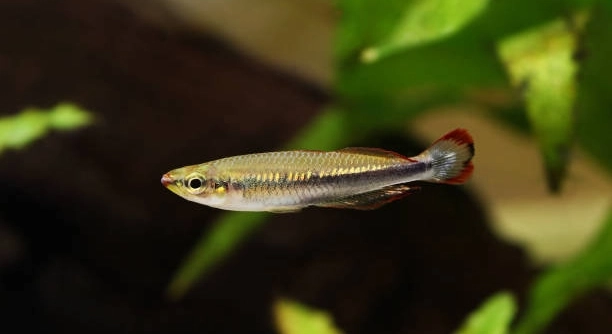
Rainbowfish are small, colorful freshwater fish that often brighten home aquariums with their shimmering scales. Observing their behavior can be fascinating, especially when they gather closely and move in unison within the tank environment.
When rainbowfish hover together, it generally indicates social cohesion and safety within the group. This schooling behavior helps reduce stress, signals comfort, and may assist in coordinated movement or feeding patterns. Such grouping is a natural instinct for protection and communication.
Learning the reasons behind this behavior can enhance your understanding of rainbowfish care and improve the harmony within your aquarium community.
Understanding Schooling Behavior
Rainbowfish naturally form schools as a way to feel secure. When they hover together near plants or decorations, it shows they are relaxed and comfortable in their environment. Schooling also allows them to watch for potential threats while maintaining a sense of community.
This behavior helps reduce stress levels and keeps them healthy.
Observing the fish as they swim in close groups reveals subtle interactions. Dominant fish may lead the direction of movement, while others follow closely. The coordinated motion is instinctual, ensuring that no individual is left vulnerable. Lighting, tank size, and the number of fish can influence how tightly they school. By providing ample space and hiding spots, you support natural behavior. Over time, noticing these patterns can strengthen your understanding of their preferences, diet routines, and responses to changes. Respecting these instincts creates a calmer tank and a more balanced environment for all rainbowfish to thrive.
Environmental Factors Affecting Grouping
Tank setup influences how rainbowfish interact and hover together.
Factors like water temperature, decorations, and space availability affect schooling. Crowded or poorly lit tanks may increase stress, while open spaces with plants encourage natural movement.
Proper water conditions, including pH, temperature, and cleanliness, are critical to maintaining healthy schooling behavior. Rainbowfish are sensitive to fluctuations, so keeping a stable environment ensures they feel secure enough to gather closely. Decorations and plants provide hiding spots, which reduce anxiety and promote coordinated hovering. Monitoring lighting levels also matters, as too bright or dim light can alter activity patterns. Regular observation helps identify unusual behavior early, allowing adjustments in tank setup or population size. Feeding patterns influence schooling too; evenly distributed food prevents competition and ensures all fish are comfortable. Attending to these environmental factors encourages natural behavior, reduces stress, and supports the overall wellbeing of your rainbowfish.
Signs of Stress in Rainbowfish
Changes in hovering patterns can indicate stress. Fish that separate from the group, hide excessively, or display rapid movements may be reacting to their environment or water conditions.
Stress in rainbowfish often comes from overcrowding, sudden changes in water temperature, or poor water quality. Fish that are stressed may lose their vibrant colors or eat less, affecting their overall health. Observing their interactions closely can help detect early warning signs before more serious health issues arise. Adjusting tank conditions, providing adequate hiding spots, and maintaining consistent feeding routines can help reduce stress levels and encourage natural schooling behavior.
Diet also impacts their well-being. Nutritional deficiencies can make fish weaker and less likely to participate in group movements. High-quality, varied food supports energy and color, keeping the fish active and social.
Supporting Natural Behavior
Providing sufficient space encourages rainbowfish to hover together comfortably.
Adding plants, rocks, and decorations gives them places to explore and hide. These elements mimic their natural habitat and help reduce anxiety, promoting coordinated movement.
Observation is key to understanding each fish’s personality and comfort level. Some may prefer leading the group, while others stay close to the middle or edges. Adjusting the tank layout, feeding strategies, and lighting can encourage natural interaction and prevent aggressive behavior. Regular water checks, proper filtration, and maintaining stable temperature create a healthy environment. A well-structured tank supports both physical and mental health, allowing the group to form strong, cohesive schooling patterns that reflect their instincts. Watching these subtle dynamics helps maintain balance and harmony in the aquarium.
Ideal Group Size
Rainbowfish feel safest in groups of six or more. Smaller numbers may lead to shy or isolated behavior, while larger groups encourage natural schooling and interaction.
Maintaining the right group size also reduces stress and supports healthy social dynamics.
Feeding and Hovering Patterns
How you feed rainbowfish affects their hovering behavior. Fish often gather in areas where food is regularly provided. Consistent feeding times encourage predictable movement and reduce competition. Uneven feeding can cause some fish to break from the group, while a well-planned routine keeps the school cohesive and active.
Providing small, frequent meals allows all fish to participate without aggression. Floating and sinking food gives variety and stimulates natural foraging behavior. Observing how they respond to different feeding strategies can reveal preferences and social dynamics. Adjusting portion size ensures no fish becomes overfed or undernourished, keeping the group healthy and balanced.
Observing Interactions
Noticing subtle gestures, like fin displays or swimming formations, reveals group dynamics and comfort levels.
FAQ
Why do rainbowfish hover together instead of swimming alone?
Rainbowfish hover together as a natural instinct for safety and social bonding. Being in a group reduces stress and makes them feel more secure. It also allows them to coordinate movements for feeding and exploration while keeping an eye out for potential threats in their environment.
How many rainbowfish should be kept together for proper schooling?
A minimum of six rainbowfish is recommended to maintain natural schooling behavior. Smaller groups may lead to isolated or stressed individuals, while larger groups encourage coordinated movement and social stability. The tank size should also accommodate the number of fish to prevent overcrowding and ensure comfort.
Can hovering behavior indicate health problems?
Yes. Unusual hovering, such as isolating from the group, floating erratically, or resting near the surface, can indicate stress, illness, or poor water conditions. Monitoring these changes closely can help identify early signs of disease or environmental issues before they worsen.
Does tank decoration affect schooling?
Tank decoration, such as plants, rocks, and hiding spots, directly impacts how rainbowfish interact. Natural elements allow them to feel secure while maintaining proximity to the group. Overcrowded or barren tanks can increase stress, causing fish to scatter or hide, disrupting natural hovering patterns.
How does water quality influence group behavior?
Stable water conditions are critical for healthy schooling. Temperature fluctuations, improper pH, or poor filtration can stress rainbowfish, causing them to separate or become lethargic. Regular monitoring and maintenance help ensure that all fish remain comfortable and active, supporting natural group dynamics.
Do feeding schedules impact hovering?
Consistent feeding encourages predictable movement and keeps the group cohesive. Uneven feeding or competition for food may cause some fish to break from the school. Offering small, frequent meals and distributing food throughout the tank ensures that all fish can eat without stress or aggression.
Can lighting affect rainbowfish schooling?
Yes. Lighting that is too bright or too dim can alter activity levels and make fish uncomfortable. Moderate, consistent lighting promotes natural behavior and helps rainbowfish maintain their group formation. Adding shaded areas also gives them options to adjust comfort levels.
Is it normal for some rainbowfish to lead the group?
It is normal. Within a school, certain fish may take on leading positions while others follow. This hierarchy helps coordinate movement and ensures that weaker or more timid individuals stay protected. Observing these roles provides insight into the social structure of your fish.
What should I do if fish stop hovering together?
If fish stop schooling, check water quality, temperature, tank size, and feeding routines. Stress, illness, or environmental discomfort often causes this change. Adjusting these factors and observing behavior closely can help restore natural group patterns.
How do I encourage natural hovering behavior?
Provide a well-structured tank with adequate space, decorations, and stable water conditions. Maintain consistent feeding routines and group size. Observing their interactions and adjusting the environment as needed encourages rainbowfish to display natural schooling patterns.
Can hovering behavior indicate breeding readiness?
Hovering together can sometimes precede spawning, especially if males display brighter colors or swim actively near females. While not a definitive sign, observing coordinated movements and social interactions can offer clues about their reproductive behavior.
Are there differences in hovering among rainbowfish species?
Yes. Some species naturally form tighter schools, while others are more relaxed in grouping. Understanding the specific species’ behavior helps tailor tank setup, group size, and environmental conditions to support natural schooling.
Does stress cause permanent changes in hovering patterns?
Prolonged stress can impact schooling behavior, making fish more hesitant to join the group or explore. Consistently maintaining optimal water conditions, space, and social structure can help reverse these effects and restore normal interaction patterns.
Can diet affect group cohesion?
A balanced diet supports energy, color, and social behavior. Nutritional deficiencies can lead to lethargy, reduced interaction, or isolation from the school. Providing high-quality, varied food ensures that all rainbowfish remain active, healthy, and engaged with the group.
How often should I monitor rainbowfish behavior?
Daily observation is ideal. Noticing subtle changes in hovering, color, or interactions helps identify stress, illness, or environmental issues early. Regular monitoring allows prompt adjustments to maintain healthy schooling behavior and a stable aquarium environment.
Final Thoughts
Rainbowfish hovering together is a natural and important behavior that reflects their social instincts and sense of safety. When they gather closely, it indicates comfort and cohesion within the group. Observing this behavior can help you understand the dynamics of your aquarium and the health of your fish. Small details, like how they swim in formation or the way they respond to light and decorations, reveal a lot about their environment and social interactions. Paying attention to these patterns allows you to create a more balanced and supportive space for them.
Maintaining proper tank conditions is essential for supporting natural schooling behavior. Factors such as water temperature, pH, cleanliness, and lighting directly affect how rainbowfish interact. Overcrowded or poorly maintained tanks can increase stress and disrupt their natural hovering patterns. On the other hand, providing enough space, hiding spots, and consistent feeding routines encourages coordinated movement and healthy social behavior. Each fish may have a slightly different personality, so observing how individuals relate to each other within the group can help you make small adjustments to improve their overall well-being.
Diet and group size also play a key role in their behavior. A balanced and varied diet keeps rainbowfish energetic and colorful, which supports group cohesion. Too few fish may feel insecure and display shy or isolated behavior, while larger groups tend to encourage more natural movement and interaction. Regular observation and care, including monitoring their responses to environmental changes, will help you maintain a healthy and harmonious aquarium. By understanding the factors that influence hovering behavior, you can ensure that your rainbowfish thrive in a safe, stable, and engaging habitat.

Hello,
If you enjoy the content that we create, please consider saying a "Thank You!" by leaving a tip.
Every little bit helps us continue crafting quality advice that supports the health, happiness, and well-being of pets around the world, for pets of all shapes, sizes, and species.
We really appreciate the kindness and support that you show us!