
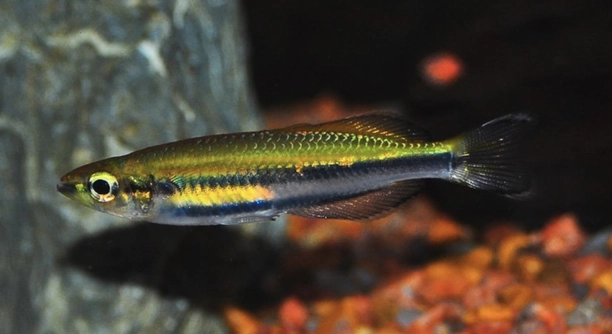
Rainbowfish are lively and colorful additions to any aquarium, but their playful nature can sometimes lead to territorial disputes. Observing their interactions closely can help you understand when boundaries are being challenged.
Territorial disputes in rainbowfish typically manifest through aggressive chasing, fin flaring, nipping, and guarding specific areas within the tank. These behaviors indicate competition for space, dominance, or resources and should be monitored to maintain a balanced aquarium environment.
Recognizing these signs early can help maintain peace in your tank and ensure the well-being of all your rainbowfish companions.
Chasing and Nipping
Rainbowfish often chase each other when defending their space. This behavior is most common in smaller tanks where space is limited. Chasing can range from a quick swim after another fish to repeated aggressive pursuits. Nipping may occur alongside chasing, especially around the fins and tail. These interactions can cause stress and minor injuries if not addressed. It’s important to observe patterns, such as whether the same fish are targeted repeatedly. Providing plenty of hiding spots and visual barriers can reduce tension. Separating overly aggressive individuals might also be necessary to maintain harmony. Over time, fish may establish a pecking order, which reduces constant aggression. However, constant chasing indicates unresolved conflict. Water quality and adequate feeding can also impact aggression levels, as stressed or hungry fish tend to behave more aggressively. Monitoring their behavior closely helps you take action before disputes escalate. A calm environment encourages natural social interactions without harmful conflicts.
Chasing and nipping are clear signs of territorial tension among rainbowfish.
Addressing these behaviors early prevents injury and helps maintain balance in the tank. Observation and careful adjustments are key.
Fin Flaring
Fin flaring is a visual display of dominance. It often occurs when one rainbowfish feels its territory is threatened.
Flaring involves spreading the fins wide and holding the body rigid to appear larger. This is typically accompanied by side-to-side movements and can intimidate other fish. Fish may flare near favorite hiding spots, feeding areas, or around tank decorations they claim as territory. While occasional flaring is natural, constant displays indicate persistent tension and possible aggression. In crowded tanks, flaring can lead to stress, reduced feeding, and vulnerability to disease. Adjusting tank size, rearranging decorations, and providing more hiding spaces can reduce these incidents. Maintaining a balanced group, with compatible sizes and numbers, helps prevent repeated flaring. Monitoring interactions helps identify which fish trigger flaring and allows targeted interventions. Understanding these behaviors ensures your rainbowfish coexist peacefully. Recognizing flaring early is essential for preventing escalation into chasing or nipping, keeping your aquarium environment calm and healthy.
Guarding Specific Areas
Rainbowfish often guard specific areas like plants, rocks, or corners of the tank. This behavior shows they have claimed a territory and want to keep other fish away.
Guarding can be subtle, such as hovering near a favorite spot, or more obvious, including chasing other fish away. Territorial fish may repeatedly patrol the same area, ensuring no intruders approach. They might also flare their fins or swim aggressively near the guarded space. Over time, this behavior can affect the movement and feeding patterns of other fish. Providing multiple areas to explore and hide can reduce tension. Rearranging tank decorations occasionally prevents a single fish from monopolizing a spot. Monitoring which fish guard specific areas helps identify potential aggressors. If necessary, separating overly dominant individuals can restore balance. Understanding these patterns allows you to maintain a calmer, more harmonious aquarium.
Sometimes guarding is mild, but persistent behavior can disrupt the tank’s balance.
Consistent observation and adjustments can prevent conflicts and help all fish feel secure in their spaces.
Changes in Coloration
Stress and aggression can trigger noticeable changes in rainbowfish coloration. When a fish is stressed, its colors may dull, or dominant individuals may display intensified hues.
Color changes are often subtle at first, signaling discomfort or tension. Dominant fish might appear brighter when asserting control, while submissive fish can become paler or striped. This shift can affect feeding behavior, social interactions, and overall health. Factors like overcrowding, limited hiding spots, or competition for food can amplify these changes. Monitoring color shifts helps detect early signs of territorial disputes before physical aggression occurs. Adjusting the environment, providing more space, or separating aggressive fish can help normalize coloration. Recognizing these visual cues ensures timely interventions, preventing stress-related illnesses. Maintaining proper water conditions, adequate nutrition, and a balanced group of fish supports natural coloration and reduces conflict.
Coloration shifts are a key indicator of tension in rainbowfish communities. Observing these changes can prevent escalation.
Sudden Retreats
Rainbowfish may suddenly dart away or hide when another fish approaches their territory. This behavior signals fear or submission in response to aggression.
Frequent retreats indicate ongoing tension. Submissive fish often remain in the background, avoiding open areas and feeding spots. Observing these patterns helps identify dominant individuals causing stress.
Breeding Spots
Rainbowfish often claim specific areas for breeding, which can intensify territorial disputes. Dominant fish guard these spots aggressively, chasing others away to protect potential eggs. Providing separate breeding areas or dense vegetation can reduce conflicts, allowing all fish to feel secure while maintaining reproductive behaviors.
Isolation Behavior
Some rainbowfish isolate themselves, staying apart from the main group. This can be a response to repeated aggression or overcrowding.
Fin Damage
Repeated nipping or chasing often results in torn fins. Damaged fins are a clear sign of unresolved territorial disputes and require attention to prevent infection and further aggression.
FAQ
What causes rainbowfish to become territorial?
Rainbowfish establish territories mainly due to space limitations, competition for food, and natural instincts to protect their preferred areas. Dominance hierarchies naturally form within the tank, and certain individuals may feel the need to guard resources or breeding spots. Overcrowding, lack of hiding spaces, and aggressive companions often intensify this behavior. Ensuring enough room and visual barriers can significantly reduce territorial conflicts, helping all fish coexist more peacefully.
How can I tell if a rainbowfish is stressed from territorial disputes?
Signs of stress include dull coloration, frequent hiding, reduced appetite, erratic swimming, and fin damage from chasing or nipping. Submissive fish often stay at the bottom of the tank or avoid popular areas. Stress can weaken the immune system, making fish more prone to illness. Observing behavior daily allows early intervention, such as rearranging decorations or separating aggressive fish, to reduce tension.
Can territorial behavior harm my rainbowfish?
Yes, unresolved aggression can lead to physical injuries like torn fins, scale damage, or even more severe stress-related illnesses. Constant chasing can cause exhaustion, reduce feeding efficiency, and make fish more susceptible to disease. Preventing fights through environmental adjustments, adequate space, and careful monitoring is essential for maintaining a healthy aquarium.
What tank setup helps minimize territorial disputes?
A well-structured tank with plenty of plants, rocks, and hiding spots gives rainbowfish options to escape or claim separate territories. Using decorations to break lines of sight prevents constant visual contact, reducing aggressive interactions. Larger tanks with open swimming space and multiple feeding areas also lessen competition. Introducing compatible tank mates and maintaining proper stocking levels further minimizes conflict.
Is separating aggressive fish necessary?
Sometimes separating overly dominant individuals is the most effective solution to maintain harmony. This is especially true in small tanks or when one fish repeatedly targets others. Temporary separation allows injured or stressed fish to recover while preventing escalation of aggression. After monitoring behavior, gradual reintroduction may be possible if the environment is adjusted to reduce conflict.
Do rainbowfish aggression levels change over time?
Yes, aggression can fluctuate based on maturity, seasonal behaviors, breeding cycles, and changes in tank conditions. Young fish may establish hierarchies as they grow, while breeding periods often trigger heightened territorial displays. Observing trends in behavior helps anticipate and manage aggression before it becomes harmful to the tank community.
How does diet affect territorial behavior?
Insufficient or inconsistent feeding can increase competition, prompting more chasing and nipping. Providing a balanced diet and multiple feeding points reduces stress and prevents dominant fish from monopolizing food. Feeding small amounts several times a day ensures all fish receive proper nutrition and decreases aggressive encounters during feeding times.
Can rearranging tank decorations reduce disputes?
Yes, rearranging plants, rocks, and other structures changes established territories, breaking up dominant claims. This forces fish to reassess their preferred areas, reducing constant patrols and aggression. Rotating decorations occasionally can prevent long-term dominance and help create a more balanced social structure within the tank.
Are some rainbowfish naturally more aggressive?
Individual temperament varies. Some fish are naturally assertive and more prone to territorial disputes, while others are more passive. Recognizing these differences helps in planning tank composition, ensuring that overly aggressive fish do not overwhelm more submissive companions. Choosing compatible group sizes and species reduces ongoing conflicts.
What steps should I take if aggression escalates?
Monitor the fish closely and identify the aggressor. Increase hiding spots and rearrange the tank if needed. In extreme cases, separate the aggressive fish temporarily. Maintain water quality, provide adequate nutrition, and reduce stressors like overcrowding. Consistent observation and intervention prevent injuries and long-term stress in the tank.
Rainbowfish are lively and engaging creatures, but their territorial behavior can sometimes cause tension in an aquarium. Understanding the signs of disputes, such as chasing, fin flaring, nipping, and guarding specific areas, is important for maintaining a peaceful environment. Observing how individual fish interact helps identify which ones are dominant and which are more submissive. This awareness allows you to take steps to minimize stress and prevent injuries. Providing enough space and creating multiple hiding spots ensures that fish have areas to retreat when needed. Over time, rainbowfish may establish a natural hierarchy, which can reduce frequent aggression. However, constant monitoring is necessary, as repeated disputes can affect the overall health of the tank. Paying attention to changes in behavior, coloration, or feeding patterns is key to recognizing stress before it becomes harmful. By addressing issues early, you can keep your fish active, healthy, and engaged without unnecessary conflict.
Adjusting the tank setup plays a major role in reducing territorial behavior. Adding plants, rocks, or decorations creates visual barriers that help fish feel secure and limit confrontations. Open swimming areas combined with these hiding spots give both dominant and submissive fish room to coexist. Tank size and population density are also important factors. Overcrowding often leads to heightened aggression because space is limited and competition for resources increases. Ensuring that feeding stations are spread out reduces disputes over food, which is another common trigger for aggression. In some cases, separating overly aggressive individuals may be necessary to restore balance in the aquarium. Observation remains critical, as even minor environmental adjustments can significantly improve harmony among the fish. Consistent care and thoughtful planning help maintain a calm and healthy tank, making it more enjoyable to watch your rainbowfish thrive.
Paying attention to rainbowfish behavior promotes a safe and balanced aquatic environment. Stressful situations can impact their health and wellbeing, so early intervention is essential. Recognizing signs such as sudden retreats, isolation, or torn fins allows you to take appropriate action before disputes escalate. Providing a supportive environment with ample space, hiding spots, and proper nutrition reduces the likelihood of conflict. Understanding the natural instincts of your fish helps anticipate behaviors and respond effectively. By monitoring interactions and adjusting the tank as needed, you ensure that all your rainbowfish can coexist peacefully. A well-managed aquarium not only prevents injuries but also encourages natural behaviors, supporting the long-term health and happiness of your fish. Careful attention, patience, and consistent observation are the keys to maintaining a balanced and thriving rainbowfish community.

Hello,
If you enjoy the content that we create, please consider saying a "Thank You!" by leaving a tip.
Every little bit helps us continue crafting quality advice that supports the health, happiness, and well-being of pets around the world, for pets of all shapes, sizes, and species.
We really appreciate the kindness and support that you show us!