
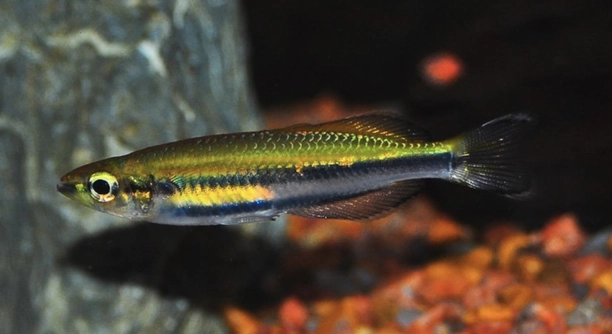
Rainbowfish are small, colorful fish that brighten up any aquarium. Many fish owners enjoy watching them swim and settle in certain areas of the tank. They can appear calm and familiar with their surroundings.
Rainbowfish can show loyalty to a specific spot in an aquarium. They often return to preferred areas for resting, feeding, or social interaction. This behavior reflects their natural instincts to establish territories and feel secure in consistent locations.
Learning about this habit can help create a more comfortable tank environment for your rainbowfish. Observing their patterns may reveal more about their personality and preferences.
How Rainbowfish Choose Their Favorite Spot
Rainbowfish often pick a spot in the tank where they feel safest. This could be near plants, decorations, or a corner with less movement. They tend to return to these areas repeatedly because it gives them a sense of security. Some rainbowfish may prefer spots near the top of the water, while others stay closer to the bottom. Their choice can depend on light, temperature, or the presence of other fish. Watching them closely can reveal patterns, such as returning to a specific hiding place after exploring. This behavior shows they remember their surroundings and recognize familiar areas. By observing these habits, tank owners can provide better environments with enough hiding spots and open swimming areas. Ensuring consistency in the tank setup encourages comfort and reduces stress. Each rainbowfish may have a unique preference, but they all benefit from a space that feels safe and predictable.
Rainbowfish return to familiar spots mainly for comfort, security, and predictable feeding. Their memory helps them recognize safe areas.
Observing their spot loyalty can improve tank care. Knowing where they prefer to be helps with feeding schedules, tank cleaning, and introducing new decorations. It also reduces stress, as sudden changes may confuse them. Creating a consistent environment supports their natural behavior and encourages healthy interactions with other fish. Regular observation builds understanding of their habits.
Factors Influencing Spot Loyalty
Tank layout, lighting, and plant placement affect where rainbowfish stay.
Rainbowfish spot preference is influenced by multiple factors. Lighting affects how safe they feel; bright light may make some fish hide, while others swim freely. Tank decorations like plants and rocks offer shelter and boundaries that make a spot more attractive. Water temperature and flow also play a role, as rainbowfish prefer areas that suit their comfort level. The presence of other fish influences whether they feel secure or need more personal space. Feeding locations often become favored spots because fish associate them with food. Observing these factors helps owners design a tank that encourages natural behavior. Adjustments like adding plants, adjusting lights, or changing water flow can improve their comfort. Paying attention to each fish’s preference ensures they thrive in a stress-free environment, making their favorite spot a stable and safe area for daily activity.
Signs of Loyalty to a Spot
Rainbowfish often return to the same area repeatedly, resting or swimming slowly around it. They may pause near decorations or plants and avoid other parts of the tank for longer periods, showing attachment to their preferred location.
Watching them closely reveals how they interact with their chosen spot. They may explore other areas but frequently return, as if checking that everything is as expected. Spot loyalty can also appear during feeding times, with fish staying near familiar areas while waiting for food. These behaviors indicate comfort, memory, and a sense of territory within the tank.
Sometimes rainbowfish mark their favorite spot by resting near specific objects or corners. They may hover in one area, returning even when the tank is rearranged slightly. Recognizing these patterns helps maintain a stable environment. Spot loyalty is more noticeable in groups, as social interactions reinforce their attachment to familiar locations, and observing these tendencies allows better care and planning for tank layout.
Supporting Spot Loyalty
Providing stable decorations, plants, and hiding spots encourages rainbowfish to remain loyal to certain areas.
Consistent tank conditions, like temperature, lighting, and water flow, help fish feel secure. When their environment changes too often, they may hesitate to settle, increasing stress. Favorite spots become safe zones where they can rest, eat, and interact without feeling threatened. Tankmates also influence their comfort, as compatible fish reinforce a sense of safety around their preferred area.
Adding familiar objects, like rocks or plants, supports spot loyalty. Fish quickly learn which areas are safe and rewarding, returning to them frequently. Observation of their patterns helps adjust placement and feeding routines. By respecting their preferences, you ensure a calm, predictable tank environment that encourages natural behavior and reduces stress. Spot loyalty is not only a sign of comfort but also a reflection of their memory, social habits, and adaptability to a well-maintained aquarium.
Why Some Spots Are Preferred
Rainbowfish often choose areas with plants, rocks, or corners that feel safe. These spots provide shelter from tank currents and create a sense of security for resting or observing their surroundings.
Lighting and water flow also influence their choices. They prefer areas where they can swim comfortably without being disturbed, making certain spots more appealing than others.
How Feeding Influences Loyalty
Feeding patterns can reinforce a rainbowfish’s attachment to a spot. Fish learn where food is usually offered and return to that area regularly, associating it with positive experiences. Consistent feeding in one place strengthens memory and comfort, increasing their loyalty to that location over time.
Observing Individual Preferences
Each rainbowfish has its own favorite spot, which may change over time based on comfort and tank conditions. Regular observation helps identify where they feel safest, making it easier to maintain a stable and stress-free environment for each fish.
FAQ
Can rainbowfish change their favorite spot?
Yes, rainbowfish can change their preferred area in the tank. Changes in lighting, water flow, or decoration placement can make another spot more appealing. Sometimes, adding new plants or rocks can encourage them to explore and choose a different safe area.
Do rainbowfish stay in one spot all day?
Not usually. Rainbowfish move around the tank but often return to their chosen spot. They may explore or interact with other fish but consistently revisit areas where they feel secure and comfortable. Spot loyalty doesn’t mean constant immobility.
Does tank size affect spot loyalty?
Yes, larger tanks may encourage multiple favorite areas, while smaller tanks usually result in a single preferred spot. Providing enough hiding places and swimming room ensures they can feel secure in any section of the tank.
Can other fish influence a rainbowfish’s favorite spot?
Definitely. Tankmates’ behavior can impact where a rainbowfish chooses to stay. Aggressive or dominant fish may push them toward safer corners, while calm, compatible fish help reinforce comfort in a preferred area. Social dynamics play a big role.
How long does it take for rainbowfish to show spot loyalty?
It can vary depending on the fish and tank setup. Some may settle within days, while others may take weeks to repeatedly return to a favorite spot. Consistency in environment and minimal stress help speed up this process.
Does feeding location affect spot loyalty?
Yes, rainbowfish quickly associate food with specific spots. Feeding consistently in one area strengthens attachment to that location. Over time, the fish may return even outside feeding times because it feels safe and rewarding.
Can rearranging the tank affect their favorite spot?
Yes, significant changes can confuse them or make their spot less appealing. Minor adjustments usually don’t cause problems, but large shifts in decoration, plants, or hiding spaces may require time for the fish to adjust and find a new comfort zone.
Do rainbowfish show spot loyalty in groups?
They can. In group settings, fish may choose spots near each other or spread out based on social hierarchy and comfort. Observing interactions helps identify individual preferences and ensures that all fish have safe areas to retreat to.
Is spot loyalty linked to stress levels?
Yes, rainbowfish often cling to certain areas when stressed. Consistent and safe spots provide reassurance, reduce anxiety, and support overall health. Watching their behavior can indicate how comfortable they feel in the tank environment.
Can changes in water parameters influence spot loyalty?
Absolutely. Temperature, pH, and water flow can all affect comfort levels. Rainbowfish may abandon a previously favored spot if conditions become unsuitable, emphasizing the importance of stable, well-maintained water parameters to encourage consistent spot loyalty.
Do rainbowfish have multiple favorite spots?
Some do, especially in larger tanks. They may rotate between a few preferred areas based on activity, feeding, or social interactions. Multiple spots allow them to feel safe while exploring and interacting naturally with their environment.
How can I support spot loyalty effectively?
Provide stable decorations, plants, and hiding places. Maintain consistent water parameters and feeding routines. Observe individual behavior to understand their preferences, and make gradual adjustments when changing the tank layout to preserve comfort and security.
Will spot loyalty affect breeding behavior?
It can. Rainbowfish that feel secure in a particular area may choose it for spawning or resting. Safe, familiar spots support natural behaviors and reduce stress, which encourages reproductive activity in a comfortable environment.
Does age affect spot loyalty?
Yes, younger fish may explore more before settling, while older fish tend to show stronger attachment to familiar areas. Age, experience, and confidence all play a role in how quickly they establish and maintain loyalty to a spot.
Can spot loyalty indicate personality?
Often, yes. Fish that strongly stick to one area may be more cautious or territorial, while those that explore widely might be more confident or social. Observing these tendencies can help tailor the tank environment to suit each fish’s temperament.
How important is observation for supporting spot loyalty?
Observation is key. Noticing which areas are preferred and how behavior changes over time allows adjustments to decorations, feeding, and tankmates. Understanding individual patterns ensures a healthy, stable, and comfortable environment that promotes natural behavior and well-being.
Does spot loyalty change with the seasons?
It can, especially in tanks with natural lighting or varying temperatures. Fish may adjust their preferred areas based on light levels, warmth, or activity patterns. Consistency in core tank conditions helps minimize drastic changes in spot preferences.
Can illness affect spot loyalty?
Yes, sick or stressed fish may cling to specific areas for comfort or hide more frequently. Spot loyalty patterns can indicate health issues, making observation a helpful tool in monitoring their well-being and identifying potential problems early.
How do I know if my rainbowfish is happy with its spot?
A content fish swims calmly, returns often, and interacts normally with tankmates. Healthy eating, regular activity, and relaxed behavior around the chosen area all indicate comfort and satisfaction with the spot.
Can spot loyalty help with tank management?
Yes, knowing preferred areas makes feeding, cleaning, and introducing changes easier. It allows targeted adjustments, reduces stress, and ensures that fish feel secure while maintaining a clean and organized tank environment.
Do rainbowfish prefer the same spot in all tanks?
Not necessarily. Each tank’s layout, size, and conditions influence their choice. A favorite spot in one tank may not appeal in another, so it’s important to observe and adjust to each unique setup to support spot loyalty effectively.
Is spot loyalty common among all rainbowfish species?
Most species show some form of attachment to specific areas, though the degree may vary. Factors like size, temperament, and social behavior influence how strongly they display loyalty, but it is generally a natural trait across the group.
How can I encourage new rainbowfish to pick a spot?
Introduce decorations and hiding places gradually, maintain stable water conditions, and feed consistently in one area. Give them time to explore safely, and they will naturally select spots that feel secure and comfortable.
Can spot loyalty improve social behavior?
Yes, having a secure area allows fish to interact with others confidently. Safe spots reduce stress and aggression, encouraging natural schooling, playful behavior, and harmonious interactions in community tanks.
Does spot loyalty affect energy levels?
Often, yes. Fish with a safe, familiar area expend less energy worrying about threats or navigation. Reduced stress and secure surroundings promote steady energy levels, healthy swimming patterns, and overall well-being.
What role does memory play in spot loyalty?
Memory is essential. Rainbowfish remember where food, shelter, and safety exist, reinforcing repeated visits to specific areas. Their ability to recall safe spots strengthens attachment and helps them feel secure within the tank environment.
Can rearranging decorations gradually support loyalty?
Yes, small, incremental changes allow fish to adapt without stress. Gradual adjustments encourage exploration while maintaining comfort, helping them develop loyalty to updated areas without losing familiarity or confidence in their tank.
How long does spot loyalty last?
Spot loyalty can last weeks, months, or even years if conditions remain consistent. Fish may occasionally explore or adjust, but strong attachment persists when the environment feels safe, predictable, and well-maintained.
Does spot loyalty affect feeding competition?
It can. Fish attached to a specific feeding area may get priority access to food. Observing patterns ensures all fish eat properly and helps manage feeding locations to minimize stress or competition.
Are some spots more important than others?
Yes, safe hiding places or calm corners often hold more value than open swimming areas. Fish rely on these spots for security, rest, and recovery, making them central to comfort and well-being.
Can spot loyalty indicate dominance?
In groups, more confident or dominant fish may claim preferred spots first. Submissive fish adapt to remaining areas. Observing these patterns helps understand social structure and ensures all fish have access to safe zones.
Does lighting affect spot choice?
Yes, rainbowfish prefer areas with light levels that match comfort and activity. Bright light may encourage hiding, while moderate or shaded areas often become preferred, especially for resting and feeding.
Can spot loyalty be disrupted by stress?
Yes, sudden changes, aggressive tankmates, or poor water conditions can cause fish to abandon familiar spots. Reducing stress through stable conditions and observation helps maintain attachment and natural behavior.
How can I track spot loyalty effectively?
Regular observation, notes, and photos help track where fish spend time. Understanding patterns allows better feeding, cleaning, and environmental adjustments, ensuring consistent comfort and security.
Does spot loyalty affect breeding success?
Secure, familiar areas provide ideal conditions for mating behavior. Fish that feel safe in their spot are more likely to display natural reproductive behaviors, increasing chances of successful spawning in home aquariums.
Can spot loyalty vary by time of day?
Yes, rainbowfish may prefer different areas depending on light, feeding, or social activity. Observing morning, afternoon, and evening behavior reveals patterns and supports optimal tank management.
Do rainbowfish remember their favorite spot after being moved?
Often, yes. Fish have good memory for safe areas. After being temporarily relocated or after minor tank changes, they frequently return to previously favored spots once conditions feel secure.
Can spot loyalty indicate environmental preference?
Yes, consistent attachment to certain areas reveals preferred temperature, water flow, and shelter conditions. Observing loyalty provides insight into their ideal tank environment and helps optimize care.
How do I balance multiple fish’s spot preferences?
Provide multiple hiding places and swimming zones. Observe social interactions, and arrange decorations to reduce competition. Ensuring each fish has a safe area supports overall comfort and harmony in the tank.
Can spot loyalty change as fish grow?
Yes, larger or older fish may shift spots to accommodate size, social status, or comfort needs. Continuous observation allows adjustments to maintain a suitable environment throughout growth stages.
Does spot loyalty affect interaction with humans?
Familiar spots often make fish more approachable during feeding or observation. They feel secure, reducing stress and encouraging natural swimming patterns and confident behavior when humans are near.
Can spot loyalty indicate happiness?
Yes, content fish show calm behavior, regular feeding, and confident swimming around their chosen areas. Strong attachment to a safe spot reflects comfort, reduced stress, and well-being in the aquarium environment.
How do I know if a spot is ideal for my rainbowfish?
An ideal spot is consistently visited, allows easy access to food, provides shelter, and encourages normal social behavior. Observation over time confirms suitability and comfort for each individual fish.
Can spot loyalty help with introducing new fish?
Yes, knowing safe areas allows gradual introduction without conflict. New fish can be guided to less occupied spots, reducing stress and helping all fish establish comfort in the tank.
Does water quality affect spot attachment?
Absolutely. Clean, stable water encourages consistent spot loyalty. Poor water conditions may force fish to leave familiar areas, highlighting the importance of proper filtration, temperature, and chemical balance.
Can spot loyalty be affected by tank decorations?
Yes, placement, type, and size of decorations influence preferred spots. Fish use these items for shelter, boundaries, and visual markers, making thoughtful arrangement essential for supporting loyalty and natural behavior.
Do rainbowfish show different loyalty levels individually?
Yes, personality, age, and confidence affect attachment. Some fish may strongly cling to a single spot, while others rotate between multiple areas. Observation helps understand each fish’s tendencies and adjust tank conditions accordingly.
Can spot loyalty indicate compatibility with tankmates?
Yes, fish that feel secure around certain tankmates are more likely to return to shared areas. Observing interactions and spot choices helps manage social balance and reduce aggression or stress in the aquarium.
How often should I monitor spot loyalty?
Daily or several times per week is ideal. Frequent observation ensures you notice changes due to tank conditions, health, or social dynamics, allowing timely adjustments to support comfort and natural behavior.
Is spot loyalty permanent?
Not always. It can persist for months or years, but environmental changes, growth, and social dynamics may lead to new preferences. Consistency helps maintain long-term loyalty.
Does spot loyalty affect overall health?
Yes, secure spots reduce stress, support regular feeding, and encourage natural swimming patterns, all contributing to better physical and mental well-being for rainbowfish.
Can spot loyalty be used to design a better tank?
Absolutely. Observing preferences informs placement of plants, decorations, and feeding zones. A well-designed tank respects their habits, reduces stress, and enhances overall comfort for all fish.
How do I encourage a new rainbowfish to pick a spot?
Provide hiding spots, consistent feeding, and stable conditions. Give time to explore safely, and they will naturally choose areas that feel secure, gradually developing loyalty.
Does spot loyalty change during social interactions?
Yes, fish may temporarily shift areas to avoid conflict or follow preferred tankmates. Understanding these dynamics helps maintain harmony while supporting individual comfort and security.
Can spot loyalty predict behavior in the tank?
Often, yes. Regular attachment to specific areas can indicate temperament, comfort levels, and preferred interactions, providing insight for better tank management and care strategies.
Do rainbowfish communicate through spot choice?
Indirectly, yes. Where they spend time can signal social status, comfort, and boundaries to other fish, influencing interactions and group behavior.
Can spot loyalty be a sign of trust in the tank environment?
Yes, consistent attachment shows they feel safe, secure, and confident, indicating that the tank environment meets their needs and supports natural behavior.
How can I adjust feeding or cleaning without disrupting loyalty?
Use gradual, consistent methods and maintain familiar areas. Minor changes done carefully allow fish to retain attachment to spots while keeping the tank clean and feeding predictable.
Is spot loyalty influenced by temperature changes?
Yes, rainbowfish seek areas with optimal warmth or cooler zones depending on comfort. Stable temperature helps maintain consistent attachment and reduces stress.
Can spot loyalty vary by species within rainbowfish?
Yes, different species may show stronger or weaker attachment based on temperament, size, and social behavior, but all generally display some form of preferred area in a well-maintained tank.
Does spot loyalty help with stress reduction?
Absolutely. Returning to a familiar, safe area reduces anxiety, encourages normal behavior, and supports overall physical and mental health in the aquarium environment.
Can spot loyalty guide tank layout improvements?
Yes, observing where fish spend most time helps identify ideal spots for plants, decorations, and feeding zones, allowing adjustments that enhance comfort and natural behavior.
How do I know when a rainbowfish’s spot loyalty is changing?
Noticeable shifts in resting, feeding, or swimming patterns indicate changes. Observation over time helps identify whether adjustments are needed to maintain comfort and security.
Does spot loyalty influence schooling behavior?
Yes, fish often gather near familiar areas with preferred tankmates, supporting natural schooling and social behavior. Recognizing patterns helps manage tank harmony and space distribution.
Can stress or illness cause temporary loss of spot loyalty?
Yes, discomfort may force fish to abandon familiar spots. Observing unusual behavior helps identify health issues or environmental problems early, allowing corrective action.
Does spot loyalty return after illness?
Often, yes. Once health is restored and stressors removed, fish usually resume attachment to previous safe areas, reflecting recovery and comfort.
Can spot loyalty help with breeding success?
Yes, safe, familiar spots encourage natural behaviors needed for spawning, providing security and reducing stress during reproductive activity.
Does spot loyalty vary with age?
Younger fish may explore more, while older fish show stronger attachment. Age influences confidence, memory, and comfort, shaping spot preferences over time.
Can observation of spot loyalty improve feeding routines?
Yes, knowing where fish prefer to be helps plan feeding locations and timing, ensuring all fish eat comfortably without stress or competition.
Does spot loyalty indicate environmental satisfaction?
Yes, consistent attachment signals comfort with water parameters, tank layout, and social dynamics, guiding adjustments for optimal living conditions.
Can spot loyalty assist in tank management?
Absolutely. Observing preferred areas helps with feeding, cleaning, decoration placement, and monitoring health, making tank care more efficient and stress-free for fish.
Does spot loyalty ever fade completely?
Rarely, unless the environment changes drastically. Minor adjustments usually result in temporary shifts, with attachment returning once conditions stabilize.
How do I encourage safe exploration while maintaining spot loyalty?
Provide gradual changes, new decorations, and consistent feeding. This allows fish to explore safely while keeping attachment to familiar areas intact.
Can spot loyalty help identify social hierarchy?
Yes, dominant fish may occupy prime areas while others adapt to remaining spots. Observing patterns informs management of tank dynamics and space allocation.
Does spot loyalty affect energy conservation?
Yes, secure, familiar spots reduce stress, allowing fish to conserve energy for swimming, feeding, and social interactions, promoting overall health.
Can spot loyalty predict behavior under stress?
Often, yes. Fish may cling more strongly to safe areas or avoid exploration, signaling discomfort or environmental changes requiring attention.
Does spot loyalty indicate long-term well-being?
Yes, consistent attachment to safe, comfortable areas reflects reduced stress, proper environmental conditions, and overall happiness in the tank.
Can spot loyalty change with lighting adjustments?
Yes, fish may prefer shaded or differently lit areas depending on comfort. Gradual adjustments help them adapt without losing attachment.
How can I balance multiple fish’s spot preferences?
Provide multiple hiding places, distribute food carefully, and observe interactions. Ensuring each fish has access to a comfortable area supports harmony and reduces stress.
Does spot loyalty influence interactions with humans?
Yes, fish familiar with certain areas may feel more comfortable near humans during feeding or observation, showing confident and relaxed behavior.
Can spot loyalty be used to detect environmental issues?
Yes, sudden changes in attachment may indicate water quality problems, illness, or stress, allowing timely intervention to restore comfort and security.
How long does it take for new fish to develop spot loyalty?
It varies, but generally days to weeks. Stable conditions, consistent feeding, and safe hiding areas encourage faster attachment and comfort.
Does spot loyalty vary by time of day?
Yes, fish may favor different areas depending on light, feeding, or activity levels. Observing patterns throughout the day supports proper care.
Can spot loyalty guide placement of decorations?
Absolutely. Preferred areas indicate where fish feel safe, helping decide optimal placement of plants, rocks, and feeding zones for comfort and natural behavior.
How do I maintain spot loyalty during tank cleaning?
Use gentle methods, preserve familiar objects, and avoid sudden changes. Gradual cleaning maintains attachment while keeping the tank hygienic.
Can spot loyalty affect feeding hierarchy?
Yes, fish attached to prime feeding areas may access food first. Observing patterns helps ensure fair distribution and reduce competition.
Does spot loyalty indicate confidence?
Often, yes. Fish comfortable returning to their preferred area show security, memory, and adaptation to their environment, reflecting confidence and well
Final Thoughts
Rainbowfish are fascinating creatures, not just because of their colors, but also because of how they interact with their environment. Their tendency to return to a favorite spot shows a mix of instinct, memory, and comfort. This behavior is a natural way for them to feel secure and safe in a tank. By observing these patterns, owners can understand their fish better and provide an environment that meets their needs. Spot loyalty is not just a random habit—it is a reflection of how rainbowfish perceive their surroundings and feel protected in a familiar place. Providing consistent water conditions, suitable decorations, and stable lighting encourages them to develop and maintain these habits, which in turn helps them feel more comfortable and less stressed.
Creating a tank that supports spot loyalty is relatively simple but requires attention. Safe hiding spots, plants, and stable decorations allow rainbowfish to explore without feeling threatened. Their preferred areas may vary depending on light, water flow, and interactions with other fish. Feeding location also plays a role, as rainbowfish associate certain spots with food and return to them regularly. Observing where fish spend their time can guide adjustments to the tank layout, ensuring each fish has a safe, comfortable area. This is especially helpful in community tanks where multiple fish need their own secure spaces. Maintaining a consistent routine and avoiding sudden changes allows rainbowfish to remain confident in their environment. Understanding their attachment to specific areas can also help in identifying stress, illness, or discomfort early, as changes in behavior are often the first sign of a problem.
Spot loyalty also reflects personality differences among rainbowfish. Some may cling strongly to a single area, while others rotate between a few favorite spots. Age, size, and social behavior all play a role in how they choose their preferred locations. Observing these patterns can help owners better understand individual fish and adjust care accordingly. It is also helpful when introducing new fish, as knowing where the established fish feel safe allows smoother integration. Overall, spot loyalty is an important part of a rainbowfish’s life. Supporting this behavior contributes to their overall well-being, reduces stress, and encourages natural behavior. By paying attention to where rainbowfish feel comfortable and how they interact with their environment, owners can provide a more harmonious, healthy, and engaging aquarium. Understanding and respecting their preferences ensures they thrive in a space that feels safe, familiar, and enriching.

Hello,
If you enjoy the content that we create, please consider saying a "Thank You!" by leaving a tip.
Every little bit helps us continue crafting quality advice that supports the health, happiness, and well-being of pets around the world, for pets of all shapes, sizes, and species.
We really appreciate the kindness and support that you show us!