
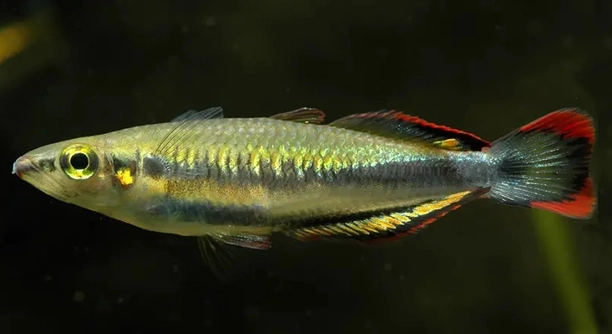
Keeping a rainbowfish tank healthy requires attention to more than just water changes and feeding schedules. Many hobbyists enjoy decorating their tanks but may unknowingly introduce elements that stress the fish. Proper care ensures vibrant, active rainbowfish.
Adding incompatible fish, sharp decorations, or untreated plants can harm rainbowfish. Chemical treatments, excessive ornaments, poor-quality substrate, and sudden temperature changes also negatively impact their health. Avoiding these factors maintains a stable, safe, and thriving aquatic environment.
Understanding what to leave out of your tank can improve your rainbowfish’s lifespan and overall well-being. These simple adjustments make a noticeable difference in creating a harmonious and visually appealing tank.
Incompatible Tank Mates
Introducing fish that don’t get along with rainbowfish can create constant stress. Aggressive or territorial species may nip fins or chase them, causing injuries. Even fish that seem peaceful may compete for food or hide excessively, which affects rainbowfish behavior. Stress weakens their immune system, making them more susceptible to disease. Careful research about compatibility is essential before adding any new species. Avoiding aggressive species, slow feeders, or overly large fish helps maintain harmony. Always observe interactions in a quarantine tank if possible to reduce risk. Proper tank mates contribute to a calmer, healthier environment and allow rainbowfish to display natural colors and behaviors without interference.
Rainbowfish thrive best with peaceful, similar-sized fish that share comparable water requirements and activity levels.
Keeping rainbowfish with aggressive or overly dominant species can lead to injuries, constant stress, and poor growth. Selecting compatible tank mates ensures their social structure remains intact and allows them to flourish naturally. Small community fish or other rainbowfish varieties are often safest.
Sharp Decorations
Sharp or rough decorations can injure rainbowfish, especially along their delicate fins. Rocks, jagged ornaments, or broken pieces of decor may cause cuts, infections, or fin rot. Avoid materials that are brittle or could chip over time, as even minor wounds may develop complications. Smooth stones, driftwood, and rounded ornaments provide safe surfaces while still creating visual interest. Decorations should also leave plenty of open swimming space, as rainbowfish are active swimmers. Stress and injuries from unsafe decorations can lead to changes in behavior, reduced appetite, and overall health decline. Thoughtful placement of safe items enhances the tank’s appeal while keeping fish protected. Always rinse and inspect new decorations thoroughly before introducing them.
Choosing smooth, safe items preserves rainbowfish health and reduces the likelihood of injury, creating a secure and comfortable habitat.
Overcrowding the tank with sharp or rough objects may limit swimming space, increasing stress and aggression. By selecting safe decorations, you allow rainbowfish to explore naturally and maintain their vibrant colors. Rounded or polished surfaces are ideal, providing both aesthetics and protection. Keeping the environment simple, yet interesting, ensures fish remain active, healthy, and visually striking. It is important to balance decoration with open space to promote natural behavior and reduce the risk of accidents. Observing how fish interact with each item helps adjust placement for safety. Safe decor contributes not only to their well-being but also to an attractive and stable tank environment.
Untreated Plants
Untreated live plants can introduce pests, parasites, or chemicals into the tank. Rainbowfish are sensitive to changes in water quality, and harmful organisms or residues can cause illness quickly. Always rinse, quarantine, or treat new plants before adding them to the aquarium.
Live plants often carry snails, algae, or bacteria that may harm rainbowfish. Even plants from trusted stores can harbor microscopic parasites or pesticides from fertilizers. Quarantining or dipping plants in a safe solution reduces risks. Additionally, plants with sharp edges or thin leaves may tear fins, so selecting robust, smooth-leafed varieties is safer. Healthy plants provide oxygen, hiding spots, and a natural environment, but untreated or unsafe plants counteract these benefits and can lead to stress or disease in fish. Proper preparation ensures plants contribute positively to tank health.
Rinsing and trimming plants carefully helps avoid accidental introduction of toxins or pests. Observing fish after adding plants ensures early detection of issues, maintaining a stable, safe habitat. Healthy vegetation supports both the tank ecosystem and rainbowfish activity, creating a balanced, thriving environment.
Chemical Additives
Excessive chemical additives like water conditioners, fertilizers, or medications can disrupt water balance. Rainbowfish are sensitive to changes in pH, hardness, or chemical levels, so overuse may stress or harm them. Moderation and careful measurement are essential.
Using chemicals without proper guidance can cause long-term health problems. Some water conditioners alter pH or remove beneficial minerals, affecting fish metabolism. Fertilizers for plants may introduce nitrates or phosphates that accumulate quickly. Medications should only be used for diagnosed illnesses, as incorrect dosages can harm rainbowfish or beneficial bacteria in the tank. Always follow instructions and test water regularly. Natural alternatives, like plant filtration and partial water changes, reduce the need for heavy chemical use while maintaining a stable environment. Minimal intervention often results in healthier, more active fish.
Monitoring chemical levels consistently prevents sudden fluctuations that stress fish. Combining careful water management with selective additives protects rainbowfish while supporting plant growth. Controlled use ensures the aquarium remains balanced, allowing fish to thrive naturally. Regular testing, measured dosing, and observing fish behavior are key practices to prevent unintended harm from chemical exposure.
Overcrowding
Too many fish in a rainbowfish tank increases stress and competition for food. Crowding reduces swimming space and can lead to aggression or injury. Proper stocking levels are crucial for a balanced and healthy aquarium environment.
Overcrowding also impacts water quality. Waste builds up faster, raising ammonia and nitrate levels, which are harmful to rainbowfish. Limited space can cause weak or stunted growth, and fish may hide excessively or show signs of illness. Keeping the tank lightly stocked helps maintain clean water and allows rainbowfish to swim freely, display natural behaviors, and thrive without constant stress.
Poor-Quality Substrate
Using the wrong substrate can affect water chemistry and fish health. Sharp gravel or unstable sand may injure fish or trap debris, causing bacterial growth. Choosing smooth, non-toxic substrate helps maintain water stability and reduces stress for rainbowfish.
Sudden Temperature Changes
Rainbowfish are sensitive to rapid shifts in water temperature. Fluctuations can weaken their immune system and trigger illness. Maintaining consistent, appropriate temperatures ensures fish remain active, healthy, and stress-free.
What are the most important things to avoid adding to a rainbowfish tank?
The main items to avoid include aggressive or incompatible fish, sharp decorations, untreated plants, chemical additives, overcrowding, poor-quality substrate, and sudden temperature changes. Each of these factors can negatively affect the health, behavior, and overall well-being of rainbowfish. Aggressive tank mates may stress or injure them, sharp decorations can cause cuts, untreated plants may introduce pests or toxins, and excessive chemicals can disrupt water chemistry. Overcrowding leads to stress and poor water quality, while unsafe substrate or sudden temperature shifts can weaken their immune system. By carefully controlling these elements, you can create a stable, safe, and thriving environment for rainbowfish. Paying attention to each factor individually ensures that your fish remain healthy, active, and vibrant.
Can rainbowfish live with other species?
Yes, but only with carefully selected species. Rainbowfish are generally peaceful and do best with other non-aggressive fish that share similar water parameters. Small schooling fish, certain tetras, danios, and other rainbowfish species are often compatible. Avoid larger or aggressive species that may chase, nip, or dominate them. Even seemingly calm fish can become territorial, especially in a small tank. Observing interactions before permanently introducing new fish is helpful. A quarantine tank can allow you to test compatibility safely, reducing stress and injuries. The goal is to maintain a calm, harmonious community where rainbowfish can swim freely and display natural behaviors without fear.
How do untreated plants affect rainbowfish?
Untreated plants can carry snails, algae, pesticides, or parasites, all of which may harm rainbowfish. Even plants from reputable sources may have hidden contaminants. Rinsing, quarantining, or dipping plants in a safe solution before adding them helps reduce these risks. Plants with sharp or fragile leaves can also tear fins. Safe, robust plants provide oxygen, hiding spots, and a natural environment without threatening fish health. Monitoring fish behavior after adding new plants ensures early detection of problems. Maintaining healthy vegetation supports the tank’s ecosystem, keeps water quality stable, and allows rainbowfish to thrive without stress or injury. Proper plant care is essential to creating a balanced, safe habitat.
What risks come with chemical additives?
Chemical additives like water conditioners, fertilizers, or medications can disrupt water balance if overused. Rainbowfish are sensitive to changes in pH, hardness, and chemical levels, so improper dosing may cause stress or illness. Water conditioners may alter essential mineral levels, fertilizers can increase nitrates or phosphates too quickly, and medications can harm fish or beneficial bacteria when used incorrectly. Testing water regularly and following instructions carefully prevents these problems. Many issues can be managed with partial water changes, proper filtration, and minimal intervention. Controlled use of additives ensures the tank remains stable and safe, allowing rainbowfish to maintain their health and vibrant appearance.
How can overcrowding affect rainbowfish?
Overcrowding reduces swimming space, increases aggression, and raises stress levels. Competition for food may leave weaker fish underfed, while waste accumulation degrades water quality. High levels of ammonia and nitrates can lead to illness and stunted growth. Lightly stocking the tank and maintaining proper filtration minimizes these risks. Adequate swimming space allows rainbowfish to display natural behavior and maintain bright colors. Stress-free environments also improve immune function, making fish less susceptible to disease. Observing social interactions and adjusting stocking levels ensures a calm, healthy community. Proper planning of population density is essential for creating a safe, thriving rainbowfish tank.
Why is substrate choice important?
Substrate affects water chemistry, debris accumulation, and fish safety. Sharp gravel or unstable sand can injure rainbowfish or trap waste, promoting bacterial growth. Smooth, non-toxic substrate provides a stable base and reduces risk of cuts or infections. Certain substrates also influence pH and hardness, so selecting the right type ensures stable water conditions. Substrate can affect plant growth, which in turn impacts oxygen levels and overall ecosystem balance. A well-chosen substrate keeps the tank clean, safe, and visually appealing. Regular maintenance, such as vacuuming debris, preserves water quality and supports rainbowfish health. Proper substrate choice contributes directly to a thriving, stress-free environment.
How do sudden temperature changes impact rainbowfish?
Rainbowfish are sensitive to rapid water temperature fluctuations. Sudden increases or drops can weaken their immune system and trigger illness. Maintaining consistent temperature is essential, especially during water changes or seasonal shifts. Using a reliable heater, thermometer, and gradual acclimation techniques helps prevent shock. Even small fluctuations can increase stress, affecting behavior, appetite, and coloration. Stable temperatures support normal metabolic processes and overall activity levels. Monitoring water regularly and making slow adjustments ensures a healthy environment. Consistency in temperature is as important as water quality, feeding, and tank mates, providing rainbowfish with a safe and comfortable habitat.
What is the best way to maintain a safe rainbowfish tank?
Focus on careful planning and regular maintenance. Avoid incompatible fish, sharp or untreated decorations, chemical overuse, overcrowding, poor substrate, and temperature swings. Monitor water parameters daily, perform partial water changes, and observe fish behavior closely. Quarantine new plants and fish when possible. Create a calm environment with adequate swimming space, smooth decorations, and healthy plants. Maintaining these routines reduces stress, prevents disease, and encourages natural behavior. Selecting compatible species, preparing decorations properly, and using safe additives help protect rainbowfish from preventable harm. Regular observation ensures early detection of problems, allowing timely adjustments. A consistent, attentive approach keeps the tank stable, vibrant, and healthy.
This FAQ provides guidance for common rainbowfish care challenges, emphasizing practical steps to avoid risks and create a safe, thriving environment. Following these strategies ensures long-term health, activity, and visual vibrancy in your aquarium.
Caring for rainbowfish involves more than just feeding them and changing their water. Their health and happiness depend on the environment we create for them. Every choice, from the fish we add to the decorations and plants we place in the tank, affects their well-being. Avoiding aggressive or incompatible fish is essential because rainbowfish are peaceful by nature. Aggression or constant chasing can stress them, weaken their immune system, and even cause injuries. Observing interactions and keeping only compatible species ensures that rainbowfish can swim freely and display their natural colors without fear. The tank should allow plenty of open space for movement while also offering hiding spots with smooth, safe decorations. Sharp objects, overcrowded spaces, and untreated plants can cause cuts, infections, or introduce pests that negatively affect the entire tank environment. Paying attention to these details helps maintain balance and stability in the aquarium, which is critical for rainbowfish to thrive.
Water quality is another key factor in rainbowfish care. Using chemical additives without careful measurement can disrupt water parameters, causing stress or illness. Fertilizers for plants, water conditioners, and medications should be applied carefully and only when necessary. Overuse can harm both the fish and the beneficial bacteria that keep the tank ecosystem healthy. Temperature changes should also be monitored closely, as rainbowfish are sensitive to sudden fluctuations. Consistent temperature, proper filtration, and regular partial water changes help maintain a stable environment. Even seemingly minor issues like the wrong substrate or untreated plants can introduce toxins or bacteria that affect fish health. A smooth, non-toxic substrate and well-prepared plants support not only the aesthetic of the tank but also its overall safety and cleanliness. Taking time to consider each of these factors ensures a healthier, more comfortable space for rainbowfish to live.
Finally, the well-being of rainbowfish comes from consistent observation and thoughtful care. Watching how fish behave, adjusting the environment as needed, and maintaining regular maintenance routines are all part of responsible ownership. By avoiding stressors such as incompatible tank mates, sharp objects, overcrowding, and sudden chemical or temperature changes, we create a more peaceful and stable environment. Safe, high-quality decorations, smooth substrate, and healthy, prepared plants add to the security and enjoyment of the tank. While it may seem like small details, these choices collectively make a significant difference in the longevity, activity, and natural vibrancy of rainbowfish. Over time, the care we put into the tank results in happier, healthier fish that display their full colors and natural behaviors. By focusing on prevention, observation, and a calm, stable environment, we can provide a rainbowfish tank that is both safe and visually appealing, ensuring a positive experience for both the fish and those maintaining the aquarium.

Hello,
If you enjoy the content that we create, please consider saying a "Thank You!" by leaving a tip.
Every little bit helps us continue crafting quality advice that supports the health, happiness, and well-being of pets around the world, for pets of all shapes, sizes, and species.
We really appreciate the kindness and support that you show us!