
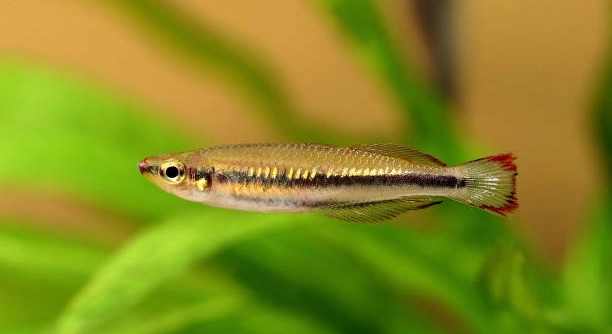
Rainbowfish are bright, active fish that many people enjoy keeping in home aquariums. They thrive in clean water and a calm environment, making them both fun to watch and relatively easy to care for.
Rainbowfish are indeed sensitive to water chemistry. Maintaining stable pH, hardness, and temperature levels is crucial for their health. Fluctuations in these factors can stress the fish, affect growth, and even lead to illness or death.
Learning about their water needs can make a big difference in keeping rainbowfish healthy and vibrant in any tank.
Understanding Rainbowfish Water Preferences
Rainbowfish need stable water conditions to stay healthy and colorful. I learned early on that sudden changes in pH or hardness can stress them, making them shy or inactive. Most rainbowfish do well in slightly alkaline water with a pH around 7 to 8, but consistency matters more than exact numbers. Temperature should remain steady, usually between 74°F and 82°F, as fluctuations can weaken their immune systems. I noticed my fish became more active when I tested the water regularly and made small, gradual adjustments. Using a gentle filter helps maintain clean water without creating strong currents that can tire them out. While they are adaptable, rainbowfish show the best colors and behaviors in a balanced environment. Plants, hiding spots, and moderate lighting also contribute to their comfort, giving them places to explore or rest without added stress. Paying attention to these details has made my tank more lively and peaceful.
Maintaining proper water chemistry keeps rainbowfish healthy and reduces stress. Consistency is more important than perfection.
Good water conditions encourage active swimming, vibrant colors, and natural behaviors, making the tank a more enjoyable place for both fish and caretaker.
Common Water Chemistry Issues
Hard water or rapid pH changes can cause rainbowfish stress. Even small shifts may affect their appetite or make them hide more than usual. Regular testing helps catch problems early before they become serious.
One major issue is ammonia and nitrate buildup. Uneaten food and waste release these compounds, which can harm rainbowfish quickly. I found that weekly water changes and careful feeding greatly reduced these risks. Another problem is sudden changes in water hardness or pH when adding tap water. Using a water conditioner and gradually adjusting the water helps prevent shock. Over time, consistent attention to these details creates a stable environment that rainbowfish thrive in. Plants, gentle filtration, and observing behavior regularly are all simple steps that keep the tank balanced. By addressing these water factors, you can avoid health problems and help rainbowfish display their natural colors and energy. Stability is key, and small, consistent efforts make a big difference in maintaining a healthy aquarium.
Monitoring pH Levels
Maintaining a stable pH is essential for rainbowfish health. Sudden shifts can stress them and affect their behavior. I always test the water at least twice a week to ensure it stays within the ideal range of 7 to 8.
I once had a tank where the pH dropped too quickly after a heavy rain. The rainbowfish became sluggish and hid most of the time. Gradually adjusting the water back to the ideal pH and doing partial water changes helped them recover. I learned that using a reliable test kit and avoiding sudden chemical additives makes a big difference. Keeping notes on pH readings helps track trends over time and prevents future problems.
A stable pH also supports beneficial bacteria that keep the tank clean. Rainbowfish thrive in consistent conditions, showing better colors and swimming patterns. Regular monitoring and small adjustments have made my tank calmer and healthier, and I notice the fish are more active and social when the water chemistry is stable.
Water Hardness and Mineral Balance
Water hardness affects rainbowfish health and coloration. Soft or very hard water can cause stress, so I measure it regularly to maintain moderate hardness.
I once added new water that was too soft, and my rainbowfish started losing some of their bright colors. Gradual changes to balance calcium and magnesium levels helped restore their vibrancy. Using a mix of treated tap water and a mineral supplement created a more stable environment. I realized that keeping hardness consistent is as important as monitoring pH. Sudden fluctuations often lead to disease or reduced activity. By paying attention to mineral content, the fish remain active and colorful.
Balanced minerals support growth, breeding, and overall vitality. Rainbowfish respond quickly to proper water hardness, showing better appetite and natural behavior. Tracking hardness over time and making incremental adjustments has improved my tank’s overall stability, making the fish feel secure.
Temperature Stability
Rainbowfish need steady temperatures between 74°F and 82°F. Sudden changes can stress them and weaken their immune system. I always use a reliable heater and thermometer to maintain consistency.
I noticed my rainbowfish became more active and colorful once the water temperature stayed stable. Fluctuations made them hide more and eat less, showing how sensitive they are to heat changes.
Ammonia and Nitrite Control
Ammonia and nitrites are harmful even at low levels. Uneaten food and fish waste can quickly raise these toxins. I test the water regularly and perform weekly partial water changes to keep levels safe. Maintaining a clean filter also reduces buildup, ensuring rainbowfish remain healthy and active.
Observation and Behavior
Watching rainbowfish daily helps catch problems early. Changes in swimming, hiding, or color often indicate water chemistry issues, prompting timely adjustments and care.
What pH level is best for rainbowfish?
Rainbowfish generally do well in slightly alkaline water, with a pH between 7.0 and 8.0. I found that keeping the pH stable within this range is more important than hitting an exact number. Sudden changes can stress them, causing them to hide or lose their vibrant colors. Regular testing twice a week and slow adjustments help maintain stability, which keeps the fish active and healthy.
How often should I test water chemistry?
I test my rainbowfish tank at least twice a week for pH, hardness, ammonia, nitrites, and nitrates. These parameters can change quickly due to feeding, evaporation, or water additions. Frequent testing helps me notice trends early. When I skip testing for too long, I sometimes see subtle changes in fish behavior or color before they become serious problems. Recording results also helps me adjust slowly, avoiding sudden shocks that could harm the fish.
Can rainbowfish tolerate hard or soft water?
Rainbowfish prefer moderately hard water. Very soft or extremely hard water can cause stress, poor coloration, and even health issues. I once added water that was too soft, and my fish became less active. Adjusting hardness slowly with mineral supplements restored their vibrancy. Consistency is more important than perfection; minor variations are usually fine if changes are gradual. Soft water might be fine short-term, but I always aim for a balanced environment for long-term health.
What temperature is ideal for rainbowfish?
Rainbowfish thrive in temperatures between 74°F and 82°F. I use a reliable heater and thermometer to maintain a consistent temperature. Sudden drops or spikes stress the fish, weaken their immune systems, and can make them more susceptible to disease. I’ve noticed that when temperatures are steady, the fish display brighter colors, swim actively, and interact more. Keeping water within this range also supports breeding and overall vitality.
How do ammonia and nitrites affect rainbowfish?
Even small amounts of ammonia or nitrites are harmful to rainbowfish. I once neglected water changes, and the fish became lethargic and showed slight gill damage. Regular testing and weekly partial water changes prevent dangerous buildup. A clean, well-maintained filter also helps. Ammonia and nitrites interfere with oxygen uptake, making the fish stressed and prone to illness. Managing these compounds keeps rainbowfish energetic, healthy, and vibrant.
Is water hardness linked to rainbowfish coloration?
Yes, mineral content affects both health and coloration. I’ve seen rainbowfish lose some of their vibrancy in very soft water. Balanced calcium and magnesium levels support strong bones, healthy scales, and brighter colors. Using a mineral supplement and consistent water changes helps maintain stable hardness. Fish respond quickly to proper mineral balance, swimming actively and showing natural behaviors. Stability in water chemistry is key for long-term color and vitality.
How can I prevent water chemistry problems?
Routine maintenance is essential. I feed only what the fish can eat, remove leftover food, perform regular water changes, and monitor parameters carefully. Using a water conditioner when adding tap water prevents sudden pH or hardness changes. Observing behavior daily helps catch early signs of stress. Gradual adjustments and consistency make a huge difference. I learned that small, regular efforts keep rainbowfish healthy far better than occasional large interventions.
Do plants help maintain water chemistry?
Yes, live plants absorb some nitrates and help stabilize the tank. I noticed that tanks with plants have slightly more stable pH and fewer sudden chemical spikes. Plants also provide hiding spots, which reduces stress. Combining filtration, regular testing, and planted areas makes it easier to keep water conditions consistent, giving rainbowfish a safe and comfortable environment.
How quickly do rainbowfish react to water changes?
Rainbowfish are sensitive and often respond within hours to large changes in pH, hardness, or temperature. I once did a rapid water change and observed hiding and decreased activity. Gradual changes over a few days prevent shock and stress. Consistency allows the fish to remain active, feed normally, and display natural colors, which is essential for long-term health.
What are signs that water chemistry is off?
Hiding, loss of color, reduced appetite, or sluggish swimming often indicate water issues. I check these behaviors daily and test water immediately if I notice changes. Early detection allows for small corrections before problems worsen. Observing behavior alongside regular testing ensures rainbowfish stay healthy and comfortable in the aquarium environment.
This FAQ covers the main aspects of rainbowfish water care. Proper monitoring, gradual adjustments, and routine maintenance keep rainbowfish active, colorful, and healthy, making the aquarium a stable and enjoyable environment.
Maintaining healthy water conditions is essential for rainbowfish to thrive. Over the years, I’ve learned that they are sensitive to even small changes in pH, hardness, and temperature. Sudden fluctuations can stress them, reduce their activity, and even affect their immune system. Consistency is more important than perfection. A steady environment allows rainbowfish to swim freely, display their bright colors, and behave naturally. Paying attention to water chemistry is not just about keeping the fish alive—it’s about supporting their overall well-being and making sure they live in a comfortable and safe environment. Small, regular efforts like testing water, performing partial changes, and keeping an eye on fish behavior go a long way toward maintaining stability.
Regular monitoring is one of the most effective ways to prevent problems. I test pH, hardness, ammonia, nitrites, and nitrates at least twice a week. Tracking these levels helps me notice trends and avoid sudden shocks to the fish. Using a reliable thermometer and heater ensures that temperature stays within the ideal range, while a gentle filter keeps water clean without creating too much current. I also found that live plants and proper tank maintenance contribute to stability. Removing uneaten food, cleaning the substrate, and avoiding overfeeding all help control ammonia and nitrite levels. Over time, these consistent habits create a balanced environment where rainbowfish are active, healthy, and less prone to disease.
Understanding water chemistry has made a noticeable difference in my aquarium. Rainbowfish are more vibrant and display natural behaviors when their environment is stable. I’ve noticed they eat better, interact more, and seem calmer overall. It’s rewarding to see them thrive because of simple, consistent care. Water chemistry may seem technical at first, but once the routines are in place, it becomes easier to manage. Taking small, regular steps ensures that rainbowfish can live long, healthy lives in a tank that closely mimics their natural conditions. Consistency, observation, and gradual adjustments are the keys to successful rainbowfish care, and these practices help make every tank a lively and healthy space.

Hello,
If you enjoy the content that we create, please consider saying a "Thank You!" by leaving a tip.
Every little bit helps us continue crafting quality advice that supports the health, happiness, and well-being of pets around the world, for pets of all shapes, sizes, and species.
We really appreciate the kindness and support that you show us!