
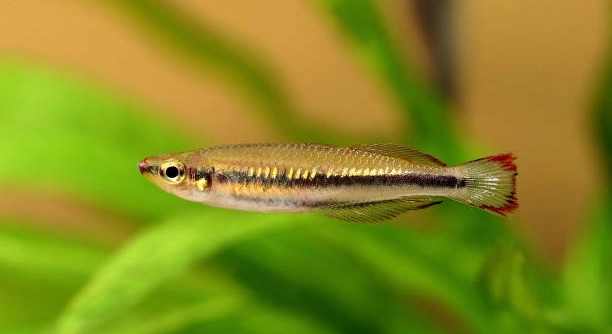
Have you ever watched rainbowfish swimming calmly, only to suddenly flash bright colors across their scales? These small, shimmering fish can change appearance in an instant, catching the eye of anyone observing them in their tank or in the wild.
Rainbowfish flash their colors suddenly primarily as a form of communication and defense. This rapid color change signals aggression, mating readiness, or territorial claims, and can also confuse predators, increasing the fish’s chances of survival in dynamic environments.
Understanding why these tiny fish behave this way adds a fascinating layer to watching them thrive. Their bright displays hold more meaning than just beauty in motion.
How Rainbowfish Use Color to Communicate
Rainbowfish use their bright colors to send messages to each other. Males often flash vivid hues to show dominance or attract females. When two males meet, one may brighten its scales while the other dims, signaling submission. These flashes are usually short but very noticeable. Even subtle shifts in shade can carry meaning, telling other fish whether it is safe to approach or if tension is rising. Females also respond to these colors, often choosing mates with the most striking displays. In some cases, color changes occur in response to environmental changes, like shifts in light or water conditions. The flashing is not random; it is a deliberate form of visual signaling. Watching rainbowfish closely, you can see how every flicker matters. This communication helps maintain social balance in a tank or natural habitat, ensuring that interactions remain mostly peaceful.
The sudden flashes are a language fish use, one that humans can learn to recognize.
Not all color changes are about mating. Some are warnings to stay away or show readiness to fight. Others help the fish blend with surroundings, making predators hesitate. The bright flashes can also confuse threats, giving the rainbowfish a better chance to escape. Over time, these behaviors become consistent patterns within a group, with each fish learning how to respond. Observing a tank, you may notice subtle shifts, like a quick flare of red along the fins or a shimmering green glow across the body. These are not random; each change has a role. Even without sound, rainbowfish manage complex interactions, keeping their social structure clear and reducing unnecessary conflict. The beauty of these flashes is more than visual—it is practical, serving both safety and communication purposes. Understanding these signs allows caretakers to better meet their fish’s needs.
When Rainbowfish Flash Colors Out of Stress
Stress can trigger sudden, vivid color displays in rainbowfish.
Environmental stressors like overcrowding, sudden movements, or poor water quality can make fish brighten or darken their scales quickly. Stress-induced flashes are often shorter than mating displays but equally striking. Fish may retreat after flashing or swim erratically, showing discomfort. Observing how often this occurs can help in identifying and addressing underlying issues. Providing hiding spots and keeping water parameters stable reduces stress. Some fish are naturally more reactive, so their color changes may be frequent even in good conditions.
Recognizing stress flashes is important for maintaining a healthy tank. Unlike social or mating flashes, stress signals indicate that something in the environment needs attention. Overcrowded tanks or incompatible tankmates can increase these incidents, causing repeated flashing and potential health issues. Changes in temperature, pH, or oxygen levels can also trigger flashes. By monitoring patterns, you can determine if flashes are part of normal behavior or a sign of discomfort. Stress displays may also involve rapid swimming, fin clamping, or hiding, which usually accompany color changes. Addressing these factors promptly ensures the rainbowfish remain healthy and display their colors for communication, not distress. Proper diet, clean water, and stable lighting also support calmer behavior. Understanding stress triggers helps in creating a safe environment where the flashes are natural expressions, not survival responses.
Flashing During Mating Displays
Males often brighten their colors to attract females, showing strength and health. The flashes are usually brief but intense, signaling readiness to mate. Females respond by choosing the most vibrant males. These displays help maintain genetic diversity and reduce conflicts among competing males.
During mating, the intensity and pattern of color flashes can vary between individual fish. Some males display rapid bursts along their fins, while others focus on the body’s central scales. These visual cues give females a clear indication of fitness and vitality. Bright, steady flashes often indicate strong genetics, while irregular or dull flashes suggest less dominance. Timing is crucial—males that flash too early or too late may miss their chance with attentive females. The combination of color, movement, and pattern makes the display effective and memorable.
Flashing is not just for attraction; it also signals to other males. Competitors often interpret these displays as warnings, helping avoid unnecessary fights. By using color as both an invitation and a deterrent, rainbowfish navigate the delicate balance of courtship. This dual function ensures that mating is safer and more efficient, keeping the group stable. Bright flashes can also reinforce pair bonds once a female responds positively, strengthening social connections in the tank. Over time, these patterns become predictable, with each fish learning how to read and respond appropriately, creating a smooth social interaction network.
Color Changes as a Defense Mechanism
Flashing can confuse predators or signal danger to other fish, reducing the chance of attack. Quick color shifts are especially effective in crowded or open environments.
When a rainbowfish senses a threat, it may suddenly brighten or alter patterns across its scales. This unexpected change can startle predators or break up the fish’s outline, making it harder to track. Some species combine flashing with fast swimming or sudden turns to escape more effectively. Even subtle flashes can communicate to nearby fish that danger is present, triggering coordinated evasive behavior. In aquariums, these defensive flashes may occur if the fish feels cornered or disturbed. Observing these reactions can help identify stress points or unsafe conditions in the tank.
Defense flashes are a natural survival tool, often used alongside hiding or schooling. Fish that respond quickly to threats have a higher chance of survival, and the visual signal helps keep the group safe. This behavior also demonstrates how color is multifunctional, not just for attraction or communication but for protection as well. Repeated exposure to mild threats can train rainbowfish to use these flashes more efficiently, creating a dynamic interaction between perception and response. Understanding these defensive patterns allows caretakers to minimize stress while appreciating the instinctive behaviors that make these fish remarkable.
Social Hierarchy and Color Flashes
Color flashes often indicate dominance among rainbowfish. Males with brighter colors usually hold higher status, while less vivid fish show submission. This visual signaling keeps conflicts low and helps maintain order in groups.
Even subtle changes in shade can communicate a lot. Rainbowfish learn quickly which fish are dominant and adjust their behavior accordingly. This reduces constant fighting and helps everyone coexist peacefully.
Environmental Triggers for Flashing
Light, temperature, and water quality can influence how often rainbowfish flash. Bright or changing light often prompts more vivid displays, while dim or stable lighting may reduce flashing. These triggers help fish adapt to their surroundings, ensuring their signals are visible when needed.
Recognizing Normal Versus Excessive Flashing
Excessive flashing can indicate stress or discomfort. Normal social or mating flashes are short and predictable, but repeated intense displays may signal environmental issues or overcrowding.
Why do rainbowfish flash their colors suddenly?
Rainbowfish flash their colors suddenly mainly to communicate with other fish. Males use bright flashes to show dominance or attract females, while both males and females may signal submission or alert others to danger. Flashes can also confuse predators, giving the fish a better chance to escape.
Is flashing a sign of stress in rainbowfish?
Yes, flashing can indicate stress. Rapid or repeated color changes, especially when paired with erratic swimming or hiding, often mean the fish is uncomfortable. Environmental factors like poor water quality, overcrowding, or sudden disturbances can trigger stress flashes. Observing these patterns helps in addressing the underlying causes.
Do all rainbowfish species flash in the same way?
No, different species have distinct flashing behaviors. Some display rapid bursts along fins, while others focus on body coloration. Patterns, intensity, and frequency vary depending on species, individual temperament, and environmental conditions. Understanding your specific species helps interpret flashes more accurately.
Can flashing be used to identify mating readiness?
Yes, males often use bright flashes to signal they are ready to mate. Females respond by selecting mates with the most vivid displays. The pattern, duration, and intensity of the flashes indicate health, strength, and genetic fitness, guiding female choice and reducing male conflicts.
How does lighting affect rainbowfish flashing?
Lighting has a strong impact on flashing behavior. Bright or changing light often enhances color visibility, encouraging more frequent flashes. Dim or stable lighting may reduce the intensity of displays. Proper lighting is important in aquariums to support natural behaviors and ensure flashes are visible for communication.
Do rainbowfish flash more in groups or alone?
Rainbowfish generally flash more in groups. Social interactions trigger communication flashes for dominance, mating, or warning signals. Alone, flashes are less frequent and often related to stress or environmental changes rather than social signaling. Observing group behavior gives better insight into normal flashing patterns.
Can flashes help in predator avoidance?
Yes, sudden flashes can startle predators or make it difficult for them to track the fish. Combined with quick swimming or hiding, flashes act as a natural defense mechanism. Even subtle color changes can alert nearby fish, allowing coordinated evasive movements in the group.
What should I do if my rainbowfish are flashing excessively?
Excessive flashing often signals stress or poor environmental conditions. Check water quality, tank size, and compatibility of tankmates. Ensure stable temperature, proper filtration, and enough hiding spots. Reducing disturbances and maintaining a calm environment helps minimize excessive color changes.
Do females flash their colors too?
Yes, females flash, but usually less intensely than males. Their flashes signal readiness to mate, submission, or alert others to potential threats. Female flashes are important for social balance, helping reduce conflict and support communication within the group.
How can I tell normal flashes from stress flashes?
Normal flashes are short, predictable, and often linked to social or mating behavior. Stress flashes are more frequent, intense, and accompanied by hiding, rapid swimming, or fin clamping. Observing behavior patterns over time helps distinguish normal communication from signs of discomfort.
Are there any other reasons rainbowfish flash?
Flashes can also respond to environmental changes like temperature shifts, water movement, or sudden reflections. These flashes help the fish adapt, maintain social order, and communicate effectively with other fish. Monitoring these factors ensures the tank supports healthy and natural behaviors.
Do rainbowfish flashing patterns change as they age?
Yes, younger rainbowfish may flash less or less vividly, while adults display more pronounced flashes for mating and social interactions. Aging fish may slow their displays but still use flashes to communicate dominance or alert others, showing that color signaling remains important throughout life.
Can aquarium setups influence flashing behavior?
Absolutely. Tank size, light levels, decoration, and presence of plants or hiding spots all affect how and when rainbowfish flash. Overcrowded tanks increase stress flashes, while well-planned setups promote natural social and mating displays. Providing an environment that mimics natural conditions encourages healthy color signaling.
How long do flashing displays usually last?
Most flashes are brief, lasting only a few seconds. Mating or social displays may extend slightly longer, but excessive or prolonged flashing is often a sign of stress or agitation. Short, quick flashes are normal and indicate proper communication and healthy behavior.
Can I train myself to understand rainbowfish flashes?
Yes, observing patterns over time helps. Note which flashes occur during mating, social interactions, or stress situations. By comparing behavior across different contexts, you can interpret what the fish are signaling and respond appropriately to maintain a healthy environment.
Do rainbowfish respond to my presence with flashes?
Sometimes, yes. Fish may flash in response to nearby movement or reflections, interpreting them as potential threats or changes in their environment. Understanding this helps reduce unnecessary stress and allows better interaction with the tank without disturbing natural behaviors.
Are flashing patterns important for group harmony?
Definitely. Flashes help establish dominance, reduce fights, and coordinate movements within the group. By signaling intentions clearly, rainbowfish maintain a stable social hierarchy, ensuring that interactions remain mostly peaceful and everyone knows their place in the group.
Can diet affect flashing intensity?
Yes, nutrition impacts color vibrancy. A balanced diet rich in carotenoids and natural pigments helps rainbowfish display brighter, more vivid flashes. Poor diet can dull colors, making communication and mating displays less effective. Feeding a varied, high-quality diet supports both health and natural flashing behaviors.
How do I know if my rainbowfish are happy?
Bright, brief, and context-appropriate flashes, combined with active swimming and interaction, indicate healthy and content fish. Calm behavior with regular social signals shows they are comfortable. Excessive, frantic, or darkened flashes suggest stress or discomfort, signaling adjustments may be needed in their environment.
Do rainbowfish use flashes differently in the wild versus aquariums?
Behavior is generally similar, but wild fish may display more dynamic flashes due to natural lighting, predators, and larger social groups. In aquariums, flashes may be influenced by tank size, lighting, and social dynamics, but the core purposes—communication, mating, and defense—remain the same.
Can multiple rainbowfish in one tank lead to more flashing?
Yes, group settings increase social interaction, leading to more frequent flashes. Males compete for attention, females respond, and everyone signals status or readiness. Proper space and hiding spots reduce stress while allowing normal communication to continue. Overcrowding, however, can increase stress flashes.
Are there seasonal changes in flashing behavior?
In the wild, some species show seasonal variations related to mating cycles. In aquariums, stable conditions reduce seasonal effects, but artificial light cycles and temperature changes can influence flash frequency and intensity. Monitoring patterns helps maintain consistent care and natural behavior.
Can I use flashes to monitor health?
Yes, changes in flashing patterns, intensity, or frequency can indicate health issues. Dull, irregular, or absent flashes may signal stress, illness, or poor nutrition. Regular observation helps detect problems early and ensures rainbowfish remain vibrant and healthy.
Do rainbowfish communicate only with color flashes?
No, flashes are just one form of communication. Body posture, swimming patterns, and fin movements also convey messages. Color enhances these signals, making them more visible and effective for social interactions, mating, and defense.
Is it normal for rainbowfish to flash at reflections?
Yes, reflections can trigger brief flashes. Fish may mistake reflections for other fish or changes in the environment. These reactions are usually short-lived and not a cause for concern unless they occur excessively, which could indicate stress or agitation.
How long does it take to understand rainbowfish flashing behavior?
It varies. Observing fish consistently over weeks allows recognition of social, mating, and stress flashes. Tracking patterns, tank conditions, and individual personalities helps interpret what each flash means and respond appropriately to maintain a healthy environment.
Do males flash more than females?
Generally, yes. Males use bright flashes more often for mating and dominance displays. Females flash too, but usually less intensely and mainly for social signaling or alerting others to potential threats. Both are important for group communication.
Can rainbowfish flash without moving much?
Yes, color changes can occur even while the fish is still. Movement enhances signaling, but sudden flashes alone communicate information about mood, readiness, or alertness to other fish. Static flashes are common in social or environmental responses.
Do rainbowfish flashes change in intensity with age?
Yes, young fish may flash less vividly, while adults display stronger flashes during mating or social interactions. Older fish may slow their displays but still use flashes for communication, showing that color signaling remains essential throughout their lives.
Is it okay if rainbowfish flash often in my tank?
Frequent flashing is normal if it aligns with social, mating, or environmental triggers. Monitor for stress signs like erratic swimming or hiding. Consistent observation ensures flashes reflect natural behavior rather than discomfort. Proper tank care supports healthy, natural flashing patterns.
Do rainbowfish flashes vary by individual personality?
Yes, some fish are more reactive or dominant, displaying more frequent or intense flashes. Shyer or submissive fish may flash less. Recognizing individual differences helps interpret behavior and maintain harmony in the group.
Can I encourage natural flashing in aquariums?
Providing a well-lit, appropriately sized tank with social groupings encourages natural displays. Balanced diet, hiding spots, and stable water conditions also promote healthy flashing, allowing fish to communicate and interact as they would in their natural habitat.
Does flashing affect energy levels in rainbowfish?
Flashing itself requires minimal energy but repeated displays during stress or mating can increase activity levels and metabolism. Ensuring fish have enough space, food, and calm conditions helps them sustain natural flashing without undue fatigue.
Are flashes louder or more noticeable during feeding times?
Flashes can increase during feeding due to heightened activity and social competition. Bright colors may signal dominance or attempt to gain access to food. Monitoring these behaviors ensures feeding is fair and stress-free for all fish.
Do rainbowfish ever flash when sleeping?
No, flashing typically stops during rest. Fish are less responsive and conserve energy while sleeping. Any flashes during rest may indicate disturbances or stress in the tank environment.
How do rainbowfish coordinate flashing in groups?
Flashes are often mirrored or responded to by nearby fish. This coordination signals danger, mating readiness, or social hierarchy. Observing these patterns helps understand group dynamics and the role of visual communication in maintaining order.
Can reflections from aquarium glass trigger group flashing?
Yes, reflections can cause multiple fish to flash simultaneously, mistaking them for other fish. Occasional reactions are normal, but constant triggers may increase stress. Positioning lighting and minimizing reflective surfaces helps reduce unnecessary flashing.
Are rainbowfish flashes linked to water movement?
Sudden currents or vibrations can trigger flashes. Fish respond to changes in water flow as potential threats or signals to adjust behavior. Ensuring gentle, stable circulation supports natural flashing without overstimulation.
Do rainbowfish flashes communicate hunger?
Not directly, but increased activity and flashes during feeding times can signal social competition. Fish may use color displays to assert dominance and secure food, showing that flashes are versatile tools for communication.
Can rainbowfish flashes indicate illness?
Yes, dull, irregular, or absent flashes can signal health issues. Stress, poor diet, or disease may affect color vibrancy. Monitoring flashes helps detect problems early, allowing corrective care to maintain vibrant, healthy fish.
Do rainbowfish flashes fade at night?
Yes, lower light levels reduce flash visibility and frequency. Fish are less active and rely less on visual signaling at night. Consistent light cycles help maintain natural behavior and prevent stress.
Are flashing patterns unique to each fish?
Yes, individuals have slight variations in timing, intensity, and location of flashes. Recognizing these differences helps interpret behavior and understand social interactions in a group.
Can rainbowfish flashing be trained or influenced?
While not trainable like tricks, flashes can be influenced by environment, lighting, diet, and social setup. Observing patterns and adjusting tank conditions encourages natural, healthy displays.
Do rainbowfish stop flashing as they get older?
Flashes may slow or become less intense, but older fish continue to use color for communication, social hierarchy, and defense. Age affects intensity but not the purpose of flashing.
How do I know if flashing is normal mating behavior?
Short, bright flashes during interactions, especially with a receptive female, indicate normal mating behavior. Paired with chasing or fin displays, these flashes signal attraction rather than stress or defense.
Do rainbowfish flashes signal aggression?
Yes, flashes often indicate dominance or territorial behavior. Bright flashes warn rivals to back off and prevent physical fights. Submissive fish may dim their colors in response, maintaining social balance.
Can tank size influence flashing frequency?
Yes, smaller tanks increase stress and may cause excessive flashes, while appropriately sized tanks support normal social and mating displays. Space allows fish to interact naturally without constant confrontation.
Are rainbowfish flashes affected by tank decorations?
Yes, plants, rocks, and hiding spots influence visibility and signaling. Fish use flashes around obstacles for communication and camouflage. Proper decoration encourages natural behavior and reduces stress.
Do rainbowfish flashes vary throughout the day?
Yes, activity levels and light influence flashing. Bright periods encourage more vivid displays, while low light reduces frequency. Observing patterns helps align tank care with natural behaviors.
Can rainbowfish flashes help detect compatibility with other fish?
Yes, observing reactions to flashes helps gauge compatibility. Frequent stress flashes indicate conflict, while calm social displays suggest harmony. Adjusting tankmates based on these observations improves group stability.
Are flashes more noticeable in some colors than others?
Yes, reds, blues, and greens stand out more depending on lighting. Fish use these vivid colors to communicate effectively, while less visible shades may still serve subtle social or defensive purposes.
Do rainbowfish flash when exploring new environments?
Yes, sudden changes in surroundings can trigger brief flashes. These signals help communicate alertness or caution to nearby fish while the group assesses the new space.
Can overfeeding affect flashing behavior?
Indirectly, yes. Overfeeding may cause sluggishness, reducing activity and the frequency of social or mating flashes. Balanced feeding supports normal energy levels and natural displays.
Do rainbowfish flashes ever signal submission?
Yes, dimming colors or brief flashes can indicate submission to a dominant fish. This helps prevent conflict and maintain a peaceful social hierarchy within the group.
Can rainbowfish flashes indicate curiosity?
Occasionally, brightening colors may reflect attention to something unusual in their environment. While primarily used for communication, flashes sometimes accompany exploratory behavior.
Do rainbowfish flashes require special care to observe?
Not really, but proper lighting, water quality, and social conditions enhance visibility. Observing during active periods gives the clearest insight into normal flashing behaviors.
Can flashes help in breeding programs?
Yes, identifying mating flashes allows selective pairing. Observing intensity and response helps breeders choose healthy, compatible fish, improving breeding success and genetic diversity.
Do rainbowfish flashes serve any other purposes?
Flashes also help establish group cohesion, alert others to environmental changes, and signal health or vigor. They are multifunctional tools essential for survival and communication in various situations.
Are flashes purely instinctual?
Mostly, yes. Flashes are driven by instinct, social cues, and environmental triggers. Learning plays a small role, as fish adjust to their group dynamics and surroundings over time.
Do rainbowfish flashes fade with poor health?
Yes, illness or malnutrition can dull colors. Reduced flashing intensity is often an early warning sign of health problems, making observation an important care tool.
Can flashes be used to monitor stress in captivity?
Absolutely. Increased frequency, intensity, or irregular flashing often signals stress. Monitoring these changes helps adjust environmental conditions to improve welfare.
Do rainbowfish flashes ever coordinate with other species?
Occasionally, flashes may influence reactions of nearby fish, though primarily within their own species. Mixed-species tanks may see some response, but communication is mostly intraspecific.
Are rainbowfish flashes affected by water clarity?
Yes, murky or cloudy water reduces visibility and effectiveness. Clear, clean water ensures flashes serve their purpose for communication, mating, and defense.
Do rainbowfish flashes influence breeding success?
Yes, brighter, well-timed flashes attract mates and signal health, directly impacting mating success. Understanding and supporting natural flashing behaviors improves breeding outcomes.
Can I rely on flashes to understand fish mood?
Flashes are a strong indicator of mood, signaling aggression, submission, alertness, or mating readiness. Combined with body language, they provide reliable insight into emotional state and social dynamics.
Do rainbowfish flashes vary between tank and wild conditions?
Yes, wild fish may display more dynamic flashes due to natural lighting, predators, and larger social groups. In tanks, flashes may be less intense but still serve communication, mating, and defense purposes.
Can rainbowfish flashes indicate illness before other signs appear?
Yes, changes in frequency, intensity, or dulling of flashes often precede visible symptoms like lethargy or fin damage, making them an early indicator of health issues.
Are rainbowfish flashes always visible to humans?
Not always. Subtle flashes or changes in shade may be noticeable only to other fish. Proper lighting and close observation help humans recognize these behaviors more accurately.
Do rainbowfish flashes serve as camouflage sometimes?
Yes, flashes combined with body movement can break up outlines or mimic reflections, confusing predators. This protective function complements communication and mating purposes.
Can rainbowfish flashes indicate energy levels?
Yes, brighter and frequent flashes often show high energy, alertness, and readiness for social interaction or mating. Reduced flashing may indicate fatigue, stress, or illness.
Do rainbowfish flashes change with temperature?
Yes, water temperature affects metabolism and activity, which can influence the intensity and frequency of flashes. Stable, appropriate temperatures support healthy, natural displays.
Are rainbowfish flashes more common in certain times of the day?
Yes, flashes often peak during active daylight hours when social interactions and feeding occur. Reduced flashes at night align with natural rest periods.
Can I prevent excessive flashing?
Yes, maintaining proper tank size, water quality, lighting, and compatible tankmates reduces stress-induced flashes while allowing normal social and mating displays to occur naturally.
Do rainbowfish flashes ever indicate happiness?
Bright, brief flashes during active swimming, social interaction, or feeding usually signal contentment and healthy engagement with the environment.
How do rainbowfish coordinate flashes during schooling?
Flashes are often mirrored or responded to, helping maintain group cohesion, alerting others to threats, and supporting coordinated movements. This visual signaling enhances survival and social harmony.
Are rainbowfish flashes influenced by water chemistry?
Yes, poor water conditions like incorrect pH, hardness, or ammonia levels can trigger stress flashes, while stable water supports natural behavior and communication.
Do rainbowfish flashes affect other fish in the tank?
Yes, flashes communicate information that nearby fish respond to, affecting
Rainbowfish flashing their colors is one of the most fascinating aspects of their behavior. These flashes are more than just visual beauty; they serve important purposes in communication, mating, and survival. Males often flash brightly to attract females or to show dominance over other males, while females may flash to signal submission or alert the group to potential threats. Even subtle changes in shade carry meaning, making every flicker important. Watching these interactions closely can give a better understanding of how rainbowfish live and interact, whether in a tank or in their natural habitat. Their flashing behavior is deliberate and serves multiple roles, helping maintain balance in social groups and ensuring that communication remains clear.
In addition to social signaling, flashing is also a natural defense mechanism. When faced with predators or sudden changes in the environment, rainbowfish can flash quickly to confuse or distract potential threats. This behavior, combined with quick swimming and hiding, increases their chances of survival. Stress and environmental factors can also trigger flashes, so observing the frequency and context of these displays can provide valuable information about the fish’s well-being. Healthy, well-maintained tanks often allow rainbowfish to display their colors more naturally and comfortably, while poor water quality or overcrowding may result in excessive or stress-driven flashes. Understanding these signals helps in creating a safe and balanced environment, ensuring that the flashes are part of normal behavior rather than a reaction to discomfort.
Flashing is also influenced by environmental factors such as lighting, water temperature, and tank setup. Bright or changing light encourages vivid displays, while stable or dim conditions may reduce them. Decorations, plants, and hiding spaces also play a role by providing visual references or shelter, which affect when and how rainbowfish flash. Over time, individual personalities and social dynamics within the group further shape these behaviors. Some fish are naturally more dominant and will flash more often, while shy or submissive fish display less vivid colors. Observing these patterns allows caretakers to interpret flashes more accurately, ensuring the group remains healthy and balanced. By paying attention to these signals, one can better understand the needs and moods of rainbowfish, support their natural behaviors, and enjoy the full beauty and complexity of their colorful displays.

Hello,
If you enjoy the content that we create, please consider saying a "Thank You!" by leaving a tip.
Every little bit helps us continue crafting quality advice that supports the health, happiness, and well-being of pets around the world, for pets of all shapes, sizes, and species.
We really appreciate the kindness and support that you show us!