
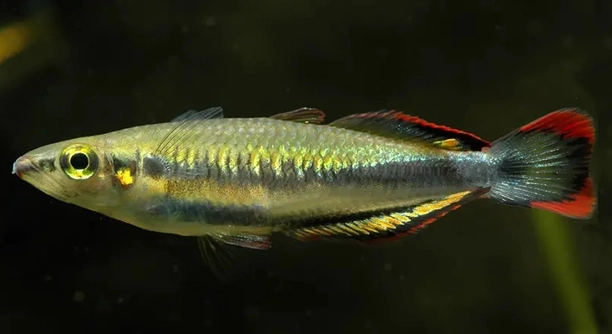
Rainbowfish are colorful, active fish that thrive in social groups. Watching them interact can be fascinating, as their relationships affect behavior, feeding, and overall health in the aquarium. Understanding these bonds can improve care.
Rainbowfish social bonds are influenced by factors such as tank size, population density, water quality, diet, environmental enrichment, stress levels, and presence of other species. Each element plays a measurable role in shaping their interactions and group cohesion.
Learning how these elements shape their connections can help you provide a healthier, more balanced environment for your rainbowfish to flourish.
Tank Size and Space
A properly sized tank is crucial for rainbowfish social bonds. Small tanks limit movement and create stress, leading to aggression or isolation. A larger tank allows fish to establish territories, swim freely, and interact naturally. When rainbowfish feel cramped, dominant individuals can harass weaker ones, disrupting group harmony. Providing sufficient swimming space helps maintain stable social hierarchies, reduces stress, and encourages healthy behavior. It’s also easier to maintain water quality in a larger tank, which indirectly supports social interactions. Plants and decorations can break up the space, offering hiding spots and reducing conflicts. Observing the fish over time can show whether they are comfortable or stressed, as crowded conditions often lead to lethargy, clamped fins, or chasing. Giving rainbowfish room to swim and explore is an investment in their mental and physical well-being. Adequate space is not just about size but also about creating zones where different fish can interact or retreat when needed.
Providing enough room ensures rainbowfish can swim freely and interact without unnecessary stress, promoting stable and healthy social bonds.
Proper tank size allows rainbowfish to form groups naturally. Fish in spacious tanks tend to show fewer signs of stress, chase each other less, and establish territories peacefully. They explore more, display brighter colors, and participate in social behaviors like schooling. In smaller tanks, aggressive interactions increase, leading to injuries or isolation. Space affects feeding too, as fish can spread out and reduce competition. Decorations and plants help create natural boundaries, giving shy individuals a place to hide. Observing their behavior will show if they are comfortable; peaceful swimming and regular schooling indicate a healthy social environment. By carefully planning the tank size and layout, rainbowfish will have the space to thrive, interact, and form lasting social bonds that enhance both their well-being and your enjoyment as an observer.
Population Density
Overcrowding can quickly disturb rainbowfish social bonds. Too many fish in one tank leads to constant chasing, stress, and weakened immune systems, harming overall health.
High population density affects rainbowfish behavior, causing heightened aggression and stress. Crowded tanks limit swimming space and reduce opportunities for each fish to interact positively. Social hierarchies may become unstable, with weaker individuals being bullied or excluded from group activities. Over time, this can lead to illness, reduced appetite, and premature death. It’s important to match the number of rainbowfish to tank size, allowing sufficient space per individual. Decorations, plants, and hiding spots can alleviate some stress, but cannot fully replace the benefits of adequate room. Carefully monitoring interactions and adjusting population levels ensures the group remains balanced. Observing how fish school, chase, or retreat can indicate whether the density is suitable. A well-spaced population encourages natural behaviors, strengthens social bonds, and improves overall health. Proper management of population density creates an environment where rainbowfish can thrive without unnecessary stress or conflict.
Water Quality
Clean water is essential for rainbowfish social bonds. Poor water conditions cause stress, illness, and aggression, disrupting group harmony. Regular water changes and monitoring help maintain stable conditions.
Maintaining proper water quality involves monitoring temperature, pH, hardness, and ammonia levels. Rainbowfish are sensitive to sudden changes, which can trigger stress responses such as hiding, clamped fins, or chasing. Filtration and aeration also support a stable environment. Balanced water conditions allow fish to interact naturally, display vibrant colors, and participate in schooling behaviors. Avoid overcrowding and remove uneaten food to prevent toxins. Frequent testing ensures that parameters stay within safe ranges, reducing conflicts and supporting long-term health.
When water quality is optimal, rainbowfish feel secure and behave naturally. They form stable social hierarchies, swim freely, and engage with each other without unnecessary aggression. Stress from poor water often leads to disease, making social interactions less frequent. By maintaining clean, well-regulated water, rainbowfish can build and maintain strong social bonds, improving both their physical condition and mental well-being. This consistent environment allows them to thrive, interact peacefully, and display natural behaviors that indicate a healthy group dynamic.
Diet and Nutrition
Balanced nutrition affects rainbowfish behavior and social interactions. Poor diet can cause weakness, aggression, and stress, impacting group cohesion.
Rainbowfish need a varied diet with high-quality flakes, pellets, and occasional live or frozen foods. Proper nutrition supports energy, growth, and vibrant coloration, which influences dominance and social hierarchy. Underfed or malnourished fish may become less active, retreat from the group, or be picked on by stronger individuals. Overfeeding can lead to poor water quality, creating additional stress and conflicts. Regular feeding schedules help establish predictable routines, reducing anxiety and encouraging positive interactions. Including a variety of protein and plant-based foods ensures all fish receive essential nutrients, supporting their overall health and social stability.
A well-fed rainbowfish group shows calmer, more predictable behaviors. Fish are more likely to swim together, explore, and interact positively when energy levels are consistent. Proper nutrition strengthens immune systems, reducing disease risk and stress-related aggression. Observing feeding times reveals how fish cooperate or compete, highlighting the importance of balanced diets for group cohesion. By focusing on high-quality, varied nutrition, you can help your rainbowfish maintain strong social bonds while staying healthy and active in their environment.
Environmental Enrichment
Adding plants, rocks, and decorations improves rainbowfish social bonds. Hiding spots reduce stress and allow shy fish to interact safely.
Variety in the environment encourages natural behaviors like exploring, schooling, and establishing territories. Enrichment helps reduce aggression and keeps fish mentally stimulated.
Stress Levels
Stress directly affects rainbowfish interactions. Crowding, sudden changes, or aggressive tankmates increase stress, causing isolation or fighting.
Rainbowfish under consistent stress show dull colors, clamped fins, and less social engagement. Minimizing disturbances, maintaining stable water conditions, and providing safe spaces allow fish to relax, promoting natural behaviors and stronger social connections.
Presence of Other Species
Other species in the tank can influence rainbowfish bonds. Aggressive or overly active fish disrupt social hierarchies and cause tension.
Careful selection of compatible tankmates ensures rainbowfish feel secure. Peaceful companions allow natural schooling, reduce stress, and support stable group interactions.
FAQ
How many rainbowfish should be kept together?
Rainbowfish are social by nature and do best in groups. Keeping at least six individuals allows them to form stable social bonds, reduces aggression, and encourages natural schooling behaviors. Smaller groups can lead to stress and isolation, especially for shy or weaker fish.
What tank size is best for rainbowfish?
A larger tank supports both swimming space and social interaction. A minimum of 30 gallons is recommended for a small group, with extra room for each additional fish. Tanks with adequate space help maintain water quality and allow rainbowfish to establish territories peacefully.
What is the ideal water temperature for rainbowfish?
Rainbowfish thrive in water temperatures between 74°F and 80°F. Consistent temperature helps reduce stress and supports healthy social behavior. Sudden fluctuations can lead to aggression or illness, disrupting group interactions. Using a reliable heater and thermometer keeps conditions stable.
How often should I feed my rainbowfish?
Feeding two to three times a day with small amounts prevents overfeeding and maintains water quality. A varied diet including flakes, pellets, and occasional live or frozen foods supports energy, coloration, and overall health, which strengthens social bonds among the group.
Can rainbowfish live with other species?
Yes, but tankmates must be peaceful and similar in size. Aggressive or overly active species can stress rainbowfish and disrupt social hierarchies. Suitable companions include small tetras, peaceful rasboras, and snails. Monitoring interactions ensures harmony and allows rainbowfish to maintain stable relationships.
How does water quality affect rainbowfish behavior?
Poor water conditions increase stress, trigger aggression, and weaken immunity. Regular water changes, proper filtration, and testing for pH, ammonia, and hardness keep fish healthy. Clean water promotes natural swimming, schooling, and interaction patterns, essential for maintaining strong social bonds.
What role do decorations and plants play?
Plants, rocks, and hiding spots allow shy or weaker fish to retreat and explore safely. Environmental enrichment reduces stress, encourages exploration, and supports natural behaviors, which strengthens social structures. Dense planting can also help break visual lines and prevent dominance conflicts.
Why do rainbowfish sometimes fight?
Fighting is usually linked to stress, overcrowding, or competition for territory and food. Establishing proper tank size, maintaining balanced groups, and providing enrichment minimizes aggression. Observing behavior helps identify which individuals are causing tension, allowing corrective measures.
How can I tell if my rainbowfish are happy?
Healthy, social rainbowfish swim actively, school together, display bright colors, and show little aggression. Signs of stress include clamped fins, hiding, chasing, or dull coloration. Monitoring these behaviors helps maintain optimal tank conditions and social stability.
Is it necessary to quarantine new fish?
Quarantining prevents disease and reduces stress on the established group. A separate tank for two to three weeks allows observation and treatment of new arrivals, ensuring they integrate smoothly and do not disrupt social bonds.
How do diet and nutrition affect social bonds?
A balanced diet supports energy, coloration, and overall health. Well-fed fish are more active, engage naturally, and are less likely to bully weaker individuals. Inadequate nutrition can lead to aggression, stress, and weakened immunity, negatively impacting group cohesion.
What should I do if a fish is being bullied?
Provide hiding spots and rearrange decorations to break up territories. Monitor interactions and consider temporarily isolating aggressive individuals if bullying persists. Maintaining a balanced population and proper tank size also reduces stress and prevents repeated conflicts.
Can stress from environmental changes impact social behavior?
Yes, sudden changes in temperature, lighting, or water quality can trigger stress responses, leading to isolation or aggression. Consistency and gradual adjustments help fish adapt while preserving social bonds and overall health.
How often should water parameters be checked?
Testing at least once a week for ammonia, nitrites, nitrates, pH, and hardness ensures conditions remain stable. Consistent monitoring prevents stress-related aggression and supports healthy social dynamics among rainbowfish.
Are male and female ratios important?
Yes, maintaining a balanced ratio of males to females reduces excessive male aggression and encourages natural schooling. Too many males can lead to fighting, while too few males may affect social interactions and breeding behaviors.
Can rainbowfish recognize each other?
Rainbowfish can distinguish familiar tankmates from newcomers. Familiarity reduces aggression and supports stable group interactions. Introducing new fish gradually and providing hiding spots helps them integrate without disrupting social bonds.
How long does it take for rainbowfish to form stable social bonds?
It can take several weeks for a new group to establish hierarchy and routines. Providing adequate space, proper nutrition, clean water, and environmental enrichment accelerates this process and helps reduce stress and aggression.
Do rainbowfish need seasonal changes in light or temperature?
Stable conditions are more important than seasonal changes for social stability. Gradual adjustments in light cycles can mimic natural rhythms, supporting health, but sudden shifts in temperature or lighting can cause stress and disrupt group interactions.
What are signs of an unstable social group?
Frequent chasing, hiding, clamped fins, and uneven feeding indicate tension. Dull colors or lethargy also suggest stress. Adjusting population, tank setup, or environmental conditions can restore balance and improve group cohesion.
How can I encourage peaceful schooling?
Provide adequate space, balanced numbers, and environmental enrichment. Consistent feeding and stable water conditions reduce stress, allowing fish to swim together naturally. Observing interactions helps maintain harmony and reinforce positive social behavior over time.
What impact does overcrowding have on social bonds?
Overcrowding leads to constant competition, increased aggression, and stress. Fish may isolate, bully, or show illness due to weakened immunity. Reducing population or increasing tank space restores balance and strengthens social cohesion.
Are there behavioral signs that water quality is poor?
Signs include gasping at the surface, hiding, clamped fins, aggression, and reduced activity. Regular testing and maintenance prevent these issues, keeping social bonds intact and fish healthy.
How do seasonal feeding patterns affect rainbowfish?
Consistent feeding supports energy levels and reduces competition. Sudden changes in quantity or type of food can trigger stress, aggression, and disrupted social hierarchies, while predictable feeding routines reinforce stable interactions.
Can rainbowfish recover from disrupted social bonds?
Yes, with proper care. Adjusting tank conditions, ensuring balanced numbers, and providing enrichment allows fish to rebuild hierarchy, reduce aggression, and re-establish strong social bonds over time.
What is the role of hiding spaces in preventing aggression?
Hiding spots allow fish to retreat, reducing stress and interrupting conflicts. Properly placed decorations give weaker individuals safety and encourage natural social behavior without constant harassment from dominant fish.
How does light intensity affect behavior?
Bright, harsh lighting can stress rainbowfish, increasing aggression. Soft, evenly distributed light creates a calm environment, encouraging normal social interaction, swimming, and schooling behaviors.
Can changes in tankmates affect social bonds?
Yes, adding or removing tankmates can disrupt established hierarchies. Gradual introductions and adequate space help minimize conflict and allow rainbowfish to adapt without long-term social stress.
How important is routine for rainbowfish?
Consistent feeding, lighting, and water maintenance create a stable environment, reducing stress and promoting predictable social interactions. Disruptions can lead to aggression, hiding, or abnormal behaviors.
What signs indicate a healthy social group?
Active swimming, bright colors, regular schooling, minimal aggression, and shared feeding indicate a balanced group. Healthy interactions show rainbowfish feel secure and confident within their environment, supporting long-term stability and well-being.
How do environmental disturbances impact bonds?
Sudden noises, tapping, or tank movement can stress rainbowfish, triggering aggression or hiding. Minimizing disturbances supports calm behavior and reinforces social stability.
Can rainbowfish form bonds with other species?
Yes, with compatible, peaceful tankmates. Stable interactions with other species can reduce stress, encourage exploration, and enhance natural behaviors, but aggressive or overly active species can disrupt social bonds.
Do rainbowfish remember past conflicts?
They can recognize individuals that previously caused stress. Observing fish over time helps manage introductions and prevent repeated aggression, maintaining harmony within the group.
How does tank layout affect social bonds?
Open swimming areas and well-placed hiding spots allow territory formation and reduce conflicts. A thoughtful layout supports exploration, schooling, and natural behaviors, strengthening social interactions among rainbowfish.
Is it normal for rainbowfish to chase each other occasionally?
Yes, occasional chasing is part of establishing hierarchy. Problems arise when chasing becomes constant, aggressive, or targets the same fish, indicating stress or overcrowding that needs correction.
Can rainbowfish recover from illness without losing social bonds?
With proper care, recovery is possible. Quarantining sick fish, maintaining water quality, and reducing stress allow reintegration without permanent disruption to established hierarchies.
How do seasonal changes in water parameters affect social behavior?
Stable conditions are crucial. Sudden seasonal shifts in temperature or hardness can stress rainbowfish, causing temporary aggression or isolation. Gradual adjustments help maintain social bonds and overall health.
What is the effect of overfeeding on social interactions?
Overfeeding can deteriorate water quality, causing stress, aggression, and illness. Maintaining proper feeding routines ensures healthy interactions, reduces competition, and promotes a calm, stable social environment.
Can rainbowfish live alone?
They can survive, but isolation prevents natural social behavior. Loneliness can lead to stress, reduced activity, and dull coloration, highlighting the importance of keeping them in groups to foster proper social bonds.
How do you know when it’s time to adjust the group?
Signs include constant aggression, hiding, or uneven feeding. Adding space, adjusting population, or rearranging decorations can restore harmony and rebuild stable social bonds.
How long do rainbowfish typically live in captivity?
With proper care, they live 5–8 years. Maintaining water quality, nutrition, and social balance throughout their lifespan ensures long-term health and strong social bonds.
Can environmental enrichment replace proper tank size?
No, enrichment helps but does not replace adequate space. Both proper tank size and enrichment are needed for healthy social interactions and reduced stress.
What is the role of dominance in social groups?
Dominant fish establish hierarchy, but imbalance can cause stress for weaker individuals. Adequate space, hiding spots, and balanced populations help maintain fair interactions and stable social bonds.
How often should new fish be introduced?
Introduce new fish gradually, one or two at a time, to prevent disruption. Proper acclimation and hiding spots reduce stress and maintain established social bonds.
Does water hardness affect social behavior?
Yes, extreme hardness or softness can stress rainbowfish, leading to aggression or lethargy. Stable, moderate parameters promote calm interactions and healthy social dynamics.
Can temperature changes break social bonds?
Sudden temperature shifts cause stress, aggression, or hiding. Maintaining a stable, appropriate temperature preserves hierarchy and ensures fish continue interacting naturally.
Is it better to keep single-species or mixed-species tanks?
Single-species tanks simplify social management, while compatible mixed-species setups can work if tankmates are peaceful and similarly sized. Incompatible species disrupt bonds and increase stress.
How do you monitor long-term social stability?
Observe swimming patterns, schooling, feeding, chasing, and color. Stable, active behavior with minimal aggression indicates a healthy group. Regular checks help identify issues early and maintain strong social bonds.
Can water flow impact behavior?
Strong currents may stress rainbowfish, causing fatigue and reduced social interactions. Gentle flow supports swimming without causing unnecessary stress, preserving natural social behavior.
What are common mistakes that disrupt social bonds?
Overcrowding, poor water quality, sudden environmental changes, incompatible tankmates, and inadequate nutrition are the most frequent causes. Correcting these issues restores harmony and prevents long-term stress.
Do rainbowfish interact differently at night?
They tend to rest but still establish territory. Providing shaded areas and gentle lighting supports calm behavior and prevents nocturnal stress or conflicts.
How do you integrate new fish into an established group?
Use a quarantine tank, rearrange decorations, and introduce gradually. Observing interactions and providing hiding spots ensures smooth integration without breaking existing social bonds.
Are there signs of permanent social disruption?
Persistent hiding, chronic aggression, or repeated bullying suggest long-term disruption. Adjusting environment, population, or tankmates can often restore balance, though some individuals may require separate care.
Can rainbowfish adapt to minor environmental changes?
Yes, they tolerate gradual shifts in temperature, lighting, or water parameters. Sudden changes, however, increase stress and can temporarily affect social bonds. Gradual acclimation preserves group stability.
How does light duration affect social behavior?
Consistent light cycles encourage natural activity patterns. Sudden changes in duration can stress fish, causing hiding, reduced interaction, or aggression. Maintaining stable schedules supports calm, active groups.
What are signs of a balanced social group?
Peaceful swimming, regular schooling, even feeding, bright coloration, and minimal chasing indicate a stable, healthy social structure. Regular observation helps maintain these conditions.
Can rainbowfish forgive previous conflicts?
Yes, with a stable environment and time, fish often resume normal interactions. Hiding spots and adequate space help reduce repeated aggression and rebuild trust within the group.
How does tank cleanliness relate to social bonds?
Dirty tanks stress fish, increasing aggression and hiding. Consistent cleaning, waste removal, and water changes maintain health and stable social interactions.
Can aggression be seasonal?
Aggression may increase during breeding periods. Providing extra space, hiding spots, and monitoring behavior helps minimize conflicts and maintain harmony.
Is it normal for rainbowfish to chase during feeding?
Some chasing occurs as part of hierarchy and competition. Excessive aggression signals overcrowding, stress, or poor nutrition, which should be corrected to maintain social balance.
How do you prevent dominance issues?
Adequate space, balanced male-to-female ratios, hiding spots, and even feeding reduce dominance stress. Observing and adjusting the tank setup helps maintain equality in interactions.
Do rainbowfish form lifelong bonds with tankmates?
They recognize familiar fish and maintain stable relationships over years. Disruptions like new introductions or environmental stress can temporarily affect bonds, but recovery is possible with proper care.
Can water changes disrupt social bonds?
Sudden, large water changes may stress fish. Performing gradual changes helps maintain stability and preserves existing social hierarchies.
How does disease affect social interactions?
Sick fish may hide, become lethargic, or be harassed. Prompt treatment and isolation prevent disruption of the overall social structure and reduce stress on the group.
Are there behavioral differences between species of rainbowfish?
Yes, some species are more active or territorial. Understanding species-specific behavior helps design tanks that support stable social bonds and reduce aggression.
What should be done if multiple fish are stressed?
Check water quality, population density, diet, and environment. Making gradual corrections reduces stress and restores normal social interactions among rainbowfish.
How important is gradual acclimation for new fish?
Gradual acclimation prevents shock, stress, and aggression. Floating bags, slow water mixing, and careful observation help new rainbowfish integrate smoothly without disturbing social bonds.
Can temperature drops cause aggression?
Yes, sudden cooling can stress fish, triggering chasing or hiding. Stable temperature maintains calm, predictable interactions and preserves social bonds.
How do you maintain harmony during breeding?
Separate or provide extra space during breeding to prevent stress and conflicts. Balanced populations and hiding areas ensure the rest of the group remains stable while breeding occurs.
Are there long-term effects of repeated stress?
Chronic stress can weaken immunity, dull coloration, and disrupt social bonds. Preventing frequent disturbances and maintaining stable conditions preserves long-term health and harmony.
Do rainbowfish have favorite tankmates?
They tend to form closer bonds with familiar, peaceful fish. Observing interactions helps identify compatible companions and supports stable social groups.
Can light color affect social behavior?
Harsh or unnatural lighting may stress rainbowfish. Soft, natural light encourages calm activity and peaceful interactions.
How do you correct imbalanced social hierarchies?
Provide hiding spots, rearrange decorations, separate aggressive individuals, and ensure proper population density. Gradual adjustments restore harmony and strengthen bonds.
Is schooling important for social health?
Yes, schooling reduces stress, encourages activity, and reinforces social bonds. Disruption in schooling indicates environmental or social issues that need attention.
How do water changes help reduce aggression?
Regular, partial water changes maintain clean, stable conditions. Stable water reduces stress, supports healthy behavior, and prevents conflicts among rainbowfish.
Can rainbowfish coexist with bottom dwellers?
Yes, compatible bottom-dwelling species like small catfish or snails usually do not disrupt social bonds and can coexist peacefully, adding diversity without increasing aggression.
Do rainbowfish prefer calm or active environments?
They prefer moderate activity. Too much disturbance or strong currents increases stress and reduces positive social interactions. A stable, calm environment promotes healthy group behavior.
How do you manage feeding aggression?
Feed small amounts in multiple locations to reduce competition. Balanced nutrition and predictable routines prevent chasing and support calm social interactions.
Can environmental changes permanently affect social bonds?
Extreme or repeated disturbances may create long-term stress or aggression. Gradual, consistent care helps rebuild relationships and restore stability.
How do you monitor integration of new fish?
Observe swimming, chasing, hiding, and schooling behavior. Gradual acclimation and proper spacing ensure smooth integration without disrupting existing bonds.
What role does temperature consistency play?
Consistent temperatures reduce stress, prevent aggression, and allow rainbowfish to interact naturally. Sudden changes disrupt hierarchy and can cause isolation or conflict.
How do you identify overly aggressive individuals?
Frequent chasing, bullying, and monopolizing food indicate aggression. Separating or adjusting the tank environment can restore balance and protect weaker fish.
Can rainbowfish recover after bullying incidents?
Yes, with hiding spots, adequate space, and gradual reintroduction. Recovery allows them to rebuild confidence and reintegrate into social groups naturally.
How often should decorations be rearranged?
Occasional rearrangement can reduce territorial disputes and encourage exploration. Avoid frequent drastic changes that may stress fish or disrupt social bonds.
Do rainbowfish require seasonal water changes?
Regular, consistent changes are more important than seasonal patterns. Stable water quality supports social bonds, while sudden shifts can increase stress and aggression.
Can diet variety influence hierarchy?
Yes, providing diverse foods reduces competition and stress, supporting calmer interactions. Nutrient-rich diets maintain energy and color, reinforcing stable social bonds.
How do you reduce stress from new introductions?
Quarantine, gradual acclimation, and hiding spots allow new fish to adapt without triggering aggression or destabilizing existing social structures.
Are certain species more prone to aggression?
Some rainbowfish species display more territorial or dominant behavior. Understanding species traits helps design tanks that maintain harmony and support healthy
Rainbowfish are social creatures, and their well-being depends heavily on the environment we provide. Every element of their tank, from size to water quality, impacts how they interact with each other. When the space is too small, they become stressed, and aggressive behaviors increase. Providing a large enough tank allows them to swim freely, explore, and establish territories, which encourages peaceful interactions. Even simple additions like plants, rocks, or decorations can make a big difference. These elements give shy or weaker fish places to hide and reduce confrontations. Environmental enrichment not only keeps the fish mentally active but also strengthens social bonds by allowing natural behaviors like schooling and territory formation. Observing the fish daily helps identify signs of stress, such as clamped fins, hiding, or chasing, and allows for timely adjustments to keep the group balanced. A stable environment creates a sense of security, which is essential for rainbowfish to maintain strong social connections and display their natural, vibrant behavior.
Nutrition also plays a key role in supporting healthy interactions. Rainbowfish require a varied diet that includes flakes, pellets, and occasional live or frozen foods. Proper nutrition keeps fish energetic, promotes bright coloration, and reduces aggression. When food is lacking or poorly balanced, weaker fish may be bullied or isolated, disrupting the group’s harmony. Overfeeding can also cause problems by reducing water quality, leading to stress and illness. Maintaining a consistent feeding schedule helps reduce competition and allows fish to interact more naturally. Each rainbowfish in the group relies on both the environment and diet to stay healthy and socially active. Paying attention to these details ensures that all members of the tank can participate in stable, predictable social behaviors. Over time, a well-fed, well-housed group shows calmer schooling, less chasing, and better overall health, which makes the aquarium a more enjoyable space to observe and care for.
Finally, managing stress and maintaining social balance are essential for rainbowfish longevity. Factors such as water quality, tankmates, population density, and environmental disturbances can all affect stress levels. Consistency in these areas supports a harmonious group, while sudden changes can disrupt hierarchy and increase aggression. Introducing new fish gradually, monitoring water parameters regularly, and providing adequate hiding spots are practical ways to minimize stress. Rainbowfish thrive when conditions are stable and predictable, and their social bonds reflect this stability. Observing interactions, adjusting tank conditions, and ensuring proper care help maintain peaceful group dynamics. Over time, attentive management allows rainbowfish to live longer, healthier lives while forming strong social bonds within the tank. By focusing on space, nutrition, and stress reduction, you create an environment that supports natural behavior, reduces conflicts, and allows rainbowfish to interact in ways that are both healthy and enriching for their group.

Hello,
If you enjoy the content that we create, please consider saying a "Thank You!" by leaving a tip.
Every little bit helps us continue crafting quality advice that supports the health, happiness, and well-being of pets around the world, for pets of all shapes, sizes, and species.
We really appreciate the kindness and support that you show us!