
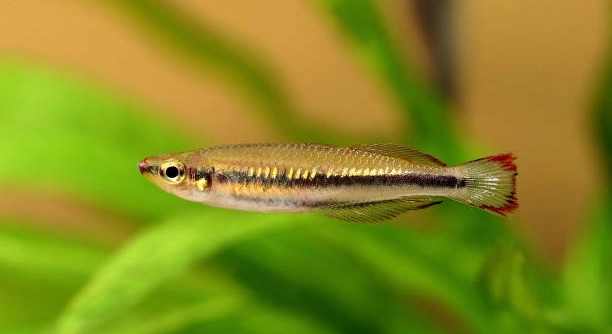
Uneven color in rainbowfish can be worrying for many hobbyists who take pride in maintaining a vibrant aquarium. These fish are admired for their shimmering hues, but sometimes their colors may appear dull or patchy unexpectedly.
Several factors contribute to uneven color in rainbowfish, including poor diet, water quality fluctuations, stress from overcrowding, inappropriate lighting, disease, genetic variation, and aging. Each factor can directly affect pigment expression, overall health, and visual vibrancy of the fish.
Identifying the causes of color changes will help maintain a lively and healthy aquarium environment for your rainbowfish over time.
Stress and Overcrowding
Stress is a major factor that can cause rainbowfish to lose their bright colors. Overcrowding, aggressive tankmates, or constant disturbances create an environment where fish feel unsafe. Stress affects hormone levels, which can suppress pigmentation, leading to uneven coloration. Even subtle changes, like moving decorations or frequent tapping on the glass, can disturb sensitive fish. Maintaining a comfortable number of fish per tank size and choosing compatible species helps reduce tension. Providing hiding spaces and consistent water conditions allows them to feel secure. A relaxed rainbowfish will swim confidently, feed well, and display its natural colors. Over time, stress management can prevent fading and help fish recover lost vibrancy. Monitoring behavior daily allows early intervention before color loss becomes permanent, ensuring a healthier and visually striking aquarium.
Limiting stress and overcrowding keeps rainbowfish healthy and allows their natural colors to shine consistently.
Observing social interactions and tank behavior is essential. Dominant fish may intimidate others, leading to color loss in shy individuals. Rearranging decorations gradually or adding plants can give timid fish secure spaces. Even minor environmental adjustments, like reducing sudden light changes, can minimize stress. Ensuring the tank is appropriately sized for the number of fish and avoiding frequent handling are important. Stress not only affects color but also compromises immunity, increasing susceptibility to disease. By keeping stress low, rainbowfish can grow vibrant, maintain consistent patterns, and remain active. Consistent observation, proper stocking, and calm handling together ensure a balanced aquarium where all fish can show their full color potential, improving both their health and the overall appeal of the tank.
Lighting and Its Effects
Lighting greatly influences how rainbowfish display their colors. Insufficient or harsh lighting can cause dull or uneven hues.
Proper lighting mimics natural conditions, enhancing pigments and supporting normal behavior.
Rainbowfish require a balance of intensity and duration in their tank lighting. Too much light can stress them, while too little prevents their colors from fully developing. Using LED lights designed for freshwater aquariums can enhance natural coloration without overheating the water. A consistent day-night cycle helps maintain their internal rhythms, promoting health and vivid hues. Certain wavelengths of light, especially those in the blue and red spectrum, accentuate rainbowfish’s scales. Adjusting light gradually rather than abruptly prevents sudden stress that may dull colors. Observing the fish during different times of the day helps determine if lighting is optimal. Proper lighting not only improves appearance but also supports natural feeding and social behavior, making the aquarium more lively and visually appealing.
Disease and Parasites
Diseases and parasites can quickly dull rainbowfish colors. Infections stress fish, interfere with pigment cells, and lead to patchy or faded hues. Early detection is essential to prevent permanent color loss and protect overall health.
Common illnesses include bacterial infections, fungal growths, and parasitic infestations. Each condition can directly impact skin and scale appearance. Sick fish may hide, eat less, or show unusual swimming patterns. Regular observation helps catch problems early. Quarantining new fish before adding them to the main tank reduces the risk of spreading pathogens. Using clean equipment and maintaining proper water conditions supports recovery and prevents recurrence. Prompt treatment with recommended medications restores health and color. Ensuring a clean environment and monitoring fish behavior are crucial for maintaining consistent, vibrant coloration.
Treatment often involves isolation, medication, and improved water quality. Addressing underlying causes like poor diet or stress enhances recovery. Continuous monitoring ensures fish regain full pigment expression and prevents relapse, keeping the tank visually appealing.
Genetics and Aging
Genetic factors can influence the intensity and uniformity of rainbowfish colors. Some species naturally display variations, while aging can gradually dull hues over time. Color patterns may shift slightly as fish mature, which is a normal process.
Inherited traits determine the range of coloration and pattern consistency in rainbowfish. Certain strains have naturally brighter or more uniform colors, while others may show uneven pigmentation regardless of care. Selective breeding emphasizes specific color traits, but variation is inevitable. Aging also plays a role, as older fish often display softer tones and less intense pigmentation. Observing these changes helps set realistic expectations for appearance. Maintaining optimal diet, water quality, and low stress can slow color fading and support overall vitality. Even with perfect care, some variation due to genetics and age is unavoidable.
While genetics and aging cannot be altered, supporting fish with proper care enhances what they naturally possess. Good nutrition, stable water conditions, and minimal stress help maintain the brightest possible colors throughout life. Regular observation ensures any unusual fading is identified as disease or stress rather than normal aging. Appreciating natural variation allows for a healthier, more realistic perspective on rainbowfish coloration, making the aquarium visually diverse without unnecessary worry.
Inconsistent Water Temperature
Rainbowfish are sensitive to temperature changes. Sudden fluctuations can stress them, causing colors to fade or become uneven. Maintaining a stable range is essential for both health and vibrant pigmentation.
Even small shifts in water temperature can impact metabolism and pigment expression. Using a reliable heater and thermometer helps keep conditions steady, supporting consistent coloration and reducing stress-related color loss.
Lighting Duration
The amount of daily light affects rainbowfish coloration. Too little light prevents pigments from developing fully, while excessive light can cause stress and fading.
Proper scheduling, usually 8–10 hours of light per day, promotes natural behavior and bright, consistent colors. Mimicking natural light cycles enhances overall well-being and pigment stability.
Tank Maintenance
Regular cleaning prevents buildup of waste and harmful chemicals that dull rainbowfish colors.
Consistent water changes, substrate cleaning, and filter maintenance maintain a healthy environment. Clear, balanced water supports natural vibrancy, ensuring fish remain visually striking and healthy.
What causes rainbowfish to lose their color suddenly?
Sudden color loss in rainbowfish is usually caused by stress, poor water quality, or illness. Changes in tank conditions, overcrowding, or aggressive tankmates can quickly affect their pigment expression. Ensuring stable water parameters, proper tankmates, and a calm environment often helps restore color naturally over time.
Can diet alone improve faded colors?
A balanced diet rich in carotenoids, vitamins, and protein supports brighter colors, but diet alone cannot fix stress-related or disease-induced fading. Adding high-quality live or frozen foods, spirulina, or specialized color-enhancing flakes can enhance pigmentation when combined with good tank conditions.
How does water quality affect coloration?
Rainbowfish are sensitive to ammonia, nitrite, nitrate, and pH changes. Even small fluctuations can stress fish and dull colors. Regular testing, partial water changes, and proper filtration maintain a healthy environment, preventing fading caused by poor water conditions.
Do older rainbowfish naturally lose color?
Yes, aging affects pigmentation. Older fish may display softer hues or uneven patterns. This process is natural and unavoidable, but maintaining optimal diet, water quality, and low stress can help preserve as much vibrancy as possible throughout their life.
Can genetics influence uneven colors?
Genetics play a significant role in coloration. Some strains naturally have brighter or more uniform hues, while others may show uneven pigmentation even under perfect care. Recognizing genetic variation helps set realistic expectations for appearance in your tank.
Does lighting really make a difference?
Lighting affects how pigments develop and are displayed. Too little light can make colors dull, while excessive or harsh lighting can stress fish, causing fading. Consistent lighting of around 8–10 hours per day, ideally with aquarium-specific LEDs, promotes natural pigmentation and behavior.
How can stress be minimized in the tank?
Stress can be reduced by avoiding overcrowding, selecting compatible tankmates, and providing hiding spaces. Consistent water parameters, gentle handling, and stable routines also help. Calm, secure fish display stronger, more uniform colors.
Can disease or parasites be reversed if caught early?
Yes, early detection and treatment can restore color. Sick fish may show faded or patchy pigmentation. Quarantining new fish, maintaining clean equipment, and using proper medications when needed prevent further spread and allow recovery.
Does water temperature really affect color intensity?
Rainbowfish are sensitive to temperature fluctuations. Sudden changes can stress them, dulling color. Maintaining a stable range with a reliable heater and thermometer supports both health and vibrant pigmentation over time.
Is it normal for colors to change seasonally or over time?
Minor color changes are normal due to aging, breeding cycles, or minor environmental variations. While some fading may occur, consistent care and attention to diet, water quality, and stress levels help maintain as much vibrancy as possible throughout seasonal or life stage changes.
Can multiple factors combine to cause uneven colors?
Yes, diet, water quality, stress, disease, genetics, and lighting often interact. Identifying and correcting multiple issues simultaneously is usually necessary to restore even, bright coloration. Regular observation and careful adjustments ensure long-term visual health.
How often should tank conditions be monitored?
Daily observation of behavior and weekly testing of water parameters is recommended. Prompt adjustments prevent stress and color loss. Maintaining a regular maintenance schedule, including water changes and filter checks, ensures rainbowfish remain healthy and visually striking.
Are there quick fixes for color loss?
Quick fixes are rare. Color restoration depends on addressing underlying causes such as stress, poor diet, or water quality. Gradual improvements through proper care are more effective and sustainable than temporary measures or abrupt changes.
How can I tell if fading is natural or a problem?
Gradual, uniform fading often indicates aging or natural variation. Sudden, patchy, or rapid color loss typically signals stress, illness, or poor water conditions. Observing behavior alongside appearance helps distinguish between normal and problematic fading.
What is the best way to maintain long-term color vibrancy?
A combination of stable water parameters, balanced diet, low stress, proper lighting, and disease prevention supports consistent, bright coloration. Regular observation, careful tank management, and addressing issues early maintain rainbowfish health and their natural visual appeal over time.
Maintaining vibrant colors in rainbowfish requires consistent care and attention to several key factors. Diet, water quality, stress levels, lighting, and genetics all play an important role in how these fish display their natural hues. Feeding a balanced diet rich in nutrients, including carotenoids and vitamins, ensures that pigment cells remain healthy and strong. While high-quality flakes or pellets provide basic nutrition, supplementing with live or frozen foods, such as brine shrimp or spirulina, can make a noticeable difference in coloration. Overfeeding or inconsistent feeding schedules can stress the fish, so it is important to maintain a routine that mirrors their natural grazing habits. Observing how each fish responds to dietary changes allows adjustments that improve overall vibrancy and health.
Water conditions have an equally significant impact on rainbowfish coloration. These fish are sensitive to fluctuations in pH, ammonia, nitrites, and nitrates, and even minor changes can cause stress and dull colors. Consistent water testing, regular partial water changes, and proper filtration help maintain a stable environment that supports strong pigmentation. Temperature consistency is also essential, as sudden fluctuations can negatively affect metabolism and color expression. Adding plants and decorations not only improves the tank’s aesthetic but also provides hiding spots, reducing stress and encouraging natural behavior. Minimizing disturbances and avoiding overcrowding creates a calm environment where rainbowfish can display their full colors naturally.
Even with perfect care, some color variation is normal due to genetics and aging. Certain strains naturally display brighter or more uniform hues, while others may show uneven pigmentation regardless of environmental conditions. Aging can also gradually soften colors over time. While these factors cannot be changed, maintaining optimal diet, water quality, and low stress can preserve as much vibrancy as possible. Regular observation helps detect problems early, whether from illness, parasites, or environmental stress, allowing timely intervention to restore health and color. By addressing both natural and preventable factors, rainbowfish can maintain their vivid, striking appearance, contributing to a lively and visually appealing aquarium that reflects careful, ongoing care.

Hello,
If you enjoy the content that we create, please consider saying a "Thank You!" by leaving a tip.
Every little bit helps us continue crafting quality advice that supports the health, happiness, and well-being of pets around the world, for pets of all shapes, sizes, and species.
We really appreciate the kindness and support that you show us!