
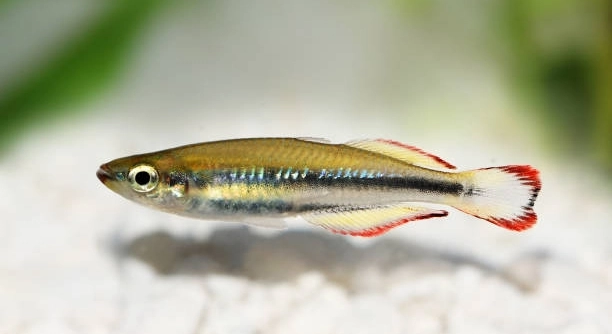
Many aquarium owners enjoy the colorful display of rainbowfish, but sometimes these lively fish seem to shy away from human presence. Observing this behavior can be confusing, especially when your fish appears nervous or avoids interaction regularly.
Rainbowfish often act anxious around humans due to unfamiliarity with movements, sudden changes in their environment, or perceived threats. Stress responses are common in these fish, and consistent handling, tank maintenance, and predictable routines help reduce their anxiety over time.
Learning how to make your rainbowfish feel secure involves understanding their environment, habits, and signals of stress, ensuring a calmer, healthier aquarium experience.
Understanding Rainbowfish Anxiety
Rainbowfish are naturally skittish, and sudden movements or loud noises near their tank can make them anxious. Even routine maintenance, like cleaning the tank or changing water, may cause stress if done too quickly. They rely on a consistent environment to feel safe, so abrupt changes in lighting, water temperature, or decorations can trigger nervous behavior. Social interactions are also important—rainbowfish are schooling fish, and having fewer companions than recommended can heighten their stress. Observing their body language, such as hiding behind plants or darting across the tank, helps identify anxiety. Over time, predictable routines, gentle movements, and creating hiding spots can make them feel more secure. Even small adjustments, like feeding at the same time each day or avoiding tapping on the glass, can significantly reduce anxiety levels. Understanding these basic needs improves both the fish’s comfort and your overall aquarium experience.
Maintaining a calm, consistent environment is essential to keep rainbowfish stress low and behavior stable.
By observing patterns and making gradual changes, you can create a tank where your rainbowfish are confident and comfortable, reducing erratic or anxious behavior over time. This includes slowly introducing new decorations, adjusting water flow to their preference, and providing enough plants or hiding spaces. Consistency in feeding and lighting schedules reinforces security. When you notice signs of stress, it’s important to respond promptly, as prolonged anxiety can affect health and color vibrancy. Social behavior matters too; keeping rainbowfish in appropriate groups ensures natural interactions and reduces fear-driven isolation. Over time, these small but deliberate efforts lead to a tank environment where the fish are active, relaxed, and engaging. Tracking their responses to changes lets you fine-tune care routines and create a stable home. Prioritizing their comfort benefits both the fish and your enjoyment of observing them daily, establishing a peaceful and vibrant aquarium.
How Tank Setup Impacts Behavior
Tank layout directly influences rainbowfish comfort. Hiding spots, plant density, and swimming space all affect anxiety levels.
Water quality, lighting, and tank size play major roles in how secure rainbowfish feel. Poor conditions can cause constant stress, leading to erratic swimming and reduced appetite. Temperature swings or strong currents create discomfort, and inadequate hiding areas prevent fish from escaping perceived threats. Proper filtration and gentle water flow help maintain stability, while careful placement of decorations ensures fish can move freely yet find shelter when needed. Lighting should mimic natural cycles to avoid startling them. Even tank companions affect mood; aggressive or overly dominant species nearby increase anxiety, whereas calm schooling companions promote social security. Regular testing of water parameters and thoughtful planning of the environment ensures rainbowfish are healthy, confident, and exhibit natural behavior patterns, ultimately creating a balanced ecosystem for all tank inhabitants.
Recognizing Signs of Stress
Hiding behind decorations, rapid darting, or staying near the tank bottom are clear signs of anxiety in rainbowfish. Changes in color or appetite may also indicate stress and should not be ignored.
Consistent observation helps identify subtle signs of stress before they escalate. Rainbowfish under pressure may lose their bright coloration, become lethargic, or show reduced interest in food. Behavioral changes like sudden aggression toward tank mates or repetitive swimming patterns also suggest discomfort. Tracking these patterns over several days allows you to understand triggers, whether it’s water quality, tank setup, or nearby movement outside the tank. Early recognition ensures timely adjustments that protect both their health and natural behavior.
Addressing stress involves both environmental and social adjustments. Adding plants or decorations for hiding, reducing sudden movements around the tank, and maintaining stable water parameters can dramatically reduce anxiety. Keeping rainbowfish in appropriate group sizes also helps them feel secure, as isolation increases nervous behavior. Paying attention to diet and feeding schedules supports physical health, which directly impacts stress resilience. Over time, these consistent actions improve overall confidence and comfort, making rainbowfish more interactive and visually vibrant.
Adjusting Your Interactions
Gentle, slow movements near the tank prevent startling your rainbowfish. Consistent routines help them anticipate care and reduce fear responses.
Interactions should be calm and predictable. Avoid tapping on the glass or reaching suddenly into the tank. Feeding at the same time and using a consistent method reinforces a sense of security. Observing from a distance before approaching allows fish to settle and reduces stress. Gradual introduction of new objects or changes in the tank ensures they have time to adjust. Respecting their natural curiosity while maintaining patience fosters trust over time, letting them approach without fear.
Behavior improves when interactions are mindful and patient. Rewarding natural curiosity with food or observing their movement without interference encourages confident swimming. Avoid chasing or forcing fish into specific areas, as this triggers flight responses. Using consistent signals, like hand gestures during feeding, helps rainbowfish recognize safe interaction. Over weeks, careful attention to movement, timing, and environmental changes reduces stress and strengthens their sense of security. These adjustments create a harmonious relationship between you and the fish, allowing them to display natural behaviors and vibrant colors without fear.
Creating a Comfortable Environment
Adding plants, rocks, and hiding spots helps rainbowfish feel secure. Open swimming areas combined with shelters reduce anxiety and support natural behavior.
Stable water conditions are essential. Regular testing and gentle changes prevent sudden stress. Consistent temperature, pH, and clean water maintain a healthy environment for rainbowfish to thrive.
Feeding and Routine
A predictable feeding schedule reduces stress and encourages natural behavior. Providing high-quality food in small, regular amounts supports health and comfort.
Rainbowfish respond well to routines. Feeding at the same time each day and using familiar techniques helps them anticipate care. Variety in diet, including flakes, pellets, and occasional live food, promotes physical and mental well-being. Avoid overfeeding, as leftover food can degrade water quality and increase stress. Observing their response during feeding also signals overall comfort and health, allowing you to adjust the environment or diet as needed to maintain calm and confident fish.
Tank Companions
Choosing peaceful, compatible tank mates prevents aggression and reduces anxiety. Proper group size enhances social security and natural schooling behavior.
Why does my rainbowfish hide all the time?
Rainbowfish hide when they feel threatened or insecure. Sudden movements, loud noises, or bright lights can trigger this behavior. Ensuring the tank has plenty of plants, decorations, and shaded areas gives them safe spaces to retreat. Over time, they may spend more time exploring once they feel secure.
Can handling make my rainbowfish anxious?
Yes. Rainbowfish are delicate and easily stressed by handling. Even moving them for tank maintenance should be done gently and with minimal disturbance. Using a soft net and limiting contact reduces stress. Frequent handling is unnecessary and can lead to long-term anxiety.
Why do my rainbowfish dart around the tank?
Rapid swimming often indicates stress or fear. Changes in water quality, temperature, or tank setup can provoke this behavior. Checking water parameters and ensuring consistent conditions help calm them. Darting may also occur if tankmates are aggressive or overcrowding is an issue.
How can I tell if my rainbowfish is stressed?
Signs include hiding, loss of color, decreased appetite, erratic swimming, and reduced interaction with tankmates. Observing daily behavior helps identify early signs. Addressing environmental factors like water quality, tank decorations, and social groupings can reduce stress and improve overall health.
Do rainbowfish get used to their owners?
Rainbowfish can become accustomed to your presence if interactions are calm and consistent. Gentle movements and predictable routines help them recognize you as non-threatening. Feeding at the same time and observing quietly allows them to approach without fear, fostering more natural behavior over time.
Is tank size important for reducing anxiety?
Absolutely. Rainbowfish need space to swim freely and establish territories. Overcrowded tanks increase stress and aggression. A larger tank with proper hiding spots allows fish to exhibit natural schooling behavior, reducing anxiety and promoting healthier, more vibrant activity.
Can poor water quality cause anxiety?
Yes. Elevated ammonia, nitrites, nitrates, or sudden temperature changes can make rainbowfish uneasy. Regular water testing, partial water changes, and maintaining stable parameters prevent stress-related behaviors and keep the fish active and comfortable.
Should I keep rainbowfish in groups?
Rainbowfish are social and feel secure in schools. Keeping at least six together reduces stress and encourages natural behaviors. Isolation can make them timid and anxious, while a well-sized group improves confidence and overall health.
Do decorations and plants help reduce stress?
Plants, rocks, and hiding spots provide security and comfort. Dense areas allow retreat from perceived threats, while open swimming areas support natural movement. Balancing coverage with space ensures rainbowfish feel safe yet can swim freely without obstruction.
How long does it take for rainbowfish to become comfortable?
It varies depending on the individual and tank setup. With proper care, calm interactions, and a stable environment, rainbowfish may start showing confident behavior in a few weeks. Continuous observation and patience are key to ensuring long-term comfort.
Can diet affect anxiety levels?
Yes. A balanced diet supports health, energy, and stress resilience. Feeding high-quality flakes, pellets, and occasional live or frozen food ensures proper nutrition. Irregular feeding or poor-quality food can weaken immune systems and increase nervous behavior.
Do lighting changes impact behavior?
Sudden shifts in lighting can startle rainbowfish. Gradual adjustments and consistent day-night cycles help them acclimate. Dimmed lights or natural-looking lighting reduce stress and allow fish to display natural colors and patterns without feeling threatened.
Can aggressive tankmates cause anxiety?
Aggressive or overly active tankmates increase stress for rainbowfish. Choosing peaceful companions of similar size and temperament prevents bullying and reduces fear-driven behaviors, helping rainbowfish feel secure and confident in their environment.
Are there long-term effects of constant stress?
Chronic anxiety can lead to weakened immunity, faded colors, reduced appetite, and shorter lifespans. Ensuring proper tank conditions, group size, diet, and calm interactions helps prevent prolonged stress and supports healthy, thriving rainbowfish.
How do I reintroduce a stressed rainbowfish to the tank?
If a rainbowfish becomes extremely anxious, allow it to recover in a quiet, stable environment. Gradually reintroduce it to the main tank, ensuring familiar decorations and hiding spots are available. Monitor interactions with tankmates and avoid sudden changes to maintain calm behavior.
Can I train rainbowfish to be less anxious?
While not trainable in the traditional sense, rainbowfish can become accustomed to consistent routines and calm human presence. Gentle movements, regular feeding schedules, and gradual exposure to environmental changes reduce anxiety over time, encouraging confident swimming and natural interaction.
Is it normal for rainbowfish to startle easily?
Yes. Rainbowfish are prey species, naturally alert to movement and changes in their surroundings. Minimizing sudden disturbances, maintaining a calm environment, and providing secure spaces help them feel safer and reduce frequent startling reactions.
How do I know if my rainbowfish is thriving?
Healthy, confident rainbowfish swim actively, display vibrant colors, interact with tankmates, and eat consistently. Minimal hiding and relaxed behavior indicate they feel secure in their environment, suggesting low stress and proper care practices are in place.
What role does water flow play in anxiety?
Strong currents can make rainbowfish nervous, especially if they prefer slower areas. Adjusting filtration to provide gentle, consistent water flow allows comfortable swimming and reduces stress caused by turbulence or unpredictable movement.
Can seasonal changes affect rainbowfish behavior?
Yes. Temperature shifts, lighting changes, or altered room conditions may trigger nervous behavior. Maintaining stable water conditions and consistent tank routines helps mitigate stress caused by seasonal fluctuations.
How often should I monitor my rainbowfish for anxiety?
Daily observation is best. Watching for changes in swimming patterns, color, appetite, or interactions allows early detection of stress, ensuring timely adjustments to environment, diet, or social setup for healthier fish.
Are certain species of rainbowfish more prone to anxiety?
Some species are naturally more skittish or sensitive to changes. Researching the specific species’ needs for tank size, social grouping, and environmental conditions ensures proper care and minimizes stress, allowing even the most sensitive rainbowfish to thrive.
Can I use decorations to reduce aggression and anxiety simultaneously?
Yes. Strategically placed plants, rocks, and hiding areas provide refuge for nervous fish and break sightlines between dominant individuals, reducing conflict. This dual purpose supports calm behavior while maintaining a balanced and visually appealing tank environment.
Is frequent tank maintenance stressful for rainbowfish?
Routine care can be stressful if done abruptly. Cleaning gradually, avoiding sudden movements, and maintaining consistent water parameters minimizes anxiety. Preparing the environment before maintenance, like temporarily lowering lighting, also helps rainbowfish remain calm during necessary care tasks.
How do I help rainbowfish recover from a stressful event?
After sudden disturbances, ensure stable water conditions, provide plenty of hiding spots, and limit direct interaction. Gradually reintroduce routine feeding and tank changes while monitoring behavior until they resume normal activity and confidence levels return.
Do rainbowfish communicate anxiety to each other?
Yes. Schooling rainbowfish often mimic each other’s behavior. A stressed individual can trigger flight responses in the group. Providing adequate space, hiding areas, and stable social conditions reduces collective stress and encourages calm schooling behavior.
What are long-term strategies to prevent anxiety?
Maintain stable water quality, provide a well-planned tank layout with hiding spots, keep appropriate group sizes, establish feeding routines, and avoid sudden environmental changes. Observing behavior daily allows proactive adjustments, ensuring rainbowfish remain confident, healthy, and vibrant for years.
Rainbowfish are naturally sensitive creatures, and their behavior often reflects how comfortable they feel in their environment. Anxiety in rainbowfish is usually a response to unfamiliar situations, abrupt changes, or perceived threats in their surroundings. Even small disturbances, such as tapping on the tank glass or rearranging decorations too quickly, can make them nervous. Observing how your fish behaves day to day provides important clues about their comfort level. Signs like hiding, darting across the tank, or losing color are indications that something in the environment may be stressing them. Understanding these signals is the first step toward creating a more secure and calm habitat for your rainbowfish. Small changes in water quality, tank layout, or daily routines can make a significant difference in their overall well-being.
Creating a comfortable environment is essential for reducing stress in rainbowfish. Providing adequate swimming space along with hiding spots like plants, rocks, and decorations gives them a sense of safety. A stable routine for feeding and maintenance further contributes to their comfort. Consistent water parameters, such as temperature, pH, and cleanliness, are critical, as sudden fluctuations can trigger anxiety. Tankmates also play a role in their behavior. Rainbowfish are social and thrive in appropriate groups, so keeping them with peaceful, compatible species helps reduce nervous behavior. Overcrowding or aggressive tankmates can lead to constant stress, so maintaining proper group size is necessary for a calm tank environment. By focusing on these details, owners can ensure that their rainbowfish feel secure and confident, which promotes healthier behavior and stronger coloration.
Interactions with humans also affect rainbowfish anxiety. Gentle, predictable movements and consistent feeding schedules help them become accustomed to your presence without fear. Avoiding sudden gestures or tapping on the glass prevents unnecessary stress. While rainbowfish may not form attachments in the way mammals do, they can learn to recognize routine care and approach the tank without panic. Patience is key, as it may take several weeks for them to show more confident behavior. Providing a secure environment and responding to signs of stress promptly ensures long-term health and reduces nervous tendencies. Paying close attention to their behavior, maintaining a stable environment, and handling them thoughtfully creates a calm and vibrant aquarium where rainbowfish can thrive naturally and comfortably.

Hello,
If you enjoy the content that we create, please consider saying a "Thank You!" by leaving a tip.
Every little bit helps us continue crafting quality advice that supports the health, happiness, and well-being of pets around the world, for pets of all shapes, sizes, and species.
We really appreciate the kindness and support that you show us!