
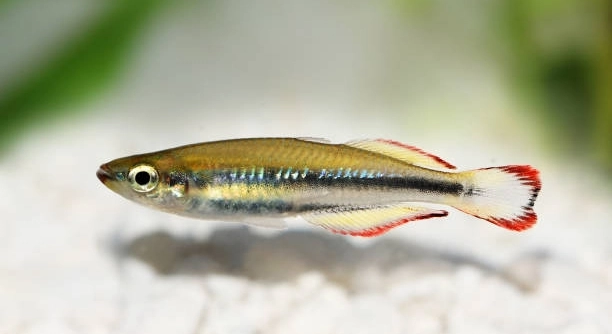
Do you enjoy keeping colorful fish but sometimes worry if their tank is truly comfortable for them? Rainbowfish are popular for their vibrant appearance, yet their water preferences can affect their health and activity levels.
Rainbowfish generally thrive in moderately warm water ranging from 72°F to 82°F. Cooler water can slow their metabolism and reduce activity, while excessively warm conditions may stress them, impacting growth, immunity, and overall wellbeing in a captive environment.
Maintaining the right water temperature is crucial for their happiness, energy, and vibrant coloration. Small adjustments can make a significant difference in their daily behavior and health.
Ideal Temperature Range for Rainbowfish
Rainbowfish are most comfortable in water that stays consistently warm but not too hot. Maintaining a temperature between 72°F and 82°F helps them stay active and healthy. Sudden fluctuations can stress their system, leading to weaker immunity or decreased appetite. A stable tank with proper heating equipment ensures their behavior and colors remain vibrant. Using a reliable aquarium thermometer is essential to monitor temperature accurately, avoiding unexpected spikes or drops. Seasonal changes can affect room temperature, so small adjustments to the heater may be necessary. Additionally, the choice of tank location matters. Avoid placing the aquarium near windows with direct sunlight or drafty areas, as this can cause unstable temperatures. Rainbowfish are social, so keeping them in small groups encourages natural movement and activity. Alongside temperature, maintaining clean water with proper filtration supports their overall wellbeing. Water quality and warmth together create an environment where rainbowfish can thrive and display their best colors.
Maintaining a steady temperature allows rainbowfish to swim actively, feed regularly, and display natural behaviors without stress or discomfort.
Consistency in water conditions improves their health, coloration, and overall activity. Proper equipment and monitoring are key to long-term success.
Adjusting Tank Conditions for Cooler Climates
Rainbowfish can tolerate slightly cooler water if changes are gradual.
In cooler climates or rooms, adjusting tank conditions slowly is essential to prevent shock. Gradual temperature changes of one to two degrees per day help fish acclimate safely. Using a reliable heater and insulating the tank can maintain consistent warmth. Avoid placing tanks near air conditioners or drafty windows. Cooler water may reduce activity, so monitoring feeding and observing behavior is important. Even with minor adjustments, water quality must remain high to avoid stress or disease.
Rainbowfish in slightly cooler water may appear less active, but careful management ensures they remain healthy. Heating equipment, insulation, and stable tank placement all contribute to maintaining a suitable environment. Feeding may require slight adjustments, and observing their behavior closely helps detect any signs of stress early. Cooler water reduces metabolism, meaning fish may eat less, so portioning food appropriately prevents overfeeding and water contamination. Tank decorations and hiding spots offer comfort, reducing stress in less optimal temperatures. Monitoring water pH, hardness, and cleanliness complements temperature control, creating a balanced habitat. Gradual adaptation allows rainbowfish to tolerate slight variations without compromising health or coloration. Regular observation ensures that minor adjustments do not escalate into significant problems affecting long-term wellbeing.
Monitoring Rainbowfish Behavior
Rainbowfish activity is a strong indicator of tank comfort.
Active swimming, bright coloration, and regular feeding are signs that water conditions are suitable. Lethargy, hiding, or faded colors often indicate stress from temperature changes or water quality issues. Observing behavior daily allows quick adjustments to improve their environment.
Pay attention to swimming patterns. Fish that linger near the surface or gasp at the water may be experiencing low oxygen levels or high temperatures. Sudden hiding or reduced interaction with tank mates can signal discomfort or illness. Adjusting temperature gradually and checking filtration helps restore balance. Behavior monitoring is an ongoing practice that supports their health. Consistent observations allow you to detect problems before they escalate. Pairing behavior monitoring with water testing ensures rainbowfish live in a stable and thriving environment.
Healthy rainbowfish display social behavior, exploring the tank and interacting with other fish. Providing adequate space, plants, and hiding spots reduces stress and encourages natural movement. Monitoring diet, feeding times, and tank activity together creates a full picture of their wellbeing.
Maintaining Optimal Tank Conditions
Stable water conditions are essential for rainbowfish health.
Regularly testing water for pH, ammonia, nitrites, and nitrates ensures the environment remains safe. Temperature, hardness, and clarity all influence fish behavior and vitality. Combining proper filtration, gentle aeration, and routine water changes creates a balanced habitat.
Temperature consistency works alongside clean water. Sudden fluctuations or poor water quality can weaken immunity and stunt growth. Adjusting heating gradually and observing fish reactions prevents stress. Filtration removes waste, while partial water changes maintain chemical balance. Decorating with plants and hiding spots provides comfort, mimicking natural habitats and reducing anxiety. Keeping food portions appropriate prevents contamination, maintaining clarity and oxygen levels. Each element contributes to a thriving environment, supporting activity, coloration, and long-term health.
Signs of Temperature Stress
Changes in swimming patterns can indicate temperature stress.
Rainbowfish that stay near the surface, hide frequently, or lose color may be uncomfortable. Prompt adjustments in water temperature can help restore their activity and reduce stress levels.
Monitoring behavior alongside temperature is key. Gradual adjustments prevent shock, while consistent observation ensures their wellbeing. Maintaining warmth and clean water helps rainbowfish stay active, healthy, and display vibrant colors naturally.
Choosing the Right Heater
Selecting a reliable heater is critical for maintaining consistent water temperatures. A quality heater prevents sudden fluctuations and keeps the tank within the ideal range for rainbowfish. Some heaters include adjustable thermostats, allowing precise control and ensuring the environment remains stable.
Seasonal Temperature Changes
Seasonal shifts can affect tank warmth, especially in rooms without consistent heating.
Keeping an eye on room temperature and adjusting heaters or insulation helps maintain stable conditions year-round, protecting rainbowfish from stress and health issues.
FAQ
Do rainbowfish need very warm water to thrive?
Rainbowfish do best in moderately warm water between 72°F and 82°F. Extremely hot water can stress them, while water that is too cool may slow their metabolism and reduce activity. Maintaining a stable temperature is more important than aiming for the highest warmth.
Can rainbowfish survive in cooler water temporarily?
Yes, they can tolerate slightly cooler water if changes are gradual. Sudden drops in temperature can cause stress, but slow adjustments of one to two degrees per day allow them to acclimate safely. Cooler water may reduce activity, but their overall health can remain stable.
How do I know if my rainbowfish are stressed by temperature?
Signs include lethargy, hiding, faded colors, or gasping at the water surface. Monitoring daily behavior helps catch problems early. Adjusting the heater slowly and ensuring clean water helps them recover and maintain normal activity.
Is it necessary to use a heater year-round?
In most climates, a heater is important to maintain stable temperatures. Even if the room feels warm, tanks can experience fluctuations that stress rainbowfish. A reliable heater with a thermostat ensures the water remains within the safe range at all times.
Can sudden temperature changes harm rainbowfish?
Yes, abrupt shifts can weaken their immune system and trigger illness. Avoid placing tanks near windows, air conditioners, or heating vents. Gradual adjustments and proper insulation reduce the risk of sudden temperature swings.
How often should I check the tank temperature?
Daily checks are ideal. Using a thermometer allows for accurate monitoring. Observing fish behavior alongside temperature readings provides a full picture of their comfort and helps detect any emerging issues before they become serious.
Do rainbowfish prefer specific water hardness with temperature?
While temperature is key, water hardness also plays a role. Rainbowfish do best in moderately hard water. Soft or very hard water combined with improper temperature can stress them. Balancing both ensures optimal health and coloration.
What are the best practices for winter care?
During colder months, maintain heater settings consistently and insulate the tank if needed. Avoid sudden room temperature drops. Monitoring behavior and feeding regularly ensures rainbowfish remain healthy, active, and stress-free throughout seasonal changes.
Can tank decorations affect temperature stress?
Yes, plants, rocks, and hiding spots help rainbowfish feel secure, reducing stress caused by temperature fluctuations. Properly arranging the tank allows stable water circulation and helps maintain even warmth throughout the aquarium.
How do I prevent temperature-related health problems?
Regular water testing, stable heating, and consistent observation of fish behavior prevent most temperature-related issues. Gradual adjustments, proper tank placement, and suitable decorations contribute to a balanced, healthy environment. Consistency and attention are essential for long-term wellbeing.
Are rainbowfish more sensitive to temperature than other tropical fish?
They are moderately sensitive. While they tolerate some variation, maintaining the ideal temperature range ensures better activity, coloration, and overall health compared with leaving them in unstable conditions. Careful monitoring helps avoid stress and disease.
What should I do if rainbowfish show signs of stress?
Check water temperature first, then water quality and filtration. Gradually adjust heating or improve insulation if needed. Observing their behavior and correcting any issues promptly helps restore health and keeps them active and colorful.
How do I combine feeding with temperature care?
Rainbowfish metabolism changes with temperature. In cooler water, they may eat less, so avoid overfeeding. Adjust portions according to activity levels to prevent waste buildup, which can affect water quality and exacerbate stress.
Are there long-term effects of improper temperature?
Chronic exposure to unsuitable temperatures can weaken the immune system, reduce growth, and dull coloration. Stable temperature maintenance prevents long-term health issues, allowing rainbowfish to thrive for years.
Can I rely solely on fish behavior to judge tank temperature?
Behavior gives strong clues, but pairing it with thermometer readings is essential. Some signs of stress may appear subtly, so combining observation with accurate measurement ensures the tank remains safe and comfortable.
How do I safely increase tank temperature if needed?
Increase the heater gradually by one or two degrees per day. Avoid sudden changes, and monitor fish behavior closely. This approach minimizes stress and allows rainbowfish to acclimate without health risks.
Are bubble or air pumps helpful for temperature regulation?
They don’t regulate temperature directly, but they improve water circulation and oxygenation. Proper circulation helps distribute heat evenly, reducing hotspots or cooler areas, which supports overall tank stability and fish comfort.
Is it okay to mix rainbowfish with other tropical fish regarding temperature needs?
Yes, but ensure all species share similar temperature requirements. Mismatched preferences can stress some fish. Maintaining the ideal range for rainbowfish usually keeps most compatible tropical species comfortable.
Do lighting and tank placement affect temperature stability?
Yes, direct sunlight, drafty areas, or heating vents can cause fluctuations. Positioning the tank away from these factors and using stable lighting supports consistent water temperature, reducing stress on rainbowfish.
How often should I replace or calibrate the heater?
Check the heater annually for accuracy. Replace it if it fails to maintain stable temperatures or shows malfunction signs. Regular maintenance prevents sudden temperature problems and keeps rainbowfish healthy.
Can stress from temperature changes affect breeding?
Yes, unstable water can reduce spawning activity and fertility. Consistent warmth encourages natural behavior and successful breeding, while stress from improper temperatures may delay or prevent reproduction.
What role does water exchange play in temperature stability?
Partial water changes help maintain water quality and distribute heat evenly. Using water with a temperature close to the tank prevents sudden drops, ensuring rainbowfish remain comfortable during maintenance.
How do I safely cool the tank if it gets too warm?
Gradually reduce heater settings and improve circulation. Avoid sudden cold water additions, as rapid changes can shock fish. Cooling slowly preserves their health and prevents stress.
Are some rainbowfish species more temperature-sensitive than others?
Yes, some species from cooler streams tolerate lower temperatures better, while tropical-origin species prefer the higher end of the 72°F to 82°F range. Researching species-specific preferences ensures appropriate care.
Can filtration systems affect temperature consistency?
Yes, strong filtration can create uneven currents, leading to temperature variations. Proper placement and flow management help maintain uniform warmth and reduce stress throughout the tank.
Is manual observation more reliable than automated heaters?
Both are important. Heaters provide consistency, but observing fish behavior helps detect subtle stress signs. Combining automated heating with attentive monitoring ensures rainbowfish remain healthy and active.
How does tank size influence temperature control?
Larger tanks hold heat more consistently, while small tanks are more prone to fluctuations. Using heaters suitable for the tank volume and insulating small tanks helps maintain stable conditions.
Are there warning signs that indicate immediate action is needed?
Gasping at the surface, rapid color fading, lethargy, or erratic swimming are urgent signs. Immediate temperature check, water quality assessment, and gradual adjustment are required to prevent serious health problems.
Can sudden seasonal temperature swings be prevented entirely?
While it’s impossible to eliminate all seasonal variation, insulating the tank, using a reliable heater, and monitoring daily significantly reduce risks and protect rainbowfish from stress.
How important is consistency compared with exact temperature?
Consistency is often more crucial than hitting a perfect number. Gradual changes and stable conditions reduce stress, even if the water is slightly below or above the ideal range. Rainbowfish thrive in predictable environments.
What are practical daily routines for temperature care?
Check thermometer readings, observe fish behavior, inspect heaters, and ensure water circulation is even. Small daily efforts prevent major temperature-related problems and support long-term health.
How do I balance temperature with other water parameters?
Temperature interacts with pH, hardness, and oxygen levels. Maintaining all parameters within recommended ranges ensures optimal rainbowfish health and vibrant coloration. Monitoring one factor alone is insufficient; a balanced approach is necessary.
Are digital heaters better than standard heaters?
Digital heaters offer precise control and often include alarms for fluctuations. They help maintain steady temperatures, making it easier to care for rainbowfish consistently. Both types work if monitored correctly.
How quickly should fish recover after temperature correction?
Recovery varies with severity and duration of stress. Generally, gradual correction and stable conditions result in visible improvements in activity and coloration within a few days. Monitoring ensures full recovery.
What steps help prevent future temperature-related stress?
Consistent monitoring, gradual adjustments, proper equipment, insulation, and maintaining water quality are key. Attention to tank placement, compatible species, and routine observation ensures rainbowfish remain healthy long-term.
Is temperature more critical than diet or tankmates?
Temperature is a foundational factor. While diet and social environment matter, improper temperature quickly impacts health. Stable warmth allows rainbowfish to feed, interact, and display natural behavior effectively.
How do I educate myself about species-specific temperature needs?
Research reputable sources, species care guides, and aquarium literature. Observing natural habitats and consulting experienced keepers provide practical insights for maintaining optimal conditions.
Are there long-term benefits to precise temperature control?
Yes, consistent warmth supports growth, vibrant coloration, reproductive success, and reduced disease risk. Rainbowfish in stable environments live longer, remain active, and display their full beauty consistently.
Can temperature issues be completely avoided?
Not entirely, but careful monitoring, proper equipment, and consistent maintenance minimize problems. Awareness and proactive adjustments prevent most stress-related conditions and ensure rainbowfish thrive.
How does tank depth influence temperature management?
Deeper tanks hold heat more evenly, while shallow tanks are more affected by room fluctuations. Proper heater placement and water circulation help maintain uniform warmth throughout the tank.
What role does insulation play?
Insulating the tank, especially in cooler rooms, prevents heat loss and reduces heater workload. It stabilizes water temperature and minimizes stress caused by environmental changes.
Are temperature swings linked to disease outbreaks?
Yes, stress from fluctuations weakens immunity, increasing susceptibility to infections. Maintaining stable warmth and clean water reduces the risk of illness and keeps rainbowfish healthy.
How can I track long-term temperature trends?
Recording daily thermometer readings or using automated monitors helps detect gradual changes. This allows proactive adjustments, preventing sudden stress and promoting consistent health.
Can I use multiple heaters for larger tanks?
Yes, using two smaller heaters spaced evenly provides uniform warmth and reduces the risk of hotspots or cold zones, improving overall tank stability and rainbowfish comfort.
Is it better to slightly underheat or overheat the tank?
Slightly underheating is safer than overheating. Excessive warmth causes stress, oxygen depletion, and faster metabolism, which can lead to health issues. Consistent moderate temperatures are ideal.
How important is observation during temperature adjustments?
Observation is critical. Even gradual changes can stress fish if unnoticed. Watching behavior, feeding, and color provides immediate feedback on their comfort and guides further adjustments.
Can water flow affect temperature consistency?
Yes, proper circulation distributes heat evenly. Stagnant areas can develop cooler spots, so positioning filters and pumps to maintain steady flow supports uniform warmth.
Do rainbowfish have different tolerances based on age?
Younger fish are often more sensitive to fluctuations. Consistent temperature is particularly important for fry and juveniles to support growth, immunity, and activity.
Is partial water change temperature a concern?
Yes, replacing tank water with water at a significantly different temperature can shock rainbowfish. Always match new water closely to existing tank conditions.
Are automated temperature alarms useful?
Alarms provide early warnings for sudden changes. They help catch equipment failures or environmental shifts before fish experience stress, enhancing safety and health.
Can stress from temperature affect lifespan?
Chronic stress reduces immunity, slows growth, and shortens lifespan. Stable, ideal temperatures support long-term health and increase the chances of rainbowfish reaching their natural lifespan.
Are all rainbowfish equally resilient?
No, species, origin, and age affect resilience. Researching specific requirements ensures proper care and minimizes stress from temperature variations.
Do seasonal decorations influence temperature retention?
Yes, rocks and plants can retain warmth and improve circulation. Arranging them strategically reduces cold zones, supporting stable conditions and reducing stress.
Can I combine heaters and chillers for precise control?
For advanced setups, combining equipment allows precise temperature management. This is mainly needed in climates with extreme seasonal variation, ensuring consistent optimal conditions year-round.
Is a thermometer sufficient for monitoring?
A thermometer is essential but should be paired with observation and regular water testing. Behavior and water quality provide context to temperature readings, ensuring rainbowfish thrive.
How often should I inspect heaters?
Weekly visual checks and annual calibration or replacement prevent malfunctions. Regular inspection ensures consistent warmth and reduces risk of sudden stress.
Do larger fish tanks make temperature easier to manage?
Yes, larger volumes resist rapid changes. Properly sized heaters and good circulation help maintain uniform temperatures, reducing stress compared with small tanks.
What are early indicators of temperature problems?
Lethargy, reduced feeding, hiding, or dull coloration are early signs. Quick action and adjustment prevent more serious health issues.
Can tank lid placement impact temperature?
Yes, lids help retain heat and reduce evaporation, supporting stable conditions. Proper ventilation prevents overheating while maintaining warmth.
Are temperature changes linked to coloration?
Yes, stress from unsuitable temperatures often dulls colors. Stable warmth allows rainbowfish to display their natural vibrancy consistently.
How does water volume affect temperature stability?
Larger water volumes change temperature more slowly. Smaller tanks require more precise monitoring and faster response to fluctuations.
Can nighttime cooling affect rainbowfish?
Yes, drops in nighttime temperature may stress fish if sudden. Gradual shifts and proper insulation prevent negative impacts on behavior and health.
Is regular behavior tracking necessary?
Yes, observing swimming, feeding, and social interactions provides insight into comfort and early signs of stress, complementing thermometer readings.
Can temperature fluctuations cause long-term reproductive issues?
Yes, unstable temperatures can reduce spawning activity and fertility. Consistency supports normal reproductive behavior and successful breeding.
Are all tank heaters equally reliable?
No, quality varies. Choosing a reputable brand and regularly checking function ensures consistent temperature and reduces stress risks for rainbowfish.
How can I minimize stress during maintenance?
Match replacement water temperature to the tank, avoid sudden changes, and maintain stable circulation. Gradual adjustments and observation reduce stress during cleaning and feeding.
Can poor insulation cause constant minor stress?
Yes, minor but persistent temperature swings from poor insulation can weaken immunity and affect behavior over time. Proper insulation minimizes this risk.
Do rainbowfish acclimate to slightly different temperatures over time?
They can adapt slowly, but gradual changes are essential. Sudden or extreme shifts remain harmful. Consistent conditions are always preferable.
Are digital controllers better for large tanks?
Yes, they provide precise control, alarms, and easier adjustments, making temperature management more reliable and reducing stress on rainbowfish.
Can tank size affect feeding behavior in relation to temperature?
Yes, smaller tanks heat and cool faster, influencing metabolism and feeding. Monitoring and adjusting portions prevents overfeeding and water contamination.
Do rainbowfish prefer temperature stability over exact numbers?
Yes, predictable conditions matter more than perfect degrees. Sudden changes cause stress even if within the ideal range. Stability ensures health and activity.
Can temperature stress trigger disease?
Yes, it weakens immunity, making fish more susceptible to infections. Maintaining consistent warmth and clean water reduces this risk and supports overall health.
Is observation during temperature changes critical?
Yes, monitoring fish for behavior changes ensures adjustments are effective and prevents unintended stress or health problems.
Do rainbowfish recover fully after temporary stress?
Generally, yes, if adjustments are gradual and conditions are stable. Recovery is faster with careful monitoring and clean, warm water.
Are there species-specific guidelines for temperature tolerance?
Yes, some rainbowfish prefer slightly cooler or warmer ranges. Researching each species ensures optimal care, activity, and coloration.
Can lighting affect perceived temperature stress?
Indirectly, yes. Intense lighting may raise water temperature slightly, while shaded areas may feel cooler. Balancing lighting helps maintain stable conditions.
Do water additives influence temperature tolerance?
Some additives affect chemical balance, but not temperature directly. Stable conditions and high water quality work together to prevent stress.
How important is patience in adjusting temperatures?
Critical. Gradual changes prevent shock, reduce stress, and allow rainbowfish to acclimate naturally, ensuring long-term health and vibrancy.
Are juvenile rainbowfish more vulnerable to temperature changes?
Yes, young fish are sensitive. Maintaining ideal conditions is essential for proper growth, metabolism, and immune development.
Does tank location affect temperature consistency?
Yes, avoid drafts, direct sunlight, or heat sources. Stable room conditions reduce fluctuations and protect rainbowfish from stress.
Can temperature influence social behavior?
Yes, unstable warmth may cause hiding, aggression, or lethargy. Stable temperatures promote natural swimming, feeding, and interaction patterns.
Are backup heaters necessary?
In critical setups or large tanks, backups ensure stability if the primary heater fails, reducing risk of sudden stress or health issues.
Can temperature swings affect appetite?
Yes, cooler water reduces metabolism and appetite, while high temperatures may increase feeding but also stress. Adjust portions according to activity levels.
Is daily temperature monitoring recommended?
Yes, even small fluctuations can impact rainbowfish. Daily checks combined with behavior observation ensure stable and safe conditions.
Do rainbowfish prefer gradual seasonal changes?
Yes, slow adjustments mimic natural conditions and minimize stress, supporting activity, feeding, and coloration throughout the year.
Can temperature affect growth rates?
Yes, optimal warmth supports steady growth, while prolonged exposure to too cold or hot water slows development or causes health issues.
Are temperature fluctuations more harmful than slightly incorrect steady temperatures?
Yes, sudden changes cause stress more quickly than consistently slightly above or below ideal temperatures. Stability is key.
Does aeration interact with temperature?
Yes, proper aeration maintains oxygen levels, especially in warmer water, preventing additional stress and supporting healthy activity.
Is routine maintenance important for temperature stability?
Yes, cleaning, water changes, and filter checks prevent chemical or temperature fluctuations that could stress rainbowfish.
Can overcrowding exacerbate temperature stress?
Yes, too many fish generate heat and waste, making stability harder to maintain. Adequate space supports consistent conditions and reduces stress.
Are heaters with alarms more reliable than standard models?
Alarms provide early warning of failure, helping prevent temperature-related stress. Both work if monitored, but alarms add security and peace of mind.
How do I balance temperature with other environmental factors?
Stable warmth, clean water, proper pH, and adequate oxygen all work together. Ignoring any factor can stress rainbowfish even if temperature is ideal.
Can improper temperature affect coloration long-term?
Yes, chronic stress from unsuitable temperatures can dull colors and reduce vibrancy. Stable conditions restore natural hues.
**Do rainbowfish accl
Maintaining the right water temperature is one of the most important aspects of caring for rainbowfish. These fish are happiest in moderately warm water, generally between 72°F and 82°F, where their metabolism, activity, and coloration remain optimal. Sudden changes in temperature or leaving the water too cool or too warm can cause stress, which may lead to illness, weakened immunity, and reduced activity. Using a reliable heater, monitoring daily with a thermometer, and making gradual adjustments when necessary helps keep the tank stable. Placement of the aquarium also plays a role. Tanks near windows, air conditioning vents, or direct sunlight can experience unexpected fluctuations, so it is important to find a consistent location. Along with temperature, clean water and proper filtration contribute to the overall health of rainbowfish, creating an environment where they can swim freely, feed comfortably, and display their natural colors.
Observing the behavior of rainbowfish is a practical way to assess how they are responding to their environment. Active swimming, feeding regularly, and interacting with other fish indicate that conditions are suitable. On the other hand, hiding, lethargy, or faded coloration can be signs that adjustments are needed. Gradual changes in temperature allow rainbowfish to acclimate safely, while sudden shifts can trigger stress and even long-term health issues. Seasonal changes in room temperature may require minor adjustments to the heater or added insulation to prevent drops or spikes. Small details, such as the placement of plants and hiding spots, also help reduce stress by creating areas where fish can feel secure. Paying attention to both environmental conditions and behavior ensures that rainbowfish remain healthy and active over time.
Long-term care involves consistency and attention to detail. Maintaining stable temperatures, clean water, and a properly balanced environment is essential for rainbowfish to thrive. Regular testing of water parameters, careful feeding, and monitoring behavior help prevent issues before they escalate. Even slight temperature fluctuations over time can have cumulative effects, so proactive measures, such as gradual adjustments and consistent observation, are necessary. Providing a well-maintained habitat supports not only physical health but also natural behavior, coloration, and overall wellbeing. By prioritizing temperature management and attentive care, rainbowfish can live longer, healthier lives while maintaining their vibrant appearance and active, social nature. This approach ensures that the tank remains a safe and comfortable home for them throughout the year.

Hello,
If you enjoy the content that we create, please consider saying a "Thank You!" by leaving a tip.
Every little bit helps us continue crafting quality advice that supports the health, happiness, and well-being of pets around the world, for pets of all shapes, sizes, and species.
We really appreciate the kindness and support that you show us!