
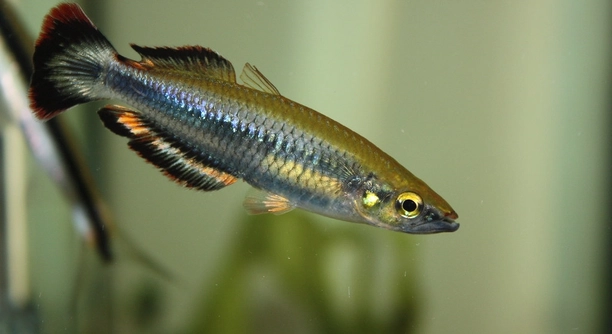
Rainbowfish are colorful and lively additions to any freshwater aquarium. Observing them interact with each other can be fascinating, especially when they form groups and display coordinated swimming patterns throughout the tank.
Rainbowfish have the capacity to recognize and remember their tankmates. Studies indicate they can distinguish familiar individuals from strangers, showing preference or avoidance based on prior interactions, which reflects both social memory and learned behavior in these species.
Understanding these interactions can improve how you manage your tank and the well-being of each fish. Recognizing their memory can influence grouping and care strategies.
How Rainbowfish Recognize Tankmates
Rainbowfish use a combination of sight and behavior to identify other fish in the tank. They notice differences in color patterns, swimming styles, and even subtle body movements. Over time, these observations allow them to remember which individuals are familiar and which are new. Social interactions, such as chasing or schooling, reinforce these memories. Fish that share the same space consistently are more likely to be remembered. Stressful encounters can also leave an impression, causing a fish to avoid certain tankmates later. This recognition plays an important role in maintaining harmony within the tank, reducing aggression and helping establish stable social groups. Tank size, water conditions, and the number of fish influence how well these memories are formed. By providing a consistent environment and minimizing sudden changes, owners can help rainbowfish retain familiarity with their tankmates, promoting smoother interactions and less conflict over time.
This memory helps rainbowfish maintain social order and recognize familiar individuals even after short separations in the tank.
Rainbowfish memory develops through repeated exposure and consistent social cues. Young fish gradually learn to distinguish peers, while adults rely on previous interactions to guide their behavior. A tank with stable groups allows them to build long-term recognition, reducing stress and competition. If new fish are introduced, familiar individuals may show curiosity or mild aggression until the new fish become recognized. Observing these responses can help owners understand social dynamics in their tank. Proper feeding routines, space, and hiding spots also support positive social memory, making interactions calmer. These patterns highlight the intelligence of rainbowfish and their ability to navigate complex social environments, even in confined spaces.
Tips for Encouraging Positive Social Memory
Keeping tankmates consistent supports memory and reduces stress for rainbowfish.
To strengthen social recognition, avoid frequent swapping of fish between tanks or sudden changes in their environment. Consistent feeding times, stable water parameters, and minimal disturbances help fish feel secure. Providing plenty of space and hiding areas encourages natural interactions without overcrowding, giving them opportunities to form bonds. Observing behavior after introducing new tankmates is important; allow gradual acclimation to prevent conflict. Rotating decorations or rearranging the tank too often can confuse rainbowfish and disrupt established social memories. Patience and a steady routine are key. Over time, consistent care allows rainbowfish to remember each other, creating a peaceful, well-structured tank environment. This approach ensures that both familiar and new tankmates can coexist with minimal stress and better overall health.
Social Behavior in Rainbowfish
Rainbowfish often swim in groups, showing coordinated movements that help them feel secure. They pay attention to how other fish behave, adjusting their actions to maintain balance within the group and avoid unnecessary conflict.
These fish rely on repeated interactions to establish familiarity. When tankmates are consistent, rainbowfish can remember who is safe to swim close to and who might cause tension. Familiar individuals often share feeding areas peacefully and show less aggression toward each other. Changes in group composition can temporarily disrupt social order, as fish need time to reassess relationships and recognize new members. Providing stable conditions encourages calmer interactions and strengthens recognition among tankmates, making group life smoother.
Stress or overcrowding can affect their social behavior. Limited space or poor water quality can trigger aggression even among familiar tankmates. Observing their responses in different situations allows owners to adjust the environment, ensuring rainbowfish maintain healthy social patterns. Proper group size, hiding spots, and consistent routines reduce stress and support memory retention.
Recognizing Individual Fish
Rainbowfish identify tankmates by subtle differences in color, size, and movement. These distinctions help them form social bonds and avoid conflict in shared spaces.
Repeated exposure allows fish to remember individuals over time. Familiar fish are approached more calmly, while new or unfamiliar fish may be met with caution or mild chasing. Social hierarchy can form, with dominant individuals asserting control and others following established routines. Proper tank setup, including adequate space and hiding spots, supports these natural behaviors and reduces stress. Recognizing individual differences also helps rainbowfish cooperate during feeding and schooling, creating a stable and balanced environment. Observing interactions closely can provide insight into each fish’s memory and social preferences.
Memory Retention in Rainbowfish
Rainbowfish can remember tankmates for several weeks, sometimes months. They rely on visual cues and repeated interactions to retain these memories, which help maintain social stability in the tank.
Stressful experiences may also be remembered. Fish may avoid certain individuals temporarily, showing that memory influences both positive and negative social behaviors.
Factors Affecting Recognition
Water quality, tank size, and group consistency play important roles in how well rainbowfish remember each other. Frequent changes in environment or overcrowding can disrupt recognition, while stable conditions help them retain familiarity and reduce stress. Proper feeding routines and space allow natural social patterns to develop effectively.
Observing Their Interactions
Watching rainbowfish closely reveals how they remember and react to tankmates. Their behavior shows recognition, preference, and responses to both familiar and new fish.
FAQ
How long can rainbowfish remember their tankmates?
Rainbowfish can remember familiar tankmates for several weeks, sometimes even months. Their memory depends on repeated interactions, visual cues, and the consistency of their environment. Stable conditions and a consistent group of fish help strengthen this memory, while frequent changes can cause confusion and disrupt recognition.
Do rainbowfish recognize individual fish by appearance?
Yes, rainbowfish distinguish tankmates by subtle differences in color patterns, size, and swimming behavior. They rely on these visual cues to identify who is familiar and who is new, which helps maintain social harmony and reduces aggression in the tank.
Can stress affect memory in rainbowfish?
Stressful experiences are remembered as well. Fish may temporarily avoid tankmates after aggressive encounters or environmental stressors. Poor water quality, overcrowding, or sudden changes can increase stress and influence both social behavior and recognition, making it important to maintain a calm, stable environment.
Do rainbowfish show preference for familiar tankmates?
Familiar tankmates are often approached more calmly and allowed to share feeding or swimming areas without conflict. New or unfamiliar fish may be met with caution or mild chasing. This preference is a sign of social memory and helps maintain order in the tank.
How does tank size influence recognition?
Larger tanks with adequate space allow rainbowfish to interact naturally while avoiding constant stress from overcrowding. Smaller or overcrowded tanks can make it difficult for fish to recognize each other and may increase aggression, which interferes with memory retention. Proper spacing supports social stability.
What role does feeding play in social memory?
Consistent feeding routines help rainbowfish associate positive experiences with familiar tankmates. Fish that regularly share food without conflict are more likely to be remembered. Erratic feeding schedules or competition over food can create tension and reduce the effectiveness of social recognition.
Can introducing new fish disrupt memory?
Introducing new fish can temporarily disturb social dynamics. Rainbowfish need time to assess new tankmates and integrate them into the group. Gradual introductions and maintaining familiar fish together help preserve memory while allowing new fish to be recognized safely.
Do rainbowfish recognize tankmates after separation?
Yes, rainbowfish can often recognize tankmates after short periods of separation. Familiar individuals are approached more calmly, indicating they remember previous interactions. Longer separations may weaken recognition, but repeated exposure helps rebuild social memory over time.
Are there ways to enhance recognition among rainbowfish?
Stable water parameters, consistent feeding schedules, adequate space, and minimizing disturbances all support memory retention. Allowing fish to establish consistent routines and social groups helps them recognize each other and maintain peaceful interactions. Observing behavior closely ensures these strategies are effective.
Do all rainbowfish have the same memory capacity?
Memory abilities can vary between species and individual fish. Some rainbowfish may form stronger social bonds and remember tankmates longer, while others are more cautious or easily stressed. Factors like age, health, and past experiences also influence their recognition abilities.
How does aggression affect memory?
Aggressive encounters are often remembered. Fish may temporarily avoid tankmates that were hostile, showing that memory governs both positive and negative interactions. Minimizing triggers such as overcrowding, poor water conditions, or sudden introductions helps reduce aggression and preserves social harmony.
Can environmental changes disrupt memory?
Yes, frequent rearrangement of decorations, sudden water changes, or inconsistent lighting can confuse rainbowfish and temporarily impair their recognition of tankmates. Keeping a stable, predictable environment supports their memory and encourages calm social behavior.
Do rainbowfish interact differently with new versus familiar fish?
Familiar fish are approached confidently and allowed to share space, while unfamiliar fish are often observed cautiously or chased briefly. This behavior reflects their social memory and helps them navigate interactions safely within the tank.
Are there signs that a rainbowfish remembers another fish?
Signs include calm swimming near familiar tankmates, sharing food peacefully, coordinated schooling, and reduced aggression. Avoidance of previously aggressive individuals is another indicator. These behaviors show that memory influences their social interactions and overall tank dynamics.
How can owners support memory and social health?
Maintaining stable water parameters, consistent feeding schedules, adequate space, and hiding spots encourages recognition and reduces stress. Gradual introductions of new fish and observing social patterns allow rainbowfish to build and retain strong social memories over time.
Rainbowfish are remarkable creatures that demonstrate a surprising level of social intelligence. Their ability to recognize and remember tankmates highlights how complex their interactions can be, even in a small aquarium. By observing subtle differences in color, size, and behavior, they can distinguish familiar fish from new ones. These memories play an important role in shaping their daily interactions, from swimming patterns to feeding behavior. When fish share the same space consistently, they tend to exhibit calmer behavior and reduced aggression. This ability to remember tankmates ensures that social hierarchies and group dynamics remain stable, allowing rainbowfish to coexist peacefully. Understanding this aspect of their behavior helps owners provide an environment that supports natural instincts and promotes a balanced community within the tank.
Maintaining a stable environment is crucial for helping rainbowfish retain social memory. Factors such as consistent water parameters, adequate space, and regular feeding routines contribute to their ability to remember each other. Sudden changes in the tank, like rearranging decorations or introducing new fish without preparation, can temporarily disrupt recognition and lead to stress or aggression. By providing familiar surroundings and predictable routines, owners can encourage positive interactions among tankmates. Social memory is strengthened when fish interact regularly under calm conditions, and observing their behavior can provide insights into how well they recognize one another. Stress-free environments not only help fish remember their companions but also improve overall health and well-being, making it easier to maintain harmony in a shared tank.
Recognizing the memory capabilities of rainbowfish allows owners to make more informed decisions about tank management. Selecting compatible tankmates, ensuring sufficient hiding spots, and keeping groups stable over time can all enhance social interactions. It is also important to monitor behavior during introductions or when changes occur, as even minor disturbances can affect social memory. By paying attention to how fish respond to one another, owners can better support natural behavior, prevent conflicts, and create a more enjoyable environment for both the fish and themselves. Understanding that rainbowfish remember tankmates encourages a thoughtful approach to care, emphasizing consistency, observation, and respect for their social needs. This knowledge can transform how a tank is managed, leading to a healthier, calmer, and more harmonious aquatic community.

Hello,
If you enjoy the content that we create, please consider saying a "Thank You!" by leaving a tip.
Every little bit helps us continue crafting quality advice that supports the health, happiness, and well-being of pets around the world, for pets of all shapes, sizes, and species.
We really appreciate the kindness and support that you show us!