
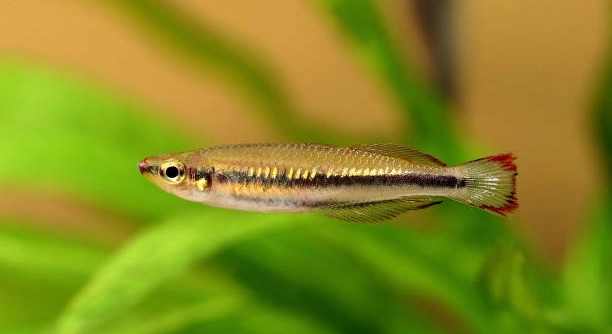
Keeping a community tank healthy can be rewarding, but it takes careful observation and attention to detail. Even small changes in fish behavior or water conditions can signal bigger problems developing quietly in the tank environment.
Early signs of trouble in community tanks often include unusual fish behavior, changes in appetite, cloudy water, excessive algae growth, and stress indicators. Recognizing these warning signs promptly allows aquarists to take corrective measures and prevent severe damage to the ecosystem.
Being aware of these indicators ensures a healthier tank and happier fish, making it easier to maintain balance and prevent long-term issues.
Uneaten Food and Overfeeding
Uneaten food is one of the first signs that something might be off in a community tank. Leftover food can quickly decay, leading to higher ammonia levels and poor water quality. Overfeeding is a common mistake that even experienced aquarists make. It’s easy to think more food means healthier fish, but it often causes stress and illness instead. Observing how much your fish actually eat during feeding times can prevent these problems. Adjusting portions and feeding schedules ensures that all the food is consumed. Some fish eat faster, leaving slower eaters at risk of malnutrition. Using a feeding ring or dividing portions throughout the day can help. Also, removing any leftovers promptly reduces the risk of water contamination. Monitoring food intake closely becomes an essential routine, helping the tank remain balanced and healthy. Consistency in feeding habits makes a noticeable difference in fish behavior and overall tank condition.
Overfeeding can lead to toxic water conditions, which stress the fish and harm the ecosystem.
Careful portioning and observation of feeding habits are key to preventing overfeeding issues. Gradually adjusting the amount of food ensures that each fish receives enough nutrition without excess leftovers. Over time, fish adapt to a steady schedule, which keeps the tank cleaner and reduces the risk of disease. Removing any remaining food promptly after feeding is essential. This not only improves water quality but also maintains the natural balance of bacteria and other organisms in the tank. A tank that receives the right amount of food regularly will show calmer fish, clearer water, and healthier plants. Tools like feeding rings or automatic feeders can help maintain consistency, especially in larger tanks. Paying attention to individual species’ dietary needs ensures that no fish is underfed or overfed. Small adjustments in feeding routines often produce significant improvements in water clarity and overall fish behavior. Regularly checking for leftover food and observing fish responses is an effective habit for sustaining a healthy community tank.
Sudden Changes in Fish Behavior
Sudden aggression or hiding can signal stress or illness among tank inhabitants.
Changes in behavior, such as lethargy, erratic swimming, or avoiding food, are early indicators of trouble. Fish often show subtle signs before water quality issues become severe, making observation critical.
Fish behavior is a reliable indicator of tank health. Stress can result from poor water conditions, overcrowding, incompatible species, or sudden environmental changes. Aggressive interactions between fish often indicate that the balance of the tank is disturbed, sometimes caused by inadequate space or hiding spots. On the other hand, excessive hiding or inactivity can point to illness or poor water quality. Monitoring daily patterns in swimming, feeding, and interaction helps detect problems early. Keeping a consistent environment with proper temperature, filtration, and tank decorations allows fish to feel secure. Sometimes behavior changes are linked to temporary conditions, such as water parameter adjustments or tank cleaning, so noting these events helps identify patterns. Taking quick action, like testing water, rearranging decorations, or isolating affected fish, can prevent escalation. Overall, staying attentive to behavior allows aquarists to intervene early, supporting both fish well-being and a stable tank ecosystem.
Cloudy or Discolored Water
Cloudy or discolored water often signals an imbalance in the tank. It can be caused by overfeeding, insufficient filtration, or bacterial blooms. Monitoring water clarity daily helps prevent long-term issues.
Cloudy water usually results from excess organic waste in the tank. Overfeeding leaves food to decompose, increasing ammonia and nitrite levels, which bacteria then consume. While some cloudiness may appear during new tank setups, persistent murkiness indicates a problem that needs attention. Testing water parameters regularly helps identify imbalances before they harm the fish. Ensuring proper filtration and performing consistent water changes can restore clarity. Adjusting feeding amounts and removing debris promptly also reduces cloudiness.
Discolored water, such as a yellow or brown tint, may come from tannins released by driftwood or decaying plants. While not always harmful, sudden changes in color can stress fish. Regular cleaning and monitoring of water chemistry help maintain a stable environment and prevent disease outbreaks.
Excessive Algae Growth
Excessive algae growth can make a tank look messy and signal nutrient imbalances. It often results from too much light or overfeeding.
Algae thrive in high nutrient conditions, especially when fish produce excess waste. Uneaten food and decaying plant matter also fuel growth. Controlling light exposure and reducing feeding can limit algae development. Manual removal during maintenance helps keep it under control and prevents it from taking over the tank.
To reduce algae long-term, balance light duration, usually eight to ten hours per day. Avoid placing tanks in direct sunlight, which accelerates growth. Regular water changes remove excess nutrients that algae use to spread. Introducing algae-eating fish or invertebrates can help maintain natural control, but overreliance on them without addressing root causes is not effective. Maintaining proper filtration and avoiding sudden changes in water chemistry also limits algae proliferation. Consistency in maintenance routines ensures the tank stays clean, water remains clear, and fish experience less stress from crowded or shaded areas caused by algae.
Fish with Torn Fins or Spots
Torn fins or white spots on fish are clear signs of stress or disease. They often appear after fights, poor water quality, or infections. Prompt attention can prevent worsening conditions.
Fin damage and visible spots should never be ignored. These signs indicate bacterial, fungal, or parasitic infections, which can spread quickly in a community tank. Isolating affected fish and testing water parameters are important first steps. Maintaining clean water and proper nutrition helps fish recover more effectively.
Sudden Water Odor
A sudden, strong smell from the tank usually signals decaying organic matter or excess waste buildup. This can harm fish if not corrected quickly.
Overcrowding Issues
Too many fish in a tank can create constant stress and increase waste production. Overcrowding limits swimming space and can lead to territorial aggression, poor growth, and higher susceptibility to illness. Maintaining a balanced number of fish relative to tank size ensures a healthier environment and more stable water conditions. Proper planning and careful observation are necessary to prevent overcrowding from affecting fish behavior and overall tank stability. Keeping a manageable population allows filtration systems to work effectively and supports long-term tank health.
FAQ
What causes cloudy water in community tanks?
Cloudy water is usually caused by excess waste, uneaten food, or bacterial blooms. Overfeeding and poor filtration are common reasons for cloudiness. Testing water parameters regularly, performing water changes, and ensuring proper filtration can quickly restore clarity. Removing debris and adjusting feeding routines also helps prevent repeated cloudiness.
How can I tell if my fish are stressed?
Signs of stress include hiding, erratic swimming, loss of appetite, and changes in coloration. Aggression between fish or unusual lethargy can also indicate stress. Observing daily behavior and maintaining stable water parameters reduces stress and promotes healthier, more active fish.
Why do algae grow so fast in my tank?
Algae thrive when there is excess light or high nutrient levels from fish waste and leftover food. Reducing light exposure, performing regular water changes, and removing debris can limit algae growth. Introducing algae-eating species also helps control buildup naturally.
What should I do if my fish have torn fins or white spots?
Torn fins and white spots often indicate bacterial, fungal, or parasitic infections. Isolating affected fish and testing water parameters is important. Clean water, proper nutrition, and medication when necessary support recovery. Early attention prevents the issue from spreading to healthy fish.
How do I manage overfeeding?
Feed only what your fish can consume in a few minutes. Remove leftovers promptly to prevent water contamination. Dividing daily portions into smaller feedings helps fish digest better and keeps the tank cleaner. Adjusting portions based on fish size and activity level ensures balanced nutrition.
What are the risks of overcrowding?
Overcrowding increases waste, stress, and aggression. Fish may compete for food and hiding spots, leading to illness or injury. Proper stocking based on tank size and species requirements allows fish to thrive. Keeping fewer fish helps maintain water quality and a stable environment.
How often should I check water parameters?
Testing water at least once a week is recommended for ammonia, nitrite, nitrate, and pH levels. More frequent testing is needed if problems arise. Regular monitoring prevents sudden water quality issues and helps maintain a healthy tank environment.
Can sudden behavior changes indicate illness?
Yes, sudden hiding, erratic swimming, or loss of appetite can signal disease or poor water conditions. Observing fish daily and identifying patterns helps detect problems early. Quick corrective action, like water changes or isolating sick fish, improves chances of recovery.
What is the best way to prevent excessive algae growth?
Control light exposure, avoid overfeeding, and perform regular water changes. Remove decaying plants and debris promptly. Balanced water chemistry, proper filtration, and introducing algae-eating species support long-term algae management. Consistency in maintenance is key to preventing overgrowth.
How do I keep a community tank balanced?
Maintain proper stocking levels, monitor water quality, feed appropriately, and observe fish behavior. Regular maintenance, including water changes, debris removal, and filter cleaning, supports a stable environment. Addressing early signs of stress or illness ensures long-term health for all fish in the tank.
What should I do if the tank smells bad?
A strong odor indicates decaying organic matter or excess waste. Remove uneaten food, perform water changes, and clean filters. Checking water parameters and maintaining consistent tank maintenance routines helps prevent recurring odors and keeps the environment safe for fish.
How can I tell if a tank is overcrowded?
Signs include frequent aggression, constant hiding, poor growth, and water quality issues. Counting fish relative to tank size and considering species behavior helps prevent overcrowding. Reducing numbers or upgrading tank size maintains a healthier environment and less stressed fish.
Is it normal for water to discolor sometimes?
Slight yellow or brown tint can come from driftwood or decaying plants and is usually harmless. Sudden or strong discoloration may indicate waste buildup or poor water quality. Regular cleaning and water testing ensure a stable, safe environment for fish.
How do I prevent diseases from spreading in a community tank?
Quarantine new fish before adding them to the main tank. Maintain clean water, avoid overcrowding, and monitor fish for early signs of illness. Quick isolation and treatment of affected fish prevent disease from spreading and protect the overall tank ecosystem.
What daily habits help keep a tank healthy?
Feed fish appropriately, remove leftover food, check water clarity, and observe fish behavior. Small daily actions like testing water, cleaning debris, and ensuring proper filtration prevent bigger problems and create a stable, stress-free environment for all tank inhabitants.
This FAQ covers common concerns about community tanks, providing practical guidance for maintaining a healthy, balanced aquatic environment. Careful observation and consistent maintenance prevent most issues before they escalate, keeping fish active and water conditions stable.
Keeping a community tank healthy requires careful attention and consistent effort. Every fish, plant, and piece of equipment in the tank contributes to the overall balance, and even small changes can have a noticeable impact. Monitoring water quality, observing fish behavior, and maintaining proper feeding routines are all essential steps in preventing problems. Cloudy water, excessive algae, torn fins, and unusual behavior are often early signs that something is off, and addressing them quickly can prevent bigger issues down the line. Consistency in daily and weekly care routines is more effective than occasional intensive cleaning or sudden changes.
Overfeeding and overcrowding are two of the most common challenges in community tanks. Feeding more than your fish can consume quickly pollutes the water and stresses the ecosystem. Overcrowding creates competition for food, hiding spots, and swimming space, which can lead to aggression and illness. Keeping the right number of fish for the tank size, providing adequate hiding areas, and dividing feedings into small, manageable portions helps reduce stress and maintain a stable environment. Regular water testing and timely water changes ensure that ammonia, nitrite, and nitrate levels remain safe. Observing fish closely helps detect subtle signs of illness or discomfort before they escalate. Even small adjustments, like removing leftover food promptly or rearranging tank decorations, can significantly improve fish health and water quality.
Maintaining a community tank is not just about fixing problems but about creating a stable, balanced environment where all inhabitants can thrive. Paying attention to behavior, water clarity, and overall tank conditions helps prevent stress and disease. Using proper filtration, controlling light exposure, and introducing algae-eating species when needed supports long-term balance. Each action, no matter how small, contributes to a healthier, calmer, and more enjoyable aquarium. By staying consistent, observant, and proactive, you can enjoy the beauty and activity of a well-maintained community tank while giving your fish the best chance to flourish. Regular care builds a stronger, more resilient ecosystem and allows you to appreciate the subtle behaviors and interactions that make community tanks so rewarding.

Hello,
If you enjoy the content that we create, please consider saying a "Thank You!" by leaving a tip.
Every little bit helps us continue crafting quality advice that supports the health, happiness, and well-being of pets around the world, for pets of all shapes, sizes, and species.
We really appreciate the kindness and support that you show us!