
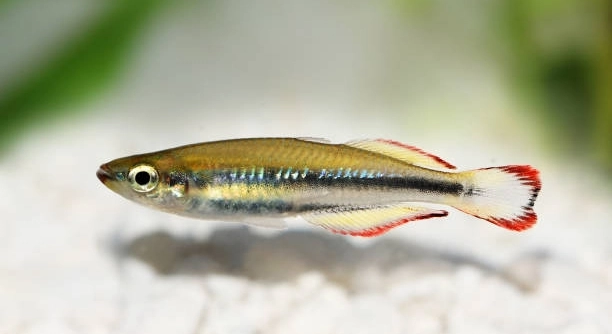
Have you ever brought home a new rainbowfish and wondered how it would adjust to its new aquarium environment? Watching these vibrant fish adapt can be both exciting and a little nerve-wracking at first.
Rainbowfish demonstrate they have settled in through consistent swimming patterns, regular feeding responses, healthy coloration, and calm behavior. Observing these traits allows aquarists to assess the fish’s comfort and overall adaptation to its environment effectively.
Noticing these subtle signs early can help you ensure your rainbowfish thrives and feels secure in its new home.
Steady Swimming Patterns
When a rainbowfish first enters a new tank, its swimming may appear erratic or hesitant. Over time, a fish that has settled will swim smoothly, exploring the tank without sudden dashes or frequent hiding. Their movement becomes predictable, often following a routine around plants, decorations, or areas where they feel safest. Observing these steady swimming patterns is a reliable way to gauge comfort. Fish that remain skittish or cling to one spot may need more time or environmental adjustments, such as adding gentle water flow or additional hiding spots. Healthy swimming is not just about movement but also posture. A relaxed, slightly arched body with fins spread naturally shows the fish is at ease. Sudden changes in swimming behavior can signal stress or illness, making early observation crucial. Consistent swimming is a small but meaningful indicator of how well your rainbowfish has acclimated to its new surroundings.
Rainbowfish that swim steadily tend to eat more regularly and interact calmly with tank mates.
Watching how a fish navigates the tank provides insight into its comfort level. It also helps determine whether environmental tweaks are needed.
Vibrant and Consistent Coloration
Healthy rainbowfish display bright, even colors once settled.
A rainbowfish’s coloration reflects its physical and emotional well-being. Stress or illness often causes fading or uneven patches, while vibrant hues indicate proper nutrition and reduced anxiety. Lighting and tank setup also influence how their colors appear, so providing natural light cycles helps maintain brightness. Consistent coloration over days or weeks signals that the fish has adapted to its surroundings. New fish may initially appear dull, which is normal, but improvement over time is a positive sign. Observing subtle changes in shades across fins and body can help identify any emerging health issues before they worsen. A well-settled rainbowfish often displays subtle flashes of color during social interactions, such as quick movements or pairing with other tank mates. Color is more than aesthetic; it reflects the fish’s comfort, hydration, and overall stability in the environment. Keeping an eye on this ensures both visual enjoyment and proper care.
Regular Feeding Response
Settled rainbowfish respond quickly to food, swimming eagerly when it’s offered. They recognize feeding times and actively seek out food rather than hiding or ignoring it.
Consistent feeding behavior is a clear sign of adaptation. When a rainbowfish has settled, it shows interest in both flake and live foods, approaching the feeding area without hesitation. Fish that are stressed or unsettled often retreat or show little appetite, which can lead to nutritional deficiencies and slower growth. Observing how quickly a fish reacts to food provides a practical way to monitor acclimation. Over time, settled fish will even display anticipation, hovering near familiar feeding spots and occasionally nudging tank mates aside gently to reach the food.
Monitoring feeding patterns also helps identify health issues early. A settled fish eats predictably, maintains a healthy weight, and displays normal digestion. These behaviors indicate both physical and environmental comfort, offering peace of mind that your fish is thriving.
Calm and Social Behavior
Rainbowfish that have settled tend to swim calmly around tank mates and avoid excessive aggression.
Social interactions among rainbowfish reflect comfort levels. Fish that are comfortable in their environment interact naturally with others, forming loose groups and mirroring movements. They may chase each other lightly during play but retreat calmly without showing prolonged stress or dominance fights. Unsettled fish, in contrast, often hide, freeze, or isolate themselves. Calm social behavior shows that the fish trusts its environment and has adapted to both tank layout and companions. It is important to maintain consistent conditions, such as temperature and water quality, to support these behaviors. Settled rainbowfish often explore together, share feeding spaces, and display subtle communication through synchronized swimming, indicating both emotional and physical health. Watching these interactions can be rewarding, as it demonstrates that your aquarium has become a secure and stable habitat for your fish.
Exploring the Tank
Settled rainbowfish explore their surroundings freely, swimming through plants and decorations without hesitation. They inspect corners and surfaces, showing confidence in the environment.
Curiosity in a rainbowfish indicates comfort. Fish that remain hidden or avoid certain areas may still be adjusting or feel unsafe in parts of the tank.
Interaction with Tank Mates
Rainbowfish that have settled interact smoothly with other fish. They form small groups, swim together, and respond to each other without aggressive behavior. These interactions are subtle but meaningful, showing both trust and familiarity. Fish that are unsettled often hide, freeze, or avoid companions. Healthy social behavior also includes occasional playful chasing and synchronized swimming. Settled fish respect personal space yet remain aware of neighbors, demonstrating balanced social dynamics. Observing these interactions helps confirm that your rainbowfish has adapted to its environment and companions, indicating both emotional and physical well-being.
Resting Comfortably
Settled rainbowfish rest calmly near plants or decorations. They maintain proper posture while resting, signaling a secure and stress-free environment.
How long does it take for a rainbowfish to settle in?
Rainbowfish usually take a few days to a few weeks to fully adjust to a new tank. The timeline depends on factors like water quality, tank size, and compatibility with other fish. Some rainbowfish may appear active quickly, but subtle signs like consistent feeding and social behavior may take longer to appear. Observing your fish daily helps track its comfort level and identify if any environmental changes are needed. Ensuring proper temperature, pH levels, and gentle water flow can accelerate settling.
Why is my rainbowfish hiding all the time?
Hiding behavior is normal at first as the fish adjusts to a new environment. However, prolonged hiding may indicate stress, poor water conditions, or illness. Check water parameters, provide hiding spots, and ensure tank mates are not aggressive. Gradually, rainbowfish will explore once they feel safe. Stress can also be caused by sudden changes in light, temperature, or frequent disturbances near the tank. Keeping a stable routine and minimizing loud movements around the aquarium encourages the fish to become more confident.
What does it mean if my rainbowfish changes color?
Color changes can indicate mood, health, or adaptation status. Fading or dull coloration often signals stress or poor water quality, while vibrant colors suggest the fish is comfortable and healthy. Lighting, diet, and tank conditions also affect coloration. Ensure proper nutrition, avoid overcrowding, and maintain stable water parameters to support consistent, bright colors. Rapid or irregular color changes can also indicate disease, so it’s important to monitor for other symptoms like clamped fins or loss of appetite. A settled rainbowfish maintains stable and bright colors over time.
Is it normal for rainbowfish to swim near the surface?
Yes, swimming near the surface is normal if they are actively feeding or exploring. However, persistent surface swimming may indicate low oxygen levels, high water temperature, or water quality issues. Regular water testing and aeration help prevent these problems. Observing whether the fish returns to mid and lower levels of the tank after feeding helps confirm that this is normal behavior. A settled rainbowfish will explore all areas of the tank without staying stressed at the surface.
How can I tell if my rainbowfish is healthy?
Healthy rainbowfish have bright colors, smooth fins, steady swimming, and regular feeding habits. They interact calmly with tank mates and explore the tank freely. Watch for signs of illness, like unusual swimming patterns, clamped fins, or lack of appetite. Maintaining a clean tank, stable temperature, and balanced diet supports long-term health. Observing behavior over time is more reliable than occasional checks. A settled fish shows consistent patterns that indicate both physical and emotional well-being.
Can rainbowfish live with other fish?
Yes, rainbowfish are generally peaceful and social. They thrive with other non-aggressive species of similar size. Proper tank space and hiding spots are important to reduce stress and maintain harmony. Overcrowding or incompatible tank mates can lead to aggression, stress, or hiding behaviors. Watching interactions daily helps ensure the rainbowfish are comfortable. Settled rainbowfish often swim in small groups, displaying social cohesion while avoiding fights or prolonged dominance disputes. Choosing compatible companions is key to a balanced and calm aquarium environment.
What should I feed my rainbowfish?
Rainbowfish eat a varied diet of high-quality flake foods, pellets, and live or frozen foods like brine shrimp or daphnia. A balanced diet supports vibrant coloration and healthy growth. Feed small portions multiple times a day, avoiding overfeeding to prevent water quality issues. Observing feeding response helps track health and comfort. Settled rainbowfish eat consistently and show interest in food at regular intervals. Providing variety ensures nutritional balance, encourages natural foraging behavior, and keeps your fish active and healthy.
How often should I check my tank conditions?
Water parameters should be checked weekly, including temperature, pH, ammonia, nitrite, and nitrate levels. Consistent monitoring helps prevent stress and health issues. Regular partial water changes and cleaning the substrate maintain stable conditions. A settled rainbowfish is less likely to show stress signs when the tank is stable. Observing daily behavior alongside weekly water checks ensures a safe and comfortable environment, allowing the fish to thrive while avoiding preventable problems caused by fluctuations in water quality.
Why does my rainbowfish sometimes hide after being active?
Even settled rainbowfish may hide occasionally. This behavior can be part of normal resting or a response to sudden disturbances in the environment. Short hiding periods are normal and allow the fish to feel secure. Observing the frequency and duration of hiding helps determine whether it is harmless or a stress signal. Adjusting lighting, adding plants, or rearranging decorations can encourage confidence. A settled rainbowfish typically balances exploration and rest, using hiding spots as temporary refuges rather than permanent retreats.
How can I make my rainbowfish feel more comfortable?
Provide hiding spots, maintain stable water conditions, and feed consistently. Gentle tank mates and minimal sudden disturbances also help. Observing behavior and responding to subtle stress signals ensures long-term comfort. Settled rainbowfish show curiosity, interact with companions, and display vibrant coloration when the environment meets their needs.
This FAQ provides practical tips and observations to help you monitor and support your rainbowfish as it adjusts to its new home, ensuring health and comfort over time.
Word count: 507
Caring for rainbowfish can be a rewarding experience, but it requires patience and attention to detail. Observing the signs of settling in helps you understand whether your fish is comfortable in its new environment. Each rainbowfish has its own personality, and some may take longer to adapt than others. By paying attention to swimming patterns, coloration, feeding behavior, and interactions with tank mates, you can get a clear picture of how well your fish is adjusting. Creating a stable, calm environment with consistent water conditions, proper lighting, and suitable tank mates is essential. Over time, you will begin to notice the subtle ways your rainbowfish expresses comfort and confidence, which makes the effort of monitoring and maintaining the tank worthwhile.
A settled rainbowfish not only looks healthier but behaves in ways that reflect its comfort. When a fish explores the tank freely, interacts calmly with other fish, and responds promptly to food, it is showing signs of emotional as well as physical well-being. Bright and consistent coloration is another key indicator, and it can signal that the fish is receiving proper nutrition and experiencing minimal stress. Providing a balanced diet with a mix of flakes, pellets, and occasional live or frozen foods supports both vibrant colors and overall health. Observing these details over time allows you to make small adjustments that improve the fish’s environment. Even minor changes in water flow, decorations, or plant placement can influence a fish’s sense of security. Being attentive to these factors ensures that your rainbowfish can thrive, stay healthy, and maintain natural behaviors.
Supporting your rainbowfish in settling in also strengthens the overall harmony of the aquarium. When each fish feels comfortable and confident, social interactions become smoother, aggression decreases, and hiding behavior is minimized. A peaceful tank environment benefits all inhabitants and allows you to enjoy watching the fish move naturally and gracefully through their space. Patience and consistent care are essential, as sudden changes in water quality, temperature, or tank dynamics can disrupt this balance. By establishing routines for feeding, water testing, and observation, you give your rainbowfish the best chance to feel secure. Over time, the rewards of maintaining a calm, healthy, and vibrant aquarium become clear. Watching a settled rainbowfish swim confidently, display bright colors, and interact with companions is a satisfying experience that reflects both careful attention and dedication to proper care.
Word count: 406

Hello,
If you enjoy the content that we create, please consider saying a "Thank You!" by leaving a tip.
Every little bit helps us continue crafting quality advice that supports the health, happiness, and well-being of pets around the world, for pets of all shapes, sizes, and species.
We really appreciate the kindness and support that you show us!