
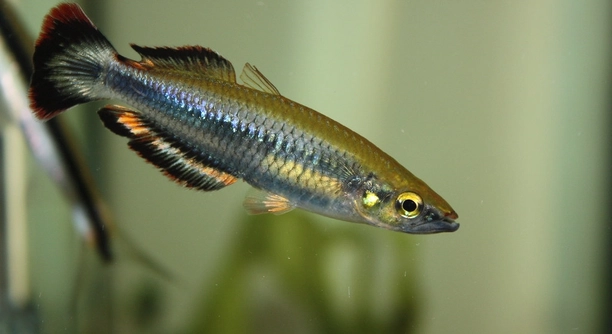
Rainbowfish are often misunderstood in home aquariums, with assumptions shaping how people view their social habits, activity levels, and care needs, even though their behavior is more balanced and predictable than many expect overall daily.
Misconceptions about rainbowfish behavior commonly arise from limited observation and improper tank conditions. These fish are generally peaceful, socially interactive, and consistent in activity when housed correctly, fed appropriately, and provided stable environments that support natural schooling and movement patterns.
Clear insight into these behaviors helps aquarists create calmer tanks, reduce stress, and appreciate rainbowfish as engaging, dependable community species.
Rainbowfish Are Not Always Aggressive
I often hear that rainbowfish are aggressive tank bullies, yet this idea rarely matches reality. In most home aquariums, rainbowfish display calm, social behavior when kept in proper groups. They prefer swimming together, establishing loose hierarchies without constant conflict. Problems usually appear only when tanks are overcrowded or too small. Limited space increases stress, which can lead to chasing and fin nipping. When given adequate room, hiding areas, and consistent feeding, aggression tends to fade. Their active swimming can look intense, but it is usually playful or social rather than hostile. I have noticed that mixed gender groups also balance behavior, reducing competition. Understanding their natural schooling instincts helps explain why they interact so closely. What looks like dominance is often communication. Recognizing this distinction allows keepers to manage tanks more confidently and avoid unnecessary separations that disrupt established social structure over time in stable, well maintained aquarium settings environments.
Active movement is often mistaken for hostility, especially by new keepers. In reality, rainbowfish are energetic swimmers by nature. Their speed reflects comfort and health, not intent to harm tank mates when conditions support their needs with proper space, stable water quality, and thoughtful stocking choices over long periods consistently.
Tank size plays a major role in shaping rainbowfish behavior, yet this detail is frequently overlooked. Smaller tanks compress movement patterns and increase encounters, raising stress levels. In contrast, longer tanks allow continuous swimming, which suits their natural habits. I have found that aquariums with clear swimming lanes and planted edges create balance. Fish can interact without feeling trapped. Consistent lighting and feeding schedules further reduce tension. When the environment supports predictable routines, rainbowfish remain calm and coordinated. This stability benefits not only them but also other community species sharing the same space peacefully over time in well managed aquariums.
Rainbowfish Are Not Constantly Nervous
Another misconception suggests rainbowfish are always nervous or shy. This belief often comes from observing newly introduced fish. During adjustment periods, cautious behavior is normal. Once settled, rainbowfish display confidence, curiosity, and steady interaction within familiar surroundings when tank conditions remain stable, calm, and predictable for extended periods of time.
Stress responses in rainbowfish are closely tied to environmental changes rather than personality traits. Sudden shifts in lighting, temperature, or water quality can cause temporary withdrawal. I have seen this happen after rapid tank cleanings or decor rearrangements. Given time, stability restores normal behavior. Providing consistent parameters helps rainbowfish feel secure and visible. School size also matters. Keeping too few individuals increases alertness and hiding. Larger groups spread attention and encourage relaxed movement. Diet plays a role as well. Regular feeding with varied, appropriate foods supports energy without overstimulation. When all these elements align, rainbowfish show open swimming, bright coloration, and social displays. Labeling them as nervous overlooks how responsive they are to care quality. Their behavior reflects their surroundings more than innate fearfulness. Observing them over weeks instead of moments offers a clearer understanding. Patience and routine allow their natural confidence to emerge steadily within the aquarium. This approach has helped me maintain calmer tanks and healthier fish long term. It reinforces the importance of observation, consistency, and thoughtful care practices that respect natural rhythms and reduce unnecessary stress in everyday aquarium management for lasting behavioral stability and overall wellbeing across diverse setups and experience levels combined together naturally.
Rainbowfish Need More Than One Or Two
Many people believe rainbowfish can live comfortably alone or in pairs. In practice, small numbers increase stress and erratic movement. These fish rely on group dynamics for security, communication, and balanced behavior, especially in shared aquariums with active tank mates over extended periods without proper social structure support available consistently.
Rainbowfish evolved to swim in sizable schools where movement and color signals reduce tension. When kept in groups of six or more, behavior becomes predictable and calm. I have noticed feeding responses improve, with less frantic motion. Social spacing evens out, limiting repeated chasing. Smaller groups force individuals to remain alert, which drains energy over time. This constant awareness can dull coloration and disrupt feeding patterns. Group living allows shared vigilance, letting each fish rest between bursts of activity. The result is smoother swimming and healthier interactions across the tank for long term stability, reduced stress, and consistent daily behavior.
Tank size and layout matter when supporting proper group numbers. Longer aquariums provide continuous swimming lanes that prevent clustering. I prefer setups with open centers and planted edges. This design allows schooling without crowding. Adequate filtration keeps oxygen levels stable, supporting active metabolism. When space matches group size, rainbowfish display steady pacing rather than bursts of panic. They interact briefly, then separate naturally. This rhythm mirrors behavior seen in natural habitats. Providing appropriate group numbers transforms overall tank balance and reduces unnecessary stress responses over time, improving health, color, feeding, and long term stability for community aquariums everywhere consistently maintained.
Rainbowfish Are Difficult To Care For
Rainbowfish are often labeled difficult to care for, yet their needs are straightforward. Stable water parameters, regular maintenance, and varied diets meet most requirements. I have found consistency matters more than precision. Sudden changes cause issues, while steady routines support resilience. Once established, they adapt well and show fewer health problems than many similarly active species when kept in properly sized aquariums with reliable filtration and consistent observation habits over extended periods of time overall.
Most care challenges linked to rainbowfish stem from misinformation rather than complexity. They tolerate a range of water values when changes happen gradually. I focus on weekly maintenance instead of constant adjustments. Balanced feeding prevents digestive stress and erratic swimming. High quality flakes, frozen foods, and occasional live options work well. Lighting should remain consistent, avoiding abrupt shifts. Secure lids are important since active swimming can lead to jumping. When these basics are followed, rainbowfish thrive with minimal intervention. Their behavior becomes reliable, making daily care predictable. Simplifying routines reduces mistakes and supports long term success in community aquariums by encouraging observation, patience, consistency, and confidence for keepers managing planted, mixed, or species focused freshwater tanks over time without unnecessary complexity or constant worry involved.
Rainbowfish Do Not Disrupt Community Tanks
Rainbowfish are often thought to be poor community fish, yet they usually coexist peacefully. I have kept them with tetras, corydoras, and peaceful barbs. Problems appear only when tank mates are overly aggressive, territorial, or much slower moving species that feel pressured by constant motion inside shared aquariums over time.
Their fast swimming can intimidate calmer fish, which leads to misplaced blame. I prefer pairing them with confident, midwater species that enjoy movement. Adequate space allows everyone to settle. When compatibility is respected, rainbowfish blend smoothly into mixed tanks without ongoing stress and maintain stable behavior patterns daily long term.
Rainbowfish Do Rest At Night
Rainbowfish are sometimes assumed to be inactive at night, but their behavior simply shifts. They rest without deep sleep, remaining alert to changes. I notice gentle hovering near plants or driftwood. This is normal and healthy. Darkness reduces color intensity, which some mistake for illness. Consistent lighting schedules help regulate rest cycles. Sudden light changes can cause darting. Providing dim transitions supports calm behavior. Nighttime stillness does not signal weakness. It reflects natural rhythm shaped by safety and energy conservation within stable aquarium environments. I find this pattern consistent across well maintained tanks with minimal external disturbances over long periods.
Constant Activity Is Not Required
Some believe rainbowfish constantly need stimulation, yet calm periods are essential. I allow quiet hours without interaction. This balance prevents exhaustion. Continuous activity often signals stress, not happiness. Providing rest zones with plants and steady flow encourages natural pacing and long term wellbeing in active community aquariums for all inhabitants.
FAQ
How many rainbowfish should I keep in a tank?
Rainbowfish are schooling fish, so keeping at least six individuals is ideal. Smaller groups increase stress and promote skittish behavior. In larger aquariums, groups of eight to twelve work best. I have observed that proper schooling reduces chasing, improves feeding behavior, and keeps colors vibrant over time.
Can rainbowfish live with other fish?
Yes, they are generally peaceful and thrive with midwater, non-aggressive species. Tetras, rasboras, and peaceful barbs usually mix well. Avoid overly territorial or slow-moving bottom dwellers that may feel intimidated. I have kept rainbowfish with corydoras and found that both species maintained calm, predictable routines without stress.
Do rainbowfish need special water conditions?
Rainbowfish prefer stable water parameters, but they are adaptable. Slight variations in temperature, pH, or hardness are tolerated if changes are gradual. I emphasize consistency over perfection. Sudden shifts can trigger hiding or erratic swimming. Reliable filtration and weekly maintenance are more important than precise numeric values.
What should I feed rainbowfish?
A varied diet keeps rainbowfish healthy. High-quality flakes, frozen foods like brine shrimp or daphnia, and occasional live food work well. Feeding small portions two to three times daily prevents overeating and reduces water contamination. I mix foods to maintain energy, color, and overall vitality consistently.
Do rainbowfish get along with plants?
Yes, they interact well with planted aquariums. Live plants provide hiding spaces and resting areas without interfering with swimming. I use floating and rooted species to create layers, giving them security while allowing open lanes for movement. Planted tanks also support water quality naturally over time.
Are rainbowfish prone to disease?
Rainbowfish are generally hardy if cared for properly. Poor water quality, overfeeding, or overcrowding are the main causes of illness. I monitor behavior and color daily. Any sudden changes, like clamped fins or lethargy, often indicate environmental issues rather than an inherent weakness in the fish themselves.
How do rainbowfish behave at night?
They reduce activity and hover near plants or decorations, resting without deep sleep. I notice gentle shifts in position as they remain alert. Consistent lighting schedules help regulate this behavior. Darkness can reduce color intensity, but this is natural and not a sign of illness or stress.
Do rainbowfish require tankmates to thrive?
Yes, schooling behavior is essential. Individuals kept alone or in pairs appear stressed, hide frequently, and may lose coloration. I always recommend groups of six or more. Adequate tank size and compatible species allow natural social behaviors to emerge, supporting long-term health and consistent activity patterns.
Is tank size important for rainbowfish?
Absolutely. Longer tanks with open swimming lanes suit their active nature. I find that tanks under 30 gallons for small groups limit movement and increase stress. Spacious setups with planted edges allow schooling, natural pacing, and healthy interactions, reducing aggression and erratic motion over time.
How do I prevent aggression in rainbowfish?
Aggression is rarely inherent. Overcrowding, small tanks, or incompatible tankmates trigger chasing or fin nipping. I keep groups in proper numbers, provide hiding spots, and maintain stable environments. Observing behavior helps detect early signs of stress, allowing adjustments before conflicts escalate. Proper care encourages peaceful, predictable schooling patterns.
Can rainbowfish jump out of the tank?
Yes, they are active swimmers and may jump if startled. I always use secure lids and avoid sudden lighting changes. Open swimming lanes and minimal external disturbances reduce the likelihood of jumping. I have found that calm, predictable routines minimize these incidents while keeping fish safe and stress-free.
How long do rainbowfish live?
Rainbowfish typically live five to eight years with proper care. Stable water, balanced diets, and adequate group sizes promote longevity. I have kept rainbowfish exceeding seven years, showing vibrant colors and steady behavior. Consistency in care is more important than attempting perfection in water parameters.
Do rainbowfish need decorations?
Decorations aren’t mandatory, but plants, driftwood, and rocks provide resting spots, boundaries, and security. I prefer layouts that balance open swimming space with sheltered areas. This reduces stress, encourages schooling, and supports natural behavior. Overcrowding the tank with decor can limit swimming and lead to erratic activity.
Are rainbowfish easy to breed?
Breeding is straightforward if conditions are stable. I use slightly acidic to neutral water and fine-leaved plants for egg deposition. Removing adults after spawning prevents predation. Eggs hatch in a few days, and fry require small foods like infusoria or microworms. Patience and consistency lead to successful reproduction.
Do rainbowfish change color?
Color intensity reflects health, mood, and environment. Bright colors indicate good diet, schooling comfort, and stable water. Stress, poor nutrition, or illness dulls coloration. I monitor these changes daily to gauge overall wellbeing. Proper tank conditions and group dynamics maintain consistent vibrancy throughout their lifespan.
Can rainbowfish adapt to new tanks quickly?
Acclimation takes a few days. I introduce them slowly, adjusting water parameters gradually. Hiding spots reduce stress during this period. While some initial skittish behavior is normal, rainbowfish usually resume normal swimming and feeding once they feel secure. Patience ensures smooth transitions and prevents long-term behavioral issues.
Is frequent feeding necessary?
No, two to three small feedings daily are sufficient. Overfeeding harms water quality and health. I balance portions to avoid leftovers while ensuring proper nutrition. Varied foods support color, energy, and immunity. Maintaining this feeding schedule consistently keeps rainbowfish lively without causing stress or digestive issues.
How much attention do rainbowfish require?
Rainbowfish appreciate observation but do not demand constant interaction. I watch them for behavior cues, feeding patterns, and health. Regular monitoring is enough to detect problems early. Stress often comes from environmental instability rather than neglect. Calm routines encourage confident, predictable schooling behaviors.
Can rainbowfish live with aggressive species?
They do best with peaceful or moderately active tankmates. Aggressive species cause stress, hiding, and color loss. I avoid pairing them with cichlids or large, territorial fish. Compatible companions allow social behaviors, reduce chasing, and maintain healthy energy levels for all tank inhabitants over time.
Do rainbowfish need water changes?
Yes, regular water changes are essential. I perform weekly partial changes to maintain stable conditions and water quality. This supports metabolism, reduces disease risk, and encourages natural schooling behavior. Consistent maintenance prevents stress responses and ensures vibrant coloration and activity over the long term.
Are rainbowfish sensitive to temperature changes?
They tolerate a range of 72–82°F but prefer gradual adjustments. Sudden changes cause stress and hiding. I maintain stable temperatures using reliable heaters and monitoring tools. Consistency supports active swimming, feeding, and social interaction. Proper temperature control is key to overall health and behavior.
Do rainbowfish require special lighting?
Moderate lighting is sufficient. I provide a regular day-night cycle to support natural rhythms. Sudden bright light or constant illumination can trigger stress. Plants and decorations diffuse light, giving rest areas. Balanced lighting maintains coloration, encourages natural activity patterns, and helps regulate resting behavior consistently.
Can rainbowfish jump from stress or boredom?
Jumping usually indicates sudden disturbance or cramped conditions. I ensure enough space, hiding areas, and minimal external disruption. Active schooling in spacious tanks reduces jumping incidents. Providing routine and environmental stability keeps rainbowfish calm, alert, and safe, preventing escapes or injuries over time.
Are rainbowfish suitable for beginners?
Yes, they are hardy and adaptable. Consistent care, proper group sizes, stable water, and varied diet meet their needs. I recommend them for first-time keepers willing to observe, maintain routines, and provide adequate space. Their predictable behavior and social schooling make them rewarding, engaging fish without excessive effort.
Do rainbowfish interact with tankmates or decorations?
They engage socially within their school and explore decorations. I have noticed them swimming through plants, hovering near driftwood, and briefly investigating neighbors without aggression. This interaction enhances activity and natural behaviors. Adequate space prevents stress while allowing exploration, leading to a healthy, balanced tank environment.
Can rainbowfish adapt to different pH levels?
They tolerate a range of 6.5–8.0 if transitions are gradual. Sudden pH changes trigger stress or hiding. I adjust parameters slowly, monitoring reactions. Maintaining stable, slightly soft to neutral water supports color, feeding, and social behavior. Adaptation works best with consistent observation and care.
Do rainbowfish require high oxygen levels?
Moderate oxygenation is sufficient. I use gentle filtration and surface movement to maintain dissolved oxygen. Excessive aeration isn’t necessary, but stagnant water causes stress. Well-oxygenated tanks support energy, schooling, and metabolism, preventing lethargy and promoting active, confident behavior in both small and large aquariums over extended periods.
How often should I clean a rainbowfish tank?
Weekly partial water changes and substrate maintenance are enough. I remove debris while preserving beneficial bacteria. Overcleaning or sudden full water changes can stress fish. Consistent care maintains clarity, water quality, and natural behavior. Steady maintenance routines prevent health issues and support calm, predictable rainbowfish behavior consistently.
Do rainbowfish need hiding spots?
Yes, plants and decorations provide security and rest areas. I arrange open swimming lanes with clusters of plants to support schooling. Hiding spots reduce stress, allow natural resting, and maintain social harmony. Proper tank layout encourages activity without crowding, improving long-term wellbeing for rainbowfish and tankmates alike.
Can rainbowfish live in small tanks?
Small tanks limit swimming space and increase stress. I avoid setups under 30 gallons for schooling groups. Larger tanks allow movement, natural pacing, and calmer behavior. Providing appropriate space for group dynamics maintains color, energy, and social stability, making rainbowfish healthier and easier to care for over time.
Are rainbowfish prone to jumping at night?
They rarely jump during resting periods. I ensure secure lids and dim lighting for night cycles. Most nighttime activity is hovering near plants. Jumping usually occurs only with disturbances or insufficient space. Predictable routines reduce stress and prevent accidents, supporting safe nocturnal behavior consistently.
Do rainbowfish recognize their keepers?
They respond to movement and feeding cues rather than individual recognition. I notice anticipation at feeding times, but this reflects routine familiarity, not personal identification. Predictable daily schedules foster trust and reduce stress, encouraging confident swimming and social behaviors in well-maintained aquariums.
Are rainbowfish compatible with shrimp and snails?
Yes, they coexist peacefully with small invertebrates. I keep live plants and provide hiding spaces for shrimp and snails. Rainbowfish may investigate but rarely prey on them. Adequate space and food reduce chasing behavior, promoting harmony among species in community tanks over long-term care scenarios.
Do rainbowfish need current in the tank?
Moderate flow mimics natural habitats and encourages activity. I use gentle filtration to create consistent movement without stress. Excessive currents tire fish and disrupt schooling. Balanced flow supports swimming, reduces debris, and promotes healthy behavior while maintaining calm, predictable dynamics in active community aquariums.
Can rainbowfish tolerate other water species’ food?
They generally prefer a balanced diet suited to their size. I avoid feeding large pellets meant for bigger fish, which can cause choking or digestion issues. Small flakes, frozen foods, and occasional live feed meet nutritional needs. Proper diet maintains energy, color, and social behavior consistently over time.
Do rainbowfish show signs of stress easily?
Yes, signs include hiding, clamped fins, dull coloration, or frantic swimming. I monitor behavior daily to catch issues early. Environmental factors, not inherent temperament, trigger stress. Adjusting water quality, group size, or tank layout restores calm, predictable behavior and supports long-term health and coloration.
Are rainbowfish easy to transport?
They tolerate transport reasonably well if handled gently and gradually acclimated to new water. I use secure containers and avoid temperature shock. Minimizing stress during moves preserves behavior, color, and health, ensuring a smooth transition to new tanks.
Can rainbowfish recognize each other?
They respond to social cues within their school rather than individual recognition. I notice coordinated swimming, spacing, and feeding behavior that reflects group dynamics. Proper group size and stable conditions reinforce these interactions, maintaining calm, balanced schooling patterns over time.
Do rainbowfish need a strong light cycle?
Moderate lighting with consistent day-night cycles works best. I avoid sudden changes or prolonged exposure. Plants and decorations help diffuse light. Balanced illumination supports coloration, feeding, and activity while regulating resting periods, promoting stable, natural behavior in the tank consistently.
Is it necessary to quarantine rainbowfish?
Yes, quarantining new arrivals prevents disease spread. I use a separate tank for two weeks with stable conditions. Observing behavior, feeding, and color allows detection of illness before introducing them to the main aquarium. This practice protects both rainbowfish and existing tank inhabitants over long-term care.
Do rainbowfish like strong currents or still water?
They prefer moderate currents. Gentle water movement mimics natural habitats, encourages exercise, and reduces stagnant zones. I balance filtration to create consistent flow without overexerting fish. This setup maintains active swimming, social behavior, and overall health, avoiding stress from turbulence or stillness in the aquarium.
Can rainbowfish live with bettas?
Bettas can be territorial, so pairing requires caution. I avoid tanks where space is limited. When attempting coexistence, adequate hiding areas and large tank size reduce conflict. Careful observation is essential. In my experience, most bettas prefer solitude, making rainbowfish safer with other peaceful species.
Do rainbowfish require protein-rich diets?
Yes, moderate protein supports growth and color. I feed a combination of high-quality flakes, frozen brine shrimp, and occasional live foods. Overfeeding protein can stress the digestive system. Balanced portions maintain energy, vibrant coloration, and predictable schooling behavior without negative health effects over long-term care.
Are rainbowfish sensitive to light changes?
Sudden shifts can stress them. I maintain gradual transitions in lighting and consistent day-night cycles. Plants and decorations provide shaded zones for adjustment. Predictable light patterns support calm schooling, proper feeding, and color retention. I have noticed that consistent routines reduce sudden darting or hiding in active tanks.
Do rainbowfish need mineral supplements?
They thrive in well-balanced aquariums with stable water chemistry. Occasional additions like trace minerals or plant fertilizers can help, especially in soft water systems. I avoid overuse. Proper filtration, partial water changes, and a balanced diet typically provide sufficient nutrients for healthy growth and natural coloration over time.
Can rainbowfish live with goldfish?
No, goldfish are coldwater and produce heavy waste, which conflicts with tropical rainbowfish needs. I have found that water parameters and temperature requirements make coexistence impractical. For healthy, long-term care, it is better to keep rainbowfish with tropical, midwater, peaceful companions that share similar environmental needs.
Do rainbowfish need hiding spaces in open tanks?
Yes, even open tanks benefit from plants, rocks, or driftwood. I place decorations along edges to create secure zones without limiting swimming lanes. Hiding spots reduce stress, support schooling, and provide rest areas. This balance allows active, confident behavior while maintaining safety and social stability over time.
Are rainbowfish compatible with live plants?
Yes, they do well with live plants. I prefer floating plants and fine-leaved species to provide cover and visual barriers. Plants enhance security, improve water quality, and encourage natural exploration. Proper placement allows open swimming lanes and prevents crowding, supporting calm, predictable behavior in the aquarium.
Do rainbowfish need any special supplements for color?
High-quality diet typically suffices. Protein-rich foods and occasional carotenoid sources enhance coloration naturally. I avoid chemical additives. Stable water, balanced diet, and low stress maintain vibrant color consistently. Over-supplementing is unnecessary and can disrupt health. Natural, consistent care yields better, long-term results.
Can rainbowfish adapt to different tank substrates?
Yes, they are flexible. I have kept them on sand, fine gravel, and planted substrates. They are not bottom foragers but occasionally investigate the substrate. Choosing a substrate that supports plants and reduces debris buildup helps maintain clean water and stable behavior patterns, supporting schooling and energy distribution.
Do rainbowfish need constant observation?
No, daily monitoring is sufficient. I watch for behavior, feeding patterns, and color changes. Over-interaction is unnecessary. Routine observation detects issues early while allowing natural activity. Consistent care, proper group sizes, and stable environments maintain predictable behavior, reducing stress for both fish and keeper over extended periods.
Are rainbowfish compatible with shrimp?
Yes, peaceful cohabitation is possible. I provide hiding places and plants for protection. Rainbowfish may briefly investigate shrimp but rarely harm them if space and food are sufficient. Adequate tank size and routine feeding prevent stress or chasing, supporting balanced interactions and a healthy community setup over time.
Do rainbowfish need a special tank shape?
Longer tanks with horizontal swimming lanes are ideal. I prefer rectangular aquariums over tall, narrow ones. This supports schooling, natural pacing, and social interaction. Open lanes with plants along edges reduce stress, improve color, and maintain calm, predictable behavior across the group over long-term care.
How do rainbowfish behave during feeding?
They school actively, often approaching the top or midwater. I notice coordination within the group. Small portions prevent competition and aggression. Overfeeding causes debris and stress. Proper feeding supports energy, color, and social interaction while maintaining calm, predictable behavior for long-term aquarium health.
Can rainbowfish tolerate slightly hard water?
Yes, they adapt well to a moderate hardness range. Sudden changes can trigger stress. I maintain gradual adjustments and stable water chemistry. Balanced conditions support coloration, feeding, and schooling. Consistent monitoring ensures adaptation without behavioral issues, allowing healthy, vibrant rainbowfish to thrive over extended periods.
Do rainbowfish need companion species for activity?
Not strictly, but compatible tankmates enhance interaction and reduce boredom. I pair them with midwater, peaceful species to support natural schooling behavior. Alone, they may appear stressed. Proper companions and stable conditions encourage healthy, predictable swimming patterns, social cohesion, and color expression across all members consistently.
Are rainbowfish sensitive to ammonia or nitrite?
Yes, even low levels cause stress or illness. I emphasize filtration, partial water changes, and monitoring. Stable water chemistry is essential for active swimming, schooling, and color retention. Sudden spikes disrupt behavior and reduce health, so routine checks prevent long-term problems and maintain calm, predictable aquarium dynamics.
Do rainbowfish require a strict feeding schedule?
Consistency matters more than rigidity. I feed two to three small portions daily, keeping routines steady. Balanced nutrition, stable water, and predictable conditions promote vibrant colors, energy, and calm social behavior. Sudden changes in feeding can cause stress or competition, so maintaining routine supports long-term stability and wellbeing.
Can rainbowfish live in a planted tank only?
Yes, a planted tank supports security, hiding,
Rainbowfish are often misunderstood because of common misconceptions about their behavior and care. Many assume they are aggressive, constantly nervous, or difficult to maintain, but these ideas rarely reflect reality. In truth, rainbowfish are peaceful, social, and resilient fish when housed in proper conditions. Observing them over time shows that much of their behavior is linked to environmental factors, group size, and daily routines rather than inherent temperament. When kept in suitable groups, provided with adequate swimming space, and offered consistent care, rainbowfish exhibit steady activity, calm schooling patterns, and vibrant coloration. Their social nature is a central part of their behavior. Small groups or improper tankmates can lead to stress, erratic movement, and dull colors, while larger groups promote harmony, shared vigilance, and natural interaction. Proper attention to water quality, diet, and tank layout supports not only individual fish health but also the overall balance of a community aquarium.
Caring for rainbowfish does not require overly complicated measures. Stable water parameters, regular maintenance, and a varied diet meet most of their needs. Sudden changes in temperature, lighting, or water chemistry are more harmful than minor deviations in values. Providing hiding spots and open swimming lanes reduces stress and encourages natural behaviors. Observing their patterns over weeks rather than hours helps distinguish normal activity from stress-related behavior. Rainbowfish respond positively to predictable routines and a well-structured environment. They thrive in planted tanks where decorations offer security without restricting movement, and compatible tankmates reduce tension and allow social behaviors to flourish. Even their resting periods at night are part of a natural rhythm rather than a sign of weakness or illness. Patience, observation, and consistency are key, helping rainbowfish remain healthy, confident, and active within the aquarium setting.
Understanding rainbowfish behavior helps aquarists create stable, thriving tanks. Their schooling instincts, active swimming, and social interactions are predictable when environmental needs are met. Maintaining proper group sizes, stable water conditions, and routine feeding schedules minimizes stress and prevents misbehavior. Rainbowfish are adaptable and rewarding for keepers who prioritize consistency and care over unnecessary complexity. By focusing on group dynamics, tank size, and environmental stability, keepers can enjoy vibrant, active, and harmonious fish. Over time, this approach enhances not only the health and appearance of rainbowfish but also the overall balance and longevity of the aquarium. When their natural behaviors are supported, rainbowfish provide a lively, visually appealing, and steady presence, making them reliable and engaging species for community tanks, regardless of a keeper’s experience level.

Hello,
If you enjoy the content that we create, please consider saying a "Thank You!" by leaving a tip.
Every little bit helps us continue crafting quality advice that supports the health, happiness, and well-being of pets around the world, for pets of all shapes, sizes, and species.
We really appreciate the kindness and support that you show us!