
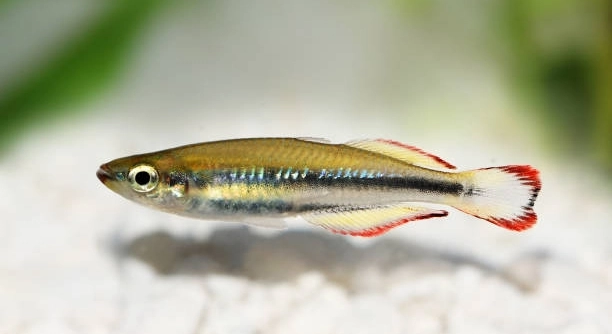
Rainbowfish are popular freshwater aquarium fish known for their bright colors and active behavior. Many aquarists notice interactions among them, leading to curiosity about how they assert themselves within a community of other fish.
Rainbowfish can exhibit dominance behaviors over others in their environment. They establish social hierarchies through displays such as flaring fins, chasing, or slight nipping, which help reduce conflicts and maintain a structured community within the tank.
Understanding these behaviors helps aquarists manage their tanks more effectively and ensures the fish coexist peacefully while maintaining their natural social interactions.
How Rainbowfish Show Dominance
Rainbowfish use body language and movement to establish dominance. Males often flare their fins and swim in bold patterns to assert authority. Chasing or circling less dominant fish is common, especially during feeding times. These behaviors are subtle but consistent. Color intensity can also signal rank. Brighter fish often take the lead in interactions, while duller individuals tend to stay back. Territorial displays may include patrolling specific areas of the tank or guarding favorite hiding spots. Even minor nips or bumps are part of establishing hierarchy. Observing these patterns can help you understand the balance in your tank. Tank size, number of fish, and available hiding spots influence how these behaviors appear. Overcrowding can increase aggression, while ample space usually reduces tension. Recognizing these signs early allows for interventions to maintain harmony and reduce stress. Dominance is part of their natural social behavior and does not always mean harm.
Dominance behaviors help maintain order in the tank, ensuring all fish have access to food and safe resting areas.
Managing tank dynamics means paying attention to dominant and submissive fish. Adjusting environment, decorations, and feeding routines can reduce stress, keep interactions calm, and support healthy social structures for all rainbowfish.
Signs of Stress in Subordinate Rainbowfish
Subordinate fish may hide more often or avoid open swimming areas. Reduced appetite and fading color are early signs of stress.
Stress from dominance can impact growth, immunity, and behavior. Submissive fish may retreat to corners, avoid group interactions, or show erratic swimming. Prolonged stress can lead to illness or reduced lifespan. Adding plants, decorations, or multiple hiding spaces gives stressed fish safe retreats. Monitoring water quality and maintaining a stable environment also reduces tension. Occasionally separating overly aggressive fish may be necessary to prevent injury. Observing interactions daily allows for timely adjustments. A balanced male-to-female ratio often lowers dominance pressure. Feeding in multiple areas ensures all fish receive nutrition. Keeping the tank environment stimulating and spacious helps subordinate fish gain confidence while maintaining the social hierarchy naturally. This careful management ensures all rainbowfish can thrive together, creating a peaceful and visually appealing aquarium.
Feeding Time and Dominance
Dominant rainbowfish often eat first, claiming prime spots near food. Submissive fish may wait or retreat, taking smaller portions or feeding later in safer areas.
Observing feeding patterns can reveal social ranking clearly. Dominant males or more vibrant fish typically assert themselves quickly, moving to the front and pushing others aside. Subordinate fish adjust by waiting, hiding, or approaching cautiously. Over time, this behavior establishes a predictable hierarchy that keeps conflicts minimal during meals. Providing multiple feeding stations helps ensure all fish get adequate nutrition. Consistency in feeding routines reduces stress and reinforces calm interactions. Recognizing these patterns allows you to balance social dynamics and prevent aggression from escalating. Adjusting the tank environment and feeding strategy supports both dominant and submissive fish.
Feeding time is more than nourishment; it is a social event that maintains order, reinforces hierarchy, and influences behavior throughout the day. Observing carefully can guide better care decisions for all rainbowfish in the tank.
Tank Setup and Space
Overcrowding can intensify dominance behavior, leading to stress and injuries. Proper tank size and decorations are essential for balance.
Providing enough space and hiding spots reduces tension among rainbowfish. Plants, rocks, and tunnels allow subordinate fish to retreat safely while dominant fish patrol freely. Open swimming areas help active males display their fins without threatening others constantly. The layout also encourages natural exploration and exercise. Maintaining adequate water quality and temperature supports health, further reducing aggressive tendencies. Regular observation of interactions ensures that any changes in behavior are addressed promptly. Rotating decorations or adding new elements can prevent stagnation and provide new territory markers. This approach creates a dynamic yet safe environment where both dominant and submissive rainbowfish can coexist peacefully.
A well-organized tank setup not only reduces stress but also encourages natural behaviors, supporting healthier fish and a more balanced social structure.
Recognizing Aggressive Behavior
Aggressive rainbowfish chase, nip, or flare fins at others. Subtle signs include circling or blocking access to preferred areas.
Color changes can also indicate aggression. Darker or more intense shades often appear in dominant fish during confrontations.
Maintaining Harmony
Separating overly aggressive fish temporarily can prevent injuries. Rearranging decorations or adding more hiding spots also helps reduce tension. Observing interactions closely allows adjustments before conflicts escalate, keeping all fish safer and calmer.
Social Group Dynamics
Rainbowfish establish a hierarchy that determines access to food, mates, and territory. Dominant fish lead, while subordinate individuals adapt to avoid conflict. A balanced group with enough space and hiding spots helps maintain stable interactions and reduces stress among all members.
Environmental Enrichment
Adding plants, rocks, and tunnels encourages exploration and provides safe retreats. Enrichment reduces stress and supports natural behaviors.
FAQ
How can I tell which rainbowfish is dominant?
Dominant rainbowfish often show confident movements, flare their fins, and occupy central areas of the tank. They typically eat first and may chase or block subordinate fish. Color intensity is also a sign, with brighter fish often taking the lead in interactions. Observing daily routines will reveal the hierarchy.
Can rainbowfish harm each other when showing dominance?
Yes, but usually minor. Dominance behaviors include chasing, nipping, and occasional bumping. Serious injuries are uncommon if the tank has enough space and hiding spots. Overcrowding or lack of enrichment increases the risk of stress and harm. Regular monitoring helps prevent escalation.
Does tank size affect dominance behavior?
Absolutely. Small tanks can increase tension because fish have limited space to retreat. Larger tanks with open swimming areas and sufficient hiding spots allow dominant and submissive fish to coexist with minimal conflict. Space management is key for maintaining harmony.
How many rainbowfish should I keep together?
A small group of five to seven is ideal for most tanks. This size allows natural hierarchy formation without overcrowding. Too few can increase aggression because dominant fish may focus on a single subordinate repeatedly, while too many can lead to constant stress and competition.
Do males and females show dominance differently?
Yes. Males tend to display more overt behaviors, such as chasing, flaring fins, and patrolling territory. Females are generally less aggressive but may assert themselves over subordinate females. Recognizing gender-based differences helps in managing social balance in the tank.
Will adding more decorations reduce aggression?
Yes. Plants, rocks, and tunnels provide safe retreats for subordinate fish and give dominant fish territory markers to patrol. Rearranging decorations periodically also prevents stagnation, helping fish establish boundaries without escalating aggression.
How should I feed rainbowfish to prevent conflicts?
Use multiple feeding spots to reduce competition. Scatter food evenly across the tank so subordinate fish can eat safely. Maintaining a consistent feeding schedule helps dominant fish adjust, reducing chasing during meals and promoting calm behavior overall.
Is it necessary to separate aggressive rainbowfish?
Only if aggression leads to injuries or constant stress. Temporary separation can allow subordinate fish to recover and reduce overall tension. Adjusting tank layout and observing interactions often solves most aggression issues without long-term isolation.
Do subordinate fish recover from stress?
Yes, if provided a safe environment and adequate nutrition. Hiding spots, plants, and open swimming areas allow them to regain confidence. Over time, they may become more comfortable in the tank, though hierarchy remains intact. Regular observation ensures they remain healthy.
Can dominance affect breeding behavior?
Dominant males usually gain first access to mates and preferred spawning areas. Subordinate males may be excluded or delayed in breeding opportunities. Providing enough space and hiding spots for females ensures successful spawning without excessive stress on weaker males.
How long does it take for a hierarchy to form?
A few days to a few weeks, depending on tank size, number of fish, and individual personalities. Daily observation helps you understand the dynamics, allowing adjustments to feeding, space, or decorations to support a balanced hierarchy.
Does dominance affect growth or health?
Indirectly. Subordinate fish may eat less or experience more stress, affecting growth and immunity. Ensuring multiple feeding stations, enrichment, and adequate tank size helps maintain health for all rainbowfish regardless of rank.
Are certain rainbowfish species more aggressive than others?
Yes, some species show stronger dominance behaviors. For example, male Melanotaenia species are more territorial and colorful, often asserting themselves more aggressively than less vibrant species. Knowing species traits helps plan compatible tank groups.
Can adding new fish disrupt the hierarchy?
Yes. Introducing new fish can trigger temporary aggression as dominance is re-established. To minimize stress, quarantine new arrivals, rearrange decorations, and monitor interactions closely. Gradual introductions reduce tension and help maintain stability.
Do environmental factors influence dominance behavior?
Water quality, temperature, and lighting affect activity levels and aggression. Stable conditions support calmer interactions, while fluctuating environments increase stress and may intensify dominance behaviors. Regular maintenance ensures all fish remain healthy and interactions stay predictable.
What is the best way to observe dominance without disturbing the fish?
Watch quietly from outside the tank or behind decorations. Avoid sudden movements, tapping, or changing water frequently during observation. Noting daily feeding, swimming patterns, and territory use provides the clearest understanding of hierarchy without adding stress.
Can dominance behaviors be modified over time?
Yes, adjustments to tank setup, population size, and feeding strategies can influence interactions. While hierarchy naturally exists, careful management can reduce stress, minimize aggression, and create a more balanced, harmonious environment for all rainbowfish.
How do I ensure all fish thrive in a dominant-subordinate setup?
Provide adequate space, hiding spots, multiple feeding areas, and consistent water conditions. Observe behavior daily, manage aggression promptly, and maintain enrichment. Supporting both dominant and subordinate fish ensures long-term health, reduces stress, and encourages natural social behavior in the tank.
Are there signs that dominance is causing serious issues?
Persistent injuries, faded colors, reduced appetite, and extreme hiding are warning signs. Immediate action, such as separating aggressive individuals or adjusting tank conditions, is necessary to prevent long-term health problems. Early intervention maintains safety and balance among all rainbowfish.
Can dominance behavior be completely eliminated?
No. It is a natural part of rainbowfish social structure. The goal is to manage it effectively, ensuring that interactions remain safe, stress is minimized, and all fish can thrive within the hierarchy. Proper care balances natural behavior with a peaceful tank environment.
Final Thoughts
Rainbowfish are naturally social creatures that establish clear hierarchies within their groups. Dominance behaviors, such as chasing, flaring fins, and controlling access to food or territory, are common and necessary for maintaining order. Observing these behaviors helps aquarists understand the social structure of their tank. It is important to remember that dominance does not automatically mean harm. Most interactions are minor and part of their natural behavior. Submissive fish adjust their behavior, retreating when needed and feeding carefully to avoid confrontation. By recognizing these patterns, aquarists can better manage the tank and support healthy interactions among all fish. Understanding dominance allows for more mindful care, ensuring each rainbowfish has the space and resources it needs.
Managing the tank environment is essential for reducing stress caused by dominant behavior. Providing sufficient space, multiple feeding spots, and hiding places helps subordinate fish feel safe while allowing dominant fish to patrol and assert themselves naturally. Overcrowding or lack of enrichment can increase tension and cause stress, potentially leading to illness or injury. Regular observation is key to noticing subtle changes in behavior, such as increased chasing or fading colors, which may indicate stress in subordinate fish. Small adjustments, like rearranging plants or adding new decorations, can shift dynamics and give all fish better access to territory and resources. These measures support a peaceful, balanced tank and help maintain the health and well-being of every rainbowfish.
Feeding routines and social balance go hand in hand. Dominant fish usually eat first, but careful planning, like distributing food in multiple areas, ensures all fish receive proper nutrition. Consistency in tank conditions, including temperature, water quality, and lighting, also supports calmer behavior. Subordinate fish can thrive with safe retreat spaces and predictable routines, while dominant fish maintain their natural roles without causing unnecessary stress. Recognizing and respecting these social behaviors creates a harmonious environment where rainbowfish can display natural behavior, remain healthy, and coexist peacefully. A well-managed tank benefits both the fish and the aquarist, making care more rewarding and enjoyable.

Hello,
If you enjoy the content that we create, please consider saying a "Thank You!" by leaving a tip.
Every little bit helps us continue crafting quality advice that supports the health, happiness, and well-being of pets around the world, for pets of all shapes, sizes, and species.
We really appreciate the kindness and support that you show us!