
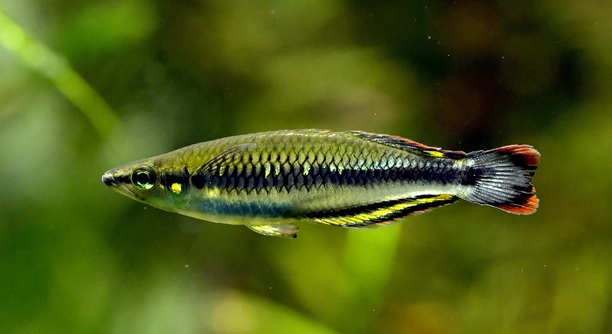
Rainbowfish are small, colorful freshwater fish often seen swimming in lively groups. Their behavior changes noticeably when they gather, showing different movement patterns, feeding habits, and social interactions compared to when they are alone in a tank.
Rainbowfish exhibit group-based behaviors primarily for safety, social hierarchy, and efficient foraging. Swimming in schools reduces predation risk, helps establish dominance structures, and allows individuals to find food more effectively, demonstrating the adaptive nature of their collective behavior.
Observing these changes in group settings reveals important insights into their natural instincts and social dynamics, offering valuable guidance for both hobbyists and researchers alike.
How Rainbowfish Communicate in Groups
Rainbowfish rely heavily on visual and chemical signals to communicate when they are in groups. Their bright colors are not just for show; they help convey dominance, readiness to mate, and alertness to danger. When swimming together, subtle movements and fin displays indicate intentions to other fish. For example, a quick flick of the tail can signal a warning or prompt coordinated movement to avoid predators. Group living also allows younger or less experienced fish to learn social cues from older members. Observing them over time shows that communication is continuous, with signals exchanged every few seconds. Even during feeding, gestures and positioning help reduce conflicts and ensure that more fish get access to food. The dynamics are complex but structured, showing that rainbowfish are social creatures that thrive on interaction. Their ability to coordinate actions improves survival rates and strengthens group cohesion over time.
This communication helps maintain order and reduces unnecessary fights within the school, keeping the group stable and safe.
Understanding these signals can help aquarists create environments that promote natural behaviors, reduce stress, and improve overall health. By mimicking natural group sizes and structures, fish display more vibrant colors and more consistent feeding habits, benefiting both their wellbeing and your observation experience.
The Role of Predation Pressure
Living in groups helps rainbowfish detect predators more quickly and respond collectively. Safety in numbers is a major factor in their schooling behavior.
When rainbowfish are in groups, each fish watches for potential threats, increasing vigilance without overburdening any single individual. Predators are less likely to attack large schools because coordinated movement confuses them, and spotting one predator early can trigger an immediate evasive response. Smaller or weaker fish benefit from being near stronger or more alert members, gaining protection they would lack alone. Group living also allows fish to spread out, making it harder for predators to target a single individual. This constant awareness influences feeding patterns, as fish balance foraging with scanning for danger. Over time, natural selection favors fish that respond well to group dynamics, strengthening social cohesion and improving survival rates. In captivity, understanding predation instincts helps in designing tanks with hiding spaces, moderate lighting, and appropriate group sizes, creating an environment where rainbowfish feel secure and act naturally.
Feeding Behavior in Groups
Rainbowfish feed more efficiently when in groups. They follow each other closely, often taking turns exploring new food sources. This reduces competition and ensures that all fish get enough to eat.
Group feeding allows rainbowfish to spot food faster and share information about its location. When one fish discovers a new source, others quickly join, creating a coordinated effort. This behavior reduces wasted energy and increases overall survival, especially in environments where food is scattered. Fish that feed alone may struggle to find resources or risk being chased away by more dominant individuals, showing the benefit of group dynamics.
Feeding in schools also reduces stress and encourages natural hunting instincts. Fish feel safer when surrounded by others, allowing them to feed more actively. Observing this behavior highlights how social structures influence daily activities and overall health. Group feeding strengthens bonds, establishes routines, and supports a balanced ecosystem within the tank or natural habitat.
Leadership and Hierarchy
Dominant fish often lead movements and decide where the group swims or feeds. Leadership is subtle but noticeable, guiding the school efficiently.
Hierarchy in rainbowfish schools helps reduce conflicts and maintain order. Dominant fish typically occupy central positions, while less dominant ones stay at the edges. This arrangement ensures that food is shared without constant fighting and that weaker fish remain safer from potential threats. Leadership is not aggressive but based on confidence and experience. Subtle nudges or positioning signal direction and timing, helping coordinate turns and speed. Fish naturally respect these roles, creating a stable, functioning group.
The presence of hierarchy also influences reproduction and social interactions. Dominant fish often have priority access to mates, while subordinate fish learn from observing behaviors. This social structure improves overall survival and efficiency. Even in captivity, maintaining groups with clear hierarchy can reduce stress, minimize aggression, and encourage natural, healthy behaviors. By respecting these dynamics, caretakers can support both the mental and physical wellbeing of rainbowfish in aquariums.
Group Movement Patterns
Rainbowfish move in coordinated schools to protect themselves and navigate efficiently. Their synchronized swimming reduces the risk of being singled out by predators.
The group often changes direction together, responding to subtle cues from leaders or nearby fish. This constant adjustment keeps the school cohesive and alert.
Social Learning
Young or inexperienced rainbowfish observe older members to learn feeding strategies, predator avoidance, and social behaviors. This learning is faster in groups than alone. By mimicking movements and reactions, they develop skills essential for survival. Over time, this process strengthens group cohesion and improves the overall success of the school.
Environmental Influence
Tank size, vegetation, and water flow affect how rainbowfish behave in groups. Proper environments support natural movement, reduce stress, and promote healthy social interactions.
FAQ
Why do rainbowfish swim in groups instead of alone?
Rainbowfish naturally form schools for safety, social interaction, and efficient foraging. Being in a group makes it harder for predators to single out any one fish. It also allows individuals to learn from each other, observe feeding techniques, and establish social hierarchies that reduce conflicts and promote stability.
How does being in a group affect their feeding habits?
Feeding in groups helps rainbowfish find food faster and reduces competition. When one fish locates food, others quickly join, allowing a coordinated effort. Fish feeding alone may expend more energy searching or get chased by more dominant members, while schooling ensures better access for all.
Do rainbowfish show different colors in groups?
Yes, group settings can enhance their colors. When rainbowfish are comfortable and feel secure within a school, their bright hues often become more pronounced. Stress or isolation can dull their coloration, so maintaining proper group sizes helps them display natural vibrancy.
How do rainbowfish establish hierarchy in a group?
Hierarchy develops through subtle movements, displays, and positioning rather than overt aggression. Dominant fish often take central positions and guide movement. Subordinate fish respect these roles, reducing conflicts and maintaining group stability. Observing this structure helps understand their social dynamics.
Can group size impact their health and behavior?
Absolutely. Small groups may cause stress, as fish feel vulnerable, while overly large groups can lead to competition for food or space. Maintaining a moderate group allows natural interactions, proper feeding, and reduced aggression, promoting both physical and mental wellbeing.
Do young rainbowfish learn behaviors from older fish?
Yes, social learning is vital. Young or inexperienced fish observe experienced members to learn feeding patterns, predator avoidance, and swimming coordination. This learning within the group improves survival and ensures smoother integration into social structures.
How do environmental factors influence group behavior?
Tank size, decorations, water flow, and hiding spaces all impact schooling behavior. Proper environments allow natural movement, reduce stress, and promote healthy social interactions. Crowded or barren tanks may increase aggression, disrupt hierarchy, and suppress natural behaviors, while thoughtfully arranged spaces encourage cohesion.
Do rainbowfish always stick together in the same group?
Generally, rainbowfish prefer stable groups. However, if new fish are introduced or if stress occurs, group composition can change temporarily. Over time, natural social structures reestablish themselves, and fish adapt to the group’s dynamics, showing flexibility in social organization.
How does predation risk affect their schooling?
Predation risk strongly influences group size and movement. In the wild, higher predator presence results in tighter, more synchronized schools. Fish respond quickly to subtle cues, adjusting swimming patterns to stay cohesive and reduce individual risk. Even in aquariums, these instincts guide their behavior.
Can observing group behavior help in aquarium care?
Yes, paying attention to social interactions can guide tank setup, feeding routines, and group management. Noticing stress signs, aggressive behaviors, or changes in color can indicate the need for adjustments, ensuring rainbowfish remain healthy, vibrant, and socially balanced.
Why do rainbowfish sometimes split into smaller groups?
Splitting often occurs due to resource distribution, dominance disputes, or temporary distractions. Subgroups allow individuals to explore, feed, or rest without constant competition. Once conditions stabilize, the school usually reforms, showing the flexible nature of their social organization.
Is it necessary to keep rainbowfish in large groups?
While not all rainbowfish require very large schools, keeping them in small groups or pairs can lead to stress and aggression. Moderate-sized groups, typically five to ten individuals, encourage natural behaviors, reduce anxiety, and support color vibrancy and active movement.
Do rainbowfish communicate while in groups?
Yes, communication occurs through body movements, fin displays, and positioning. Signals coordinate direction changes, feeding, and warning of danger. Even subtle gestures are recognized by other members, allowing the school to act as a unified, responsive group.
How quickly do rainbowfish adapt to new group members?
Adaptation depends on individual temperament and group size. Dominant fish may initially challenge newcomers, while subordinate fish observe. Over days to weeks, social hierarchies adjust, and the group stabilizes. Proper acclimation reduces stress and supports natural behaviors in mixed groups.
Can rainbowfish exhibit aggression in groups?
Some aggression is natural, especially during feeding or establishing hierarchy. It is usually mild and brief, helping maintain social order. Excessive aggression may indicate stress, overcrowding, or inadequate resources, which should be addressed to protect the group’s wellbeing.
Do group behaviors change in captivity compared to the wild?
Captive environments can influence schooling, feeding, and hierarchy. Limited space, fewer hiding spots, and predictable food sources can reduce natural behaviors. Providing appropriate tank size, decorations, and social groupings helps mimic natural conditions and encourages authentic group interactions.
How important is water quality for group behavior?
Water quality directly affects health and social interactions. Poor conditions increase stress, reduce appetite, and can trigger aggression. Maintaining stable temperature, pH, and cleanliness supports natural movement, feeding, and schooling, ensuring rainbowfish exhibit normal, healthy group behavior.
Can observing group dynamics help detect illness?
Yes, changes in movement, feeding, or social interactions can indicate health issues. Isolated or sluggish fish may be sick, while sudden aggression may signal stress. Monitoring group behavior provides an early warning system, allowing timely care and treatment to protect the entire school.
How do rainbowfish decide where to swim in a group?
Leaders or dominant fish guide the school, using subtle cues and positioning to indicate direction. Other fish follow closely, maintaining cohesion. This coordinated movement reduces predator risk, ensures access to resources, and allows the group to react quickly to environmental changes.
Does schooling affect reproduction?
Yes, group living improves mating opportunities. Dominant males gain priority, while others observe and learn courtship behaviors. The social structure ensures successful breeding, reduces stress, and supports healthier offspring by providing protection and guidance during early development.
What can caretakers do to support natural group behavior?
Provide adequate group sizes, structured environments with hiding spots, and regular feeding. Avoid overcrowding and introduce new fish gradually. Observing social cues, managing aggression, and maintaining water quality encourages natural interactions, color vibrancy, and overall wellbeing of rainbowfish in aquariums.
How long do rainbowfish maintain social bonds in groups?
Social bonds are generally stable, especially in consistent groups. Fish recognize familiar individuals, follow established hierarchies, and maintain coordinated behaviors. Changes such as tank rearrangements, new members, or stress can temporarily alter dynamics, but bonds typically reform as the group stabilizes.
Are there differences in group behavior between species of rainbowfish?
Yes, different species vary in schooling intensity, aggression, and social hierarchy. Some prefer tighter schools, while others are more relaxed. Knowing species-specific tendencies helps tailor tank size, group composition, and environmental setup for optimal social behavior.
Can rainbowfish become stressed in groups?
Stress can occur from overcrowding, poor water quality, aggressive members, or lack of hiding spaces. Even social fish benefit from balanced group sizes and enriched environments. Reducing stress encourages natural behaviors, proper feeding, and vibrant coloration.
Does lighting affect group behavior?
Lighting influences visibility, color display, and activity levels. Moderate, consistent lighting allows natural schooling and feeding behaviors. Sudden changes or overly bright setups can increase stress and aggression, while dim lighting may reduce activity and coordination in the group.
How do rainbowfish coordinate turns and direction changes?
Coordination relies on observing neighbors’ movements and subtle body cues. When one fish alters direction or speed, nearby members follow, creating a chain reaction that moves through the group. This ensures cohesion, predator avoidance, and efficient navigation in both natural and captive environments.
Do rainbowfish show individual personalities within groups?
Yes, even in schools, individuals differ in boldness, activity levels, and responses to stimuli. Some lead, some follow, and some prefer edges. Recognizing these differences helps in managing group dynamics, feeding routines, and social stability within the tank.
Can rainbowfish schooling reduce disease spread?
Schooling itself doesn’t prevent disease, but social observation allows early detection of sick individuals. Healthy fish may avoid weakened members, reducing direct contact. Maintaining hygiene, balanced group sizes, and proper care are key to minimizing disease risks in social groups.
How does temperature affect group activity?
Temperature impacts metabolism and energy levels. Optimal temperatures encourage active schooling, feeding, and social interactions. Too low slows movement, while too high can increase stress or aggression. Maintaining stable, species-appropriate temperatures supports healthy group dynamics.
Do rainbowfish ever leave a group temporarily?
Occasionally, individuals may separate to explore, feed, or escape minor conflicts. These breaks are usually short, and fish rejoin the school once conditions stabilize, showing flexibility in their social behavior.
Can group behavior improve survival in captivity?
Yes, properly structured groups reduce stress, support feeding efficiency, and enhance natural instincts. Social interactions mimic wild conditions, improving physical health, coloration, and overall wellbeing. Observing and managing group behavior is key to successful rainbowfish care.
Does group size affect swimming speed?
Larger schools often move more slowly to maintain cohesion, while smaller groups can be faster and more agile. Balanced group sizes ensure coordinated swimming without excessive stress or collisions, supporting both safety and natural behavior.
How do rainbowfish respond to sudden threats in a group?
They react collectively, quickly changing direction and tightening formation. This synchronized movement confuses predators and reduces the likelihood of any single fish being targeted, showcasing the protective advantage of schooling behavior.
Do rainbowfish show more activity during the day or night in groups?
They are generally diurnal, being most active during daylight. Group swimming, feeding, and social interactions peak in the day, while nighttime brings resting and reduced movement. Proper lighting schedules help maintain these natural rhythms in aquariums.
Can observing group interactions help improve breeding success?
Yes, understanding social hierarchy, feeding habits, and dominant-subordinate relationships helps manage mating pairs and group composition. Ensuring minimal stress and proper social balance increases reproductive success and supports healthy offspring.
What are common mistakes in keeping rainbowfish in groups?
Overcrowding, inadequate tank size, poor water quality, and ignoring social cues can lead to stress, aggression, and illness. Not providing hiding spots or introducing new fish abruptly may disrupt social structures, emphasizing the importance of careful management.
How long does it take for a group to stabilize after changes?
Depending on group size and individual temperaments, stabilization can take days to weeks. Dominance hierarchies reestablish, aggressive interactions decline, and coordinated behaviors resume, showing the adaptability of rainbowfish social systems.
Do rainbowfish prefer specific positions within a school?
Yes, dominant or confident fish often occupy central positions, while timid or weaker fish stay at the edges. These positions influence safety, access to food, and leadership, reflecting natural instincts for protection and social order.
How important is observing social cues in daily care?
Watching body language, swimming patterns, and interactions helps detect stress, aggression, or health issues early. Proper observation allows adjustments in feeding, environment, and group management, ensuring balanced and healthy schooling behavior.
Can rainbowfish schooling be influenced by external disturbances?
Yes, loud noises, sudden movements, or drastic environmental changes can disrupt cohesion. Fish may scatter or show stress, highlighting the need for stable, calm conditions to maintain natural group behaviors.
Do rainbowfish schooling patterns differ in small vs. large tanks?
Yes, smaller tanks restrict movement and may force tighter, sometimes stressed groups, while larger tanks allow natural spacing, exploration, and coordinated swimming. Tank size should match group size to support proper behavior.
Are there signs of social stress in groups?
Signs include frequent chasing, hiding, faded colors, or erratic swimming. Addressing stress through proper group size, environmental enrichment, and water quality is essential to restore natural, healthy behaviors.
Does group behavior change with age?
Older fish often take leadership roles, while younger fish remain subordinate. As fish mature, social hierarchies become more defined, feeding efficiency improves, and coordinated movement strengthens, reflecting natural social development.
How do rainbowfish respond to new tank decorations or changes?
They may temporarily scatter or adjust positions, using new structures as hiding spots or landmarks. Over time, the school incorporates changes, maintaining cohesion while exploring the environment safely.
Can observing schooling behavior indicate tank balance?
Yes, consistent coordinated movement, feeding, and stable hierarchy indicate a healthy, balanced environment. Disrupted patterns may suggest stress, overcrowding, or poor water quality, providing actionable insights for care.
Is schooling behavior instinctive or learned?
Both. Instinct drives cohesion, predator avoidance, and group feeding, while young fish learn finer social and feeding behaviors by observing older members, showing the combination of innate and learned traits.
Do rainbowfish interact differently with other species in groups?
Yes, schooling and social behaviors may adjust around other species. Fish may become more cautious, reduce aggression, or avoid areas dominated by other tank mates, reflecting adaptability in mixed-species environments.
How long should rainbowfish be observed daily for social cues?
Short daily observations of 10-15 minutes are usually sufficient. Regular monitoring helps detect early signs of stress, aggression, or illness while ensuring the group maintains healthy, natural behaviors.
Are rainbowfish more active in larger groups?
Generally, yes. Larger, balanced groups stimulate movement, coordination, and social interaction. Fish display more natural behaviors, explore more, and maintain higher energy levels compared to isolated or very small groups.
Do rainbowfish ever change hierarchy roles?
Yes, hierarchies are flexible. Changes occur due to growth, health, or personality shifts. Dominant fish may be replaced, or positions adjusted, keeping the group balanced and reducing prolonged conflicts.
Can schooling improve rainbowfish color display?
Being in a comfortable, secure group encourages natural coloration. Social interaction reduces stress, enhances confidence, and allows fish to display vibrant colors, reflecting health and wellbeing.
Do rainbowfish sleep together in groups?
Yes, they often rest in proximity, finding safety in numbers. While less active, they remain alert to movement around them, benefiting from group cohesion even during rest periods.
How important is tank enrichment for group behavior?
Enrichment, such as plants, rocks, and hiding spots, supports natural movement, reduces stress, and encourages exploration. A well-structured tank promotes healthy social interactions, feeding, and coordinated swimming, keeping the group active and balanced.
Do rainbowfish schooling patterns change with feeding schedules?
Yes, fish adjust movement and coordination around feeding times. Predictable routines help reduce stress, encourage natural behaviors, and allow smoother interactions as the group anticipates and responds to food availability.
How do rainbowfish react to sickness in a group member?
Healthy fish may avoid sick individuals, who often isolate themselves. Observing these behaviors allows caretakers to identify health issues early, preventing disease spread and supporting overall group wellbeing.
Can rainbowfish recognize individual group members?
Yes, fish show recognition of familiar individuals through movement patterns and social interactions. This recognition supports stable hierarchies, coordinated swimming, and smoother group dynamics over time.
Do rainbowfish schooling behaviors differ in shallow vs. deep tanks?
Shallow tanks may limit vertical movement, altering swimming patterns, while deeper tanks allow full expression of natural schooling. Providing appropriate depth supports coordinated movement, exploration, and stress reduction.
Are there seasonal changes in schooling behavior?
In the wild, seasonal factors like temperature, food availability, and breeding cycles influence group cohesion, movement, and feeding behavior. Understanding these patterns helps replicate conditions in captivity for natural behavior.
Can rainbowfish schooling reduce predation in captivity?
Even without natural predators, schooling instincts remain. Fish feel more secure in groups, reducing stress and promoting natural movement, demonstrating that protective behaviors persist even in safe environments.
Do rainbowfish use water currents to coordinate group movement?
Yes, they often align with water flow, enhancing efficiency and reducing energy expenditure. Currents help guide schooling patterns and support coordinated swimming behaviors in both natural and captive settings.
How long does schooling behavior persist after stress events?
Recovery depends on severity. Minor disturbances may see quick restoration of cohesion, while major stressors require hours to days for full reestablishment of normal schooling, hierarchy, and coordinated movement.
Do rainbowfish communicate warnings about food scarcity?
Yes, movements and positioning can signal food availability or scarcity. Observing these cues allows other fish to adjust foraging, supporting group survival and efficient resource use.
Can rainbowfish schooling affect tank maintenance routines?
Yes, active and coordinated groups stir sediments, influence feeding patterns, and occupy specific areas, which can guide cleaning schedules, feeding placement, and tank arrangement for optimal care.
Are all rainbowfish equally social?
No, individual temperaments vary. Some are naturally more social or bold, while others are timid. Recognizing personality differences helps manage group dynamics and maintain a stable, harmonious environment.
How do rainbowfish react to reflection in the tank?
Reflections can be mistaken for other fish, triggering social displays or mild aggression. In groups, dominant fish may respond first, and others follow, showing the persistence of social instincts.
Does water temperature affect group cohesion?
Yes, optimal temperatures support active schooling and coordination. Extremes can slow movement, increase stress, or cause disorganization, impacting feeding, hierarchy, and protective behaviors within the group.
Do rainbowfish show play-like behavior in groups?
Occasionally, fish chase each other or perform rapid movements resembling play. While primarily social or competitive, these behaviors help practice coordination, build fitness, and reinforce social bonds.
Can observing group dynamics indicate mood or wellbeing?
Yes, cohesive, active, and coordinated schools indicate healthy, comfortable fish. Disrupted swimming, aggression, or isolation signals stress, illness, or environmental issues requiring attention.
Do rainbowfish ever cooperate to explore new areas?
Yes, groups often move together when investigating unfamiliar territory. Fish follow confident leaders, reducing individual risk and allowing safer exploration of the environment.
How does group behavior impact aquarium aesthetics?
Active, coordinated schools create visual interest, vibrant displays, and dynamic movement. Properly managed groups enhance both the wellbeing of fish and the overall appeal of the tank.
Are there differences in male and female group behavior?
Males may display brighter colors and more dominant behaviors, particularly during breeding. Females tend to stay more central or cohesive, following leaders while minimizing conflict, reflecting natural social and reproductive roles.
How often should groups be monitored?
Daily observation for short periods is sufficient. Watching for feeding, movement, hierarchy, and stress signs ensures timely intervention and supports stable, healthy schooling behavior.
Do rainbowfish ever form temporary alliances within groups?
Yes, subgroups or pairs may temporarily coordinate for feeding, protection, or movement. These alliances shift as conditions change, showing flexibility in social organization.
Can rainbowfish schooling reduce territorial disputes?
Structured group behavior and established hierarchies minimize conflicts. Clear roles
Rainbowfish are fascinating creatures, especially when observed in groups. Their behavior changes significantly depending on the number of fish around them and how they interact with each other. In groups, rainbowfish show more coordinated movement, effective feeding strategies, and natural social structures. Swimming in schools provides protection from potential threats, allowing them to feel safer and act more confidently. Even subtle behaviors, like tail flicks, fin displays, or positioning within the school, serve important purposes in communication and hierarchy. These instincts are not just limited to wild settings; they are very noticeable in aquariums as well. The way rainbowfish interact, learn from each other, and respond to environmental cues reveals the complexity of their social lives and the importance of maintaining a proper group setting. Observing them can provide insight into their needs, helping caretakers provide conditions that encourage healthy, natural behavior.
Group living influences nearly every aspect of a rainbowfish’s daily routine. Feeding, for example, becomes more efficient and less stressful when fish are in a well-structured group. Younger or less experienced fish can watch and mimic the actions of older members, quickly learning which areas of the tank are safe to explore or where food is most likely to be found. Dominance hierarchies form naturally, guiding interactions and reducing conflicts that could otherwise cause injury or stress. Leadership is often subtle, with more confident fish setting the pace and direction for the school. These natural behaviors are important to preserve because they directly impact the overall wellbeing of the fish. A stable group environment helps reduce aggression, supports better feeding habits, and allows the fish to display their full color and energy. Without these social dynamics, rainbowfish may appear lethargic, stressed, or less vibrant.
Maintaining proper conditions for rainbowfish groups requires attention to several factors. Tank size, the number of fish, water quality, and environmental enrichment all affect how comfortably the fish can interact and move. Proper hiding spots, plants, and decorations give the fish places to rest and explore while reducing stress during minor disputes. Consistent feeding schedules and careful observation of social cues help maintain harmony within the group. Even small changes in lighting, water flow, or group composition can influence schooling behavior and overall activity levels. Understanding these dynamics ensures that rainbowfish can express their natural instincts, maintain strong social bonds, and thrive in their environment. By paying attention to group behavior and providing suitable conditions, caretakers can support both the physical and mental health of rainbowfish, creating a tank where the fish are active, colorful, and socially balanced.

Hello,
If you enjoy the content that we create, please consider saying a "Thank You!" by leaving a tip.
Every little bit helps us continue crafting quality advice that supports the health, happiness, and well-being of pets around the world, for pets of all shapes, sizes, and species.
We really appreciate the kindness and support that you show us!